Electromagnetic pulse (EMP) weapons pose a unique and potentially devastating threat to modern society. These weapons can disrupt or destroy electronic systems, leading to widespread chaos and long-term societal impacts. Understanding the dangers and implications of EMP attacks is crucial for national security and preparedness.
Understanding EMP Weapons

Definition and Mechanism
EMP weapons are devices designed to emit a burst of electromagnetic energy capable of disrupting or damaging electronic systems. They function by releasing a high-intensity energy pulse that can cause voltage surges and disrupt the functionality of electronic circuits. The science behind electromagnetic pulses involves rapidly changing electric fields that can induce currents in conductive materials, leading to potential damage or malfunction.
Historical Context and Development
The development of EMP technology dates back to the Cold War era, when nuclear weapons were first recognized for their potential to generate EMP effects. Historical instances, such as the 1962 Starfish Prime nuclear test, demonstrated the power of EMPs by disrupting electrical equipment over a large area in the Pacific Ocean. Since then, both nuclear and non-nuclear EMP technologies have been developed and tested, raising concerns over their potential use in modern warfare.
Types of EMPs
EMPs can be classified into two main categories: natural and man-made. Natural EMPs, such as those caused by solar flares, occur when charged particles from the sun interact with the Earth’s magnetic field. Man-made EMPs, on the other hand, are generated intentionally, often for military purposes. These can be further divided into nuclear EMPs, which result from nuclear detonations, and non-nuclear EMPs, which are typically generated using conventional explosives or other methods.
Potential Impacts of EMP Attacks
Electrical Grid Vulnerabilities
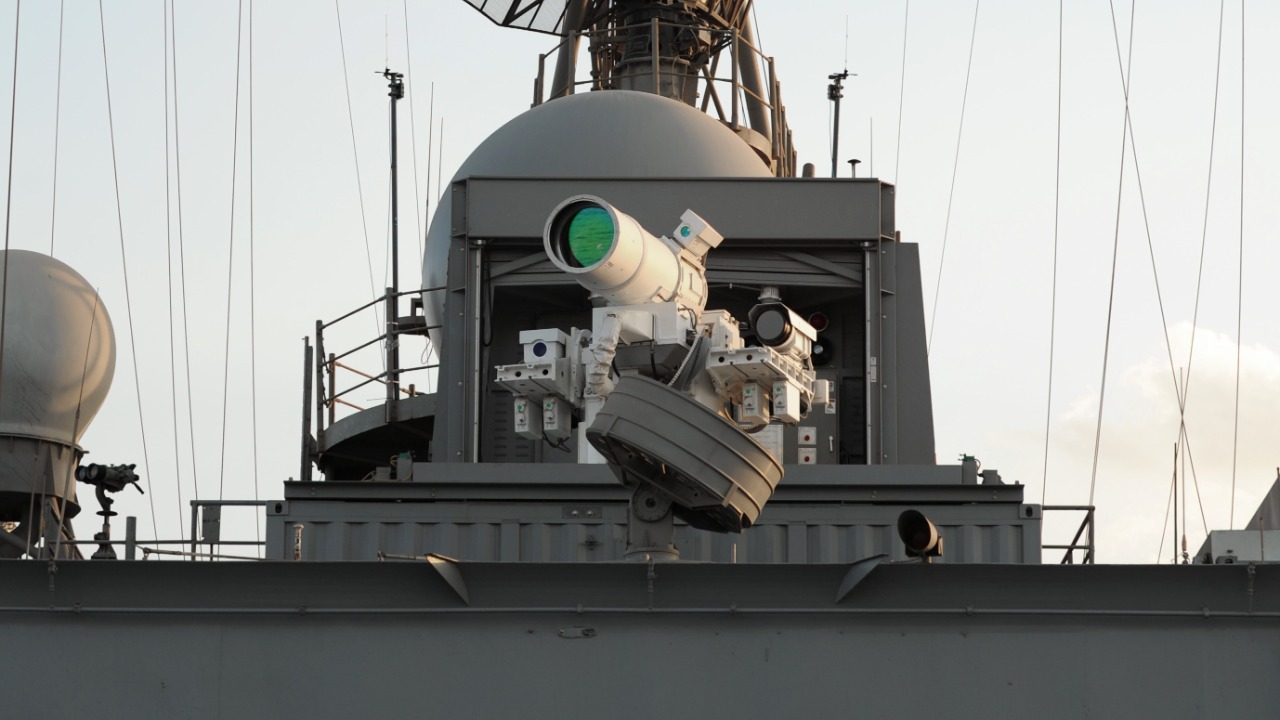
An EMP attack could severely impact national power grids by causing widespread outages and damage to electrical infrastructure. This vulnerability is due to the interconnected nature of power systems, where a disruption in one area can lead to cascading failures. Previous assessments, such as the Heritage Foundation report, have highlighted the potential for EMPs to incapacitate key components of the grid, leading to long-term power shortages and challenges in recovery.
Impact on Communication and Technology
EMPs have the potential to disable communication networks, including cellular and internet services, which are essential for daily operations and emergency response. The disruption of digital infrastructure can have far-reaching effects on the economy, as businesses and financial systems rely heavily on technology for transactions and data management. In a world where technology is deeply integrated into daily life, the impact of an EMP attack could be catastrophic.
Societal and Economic Consequences
The long-term societal impacts of a large-scale EMP attack could include public health crises, safety concerns, and economic instability. Without functioning electronic systems, essential services such as healthcare, transportation, and food distribution could be severely hampered. The potential for societal breakdown is significant, as communities may struggle to cope with prolonged outages and resource shortages.
Current Threat Assessment

Global Proliferation and Geopolitical Risks
Several countries, including the United States, China, and Russia, are known to possess or are actively pursuing EMP capabilities. The geopolitical landscape is increasingly complex, with EMP weapons potentially being used as a strategic advantage in conflicts. The potential for global proliferation of such weapons raises concerns about their use in future confrontations.
Debates on the Severity of the Threat
There is ongoing debate among experts regarding the actual risk level of EMP attacks. While some argue that the threat is overstated, others emphasize the vulnerabilities of critical systems and the potential consequences of an attack. Recent studies and reports continue to assess these vulnerabilities, highlighting the need for comprehensive strategies to mitigate the risks.
Government and Military Preparedness
Efforts to address the threat of EMP attacks include a range of government and military strategies. These involve measures to enhance the resilience of both civilian and military infrastructure. The evaluation of military readiness is crucial, as forces must be prepared to operate in environments where electronic systems may be compromised. Additionally, policies and regulations are being developed to improve the resilience of key infrastructure.
Mitigation and Prevention Strategies

Technological Solutions and Infrastructure Hardening
Advances in technology offer promising solutions for protecting against EMP attacks. Techniques for hardening critical infrastructure, such as shielding and surge protection, are being explored to improve resilience. The development of new materials and technologies is crucial to enhancing the durability of electronic systems in the face of EMP threats.
Policy and Legislative Approaches
Key policies and regulations are essential in addressing the risks posed by EMP weapons. International cooperation and treaties play a vital role in preventing the use of such weapons, as global collaboration is necessary to establish norms and standards. Legislative efforts aim to ensure that adequate resources and attention are dedicated to strengthening defenses against EMP attacks.
Public Awareness and Education
Public education is a critical component of preparing for potential EMP scenarios. By raising awareness and providing information on preparedness strategies, communities can be better equipped to respond to an attack. Individual preparedness, such as maintaining emergency supplies and understanding communication protocols, can significantly reduce the impact of an EMP event.
Future Outlook and Recommendations
Research and Development Needs
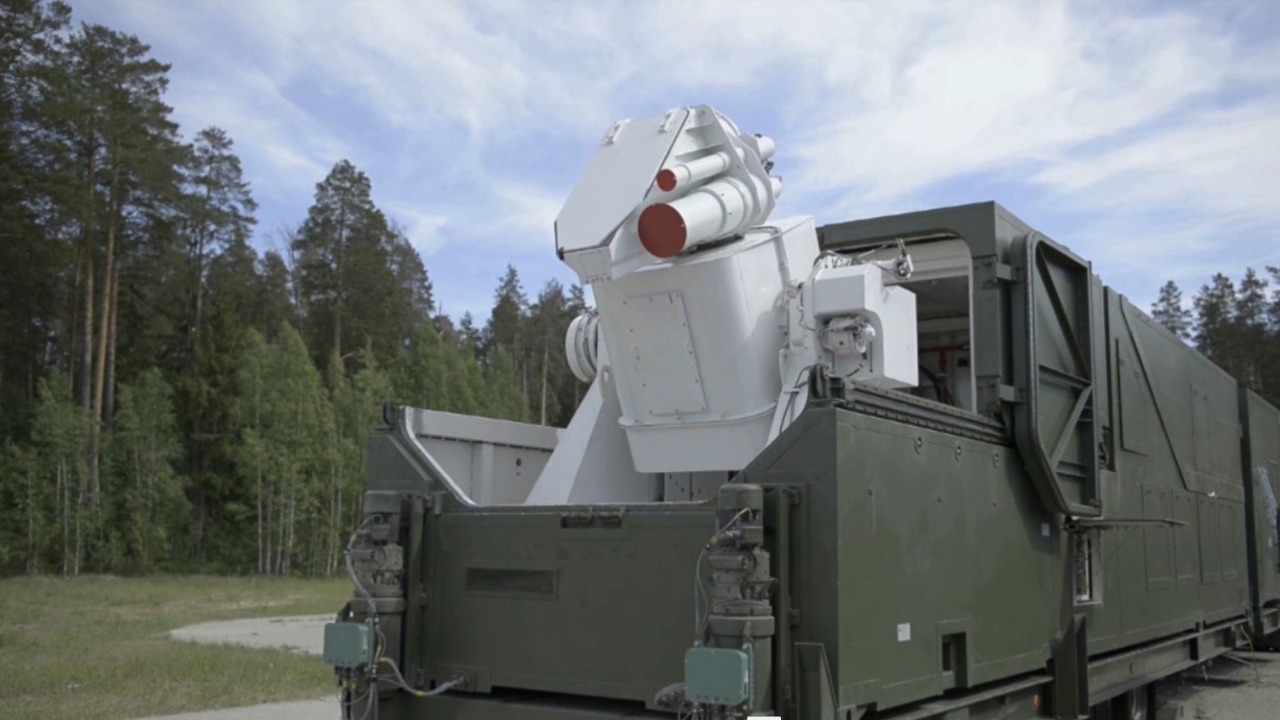
Continued research and development are essential to better understand and counter EMP threats. Areas for further exploration include the effects of EMPs on modern technology and the development of innovative defensive technologies. Encouraging innovation in this field is vital for staying ahead of potential threats.
Long-term Strategies for Resilience
Building long-term societal resilience to EMP threats requires a multifaceted approach. Recommendations include investing in infrastructure upgrades, fostering international cooperation, and continuously evaluating and adapting strategies to evolving threats. By prioritizing resilience, societies can better withstand the challenges posed by an EMP attack and ensure stability in the face of uncertainty.
