
With the rapid pace of technological advancements, a new generation of computer chips is poised to revolutionize the computing world. Promising to make computers ten times faster, this chip is set to redefine the boundaries of speed and efficiency in computing.
1. The Dawn of a New Era in Computing
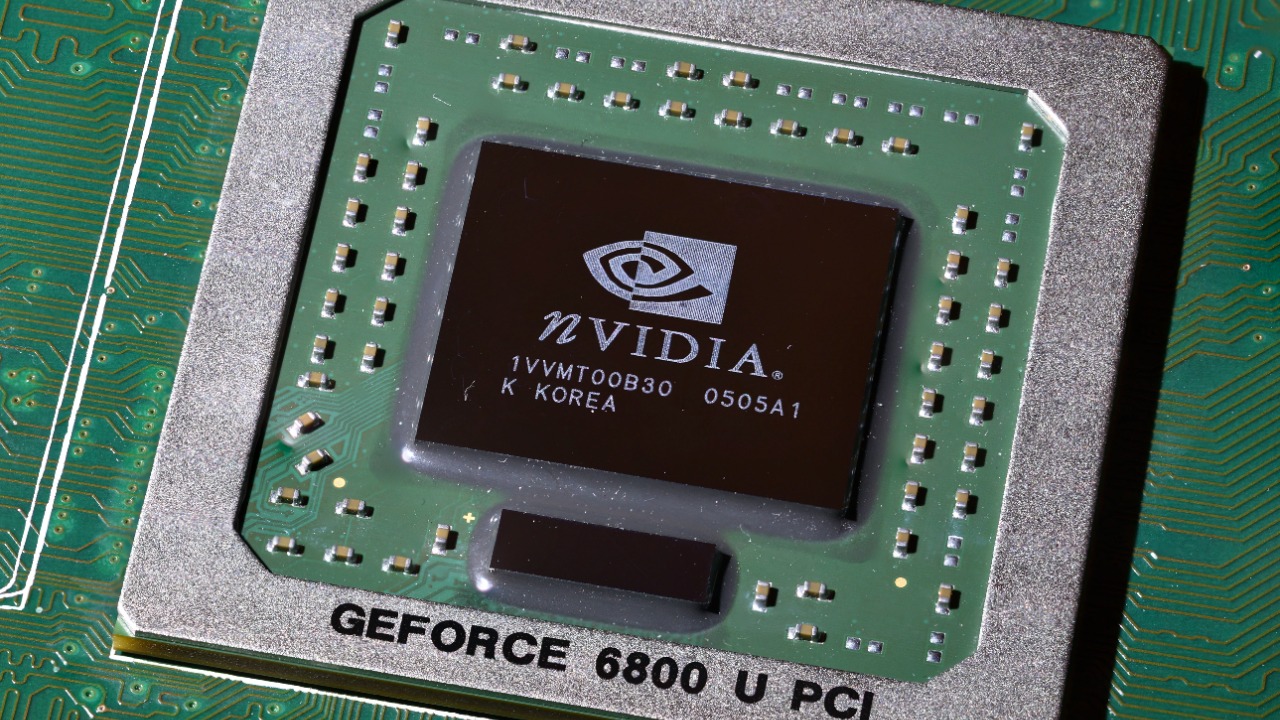
The journey to super-fast chips began with the IT giants relentlessly pursuing advancements in chip technology. The evolution of these chips has been driven by the need to keep up with the increasing demands of artificial intelligence and high-performance computing. Major players such as Intel, AMD, and NVIDIA have been at the forefront of this evolution, propelling the industry towards this new era.
The impact of this development on the AI hardware industry cannot be overstated. From predictive analytics to autonomous vehicles, these super-fast chips are set to catalyze a significant leap in AI capabilities. AI hardware companies are gearing up to harness these advancements and redefine the boundaries of what’s possible with AI.
2. The Mechanics of the Super-Fast Chip
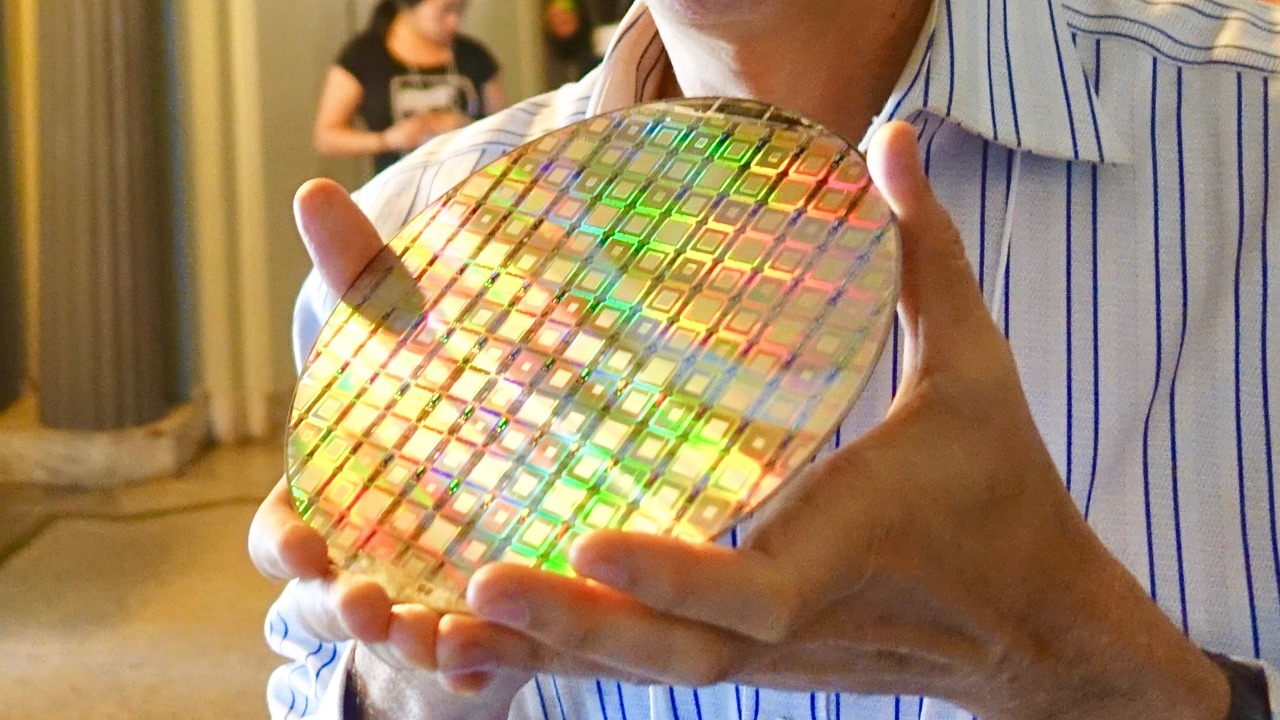
At the heart of these super-fast chips is the revolutionary concept of quantum computing. Unlike traditional computers that use bits (0s and 1s) to process information, quantum computers use quantum bits, or qubits, which can be both 0 and 1 at the same time. This allows quantum computers, and by extension super-fast chips, to process vast amounts of data simultaneously, thus exponentially increasing their speed.
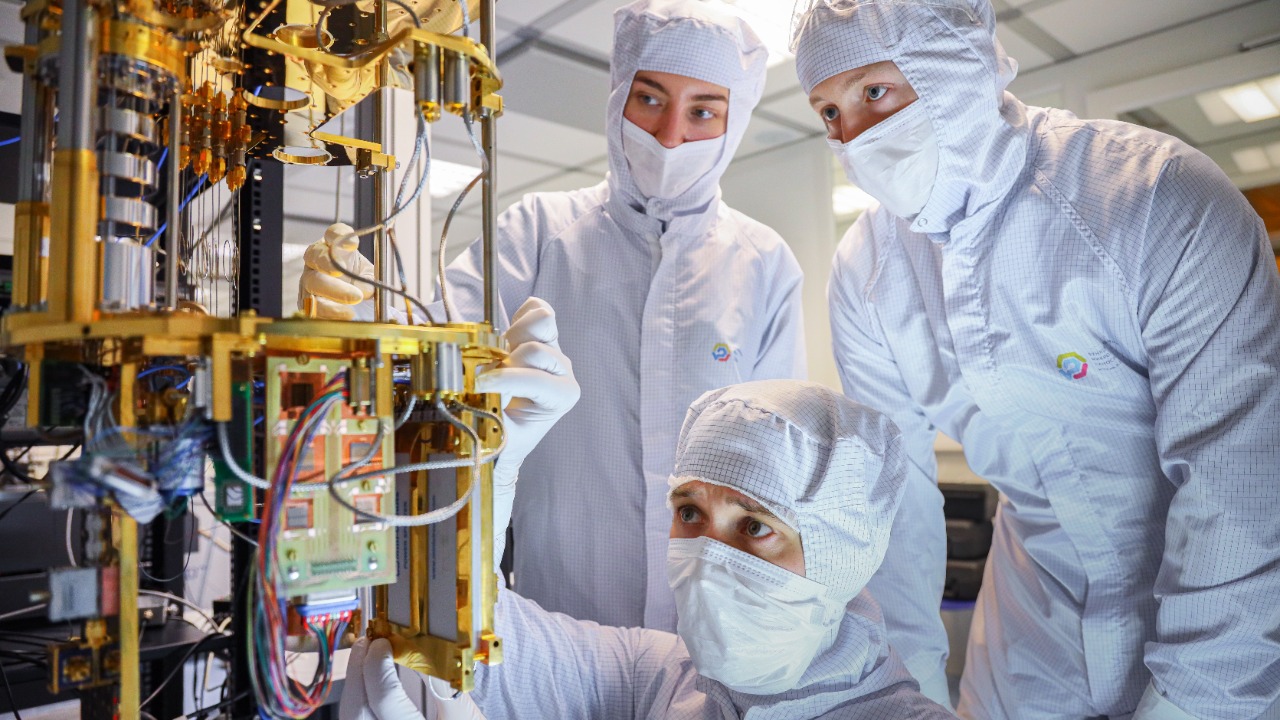
The development of these chips would not have been possible without several technological breakthroughs. For instance, researchers at Cisco developed a chip that can make quantum computing useful more quickly. These innovative strides are setting the stage for a future where super-fast chips become the norm.
3. Comparative Analysis: Traditional Chips vs. Super-Fast Chips
The difference in performance between traditional chips and super-fast chips is staggering. While conventional chips have served us well over the years, their binary nature limits their speed and efficiency. On the other hand, super-fast chips, with their quantum computing capabilities, promise to deliver performance levels that are ten times faster.
However, the adoption and integration of super-fast chips present their own set of challenges. From the need to develop new programming models to the high costs associated with quantum computing, these hurdles must be overcome to fully realize the potential of these chips on a broader scale.
4. Case Study: Google’s Willow Quantum Chip
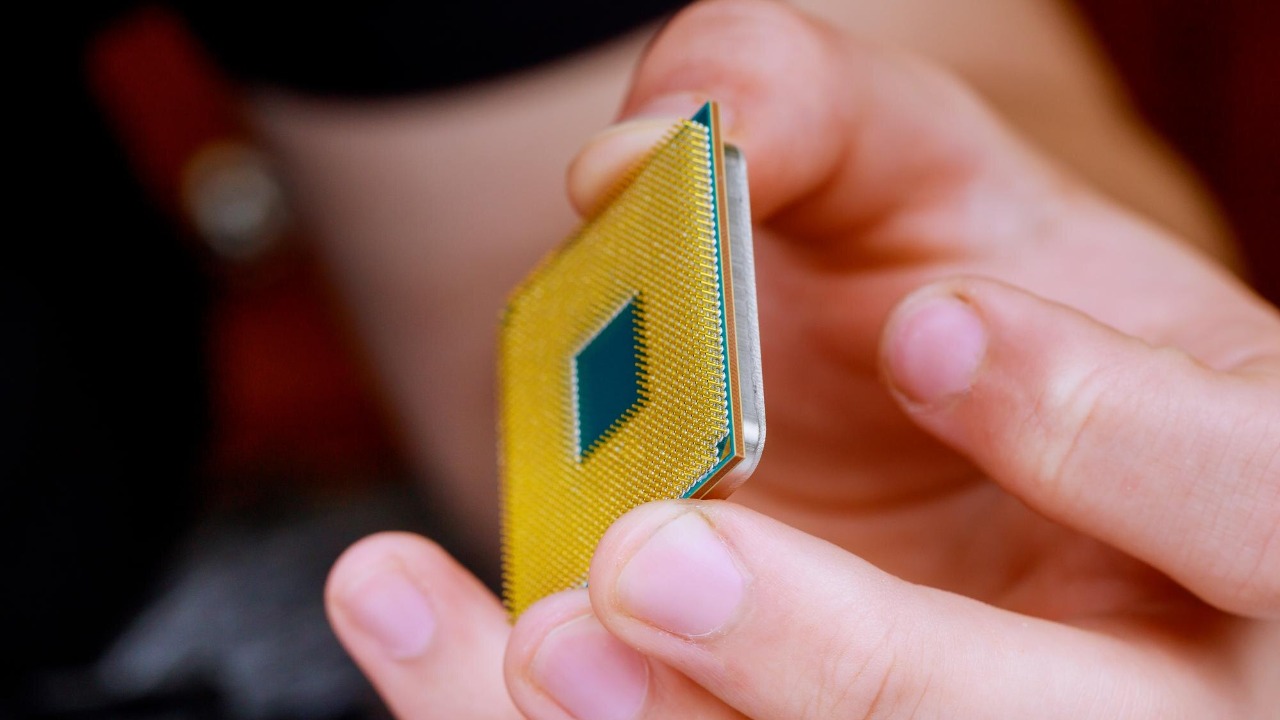
Google’s foray into the world of super-fast chips is embodied by their Willow Quantum chip. This chip represents Google’s ambitious attempt to harness the power of quantum computing. The Willow Quantum chip boasts unique features and capabilities that set it apart in the realm of super-fast chips.
The projected impact of Google’s Willow Quantum chip on the tech industry is significant. If successful, it could catalyze the widespread adoption of quantum computing, paving the way for a future where super-fast chips become the standard.
5. Future Implications and the Impact on the Tech Industry
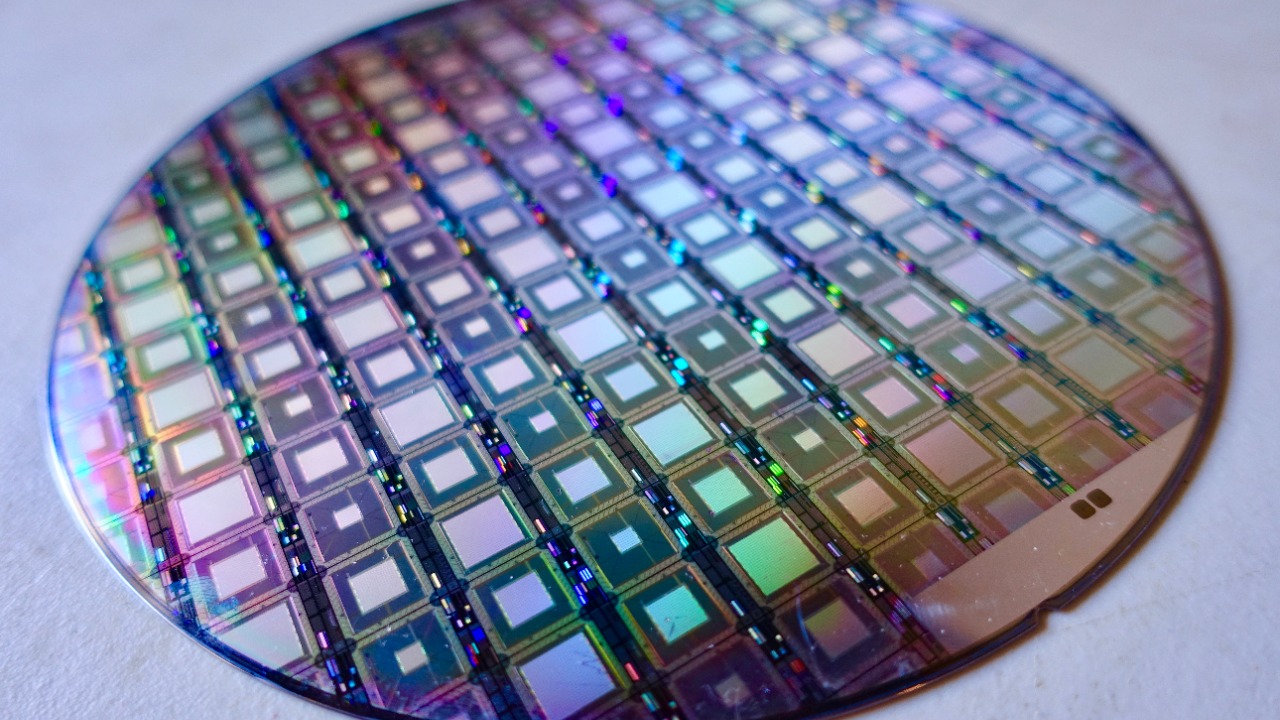
The potential of super-fast chips in shaping the future of computing is immense. From enabling faster data processing to unlocking new possibilities in AI and machine learning, these chips promise to transform the landscape of the tech industry.
Super-fast chips also have significant implications for data centers and cloud computing. Given their speed and efficiency, these chips could revolutionize the way data is stored and accessed, leading to more efficient data centers and potentially lower costs for businesses. The potentially transformative impact of these chips on the tech industry could also have wide-ranging economic implications, fostering innovation and driving economic growth in the tech sector.
