The B-2 Spirit, a marvel of modern military technology, is a stealth bomber that can penetrate sophisticated enemy defenses undetected. Costing approximately $2 billion per unit, this aircraft is a testament to advanced engineering and strategic innovation, enabling the United States to maintain air superiority in complex combat scenarios.
Design and Development
Origins and Purpose
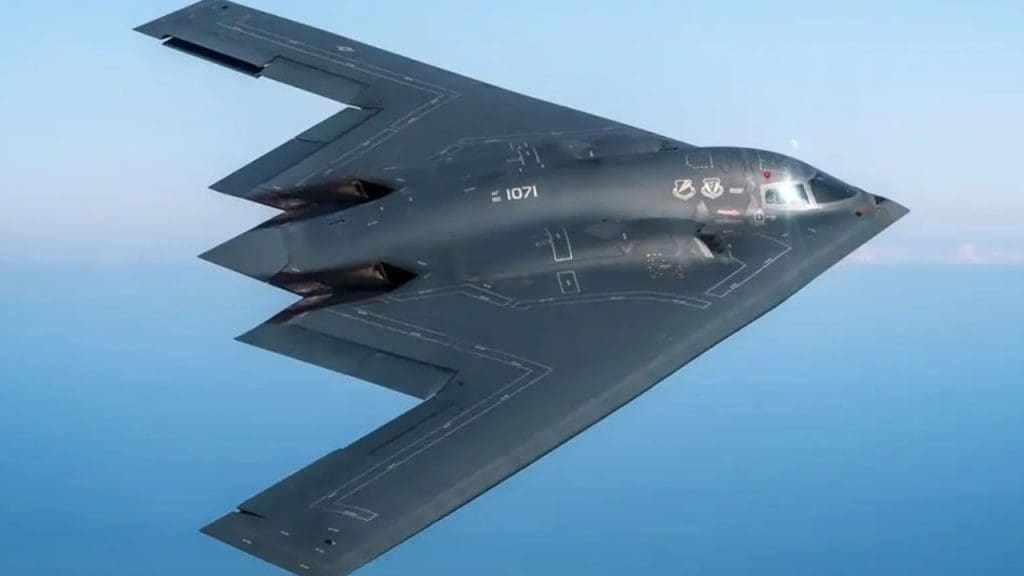
The B-2 Spirit was conceived during the tense years of the Cold War with a primary mission to evade Soviet radar and deliver both nuclear and conventional payloads. This strategic requirement necessitated an aircraft that could operate undetected in hostile environments. As a result, the B-2 was designed to integrate cutting-edge technologies, significantly reducing its radar cross-section and making it almost invisible to enemy detection systems.
Developed by Northrop Grumman, the B-2 emerged as a pivotal component of U.S. defense strategy. Its design reflects the integration of stealth technologies, such as a flying wing structure and radar-absorbing materials, which allow it to perform precision strikes while remaining unseen. This capability ensures the U.S. maintains a strategic edge over adversaries even in today’s rapidly evolving threat environments.
Engineering Marvel
The engineering behind the B-2 Spirit is nothing short of extraordinary. The aircraft’s flying wing design minimizes drag and enhances aerodynamic efficiency, contributing significantly to its stealth capabilities. This design choice not only improves flight performance but also aids in reducing the radar signature, making it a critical element in the aircraft’s ability to evade detection.
Advanced composite materials are used extensively in the construction of the B-2, providing both structural strength and stealth. Additionally, the application of a radar-absorbing coating plays a vital role in reducing the aircraft’s visibility to radar. Together, these features represent a convergence of innovative design and material science, resulting in an aircraft that remains at the forefront of stealth technology.
Stealth Technology
Radar Evasion
The B-2 Spirit employs a unique shape and radar-absorbing materials that scatter and absorb radar waves, making it challenging for enemy radar systems to detect. The aircraft’s engines are strategically buried within the wings to minimize heat signatures, further complicating attempts to track it using infrared systems.
By leveraging these stealth technologies, the B-2 can penetrate even the most sophisticated air defense networks undetected. Its ability to remain unseen while delivering payloads is a critical factor in its operational success, allowing it to fulfill its mission objectives without engaging in direct combat with enemy forces.
Electronic Warfare Systems
Equipped with advanced electronic countermeasure systems, the B-2 can effectively jam and deceive enemy radar and communication systems. This electronic warfare capability ensures the bomber can operate in contested environments by confusing and disrupting enemy defenses.
The integration of state-of-the-art sensors and software enables the B-2 to continuously update and adapt to new threats in real-time. This dynamic capability ensures that the aircraft remains effective against evolving adversary technologies, maintaining its role as a key asset in modern warfare.
Operational Capabilities
Global Reach
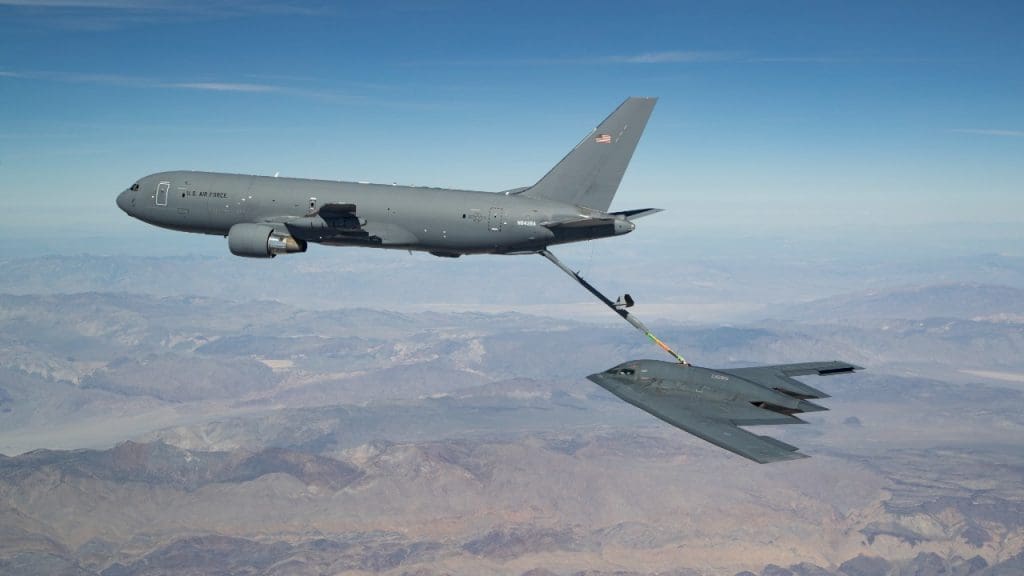
The B-2 Spirit’s operational capabilities are underscored by its impressive range of over 6,000 nautical miles without refueling. This allows the aircraft to strike targets globally from U.S. bases, providing unmatched strategic flexibility. Additionally, the bomber’s mid-air refueling capabilities extend its mission range, supporting long-duration sorties in hostile environments.
This global reach is essential for ensuring the U.S. can project power and respond to threats anywhere in the world. The ability to perform extended missions without compromising on stealth or operational effectiveness is a testament to the B-2’s advanced design and engineering.
Versatile Payload
The B-2 Spirit is capable of carrying both nuclear and conventional weapons, including precision-guided munitions. This versatility enables it to engage in a wide range of missions, from strategic bombing to tactical precision strikes. The aircraft’s payload capacity, combined with its stealth features, allows it to adapt to various operational requirements effectively.
Whether tasked with delivering a nuclear deterrent or conducting a precision strike against a high-value target, the B-2’s ability to do so while remaining undetected is a critical component of its operational value. This flexibility ensures that the aircraft can meet the demands of modern warfare, maintaining its relevance in an ever-changing strategic landscape.
Strategic Importance
Deterrence and Power Projection
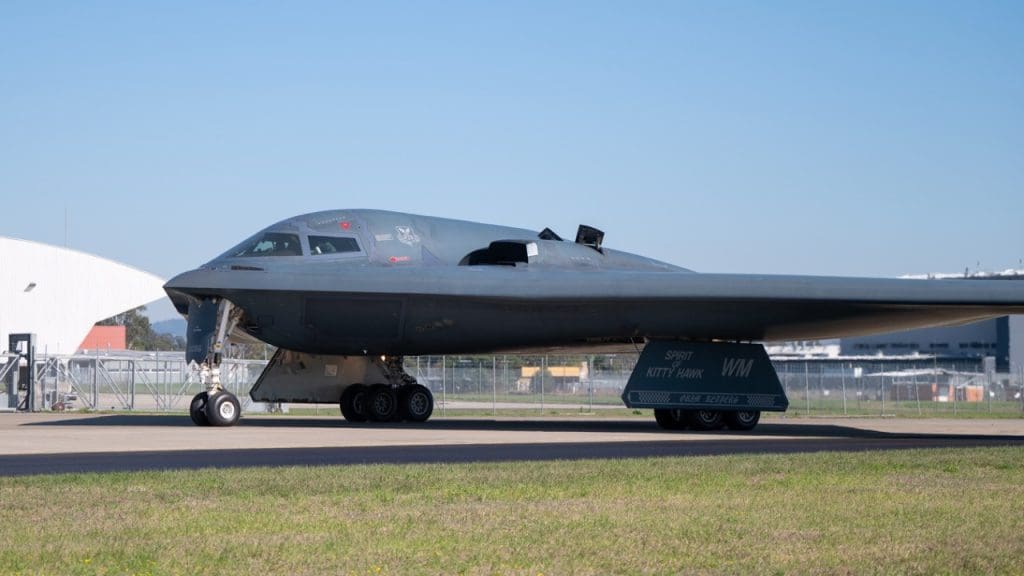
As a key component of the U.S. nuclear triad, the B-2 Spirit serves as a powerful deterrent against potential adversaries. Its ability to penetrate advanced air defense systems ensures that the U.S. can project power anywhere in the world, reinforcing its strategic position on the global stage.
The deterrent effect of the B-2 is further enhanced by its capacity to deliver nuclear payloads, providing a credible response option in the event of a nuclear threat. This capability is central to the U.S.’s defense posture, ensuring that it can effectively deter aggression and maintain stability in international relations.
Modernization and Future Role
To maintain its edge in evolving threat environments, the B-2 Spirit undergoes ongoing upgrades to its avionics, communication systems, and defensive capabilities. These modernization efforts ensure that the aircraft remains effective against new and emerging threats, preserving its operational relevance.
The B-2 continues to play a crucial role in U.S. defense strategy, with plans for it to complement the future B-21 Raider. As new technologies emerge and the global security landscape evolves, the continued development and integration of advanced capabilities into the B-2 will ensure that it remains a cornerstone of U.S. military power for years to come.
