Recent scientific analysis has revealed a startling phenomenon: the main asteroid belt of our solar system, located between Mars and Jupiter, is slowly disappearing. This belt, home to over 1.9 million large rocks, is undergoing a fading process with significant mass loss, as uncovered by scientists.
Composition of the Main Asteroid Belt
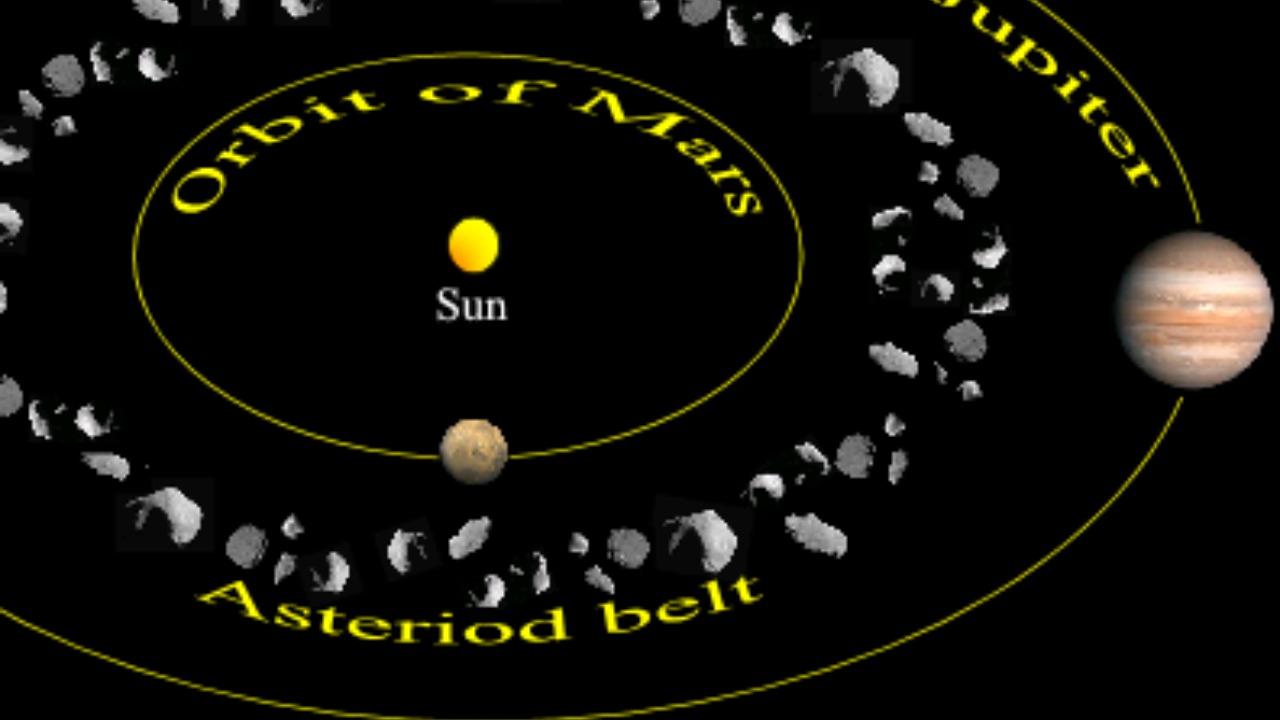
The main asteroid belt of our solar system is a vast region filled with over 1.9 million large rocks, according to Interesting Engineering. This belt is not just a random collection of rocks; it is a structured region of our solar system, with its constituents primarily located between Mars and Jupiter, as reported by Notebookcheck.
Interestingly, despite the large number of asteroids, the total mass of the asteroid belt is relatively small. If all the asteroids were combined, they would form a body smaller than Earth’s moon. This points to the fact that the asteroid belt is not a failed planet, but rather a region where planet formation was disrupted by Jupiter’s strong gravity, as suggested by Interesting Engineering.
Evidence of Slow Disappearance
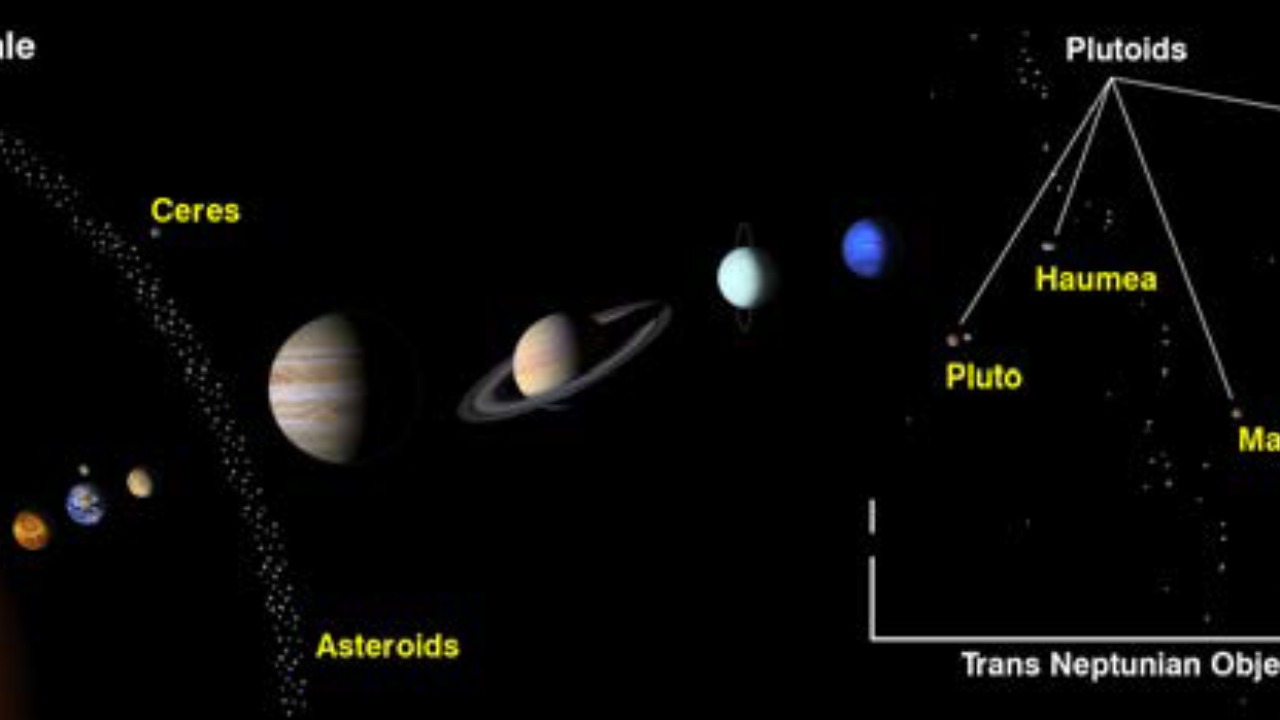
Observational data suggests that the main asteroid belt of our solar system is slowly disappearing. This is not a sudden event but a slow disappearing act that has been documented through long-term monitoring, as reported by Universe Today. A study has further confirmed this phenomenon, finding that the asteroid belt is slowly fading over time, according to NDTV.
However, it’s important to note that the disappearance of the asteroid belt is not a cause for alarm. At the current rate, it would take billions of years for the asteroid belt to completely disappear. Furthermore, the loss of mass is not uniform across the belt. Some regions are losing mass faster than others, leading to changes in the belt’s overall structure and composition, as reported by NDTV.
Scientific Uncovering of Mass Loss
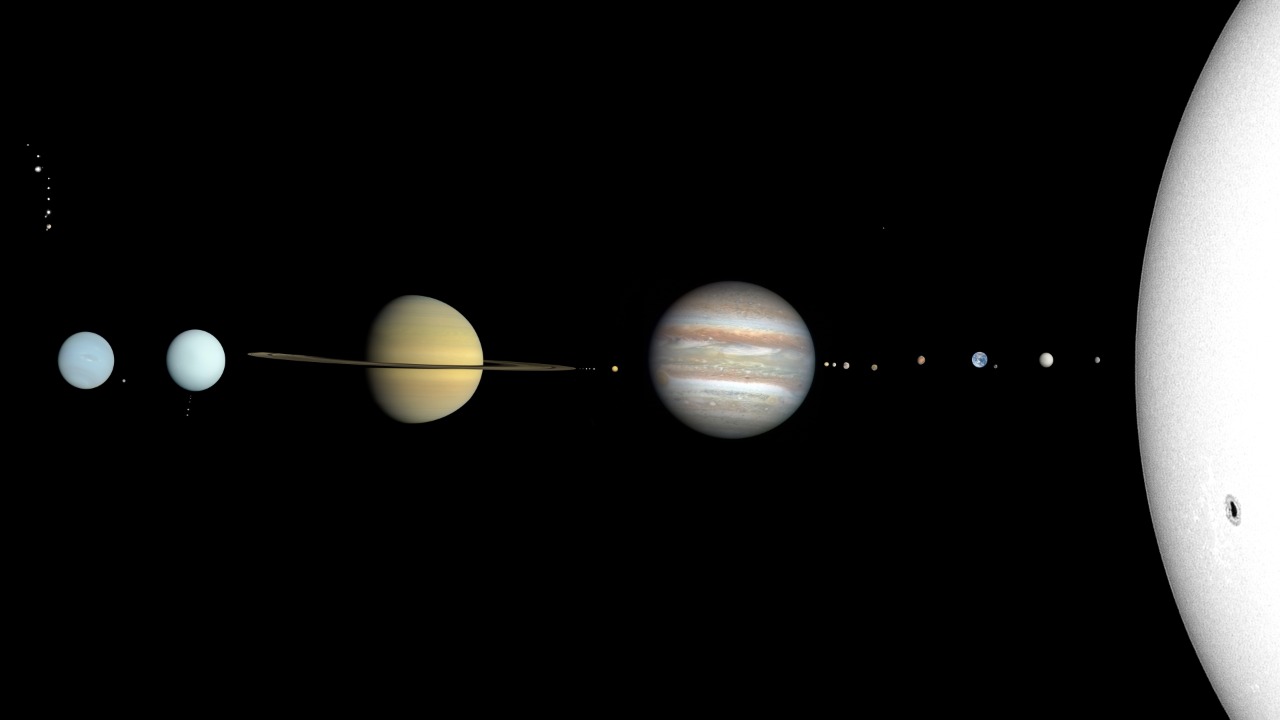
Scientists have uncovered a startling mass loss in the asteroid belt of our Solar System, as reported by Moneycontrol. This mass loss is not a sudden event but a gradual reduction in the belt’s overall mass. The fading process involves a slow but steady decrease in the number and size of the asteroids in the belt.
The discovery of mass loss in the asteroid belt also raises new questions about the solar system’s past and future. For example, what processes led to the initial formation of the asteroid belt, and how have these processes changed over time? What will the future of the asteroid belt look like, and what implications will this have for the rest of the solar system? These are some of the questions that scientists are currently investigating, as reported by Moneycontrol.
Timeline of Recent Reporting
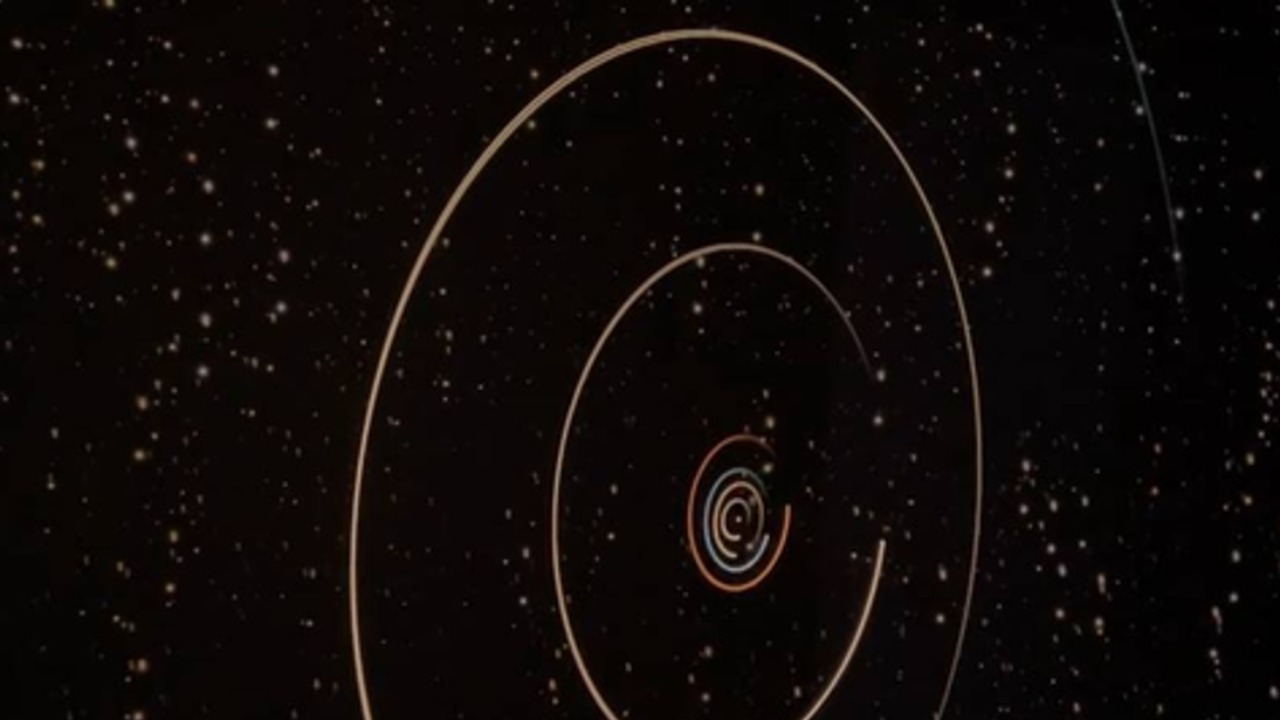
Reporting on the asteroid belt’s slow disappearing act was first published on Universe Today. Shortly after, a study finding the asteroid belt slowly fading was reported by NDTV. Coverage of the main asteroid belt slowly disappearing was later reported by Notebookcheck.
The reporting has also highlighted the collaborative nature of scientific research. The discovery of the asteroid belt’s disappearance was made possible by the combined efforts of astronomers, planetary scientists, and data analysts from around the world. This collaboration is a testament to the power of scientific cooperation in advancing our understanding of the universe, as reported by Universe Today.
Mechanisms Behind the Fading
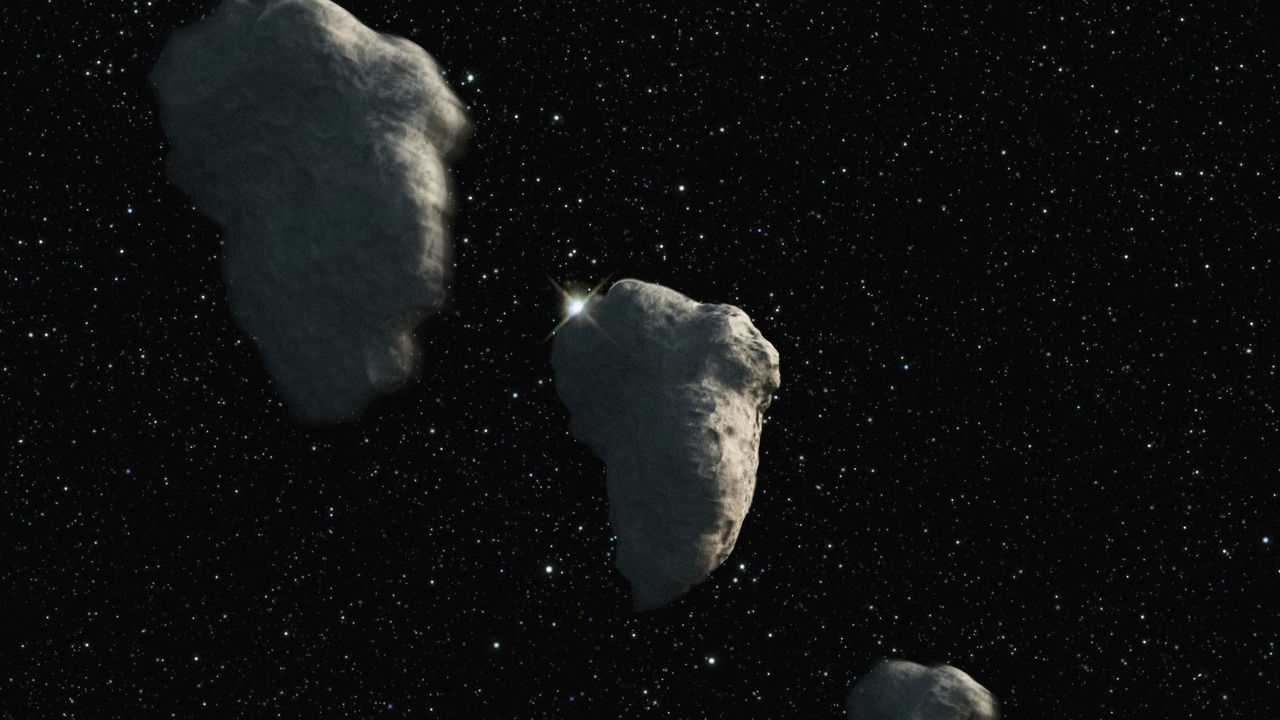
The solar system’s asteroid belt is slowly disappearing due to dynamical processes affecting its rocks, as reported by Interesting Engineering. These processes, along with the startling mass loss, contribute to the asteroid belt fading in our Solar System, according to Moneycontrol.
These processes are not unique to the asteroid belt; they are common throughout the solar system. However, their effects are particularly noticeable in the asteroid belt due to its large number of small bodies. Understanding these processes is crucial for predicting the future evolution of the asteroid belt and the solar system as a whole, as reported by Interesting Engineering.
Implications for Solar System Dynamics
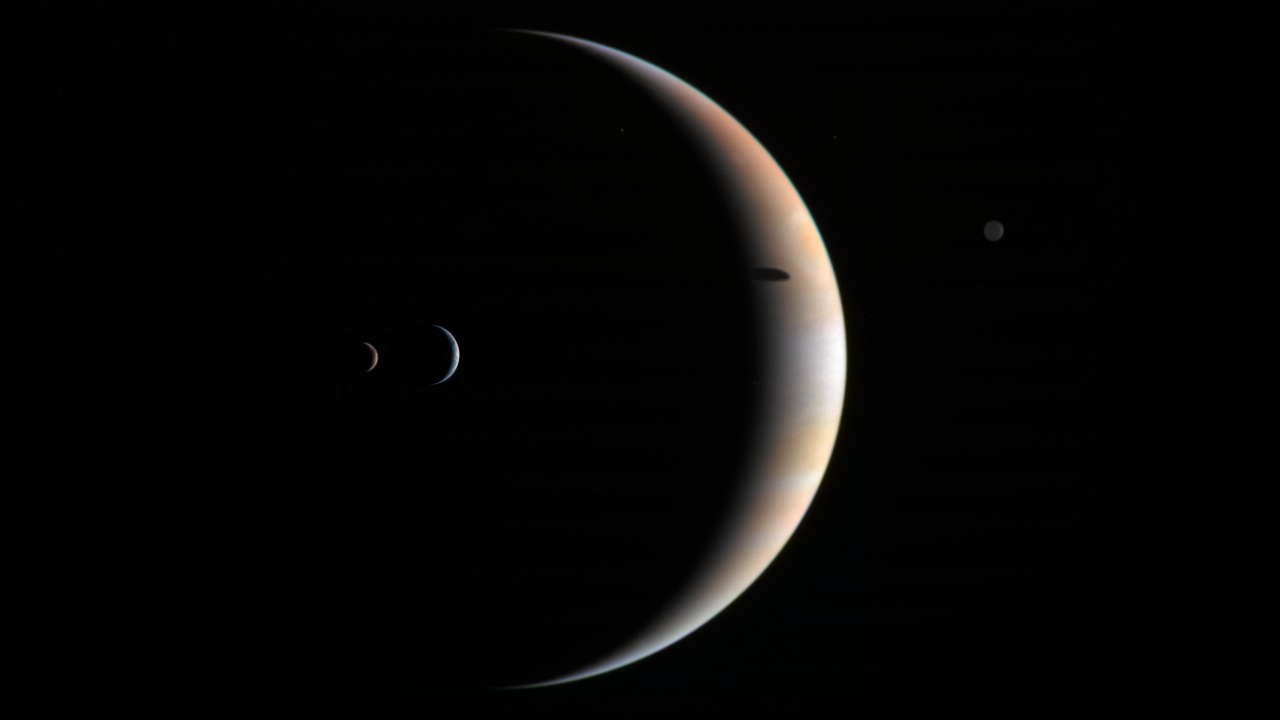
The slow fading of the asteroid belt, which houses over 1.9 million large rocks, may alter planetary influences, as reported by Interesting Engineering. Scientists’ findings on mass loss highlight ongoing changes in the main asteroid belt’s structure, which could have significant implications for our understanding of the solar system’s dynamics, according to Moneycontrol.
Furthermore, the disappearance of the asteroid belt could provide clues about the solar system’s past. By studying the current state of the asteroid belt and projecting its evolution backwards in time, scientists can gain insights into the conditions that prevailed in the early solar system. This could help answer fundamental questions about the formation and evolution of planets, as reported by Moneycontrol.
