As the potential of artificial intelligence (AI) continues to unfold, it is being integrated into diverse industries in innovative ways. A significant area of exploration is the aviation industry, where airlines are experimenting with AI copilots to augment safety and efficiency.
The Concept of AI Copilots

An AI copilot, as the name implies, is a software system designed to assist human pilots in operating aircraft. It employs cutting-edge AI technologies to process massive amounts of data in real-time, making informed decisions and recommendations. With capabilities like pattern recognition, predictive analytics, and machine learning, an AI copilot can anticipate potential issues and suggest proactive measures. Microsoft Edge provides a fitting example of a digital assistant that offers guidance and support, akin to an AI copilot.
However, the integration of AI in aviation is not without its challenges. Concerns around technology reliability, cybersecurity, and ethical considerations, such as decision-making in emergency situations, will need to be addressed. Balancing the benefits of AI copilots with these potential drawbacks is a critical task for the aviation industry.
Case Study: KC-135 Tanker with AI Copilot
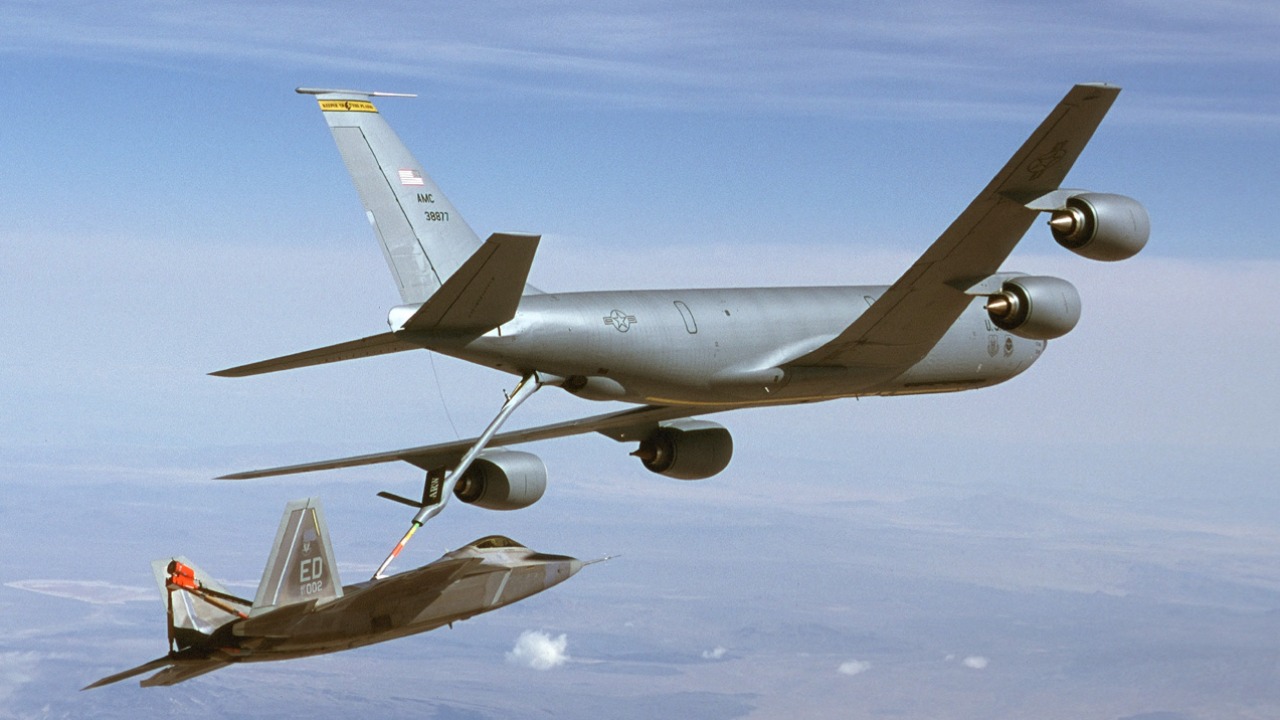
The KC-135 tanker with an AI copilot project is a recent development that showcases the possibilities of AI in aviation. Detailed in this TWZ report, the project aims to improve flight safety and efficiency. The AI copilot is expected to handle a variety of tasks, from mundane operational details to critical flight decisions, freeing up the human pilots to focus on strategic tasks and decision-making.
The KC-135 project is still in its early stages, with a full implementation timeline yet to be announced. However, the project’s progress will undoubtedly offer valuable insights into the practical application of AI copilots and the challenges they may present.
The Role of AI in Enhancing Aviation Safety
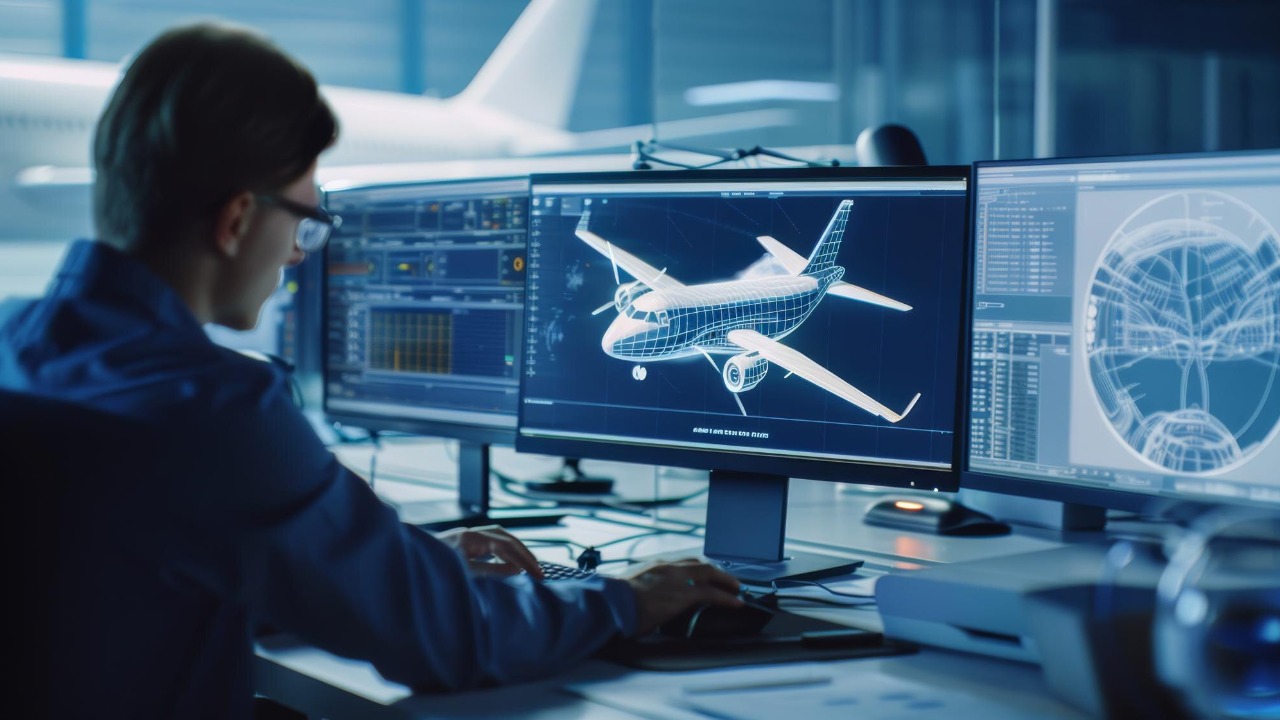
One of the primary motivations for integrating AI into aviation is to enhance safety. By processing vast amounts of data in real-time, AI can predict potential issues and suggest preventive measures. CapTechU provides further insights into how AI can improve aviation safety, including predictive maintenance and real-time weather forecasting.
Furthermore, AI can help reduce human error, a significant factor in many aviation incidents. By providing additional support and oversight, an AI copilot can ensure that critical procedures are followed, and errors are minimized.
The Potential Impact on Single-Pilot Flights
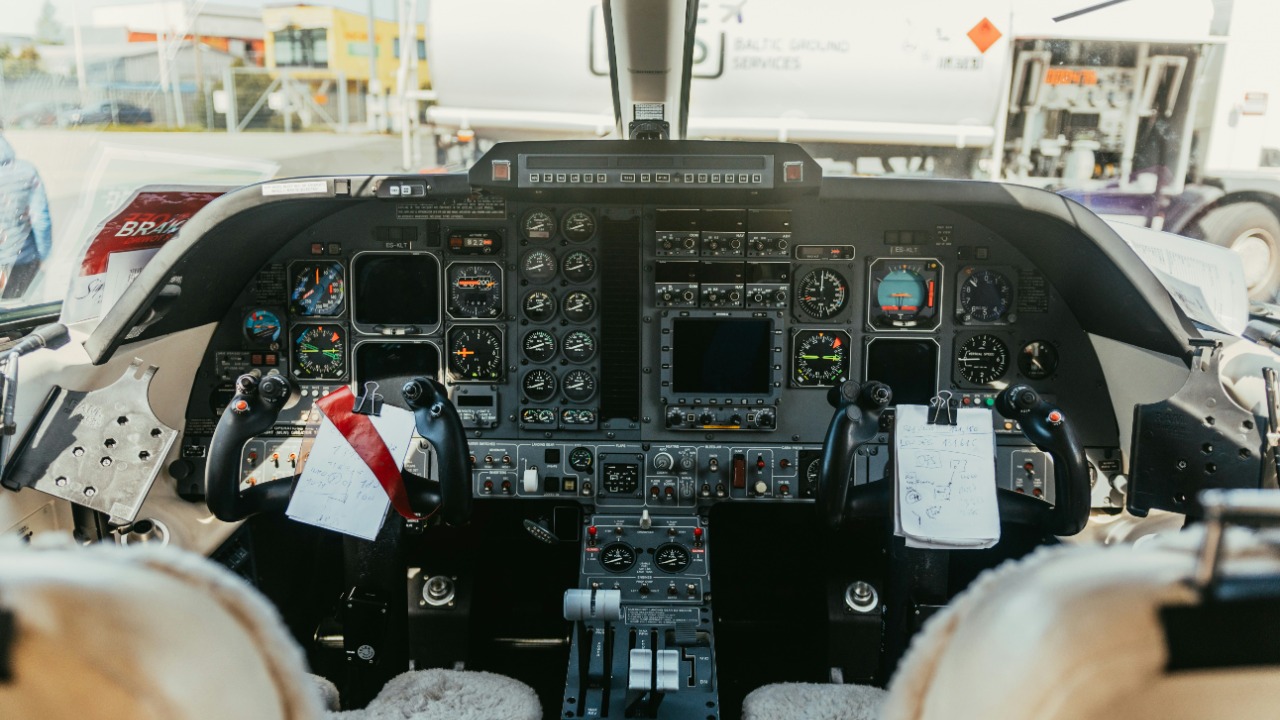
AI copilots could have a significant impact on single-pilot flights. By taking on many of the tasks typically handled by a human copilot, AI could make single-pilot operations safer and more efficient. An Interesting Engineering article delves into how AI can support single-pilot flights, including managing systems, handling communications, and providing decision-making support.
However, this development could also necessitate changes in pilot training, focusing more on understanding and working with AI. Moreover, the reliance on AI could potentially introduce new risks, such as cybersecurity threats and the potential for system failures.
Future Implications of AI in Aviation
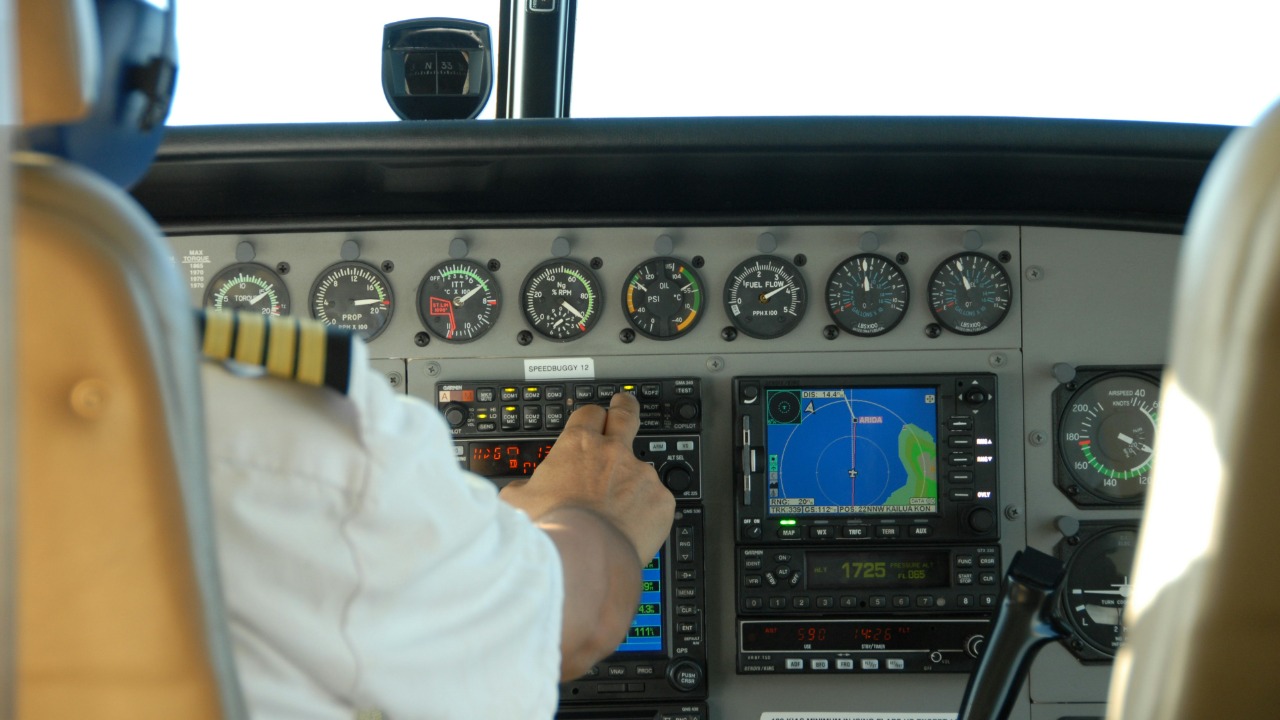
AI has the potential to revolutionize the aviation industry. As technology continues to advance, we may see AI copilots becoming a standard feature in cockpits. However, this future will not be without its challenges. Ethical considerations, such as AI’s role in decision-making during emergencies, will need careful consideration and regulation.
As highlighted in this McKinsey report, the future of AI in the cockpit could see it taking on an increasingly active role. Over the next 5, 10, or 20 years, we may see AI copilots handling more tasks and making more decisions, potentially transforming the aviation industry.
The Role of Regulatory Bodies

Regulatory bodies will play a crucial role in the integration of AI in aviation. These organizations will be responsible for ensuring the safety and efficacy of AI copilots, setting standards, conducting inspections, and enforcing regulations.
However, the fast-paced nature of AI development presents significant regulatory challenges. Creating regulations that are both effective and flexible enough to accommodate future advancements will be a critical task. Despite these challenges, with careful oversight and regulation, AI has the potential to significantly enhance safety and efficiency in aviation.
