The recent U.S. military actions in Iran have cast a spotlight on the advanced aircraft utilized in the operation. By examining the U.S. strike platforms involved, one can appreciate the capabilities and strategic importance these aircraft hold in modern warfare. From stealth bombers to fighter jets and drones, each platform plays a critical role in executing precise and effective military operations.
The Role of B-2 Bombers
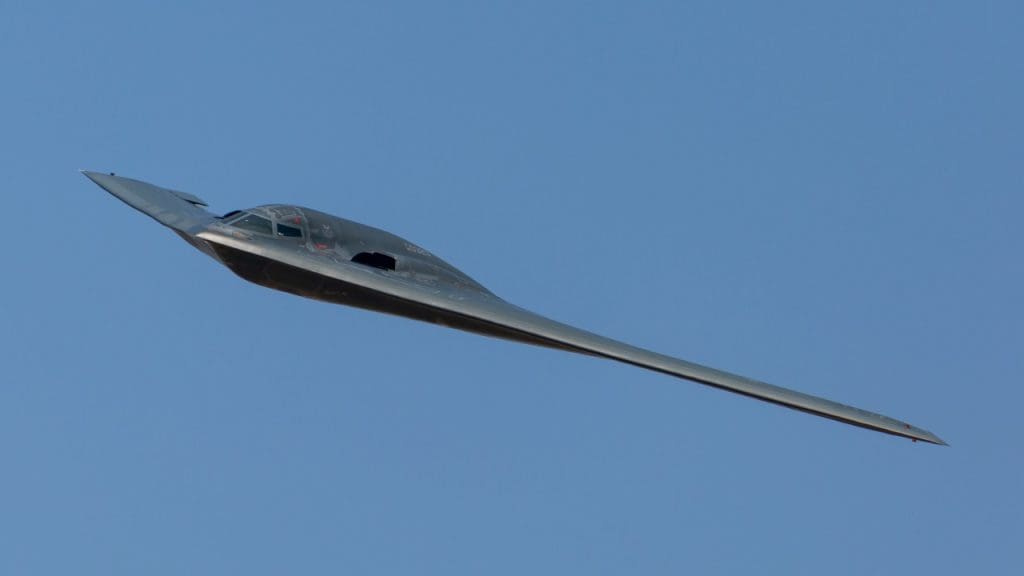
The B-2 bomber stands out for its stealth capabilities, which are crucial in evading enemy radar systems. Its unique design allows it to penetrate heavily defended airspaces without detection, making it an invaluable asset during surprise attacks. This feature is particularly advantageous in regions where air defense systems are robust and sophisticated.
In addition to its stealth, the B-2 is known for its impressive precision and payload capabilities. It can carry a wide array of munitions, including bunker busters, which are essential for targeting fortified locations such as underground facilities. These capabilities make the B-2 a strategic choice for missions that require high accuracy and significant destructive power.
Strategically, deploying B-2 bombers in the Middle East serves not only military objectives but also geopolitical ones. Their presence signals a strong U.S. commitment to maintaining regional stability and power dynamics, which can have a deterrent effect on potential adversaries. This strategic deployment influences regional power structures and reassures allies of U.S. military support.
Fighter Jets in Action
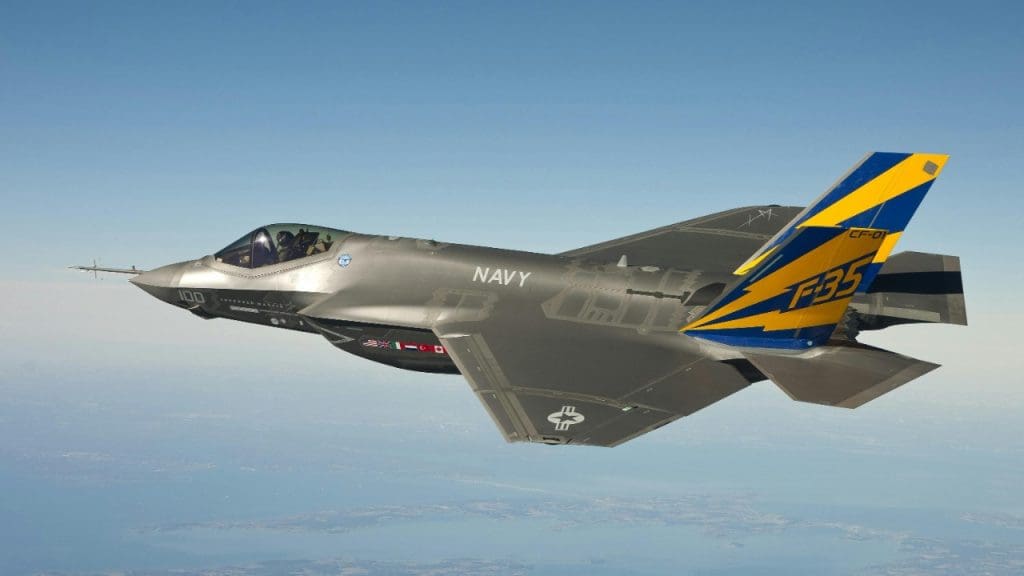
The F-35 Lightning II plays a pivotal role in achieving air superiority. Its advanced avionics and stealth capabilities make it a formidable opponent in air combat, while its integration with other strike platforms enhances operational effectiveness. The F-35’s versatility allows it to adapt to various mission requirements, making it a key player in coordinated military operations.
Meanwhile, the F-15E Strike Eagle demonstrates exceptional versatility by efficiently conducting both air-to-air and air-to-ground missions. Its ability to switch roles quickly adds a layer of flexibility to strike operations, allowing military planners to adapt to changing battlefield conditions. This adaptability is crucial for maintaining operational momentum and achieving mission objectives.
Coordination between fighter jets, bombers, and drones is essential for the success of complex military operations. By working in tandem, these platforms can perform a range of functions from air defense suppression to direct engagement with enemy forces, ensuring a comprehensive approach to mission execution.
Drone Warfare: The Unmanned Advantage
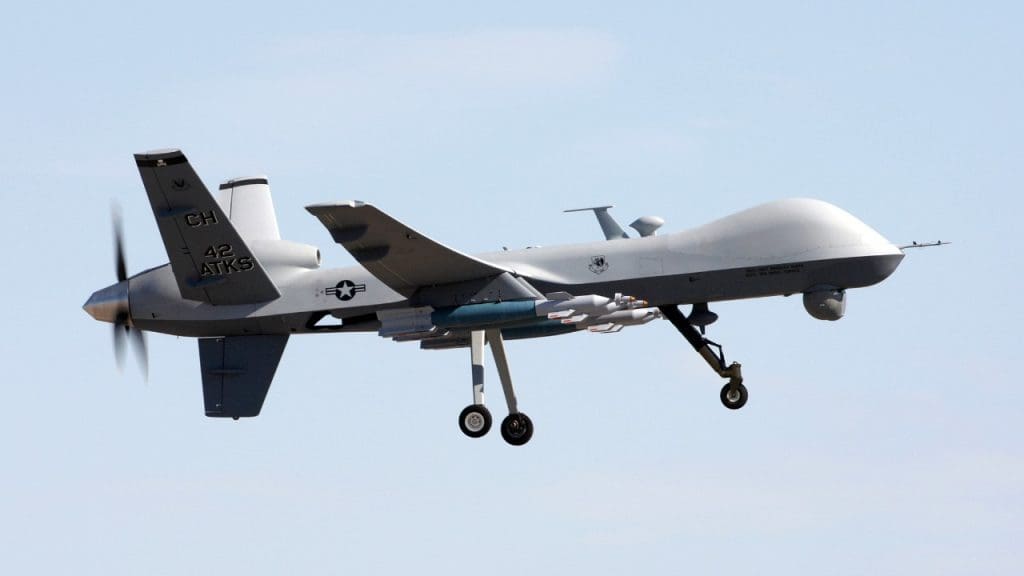
The MQ-9 Reaper drones have become indispensable in modern military operations due to their capabilities in reconnaissance, targeting, and delivering precision strikes. These drones provide real-time intelligence and can engage targets independently, thereby reducing the risk to human pilots and increasing operational reach.
Drones offer several advantages, including the ability to operate in environments that might be too dangerous for manned aircraft. Their unmanned systems reduce the risk to personnel and allow for extended missions without the need for rest or refueling. This capability is particularly useful in prolonged operations where sustained surveillance and strike capabilities are required.
The integration of drones with manned aircraft enhances situational awareness and operational effectiveness. By providing additional intelligence and strike capabilities, drones act as force multipliers, enabling a more dynamic and responsive approach to military engagements.
Logistical and Support Aircraft
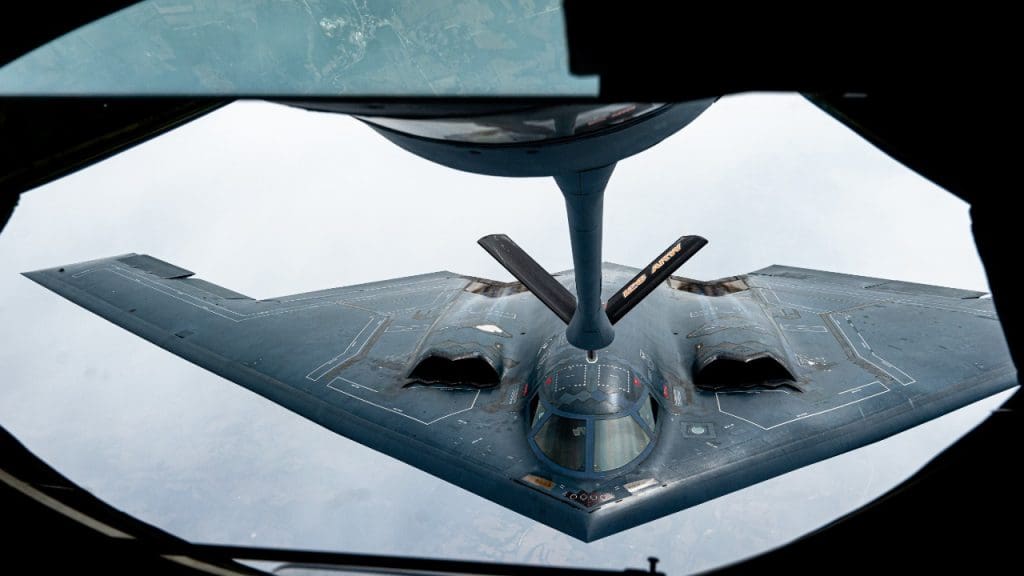
Aerial refueling aircraft like the KC-135 Stratotanker are vital for extending the operational range of strike platforms. By allowing aircraft to remain airborne longer, these tankers ensure that missions can be sustained over greater distances, increasing the reach and impact of military operations.
Aircraft dedicated to electronic warfare and surveillance play a crucial role in supporting strike missions. By providing intelligence and disrupting enemy communications, these platforms enhance the effectiveness of strike operations, ensuring that aircraft can operate in contested environments with reduced risk.
The logistics of deploying and sustaining aircraft operations in overseas theaters is a complex undertaking that requires careful planning and execution. Transport aircraft ensure that personnel, equipment, and supplies are delivered efficiently, supporting the overall mission and enabling sustained operations in remote locations.
The Strategic Implications of U.S. Airstrikes
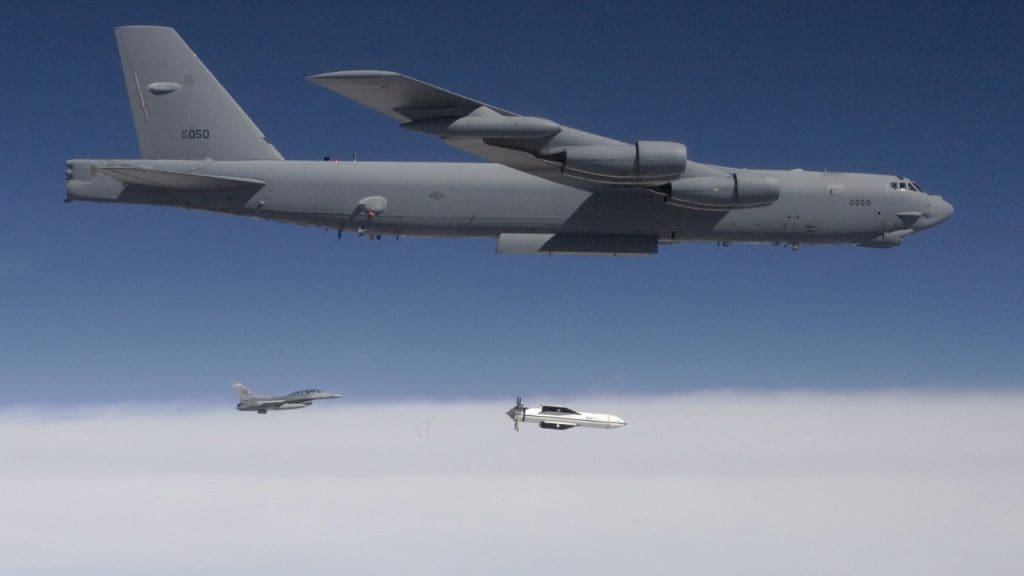
Airstrikes serve as a powerful tool for deterrence and power projection, demonstrating U.S. military capabilities to adversaries and allies alike. By showcasing advanced technologies and precision strike capabilities, the U.S. can influence global power dynamics and reaffirm its commitment to maintaining international security.
The impact of these airstrikes on U.S.-Iran relations is significant, as they add another layer of complexity to an already tense geopolitical landscape. While serving immediate military objectives, these actions can also affect diplomatic efforts and regional stability, necessitating careful consideration of long-term implications.
Looking ahead, advancements in aircraft technology and tactics will continue to shape the future of aerial warfare. As new capabilities are developed, military planners will need to adapt strategies to leverage these innovations, ensuring that airpower remains a decisive element in military operations.
