Tesla’s Full Self-Driving software is on the cusp of a significant update, a development that builds on the company’s recent robotaxi launch. This progression comes after a decade of self-driving promises from Elon Musk, with the timeline now entering its 11th year.
Elon Musk’s Long-Standing Self-Driving Promises
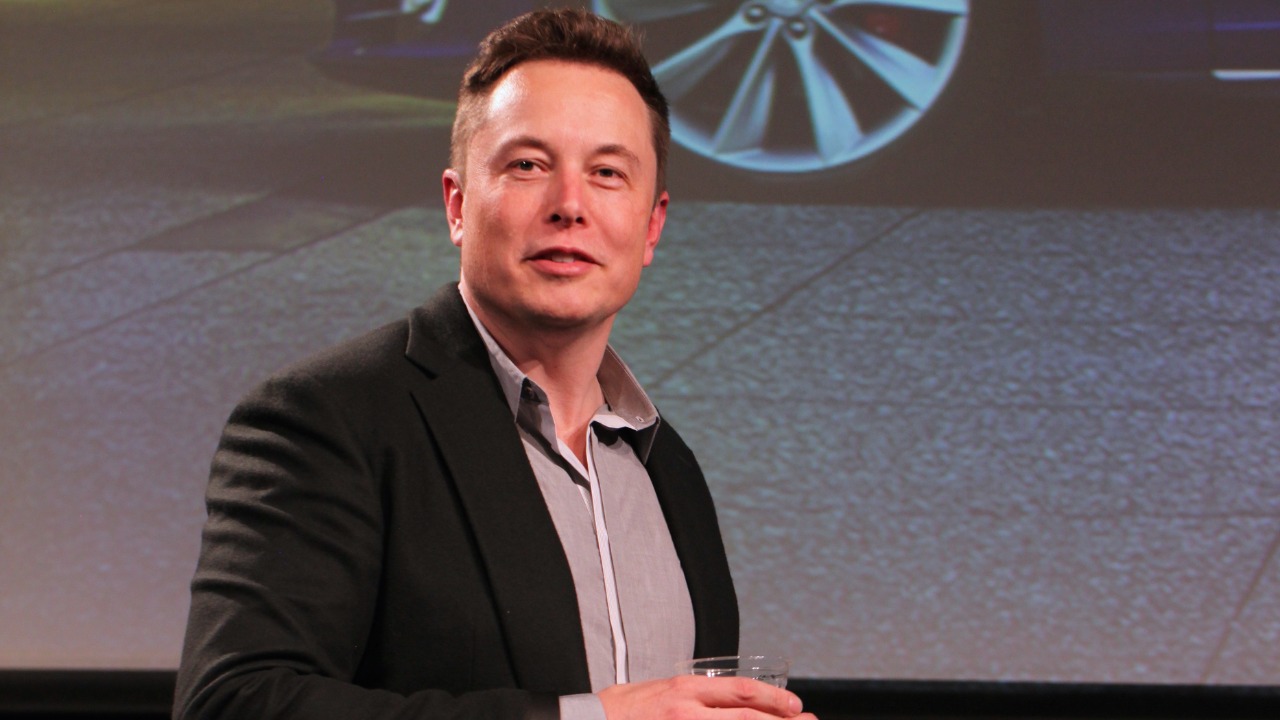
Elon Musk has been a vocal advocate for self-driving technology for over a decade. His vision for autonomous vehicles has been a driving force behind Tesla’s Autopilot and Full Self-Driving features, which have seen continuous improvements over the years (Jalopnik). Despite the progress, the journey towards full autonomy has been marked by key milestones and delays.
As of October 10, 2024, Musk’s self-driving timeline entered its 11th year. The journey has been a blend of technological advancements, regulatory hurdles, and public skepticism. Yet, Tesla has remained steadfast in its pursuit of full autonomy, with each year bringing the company closer to its goal (Jalopnik).
Musk’s commitment to self-driving technology has been unwavering, despite the challenges. His belief in the transformative potential of autonomous vehicles has been a guiding principle for Tesla’s development teams. This has led to the creation of innovative features such as Autosteer, Traffic-Aware Cruise Control, and Navigate on Autopilot, all of which have been instrumental in shaping Tesla’s self-driving journey (Jalopnik).
Moreover, Musk’s self-driving promises have not been limited to Tesla’s passenger vehicles. He has also hinted at the potential for autonomous Tesla Semi trucks and the futuristic Cybertruck. These developments indicate that Musk’s vision for self-driving technology extends beyond personal transportation, potentially disrupting the freight and utility vehicle sectors as well (Jalopnik).
The Robotaxi Launch Event
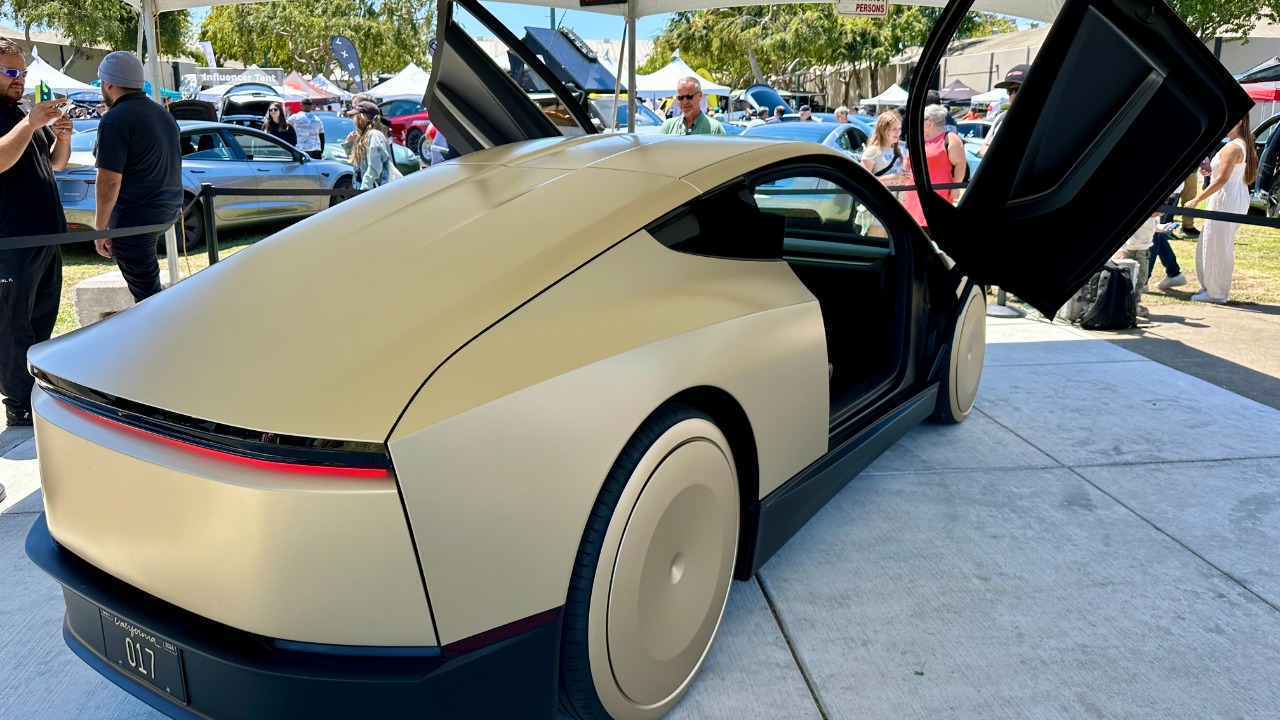
On June 22, 2025, Tesla made a significant stride towards its self-driving vision with the launch of its robotaxi service. Spearheaded by Musk, the launch event set the stage for a new era of autonomous mobility, with the robotaxis leveraging Tesla’s Full Self-Driving technology (Quartz).
The robotaxi rollout is expected to revolutionize urban mobility. By integrating with Tesla’s existing self-driving software, the robotaxis promise to offer a seamless and efficient transportation solution. The potential impact on urban mobility is immense, with the service poised to reduce traffic congestion and carbon emissions (Quartz).
The launch event was a spectacle that showcased not just the robotaxis themselves, but also the underlying technology that powers them. Musk took the opportunity to explain the intricacies of Tesla’s Full Self-Driving software, emphasizing its ability to learn and adapt to different driving conditions and scenarios (Quartz).
Furthermore, the event highlighted the potential economic implications of the robotaxi service. Musk suggested that the service could provide a new income stream for Tesla owners, who could potentially earn money by allowing their vehicles to join the robotaxi fleet when not in use. This unique business model could disrupt traditional taxi and ride-sharing services, further cementing Tesla’s position as a pioneer in the automotive industry (Quartz).
Initial Robotaxi Deployment and Impressions
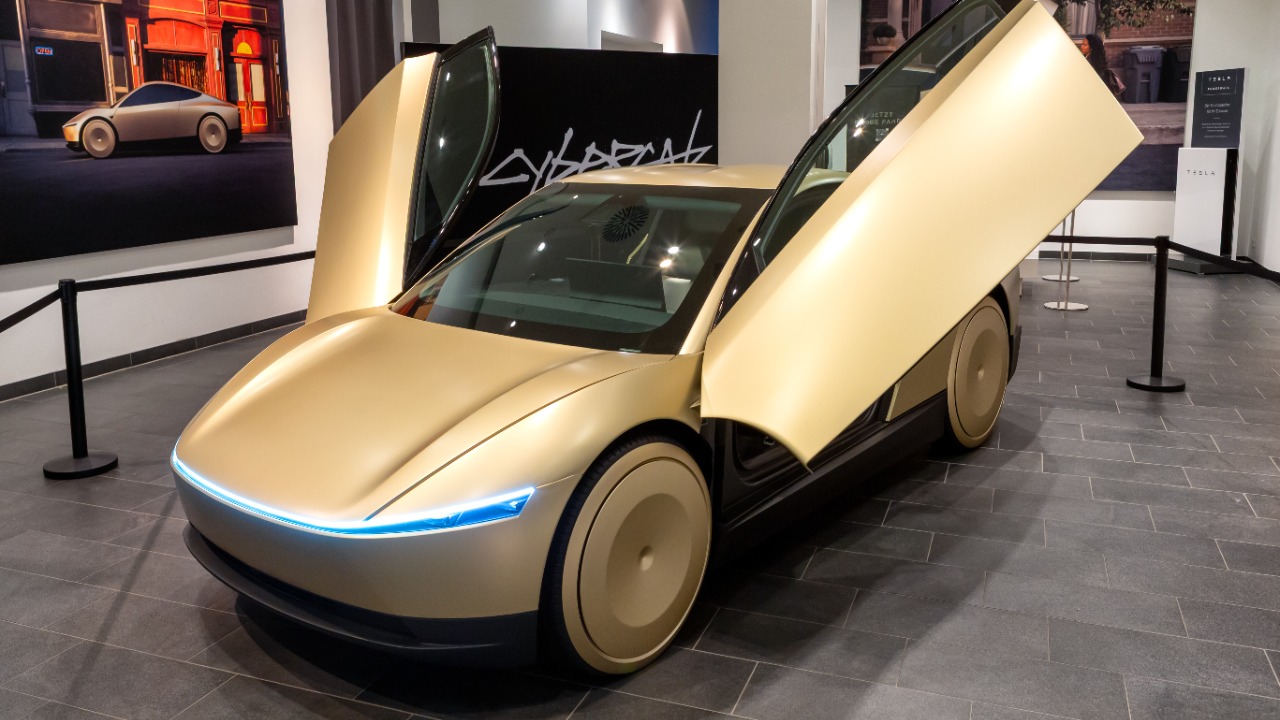
The day after the launch, on June 23, 2025, Tesla’s robotaxi service went live in Austin. This marked the first real-world operational phase of the service, providing a tangible demonstration of Tesla’s autonomous capabilities (InsideEVs).
Initial video impressions of the robotaxi service in Austin have been promising. The performance, user experiences, and early feedback on safety and efficiency have been largely positive, suggesting that Tesla’s robotaxi service could indeed be a game-changer in the realm of urban mobility (InsideEVs).
Austin, a city known for its tech-savvy population and progressive policies, was an ideal location for the initial deployment of Tesla’s robotaxi service. The city’s infrastructure and regulatory environment provided a conducive setting for testing and refining the service (InsideEVs).
Moreover, the initial deployment in Austin served as a proof of concept for Tesla’s broader self-driving ambitions. The successful operation of the robotaxi service demonstrated the viability of Tesla’s Full Self-Driving technology in a real-world setting, providing a strong foundation for future deployments in other cities and regions (InsideEVs).
Details of the Full Self-Driving Major Update
Building on the momentum of the robotaxi launch, Tesla is set to roll out a major update to its Full Self-Driving software. This update, reported on October 6, 2025, is expected to bring significant enhancements to the software’s autonomy features (Yahoo Tech).
The update aims to address prior limitations in Full Self-Driving, with a focus on improved navigation, decision-making, and regulatory compliance. By refining these aspects, Tesla hopes to bring its self-driving technology closer to full autonomy, further solidifying its position as a leader in the field (Yahoo Tech).
The upcoming Full Self-Driving update is expected to incorporate a wealth of data gathered from Tesla’s fleet of vehicles. This data, collected from millions of miles of real-world driving, will be used to refine the software’s algorithms and improve its decision-making capabilities (Yahoo Tech).
Additionally, the update is expected to enhance the software’s ability to handle complex driving scenarios. This includes navigating through busy city streets, making left turns at intersections, and responding to unexpected events such as road closures or emergency vehicles. These improvements will bring Tesla one step closer to achieving its goal of full autonomy (Yahoo Tech).
Tesla’s Parallel Energy Projects: The Megapack Initiative
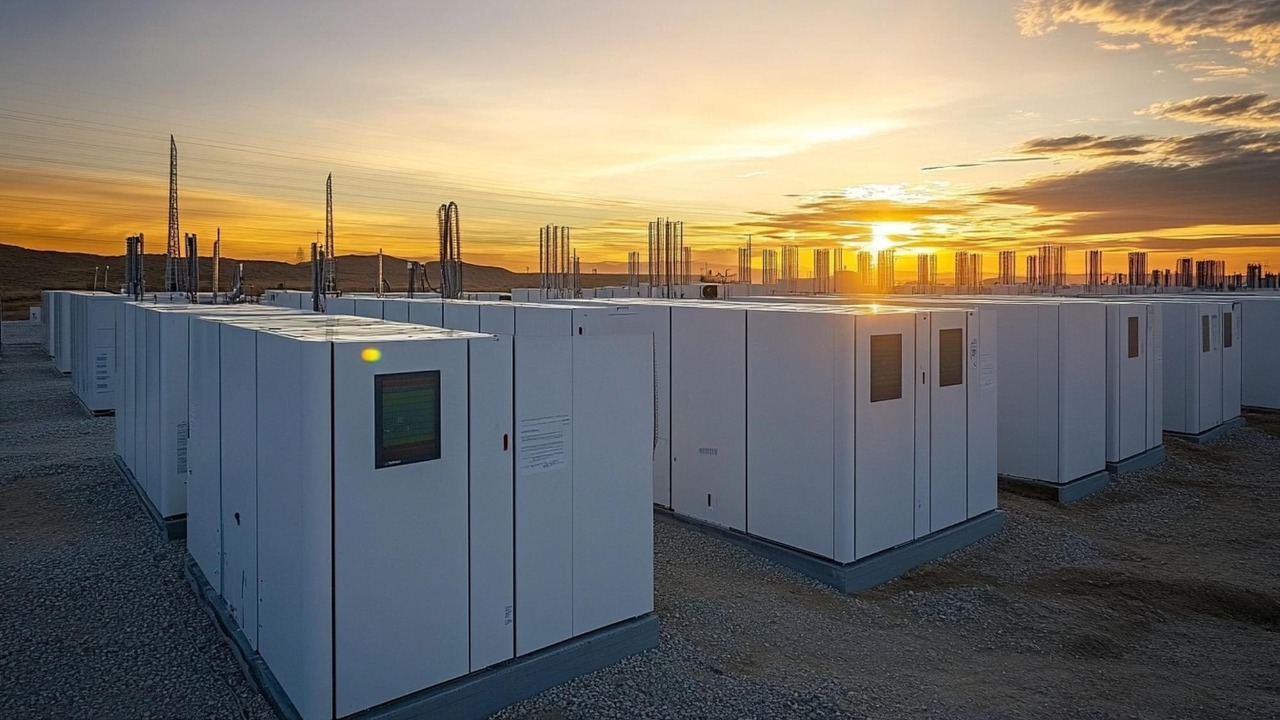
While Tesla’s self-driving endeavors continue to make headlines, the company is also making significant strides in the energy sector. On February 11, 2025, Tesla announced its latest Megapack project, a 430MW installation in Puerto Rico, aimed at supporting grid stability (Teslarati).
The Puerto Rico Megapack project is strategically located to maximize benefits for renewable energy integration and disaster resilience. By providing a reliable and sustainable energy solution, Tesla’s Megapack initiative is set to play a crucial role in the island’s energy infrastructure (Teslarati).
The Megapack project in Puerto Rico is a testament to Tesla’s commitment to renewable energy. The 430MW installation is one of the largest of its kind, capable of storing and distributing a significant amount of renewable energy. This project is part of Tesla’s broader efforts to transition the world to sustainable energy (Teslarati).
Moreover, the Megapack initiative is not just about energy storage. It also includes software solutions for monitoring and controlling the energy flow, ensuring optimal performance and reliability. This combination of hardware and software underscores Tesla’s holistic approach to energy solutions, mirroring its approach to autonomous vehicles (Teslarati).
Interconnections Between Autonomy and Tesla’s Broader Ecosystem
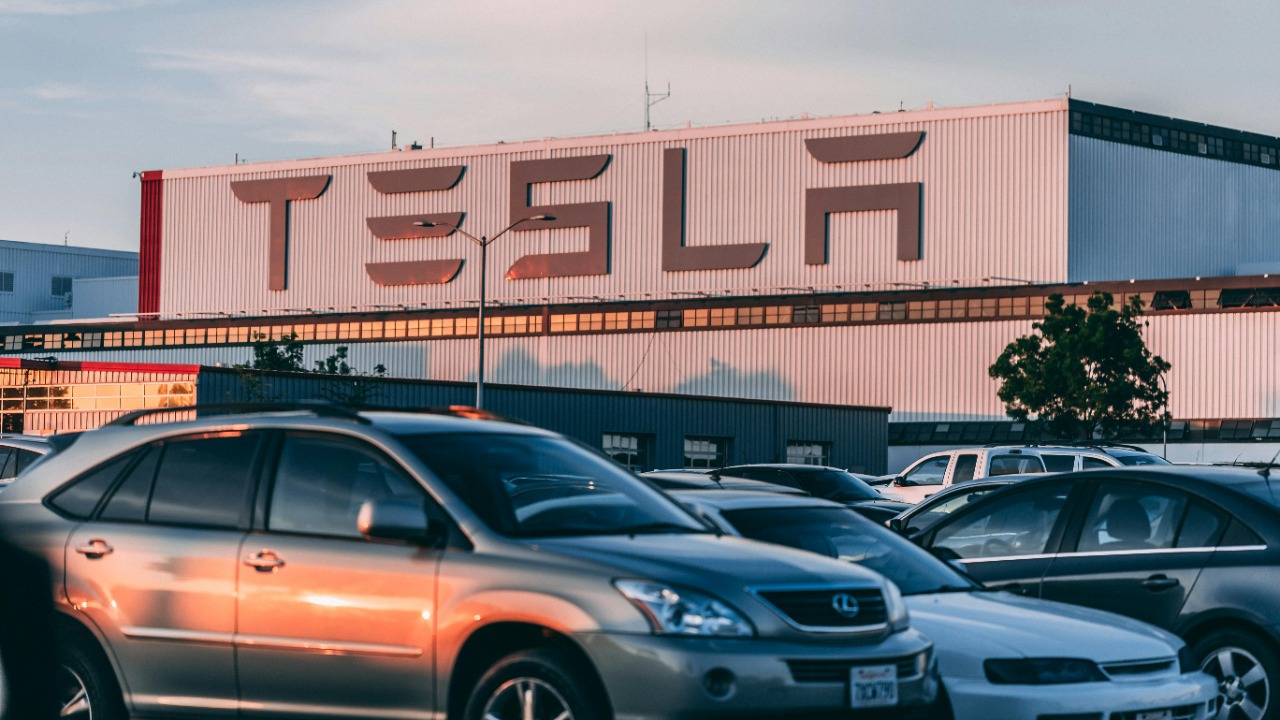
The Full Self-Driving update and robotaxi advancements are part of Tesla’s broader innovation strategy. The company’s self-driving technology is not just about autonomous vehicles; it’s also about how these vehicles can complement other aspects of Tesla’s ecosystem, such as its energy projects (Yahoo Tech).
Elon Musk’s vision extends beyond self-driving cars. From the 11th year of his self-driving timeline onwards, Musk envisions a diversified Tesla portfolio that includes not just autonomous vehicles, but also energy solutions and robotaxi operations in locations like Austin (Jalopnik). This integrated approach is what sets Tesla apart, and it’s what could potentially redefine the future of mobility and energy (InsideEVs).
Tesla’s self-driving technology and energy projects are interconnected in many ways. For instance, the company’s electric vehicles, powered by renewable energy, can contribute to a more sustainable transportation system. Additionally, the data collected from Tesla’s fleet of vehicles can be used to optimize energy consumption and improve grid stability (Yahoo Tech).
Furthermore, Tesla’s self-driving technology could potentially be integrated with its energy projects in the future. For example, autonomous vehicles could be used to transport energy storage units or to provide mobile power solutions in emergency situations. These synergies between Tesla’s various initiatives highlight the company’s integrated approach to innovation (Jalopnik).
