Tesla has once again adjusted its pricing strategy, lowering the base price of several of its key models. This move comes amidst increasing competition in the electric vehicle market and aims to make Tesla’s innovative vehicles more accessible to a broader audience. Let’s explore the implications and potential impacts of this strategic pricing decision.
Tesla’s Pricing Strategy Evolution
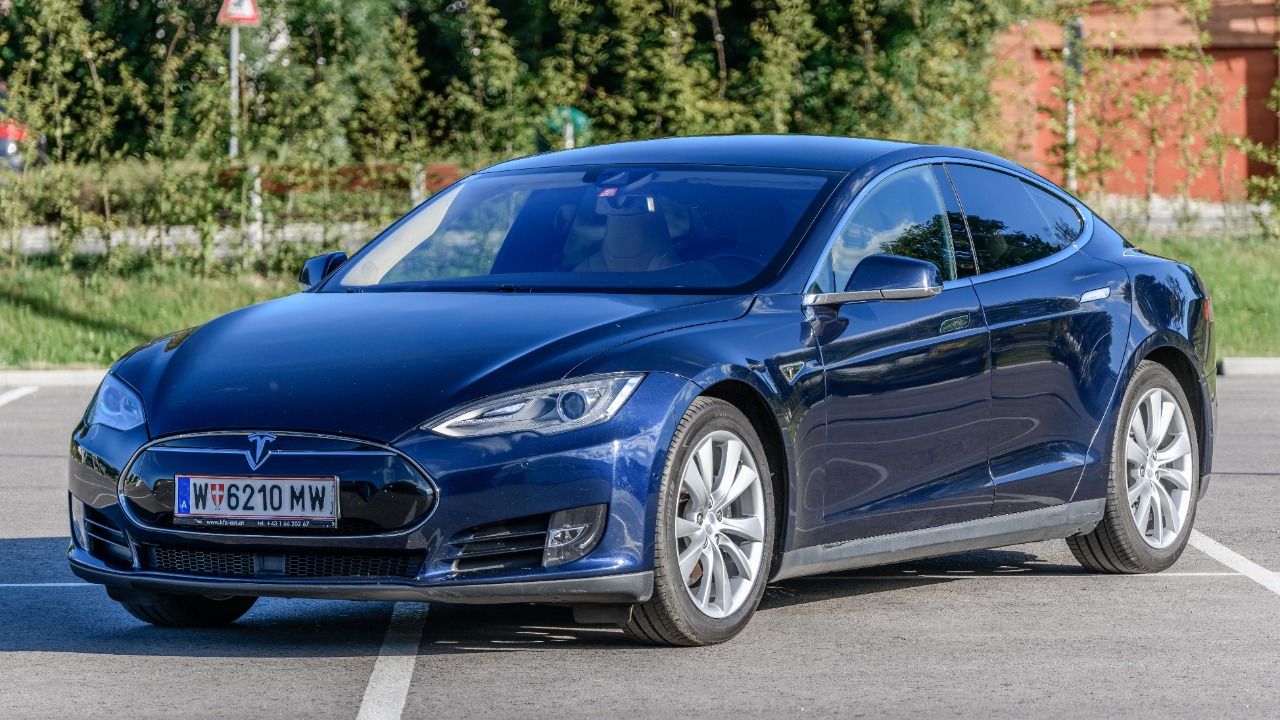
Over the years, Tesla has redefined its pricing strategies numerous times, reflecting its dynamic approach to market demands and competitive pressures. Historically, Tesla has been known to adjust prices in response to various factors ranging from production efficiencies to market competition. For instance, the recent price drop for the Model S and Model X is a continuation of this trend, aimed at maintaining Tesla’s competitive edge in the ever-evolving electric vehicle landscape.
The electric vehicle market is intensely competitive, with new players like Rivian and Lucid entering the fray alongside traditional automakers. Tesla’s strategic pricing adjustments are designed to stay ahead of the curve, ensuring their offerings remain attractive compared to competitors. By leveraging advancements in production and supply chain management, Tesla has been able to reduce costs, allowing for price reductions without compromising on quality or innovation.
Impact on Tesla’s Market Position
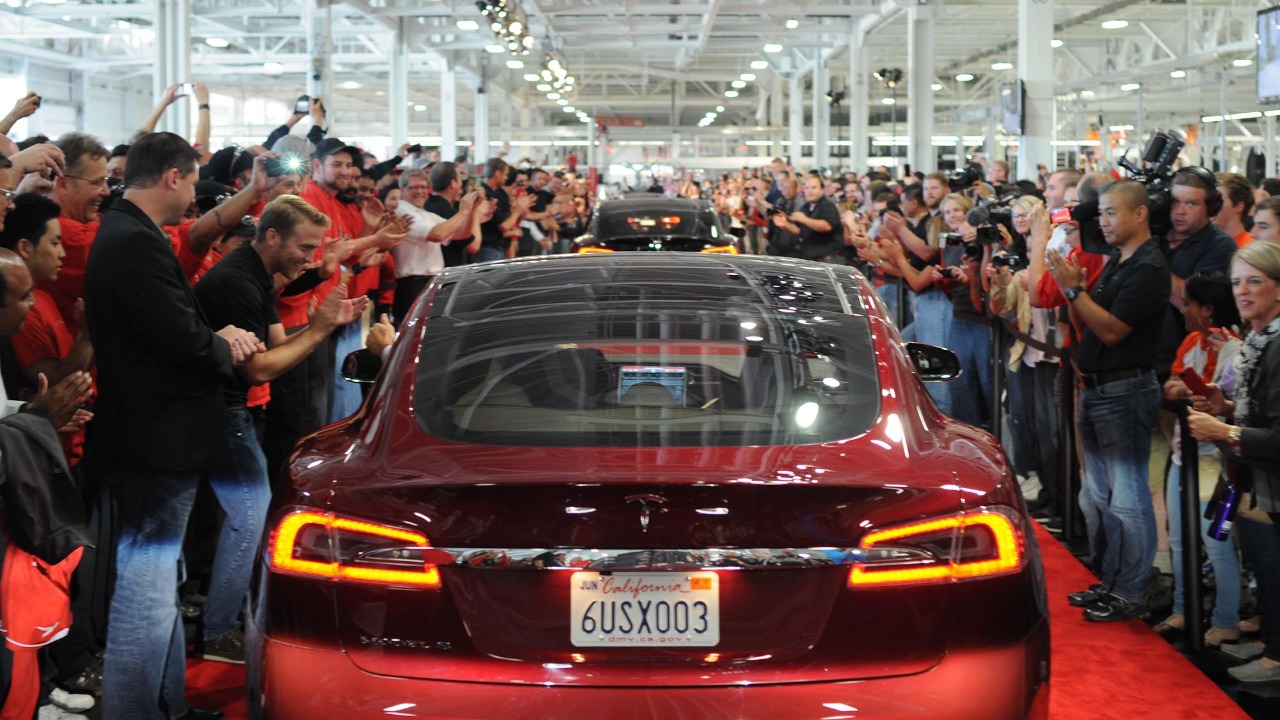
Price changes can significantly influence Tesla’s market share and consumer perception. By making their vehicles more affordable, Tesla is likely to capture a larger segment of the market, appealing to a broader range of consumers who may have previously found the brand financially out of reach. This strategic move could reinforce Tesla’s position as a leader in the electric vehicle market, challenging competitors to reassess their pricing strategies.
Investors and market analysts often view these pricing adjustments with a mix of optimism and caution. While a lower price point can drive higher sales volumes, there is also the risk of reduced margins. Additionally, frequent price changes might lead to concerns about brand dilution, as consumers may start to question the premium positioning of Tesla vehicles.
Consumer Implications and Reactions
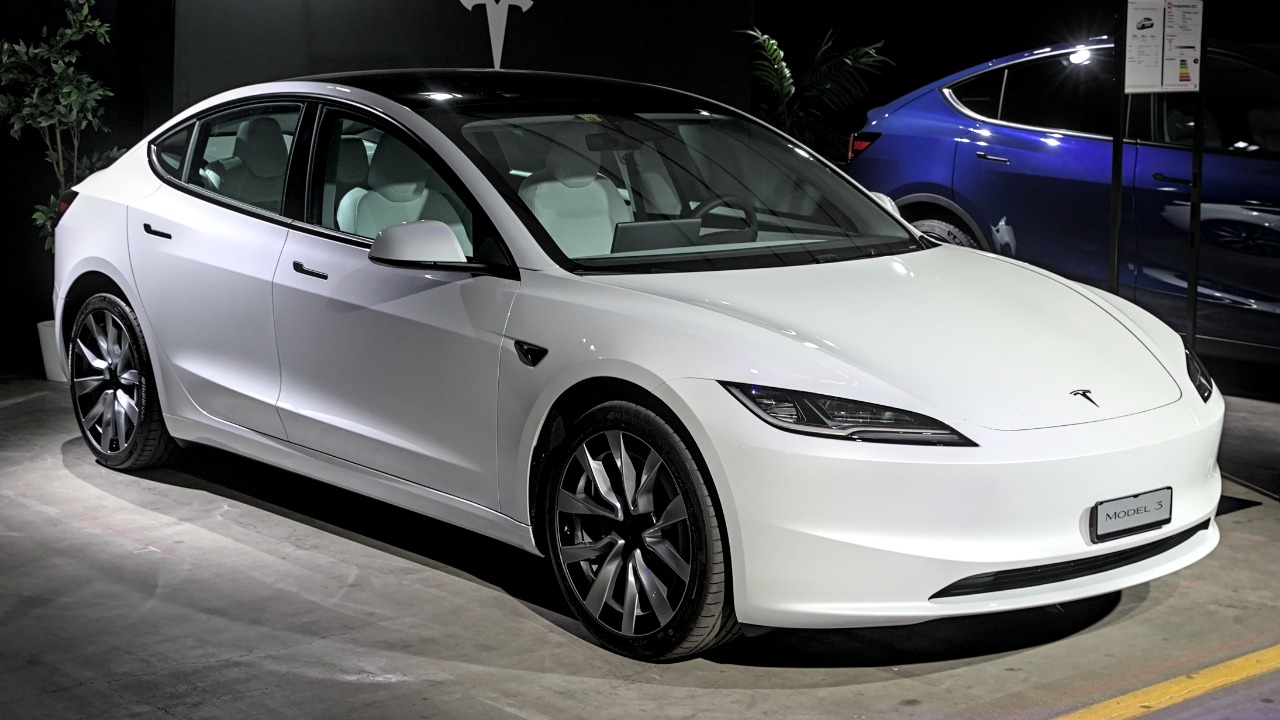
The reduction in base prices significantly enhances the affordability and accessibility of Tesla vehicles. This strategic shift is likely to broaden Tesla’s market reach, making it possible for more consumers to consider transitioning to electric vehicles. The impact on consumer demand could be substantial, with many prospective buyers now more inclined to choose Tesla over traditional combustion engine vehicles or competing electric models.
Feedback from Tesla owners and enthusiasts, often shared on platforms like Reddit, indicates a positive reception to these pricing changes. Enthusiasts discuss the recent price drop of the redesigned Model Y as a game-changer, enhancing Tesla’s appeal across various market segments. However, some existing owners express concerns about the potential impact on resale values, highlighting the complex dynamics at play in consumer perceptions.
Industry and Competitor Response

Tesla’s pricing adjustments are likely to provoke significant strategic shifts among its competitors. Other electric vehicle manufacturers might respond by adjusting their own pricing strategies to remain competitive. This could lead to a pricing war, ultimately benefiting consumers as companies strive to offer the best value proposition.
The impact of Tesla’s aggressive pricing strategy also extends to traditional automotive manufacturers. Legacy automakers are under increasing pressure to innovate and adapt, not only in terms of pricing but also in advancing their electric vehicle offerings. This ongoing evolution could accelerate the broader industry shift towards electrification, with Tesla continuing to play a pivotal role in shaping market trends.
Future Outlook for Tesla

The long-term sustainability of Tesla’s price cuts is a subject of considerable debate. While lower prices can boost sales and market reach, maintaining profitability amidst such cuts will be a key challenge. Tesla’s ability to leverage production efficiencies and economies of scale will be crucial in determining whether these price reductions can be sustained without compromising financial health.
These pricing adjustments may also influence the development of future models and innovations. By making Tesla vehicles more accessible, the company could potentially drive higher adoption rates, encouraging continued investment in research and development. As Tesla continues to shape the EV landscape, its role in driving forward trends in electric vehicles and renewable energy adoption becomes increasingly significant. The company’s strategic maneuvers, such as the recent price cuts for the Model Y, exemplify its commitment to this vision.
