The forthcoming fortnight is anticipated to bring about significant shifts in the tech industry. The advent of next-gen wireless technology and potential changes in tech regulation due to political decisions are expected to redefine the landscape of technology.
The Evolution of Wireless Technology:
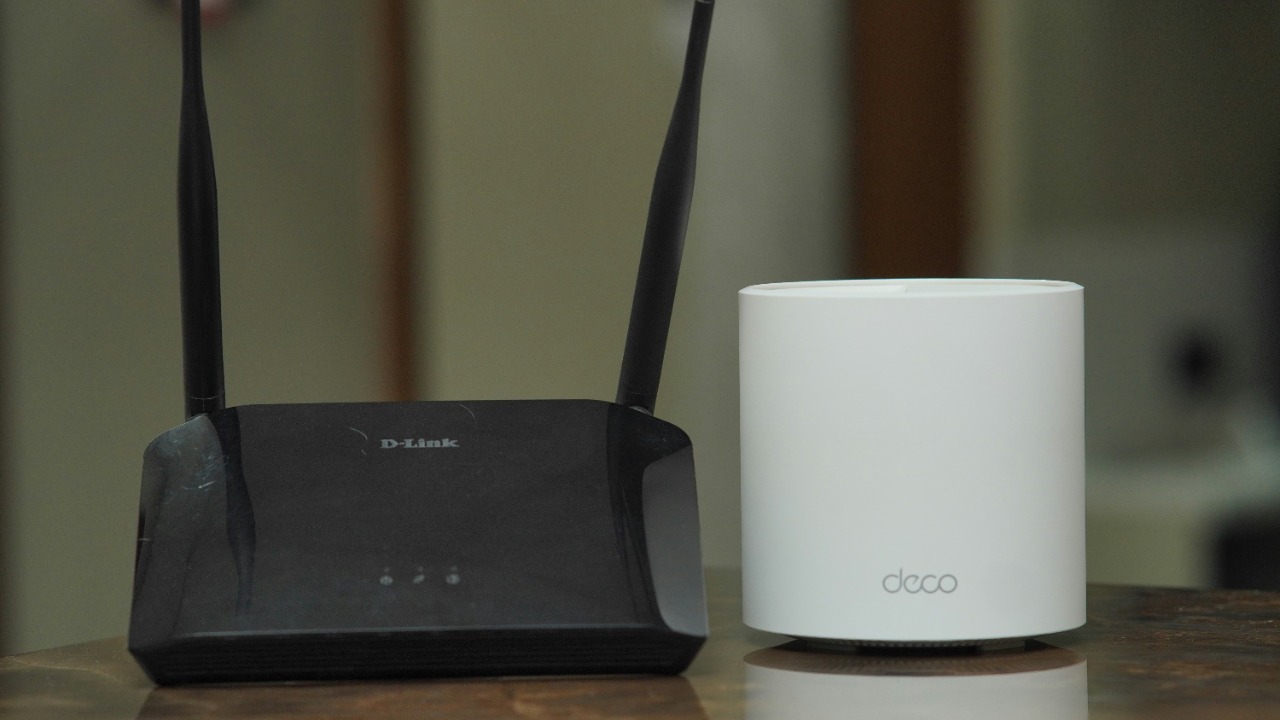
The role of next-generation wireless technology in transforming mobile communication cannot be overstated. As reported by TechExplorist, these advancements are set to revolutionize the way we interact with our devices and each other. The new technology promises faster data speeds, lower latency, and the ability to connect more devices simultaneously, paving the way for a more interconnected world.
According to Gizmodo, the potential impact of these advancements on various industries and consumer experiences is immense. From healthcare to entertainment, every sector stands to benefit from the increased efficiency and connectivity that next-gen wireless technology offers. For consumers, this could mean faster downloads, smoother streaming, and more responsive gaming experiences.
Delving deeper into the specifics of next-gen wireless technology, TechExplorist details how this technology will enable the Internet of Things (IoT) to flourish. With the ability to connect more devices simultaneously, we can expect a surge in smart devices, from home appliances to city infrastructure. This will not only enhance the convenience and efficiency of our daily lives but also open up new avenues for data collection and analysis, driving innovation across industries.
Moreover, Gizmodo highlights how the lower latency offered by next-gen wireless technology will be a game-changer for critical applications. In healthcare, for instance, it could enable remote surgeries, where a surgeon operates on a patient from a different location. In autonomous vehicles, it could allow for real-time data processing, making self-driving cars safer and more efficient. These examples underscore the transformative potential of next-gen wireless technology.
The Impact of Political Decisions on Tech Industry:

Political decisions, particularly those made by the current U.S. administration, are also expected to influence the tech industry significantly. As reported by the New York Times, President Trump’s tariffs could impact Brazil’s current control over big tech. This could potentially lead to a shift in the balance of power within the global tech industry.
The potential consequences for global tech regulation and market dynamics due to these policy changes are significant. Changes in tariffs could lead to a reshuffling of supply chains, potentially impacting the cost and availability of tech products worldwide. Furthermore, these changes could also influence the way tech companies operate, potentially leading to increased competition and innovation.
Expanding on the potential effects of President Trump’s tariffs, the New York Times notes that these policy changes could disrupt the status quo of the tech industry. For instance, if tariffs make it more expensive for American tech companies to operate in Brazil, they might consider relocating their operations to other countries. This could lead to a redistribution of tech hubs around the world, with countries offering favorable conditions likely to attract more tech companies.
Furthermore, Gizmodo points out that these political decisions could also spur tech companies to rethink their strategies. Faced with changes in the market dynamics, companies might invest more in research and development to create innovative products that can withstand these shifts. Alternatively, they might explore collaborations or mergers with other companies to strengthen their position in the market. These potential responses illustrate how political decisions can catalyze change within the tech industry.
The Intersection of Technology and Policy:
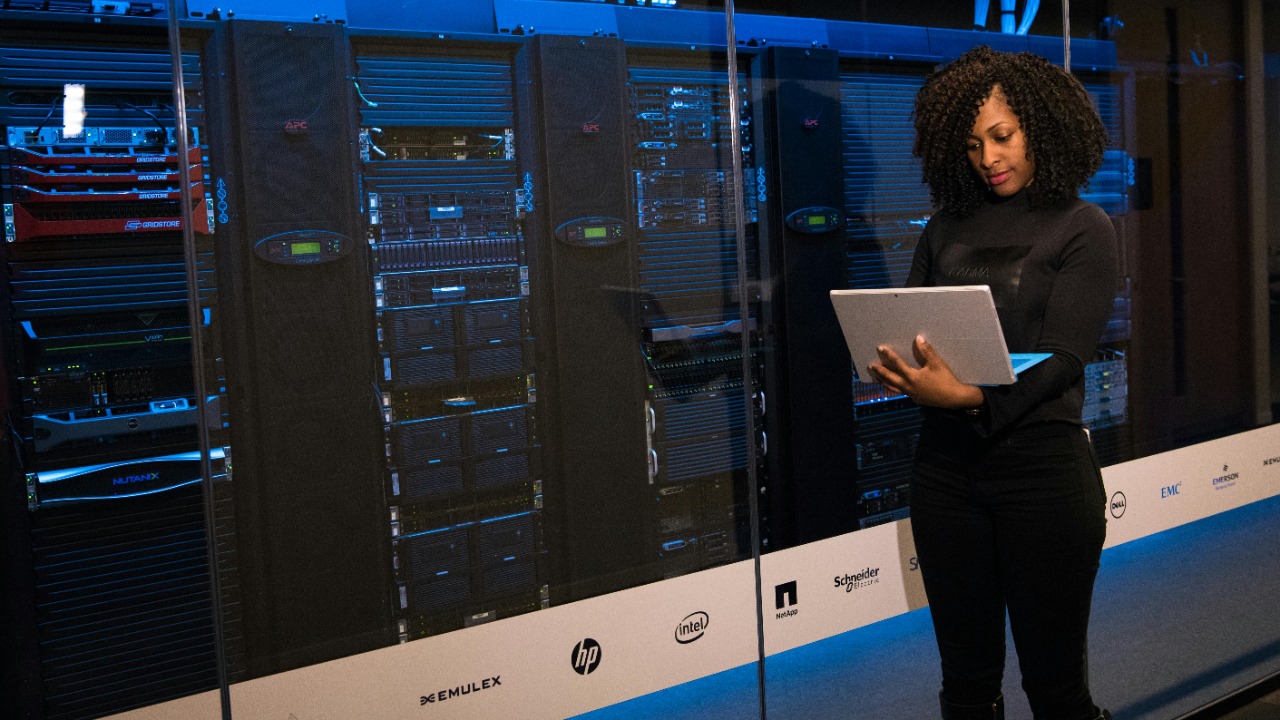
The intersection of emerging tech advancements and political decisions is a complex and fascinating area of study. As highlighted by Gizmodo and the New York Times, these two seemingly disparate areas are deeply intertwined. The decisions made by policymakers can directly impact the development and deployment of new technologies, while advancements in technology can influence policy decisions.
The potential implications for businesses, consumers, and governments worldwide are vast. For businesses, these changes could mean new opportunities for growth and innovation, but also new challenges and uncertainties. For consumers, the advancements in wireless technology could lead to improved services and experiences, but changes in tech regulation could also impact the cost and availability of these services. For governments, these changes present both opportunities and challenges in terms of regulation, economic growth, and national security.
