The realm of robotics has undergone remarkable advancements, culminating in one of the most groundbreaking developments – synthetic muscles can lift a staggering one thousand times their own weight. This revolutionary technology holds immense potential and opens a plethora of possibilities for the future.
Unveiling the Synthetic Muscles

Synthetic muscles, or artificial muscles, are materials or devices that mimic or imitate the functionality of natural muscles. These artificial muscles are composed of electroactive polymers that contract, expand, or rotate when stimulated by an electric field. A fascinating aspect of these synthetic muscles is their ability to lift massive weights – up to 1000 times their own weight. This phenomenal capability is achieved through a combination of clever material design and strategic structural configuration.
The development of these synthetic muscles has been a long and challenging journey. Researchers and scientists have been studying and experimenting with different materials, structures, and designs to create artificial muscles that can deliver such high performance. An in-depth look at the research and development process behind these synthetic muscles can be found in this scientific article.
The Science Behind the Strength

So, what gives these synthetic muscles their extraordinary strength? The answer lies in the science of electroactive polymers and the design of the synthetic muscles. Electroactive polymers are materials that change shape or size when stimulated by an electric field. In synthetic muscles, these polymers are arranged in a specific configuration that maximizes their lifting capacity.
Equally important is the design and configuration of the synthetic muscles. The structural configuration plays a crucial role in enhancing the lifting capacity of the synthetic muscles. By optimizing the design and arrangement of the electroactive polymers, researchers have been able to create synthetic muscles that can lift 1000 times their weight. A more detailed explanation of the science behind the strength of synthetic muscles can be found in this JSTOR article.
Implications for the Robotics Industry
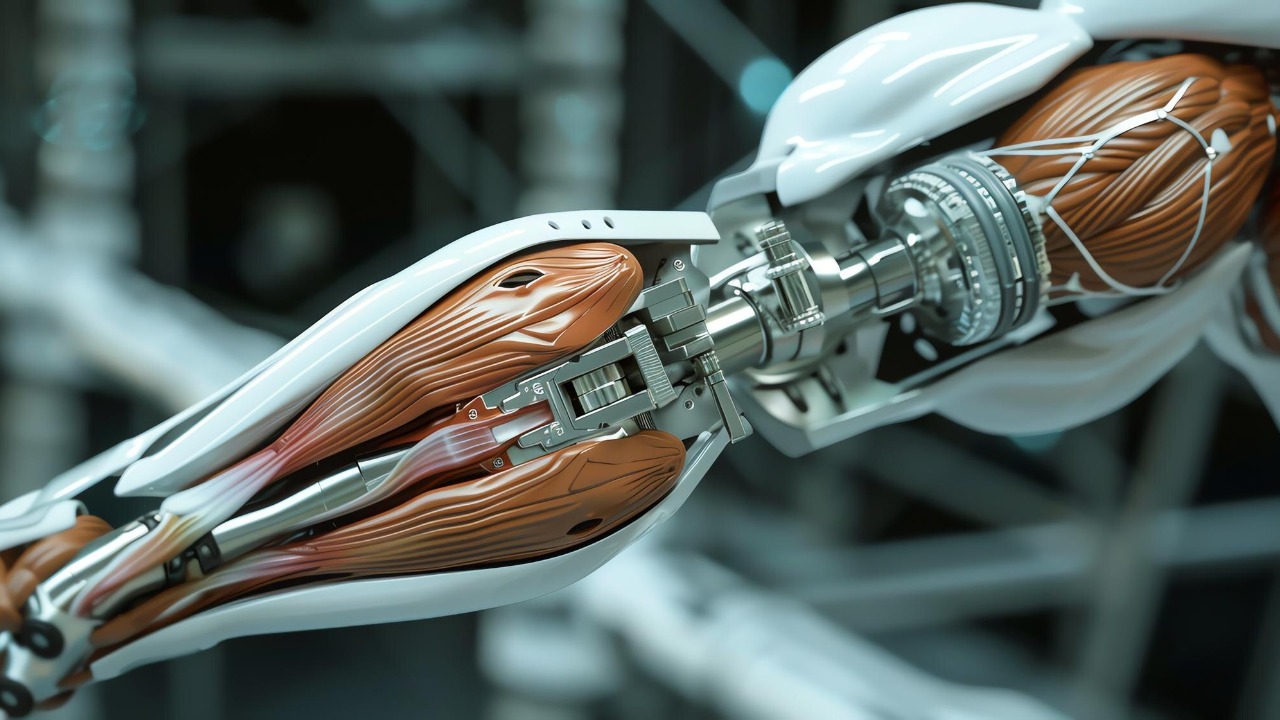
The development of synthetic muscles that can lift 1000 times their weight has significant implications for the robotics industry. This technology could redefine the capabilities of robots, enabling them to perform tasks that were previously thought impossible. For instance, robots equipped with these synthetic muscles could be used in healthcare for lifting and moving patients, in manufacturing for handling heavy machinery, and in defense for carrying large amounts of equipment.
One particular field where this technology could have a profound impact is healthcare. Robots equipped with synthetic muscles could assist in patient care, performing tasks such as lifting and moving patients with ease. This Interesting Engineering article provides an intriguing glimpse into the potential applications of synthetic muscles in the healthcare industry.
Future Possibilities and Challenges

While synthetic muscles have already shown great promise, there is still a lot of potential for improvements and enhancements. Future developments could see synthetic muscles that are even stronger, more efficient, and more versatile. However, there are also several challenges that need to be overcome for wider implementation of this technology. These challenges include improving the durability and longevity of the synthetic muscles, reducing their cost, and making them more accessible and user-friendly.
Furthermore, synthetic muscles could revolutionize not just robotics, but also other areas such as prosthetics and biomedical devices. Imagine a prosthetic limb equipped with synthetic muscles that can mimic the functionality of a natural limb or a biomedical device that can perform complex tasks with precision and ease. The future possibilities are truly exciting.
Ethical Considerations

As with any revolutionary technology, synthetic muscle technology also brings with it a host of ethical considerations. The societal impacts and concerns associated with this technology need to be thoroughly examined and addressed. For example, how will the widespread use of robots equipped with synthetic muscles affect employment? Will there be a risk of these robots being used for harmful purposes?
There is a pressing need for regulations and guidelines to ensure the responsible use of this technology. These regulations should be designed to protect the interests of individuals and society at large while also encouraging innovation and technological advancement. This Status Fitness Magazine article by David Robson provides a thoughtful exploration of the ethical implications of synthetic muscle technology in robotics.
