Sweden is taking a pioneering step in the heavy industry sector with the development of the world’s first fossil-free steel plant. This bold initiative forms a crucial part of broader efforts to curb carbon emissions and tackle climate change. The groundbreaking project promises not only to revolutionize steel production but also sets a global benchmark for future industrial processes.
The Rise of Fossil-Free Steel Production

The HYBRIT Project is at the heart of Sweden’s revolutionary approach to steel production. Launched as a collaborative effort between industry giants such as SSAB, LKAB, and Vattenfall, the project aims to produce steel without relying on fossil fuels. This initiative is a landmark in the industry, showing how collaborative efforts can pave the way for sustainable industrial transformations. By replacing traditional coal-based methods with innovative hydrogen-based technologies, the project aims to reduce carbon emissions significantly. More details about the groundbreaking nature of this initiative can be found here.
The motivation behind this shift is twofold: environmental necessity and economic foresight. Sweden, known for its progressive environmental policies, recognizes the urgent need to reduce carbon emissions as a part of its commitment to global climate goals. On the economic front, transitioning to fossil-free steel production positions Sweden at the forefront of the green industrial revolution, attracting investments and setting the stage for long-term economic benefits. This move not only aligns with Sweden’s sustainable development goals but also enhances its competitive edge in the global market.
Technological innovation lies at the core of this transformation. The HYBRIT Project utilizes cutting-edge technologies, primarily focusing on hydrogen-based steelmaking processes. This method involves using hydrogen as a reducing agent instead of carbon, significantly cutting down CO2 emissions. Such innovations are not only promising for the steel industry but also present a viable pathway for other heavy industries to follow. The groundbreaking nature of these technologies is a testament to Sweden’s commitment to environmental sustainability and industrial advancement.
Environmental and Economic Impacts

The environmental benefits of fossil-free steel production are substantial, with a significant reduction in greenhouse gas emissions being the most notable. Traditional steelmaking is one of the largest industrial sources of carbon emissions, and by transitioning to fossil-free methods, Sweden is taking a crucial step towards reducing its carbon footprint. This shift is not just a national achievement but also a potential global game-changer, setting a precedent for other countries to follow in the quest for sustainable industrial practices.
Economically, the move towards fossil-free steel production opens up new avenues for Sweden. The development and operation of such plants are expected to create numerous jobs, thereby boosting local economies. Additionally, by positioning itself as a leader in sustainable industrial practices, Sweden can attract foreign investments and forge new international partnerships. The economic benefits extend beyond immediate job creation, potentially reshaping Sweden’s industrial landscape for decades to come. This strategic positioning as a leader in green technology is likely to have far-reaching implications for Sweden’s economic future.
Globally, Sweden’s initiative might inspire similar efforts worldwide, potentially reshaping the global steel industry. Countries and companies around the world are closely watching Sweden’s progress, eager to learn and adopt similar practices. If successful, this initiative could serve as a blueprint for global efforts to transition to sustainable industrial methods, significantly contributing to global climate goals. The potential for global influence and adoption is immense, with Sweden leading the charge towards a more sustainable future. For more insights into the global impact of Sweden’s initiative, read this article.
Challenges and Solutions in Implementing Fossil-Free Steel

Despite its potential, the path to fossil-free steel production is fraught with challenges. Technical hurdles, such as the development and scaling of hydrogen-based technologies, are significant. Moreover, the financial investments required for such large-scale projects are substantial, posing potential barriers to widespread adoption. These challenges necessitate innovative solutions and a strong commitment from all stakeholders involved to ensure successful implementation.
To overcome these barriers, Sweden is employing a range of strategies and solutions. Collaborative efforts between industries, government bodies, and research institutions are crucial in addressing technical and financial challenges. Additionally, Sweden is leveraging its expertise in renewable energy to power the hydrogen production process, ensuring the sustainability of the entire supply chain. By addressing these challenges head-on, Sweden is setting a precedent for other nations aiming to transition to fossil-free industrial practices.
Policy and regulatory support play a critical role in facilitating this transition. The Swedish government is actively involved in supporting the fossil-free steel initiative through favorable policies and regulations. By providing financial incentives and creating a conducive regulatory environment, the government is ensuring that the transition to fossil-free steel production is both feasible and sustainable. This support is crucial in overcoming the initial hurdles and setting the stage for broader adoption of such practices globally. More details on the policy support for fossil-free steel production can be found here.
Future Prospects of Fossil-Free Steel in Global Industry
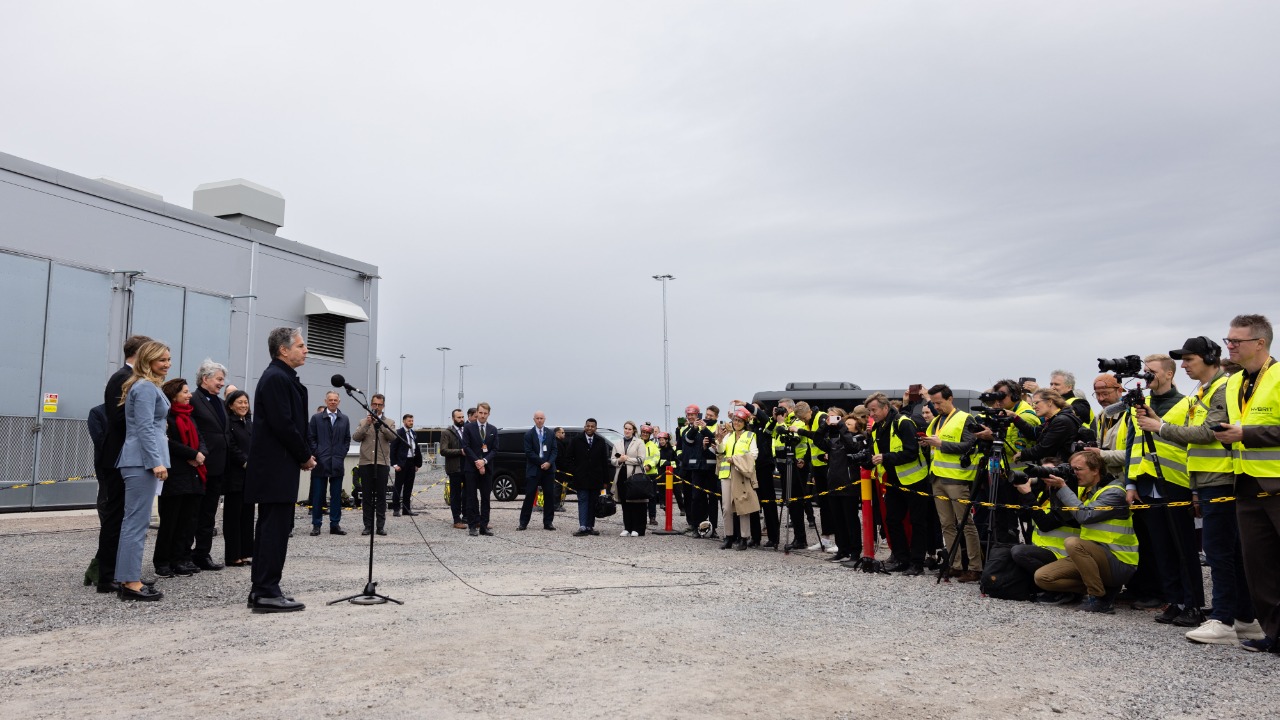
Looking ahead, the prospects for scaling up fossil-free steel production are promising. Sweden has outlined ambitious plans to increase production and make fossil-free steel available on a commercial scale by the mid-2020s. Achieving this goal will require continued investment in technology and infrastructure, as well as sustained collaboration between all stakeholders involved. The timeline for broader commercial availability is realistic, given the progress made so far and the commitment from industry leaders and the government.
Partnerships and collaborations will be key to advancing fossil-free steel production. By fostering strong relationships between industries, governments, and research institutions, Sweden is creating a robust ecosystem that supports innovation and development. These partnerships are essential for sharing knowledge, resources, and expertise, ensuring the successful realization of fossil-free steel production on a global scale. For further information on the scaling up of fossil-free steel production, visit this link.
The long-term vision for fossil-free steel is one of transformative impact on global industries. By leading the charge in sustainable steel production, Sweden is setting a powerful example for other nations to follow. The potential for fossil-free steel to contribute to achieving global sustainability goals is immense, with implications for reducing carbon emissions across various industries. As the world moves towards a more sustainable future, fossil-free steel could play a crucial role in driving this transition, marking a new era in industrial practices and environmental stewardship.
