As technology advances, so does the automotive industry. A recent trend sees Sports Utility Vehicle (SUV) manufacturers collecting real-time data from their vehicles and transmitting it back to their factories for product enhancements. This innovative approach, facilitated by advanced tech, promises potential improvements in safety and performance. However, it also raises critical questions about privacy and the future of driving.
Understanding the Technology
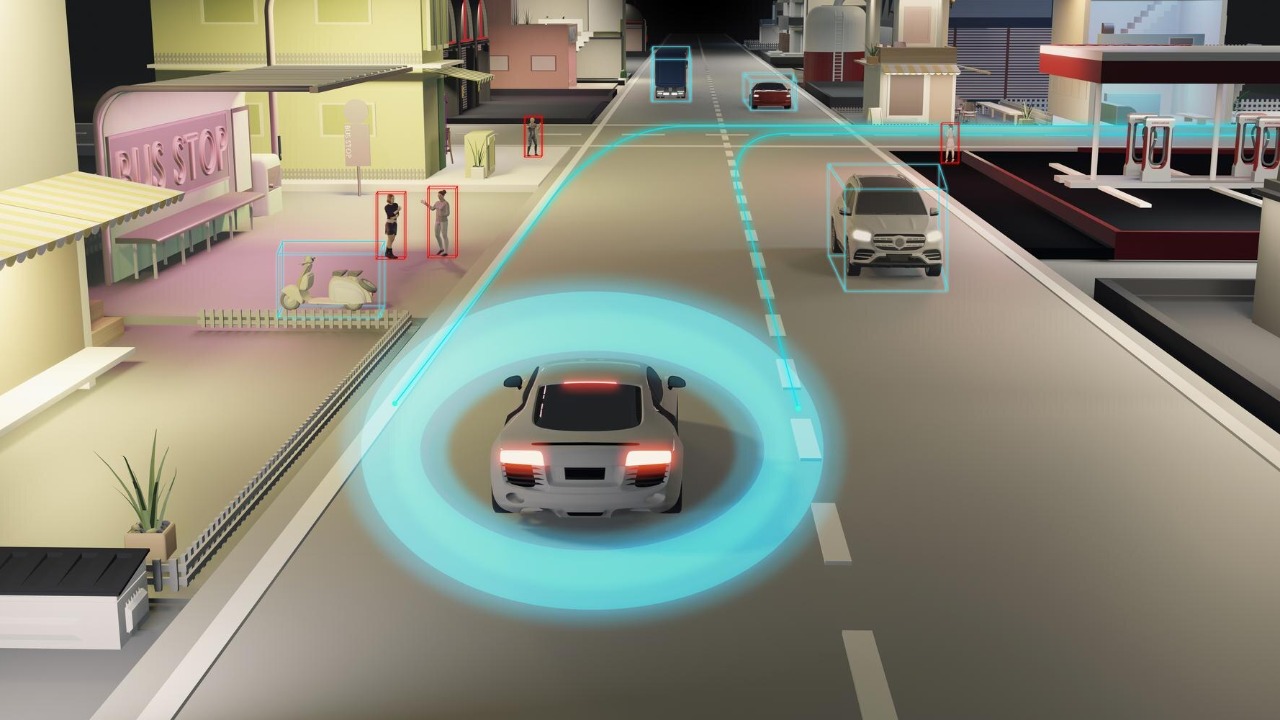
Modern vehicles are increasingly becoming mobile data centers, with sophisticated technology enabling the collection and transmission of data in real-time. Key among these technologies is LIDAR (Light Detection and Ranging) and RADAR (Radio Detection and Ranging). These technologies are at the forefront of autonomous driving systems, accurately mapping the vehicle’s surroundings and predicting possible obstacles. For a more in-depth look at how these technologies shape the future of autonomous driving, check out this article.
One manufacturer that stands out in leveraging this technology for safety and performance improvements is Subaru. Subaru uses a system called EyeSight, which combines advanced technologies like LIDAR and RADAR to provide features like adaptive cruise control, lane keep assist, and pre-collision braking. For more on Subaru’s technology, visit their official page.
Type and Quantity of Data Collected
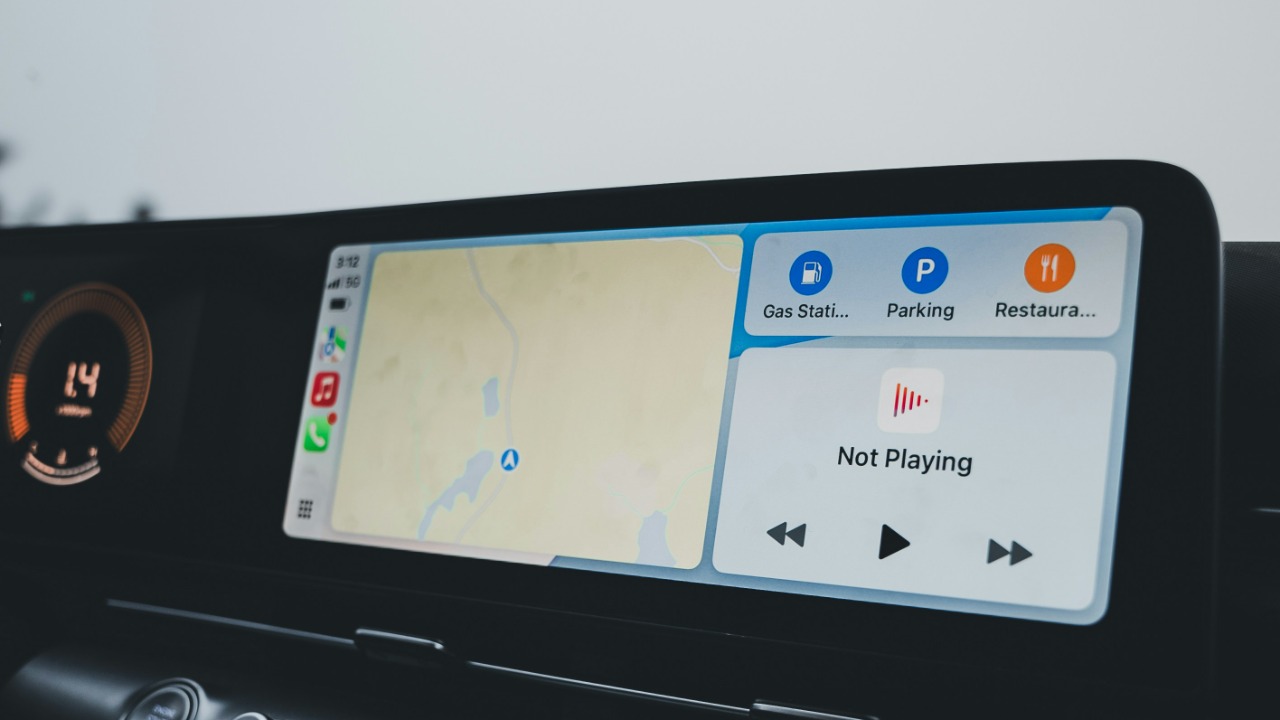
The types of data collected from vehicles vary but commonly include GPS location, speed, braking patterns, and even steering angles. These data provide a comprehensive view of the vehicle’s operation and the driver’s behavior, essential for developing improvements. The volume of data produced by modern vehicles is staggering, with estimates ranging up to 25GB per hour.
Vehicle manufacturers’ data collection practices can differ significantly. Some focus on performance data such as fuel consumption and engine performance. Others might prioritize safety-related data, such as braking patterns or collision avoidance system performance. For an academic perspective on the types and uses of automotive data, you can read this research paper.
Privacy Concerns

With the collection of such vast amounts of data come inevitable privacy concerns. Questions arise about who owns the data, how it is used, and how it is protected. Laws and regulations governing vehicle data collection and privacy vary worldwide, with some regions like the European Union enforcing stringent data protection laws.
Transparency in data collection practices is critical. Consumers need to understand what data is being collected, why it’s being collected, and how it’s being protected. Existing regulations, such as the US Federal Trade Commission’s guidelines on protecting consumer privacy, provide some measure of protection. For a comprehensive overview of existing rules and regulations, this report by the National Highway Traffic Safety Administration is a valuable resource.
Impact on Driving Experience
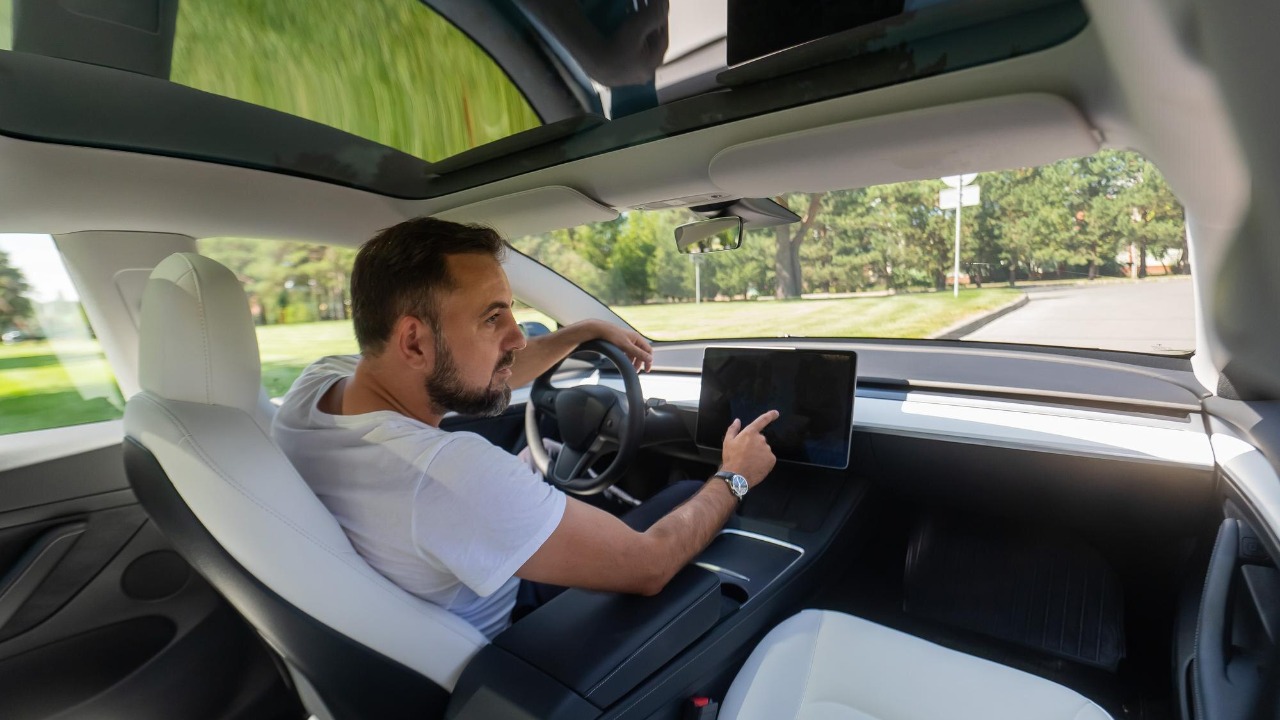
Data collected from vehicles can be analyzed and used to improve vehicle safety and performance. For instance, data on braking patterns can help enhance braking systems, while information on steering angles can contribute to improved handling. Such improvements can significantly enhance the driving experience.
Moreover, data-driven improvements can lead to changes in the vehicle’s user interface and control systems. For example, real-time data collection can contribute to the development of autonomous driving systems. These systems can adjust to the driver’s habits, providing a more personalized driving experience. A detailed discussion on data-driven improvements in driving can be found in this study.
Case Studies: Data-Driven Improvements
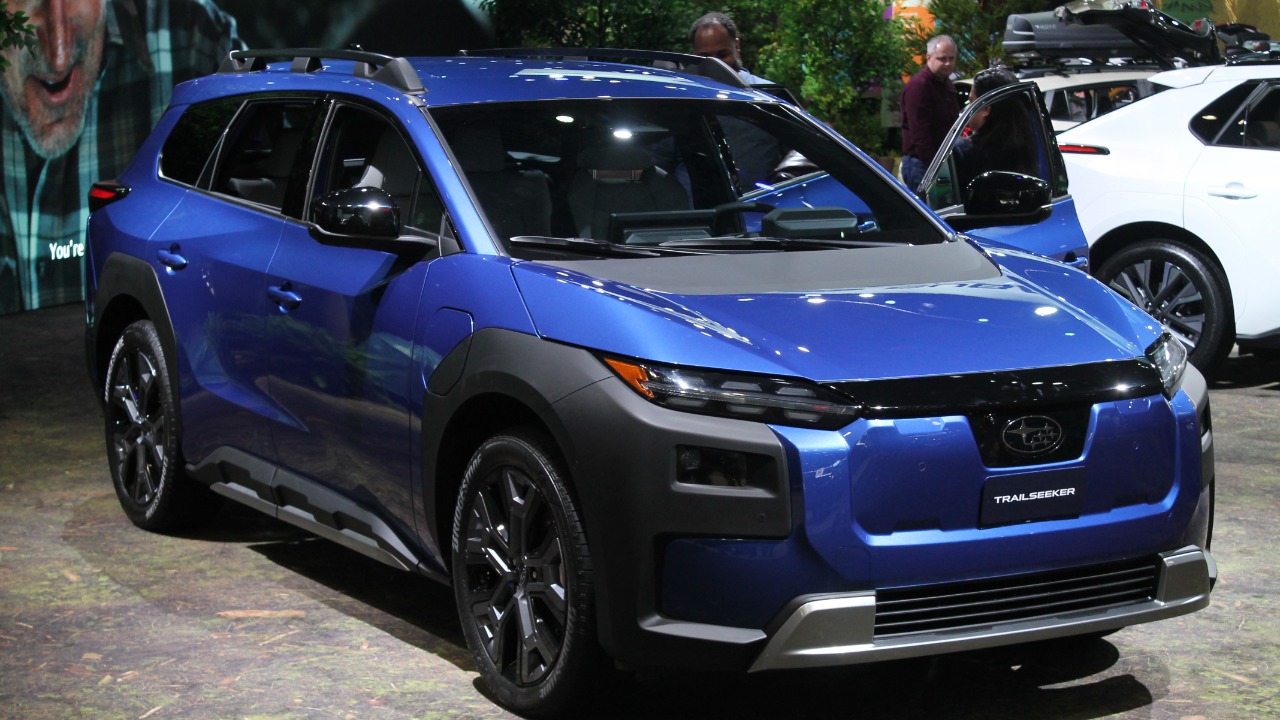
There have been instances where data collection has led to significant improvements in vehicle models. Subaru, for instance, has used data from its EyeSight system to improve safety features in its new models. Other manufacturers are also using collected data to refine their vehicles, leading to better fuel efficiency, improved handling, and enhanced safety features.
These improvements are not just limited to high-end vehicles. Even budget-friendly models are benefiting from data-driven enhancements, making advanced safety and performance features more accessible to the masses. The use of data for continuous improvements represents a significant shift in vehicle manufacturing, promising exciting developments in the future.
Future Implications
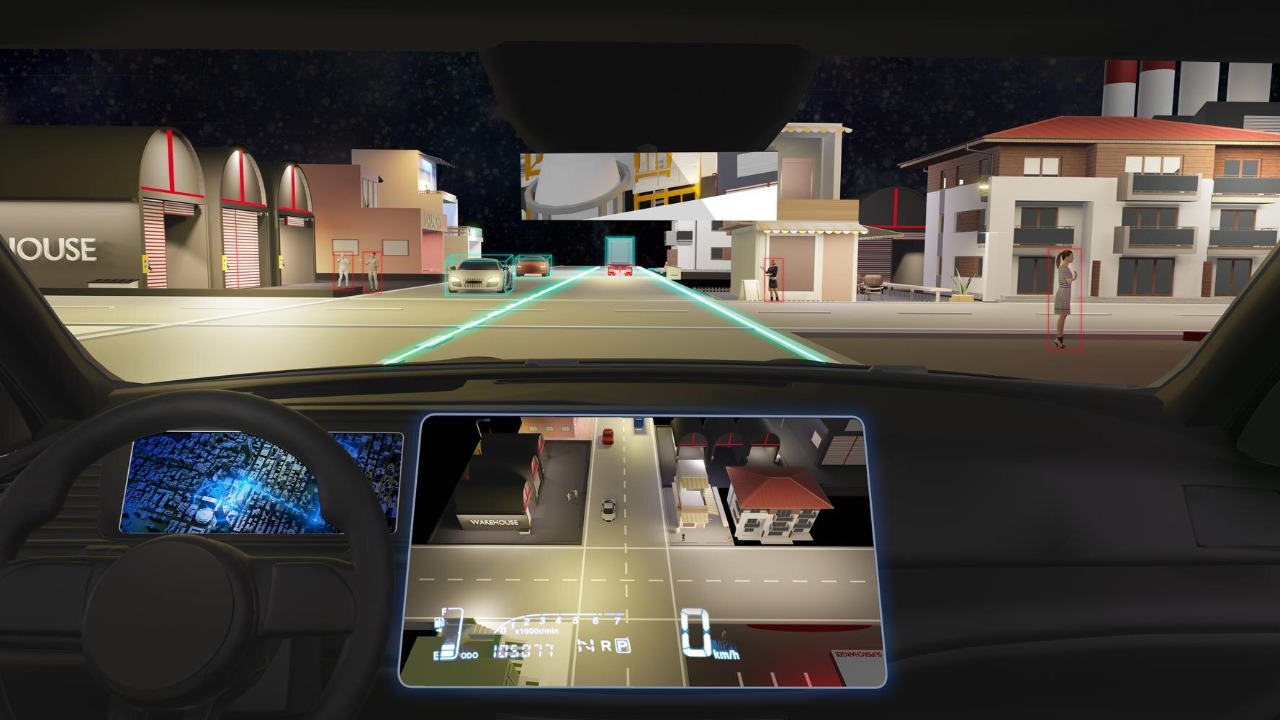
The practice of data collection in vehicles is likely to increase, with potential innovations such as predictive maintenance and personalized driving experiences. However, it also presents challenges, especially regarding data security and privacy.
The future of the automotive industry could be significantly shaped by these practices. They could influence vehicle insurance and liability, with safer driving habits potentially leading to lower insurance premiums. On the other hand, data breaches could lead to significant liabilities for both vehicle manufacturers and owners.
Ultimately, the use of data in vehicles represents an exciting frontier in the automotive industry. With the right balance of innovation, transparency, and protection, it holds the potential to revolutionize the driving experience.
