Advancements in technology are continually pushing the boundaries of space exploration. At the forefront of this cutting-edge field, NASA’s Webb Telescope employs Artificial Intelligence (AI) to track and discover new moons during a supermoon. The integration of AI technology with the telescope’s data pipeline has opened up new horizons in the field, setting the stage for a revolution in our understanding of the universe.
Understanding the Webb Telescope and its Role in Space Exploration
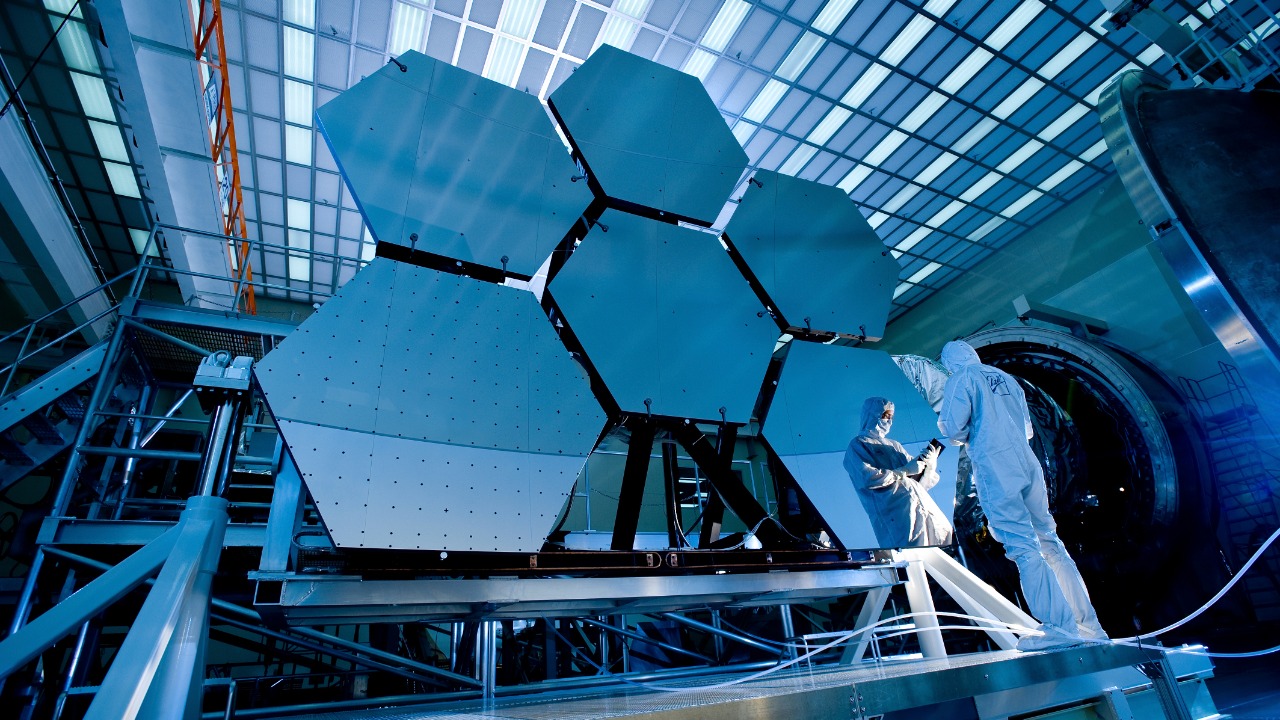
The Webb Telescope is NASA’s premier observatory of the next decade, serving astronomers worldwide to explore every phase in the history of our universe. Ranging from the first luminous glows after the Big Bang, to the formation of solar systems capable of supporting life on planets like Earth, to the evolution of our own Solar System. The telescope’s primary functions involve capturing high-quality images of celestial bodies, analyzing their composition, and tracking their movements.
Moreover, the Webb Telescope has significantly contributed to space exploration and research. Its high-resolution imaging capabilities have enabled scientists to observe distant galaxies and stars in unprecedented detail. Furthermore, the telescope’s data pipeline, which collects and processes large amounts of data, plays a crucial role in discovering and tracking new celestial bodies, including moons.
The Concept of Supermoon Tracking
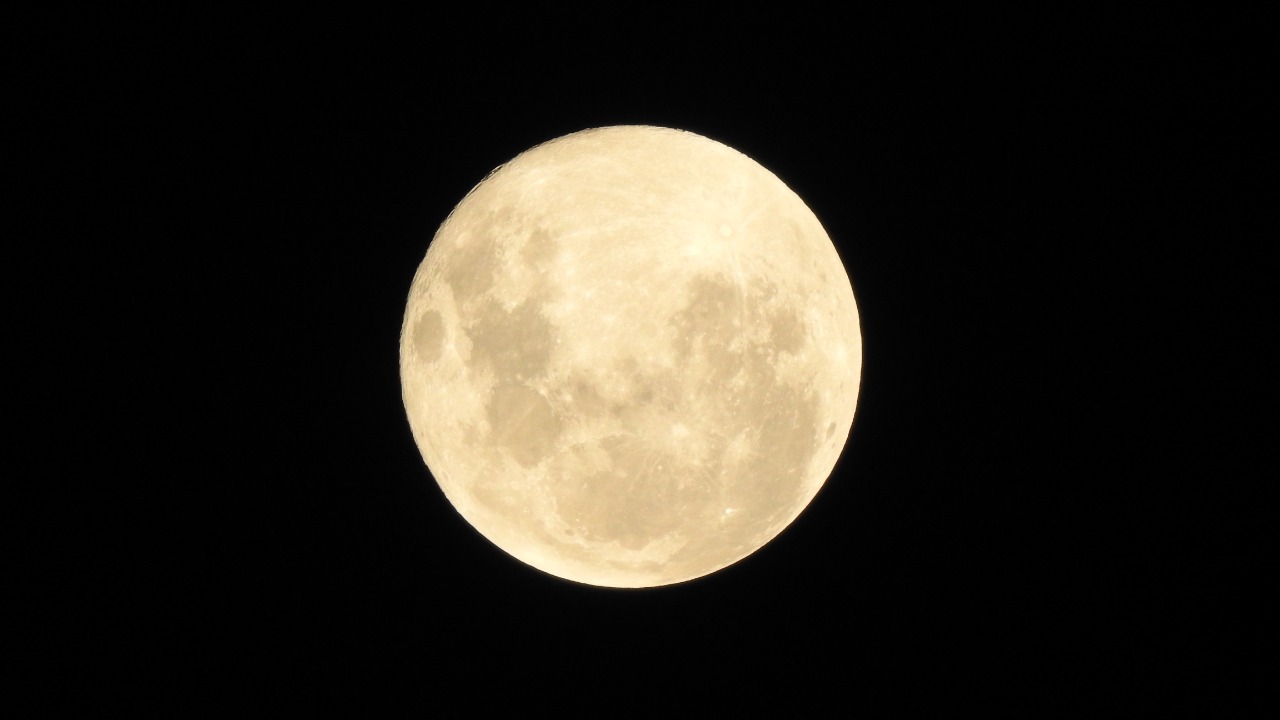
A Supermoon is a term used when a full moon or a new moon is at its closest point to Earth in its orbit, making it appear larger and brighter than usual. Supermoon tracking involves monitoring these moons’ movements, changes in their orbits, and other physical characteristics. This process holds great significance in understanding the dynamics of our solar system and predicting future lunar events.
The role of AI in Supermoon tracking is pivotal. By leveraging machine learning algorithms, AI can sift through vast amounts of data gathered by telescopes to identify and track Supermoons. This technology not only enhances the accuracy of tracking but also significantly accelerates the process, allowing scientists to focus on analysis and interpretation of the results.
How AI is Integrated in the Webb Telescope for Supermoon Tracking
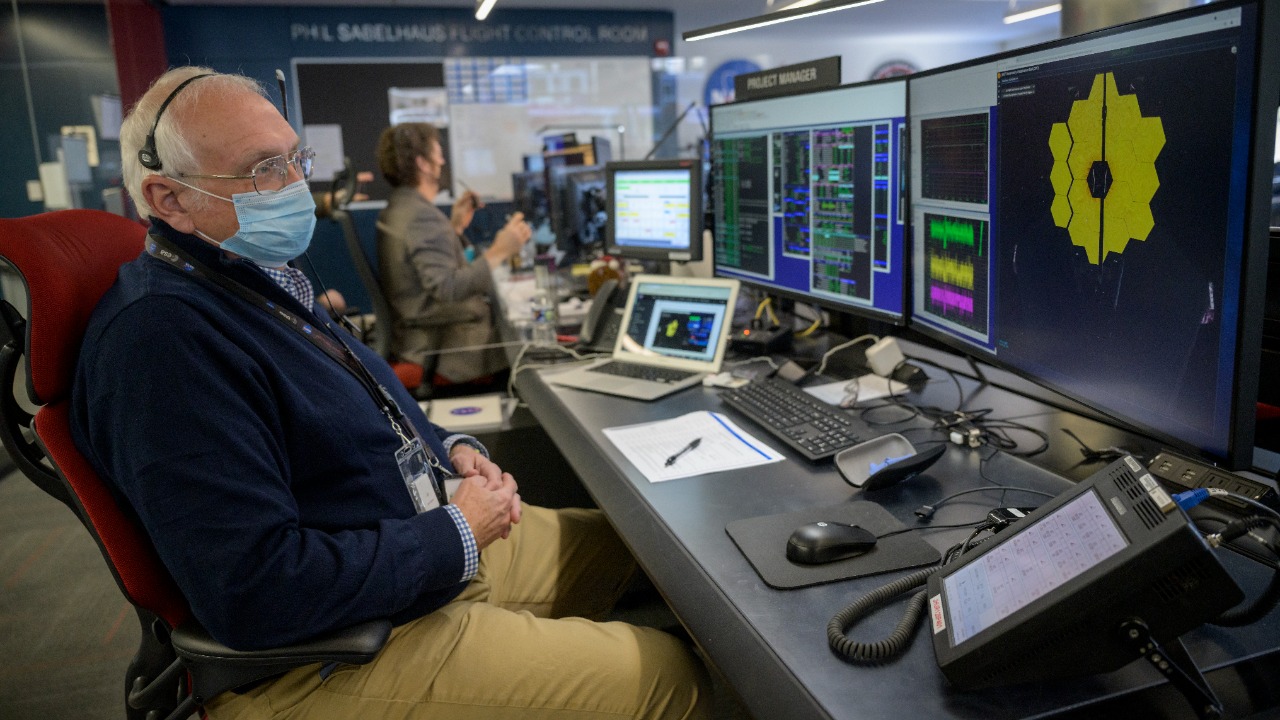
Integrating AI into the Webb Telescope involves incorporating machine learning algorithms into the telescope’s data pipeline. These algorithms are trained to recognize patterns and anomalies in the data, enabling them to spot potential Supermoons. The AI system continually learns and improves its accuracy over time, becoming more proficient at identifying and tracking Supermoons.
A recent example of how AI has been used in Supermoon tracking is the discovery of a new moon orbiting Uranus. Using the Webb Telescope’s data and AI algorithms, scientists were able to identify this previously undetected moon. This discovery marked a significant milestone in the use of AI in space exploration.
Impact and Benefits of AI on Supermoon Tracking

The use of AI in Supermoon tracking has had a profound impact on the field. By automating the process of detecting and tracking Supermoons, AI has significantly improved the efficiency and accuracy of this task. Scientists can now analyze larger volumes of data, leading to more discoveries and a deeper understanding of our universe.
Furthermore, the potential discoveries facilitated by AI extend well beyond those previously possible. By allowing for more extensive and accurate data analysis, AI has the potential to uncover new celestial bodies, understand their compositions, and even predict their future movements. These advancements have significant implications for our understanding of the universe and could potentially change our perceptions of space.
Future Prospects of AI in Astronomical Research
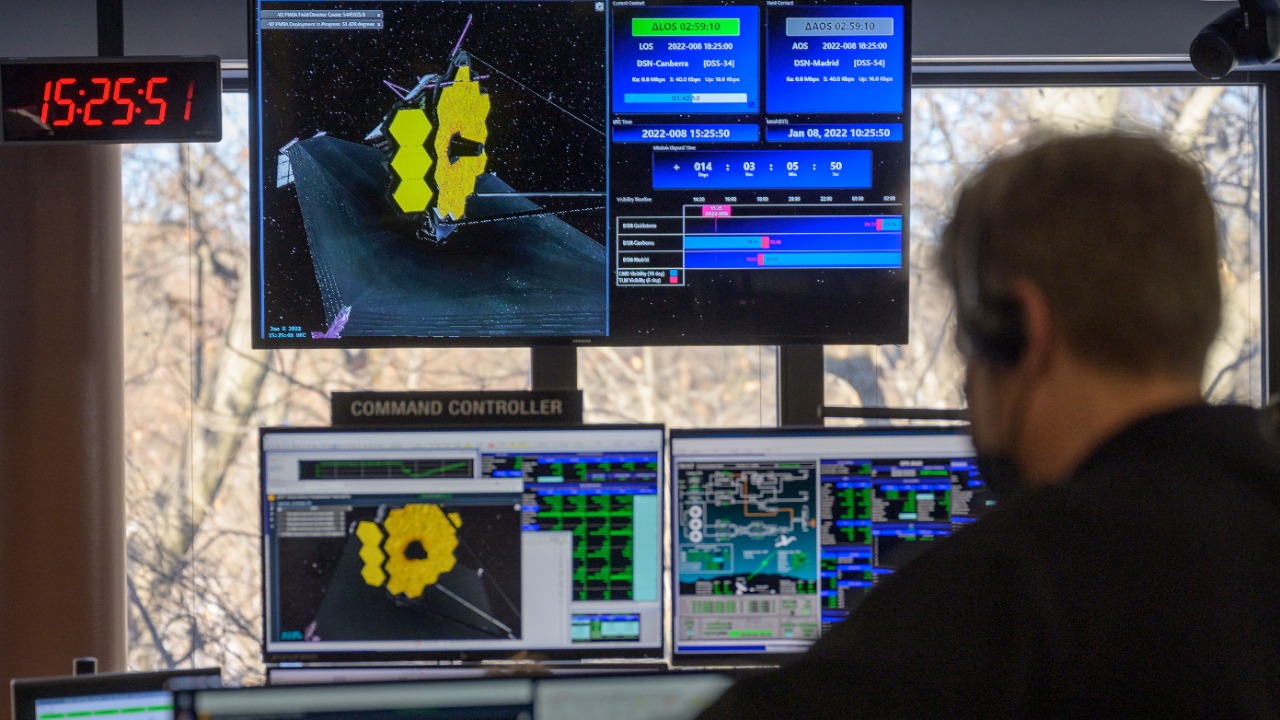
Looking ahead, the future of AI in space exploration and research is promising. As AI technology continues to develop and improve, it will likely play an increasingly significant role in space exploration. For example, AI could be used to analyze the atmospheres of distant planets, potentially identifying signs of life and broadening our understanding of the universe.
However, the use of AI in space exploration does come with its challenges. These include the need for vast amounts of data for AI training and the risk of over-reliance on AI, potentially leading to overlooked anomalies. Despite these challenges, the continual improvements in AI technology are expected to revolutionize our understanding of space. You can learn more about this fascinating topic in this book.
