Researchers have developed a revolutionary thin, solar-powered film that can kill 99.995% of bacteria in contaminated water using only sunlight. This innovative solution offers an efficient method for producing safe drinking water in areas lacking traditional purification systems. By leveraging simple materials activated under natural light, the film achieves rapid disinfection without the need for chemicals or electricity. Its effectiveness was demonstrated in lab tests simulating real-world water contamination scenarios, marking a significant advancement in water purification technology.
The Innovation’s Core Mechanism
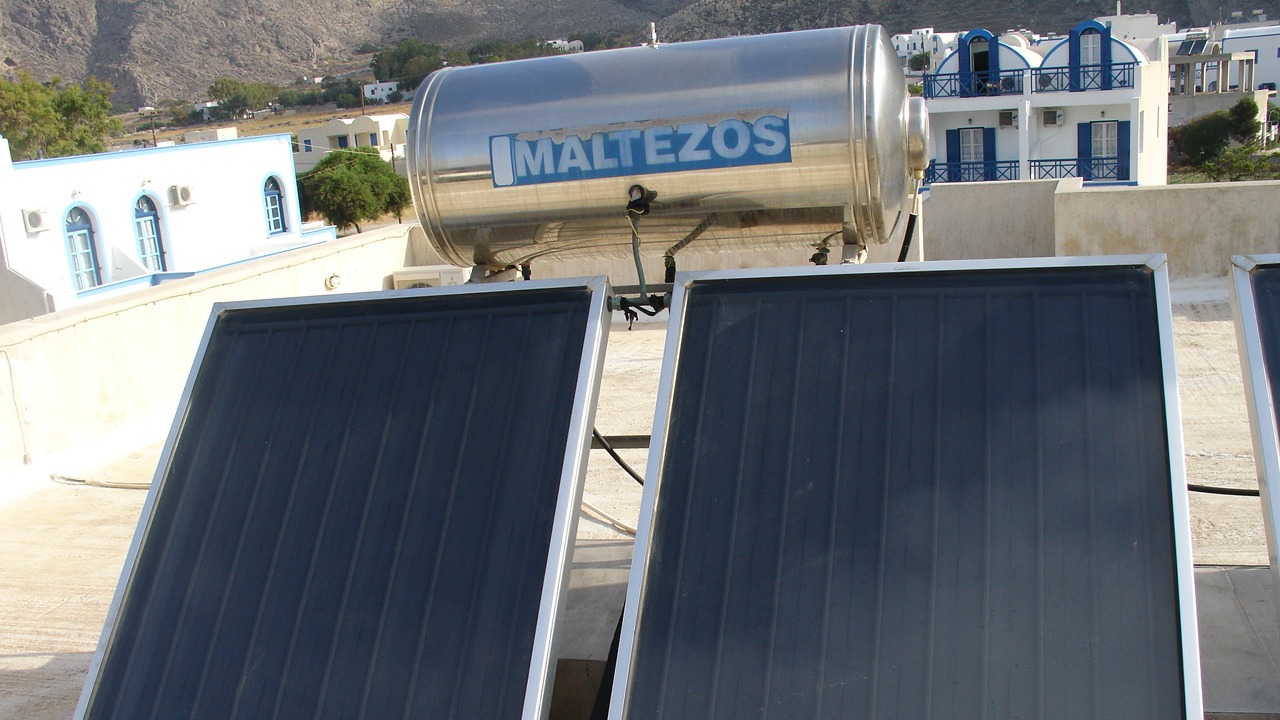
The core mechanism of this sunlight-powered film involves absorbing sunlight to generate localized heat or reactive species that target and destroy bacterial cell walls. This process ensures high efficacy against common waterborne pathogens, making it a potent tool for water purification. The film’s design is both thin and flexible, crafted from low-cost, abundant materials, which allows it to be easily integrated into portable water treatment devices or wrapped around containers. This adaptability makes it suitable for a wide range of applications, from personal use to larger community needs. Interesting Engineering highlights the film’s ability to activate under natural sunlight, requiring no external power source and operating effectively in ambient conditions.
The film’s activation process is particularly noteworthy because it eliminates the need for electricity, making it ideal for remote or off-grid locations. By harnessing the power of the sun, the film provides a sustainable and environmentally friendly solution to water purification. This innovation not only addresses the immediate need for clean water but also contributes to broader environmental goals by reducing reliance on fossil fuels and minimizing the ecological footprint of water treatment processes. Tech Xplore emphasizes the film’s effectiveness in ambient conditions, further underscoring its potential for widespread use.
Development and Research Background

The development of this sunlight-responsive technology was a collaborative effort by scientists specializing in nanomaterials and environmental engineering. Their goal was to create a scalable solution for global use, particularly in regions where access to clean water is limited. The inspiration for this project came from existing solar energy applications in disinfection, with researchers adapting principles from photothermal therapy to tackle water purification challenges in developing regions. This approach not only leverages existing knowledge but also pushes the boundaries of what is possible in water treatment technology.
Throughout the iterative prototyping phase, initial versions of the film were refined to achieve the precise bacterial kill rate of 99.995% without compromising water quality. This meticulous process involved extensive testing and optimization to ensure that the film could consistently deliver high performance. The researchers’ dedication to refining the technology underscores their commitment to providing a reliable and effective solution for those in need. The success of this project demonstrates the power of interdisciplinary collaboration in addressing complex global challenges. Interesting Engineering details the collaborative nature of this research effort.
Testing Results and Efficacy
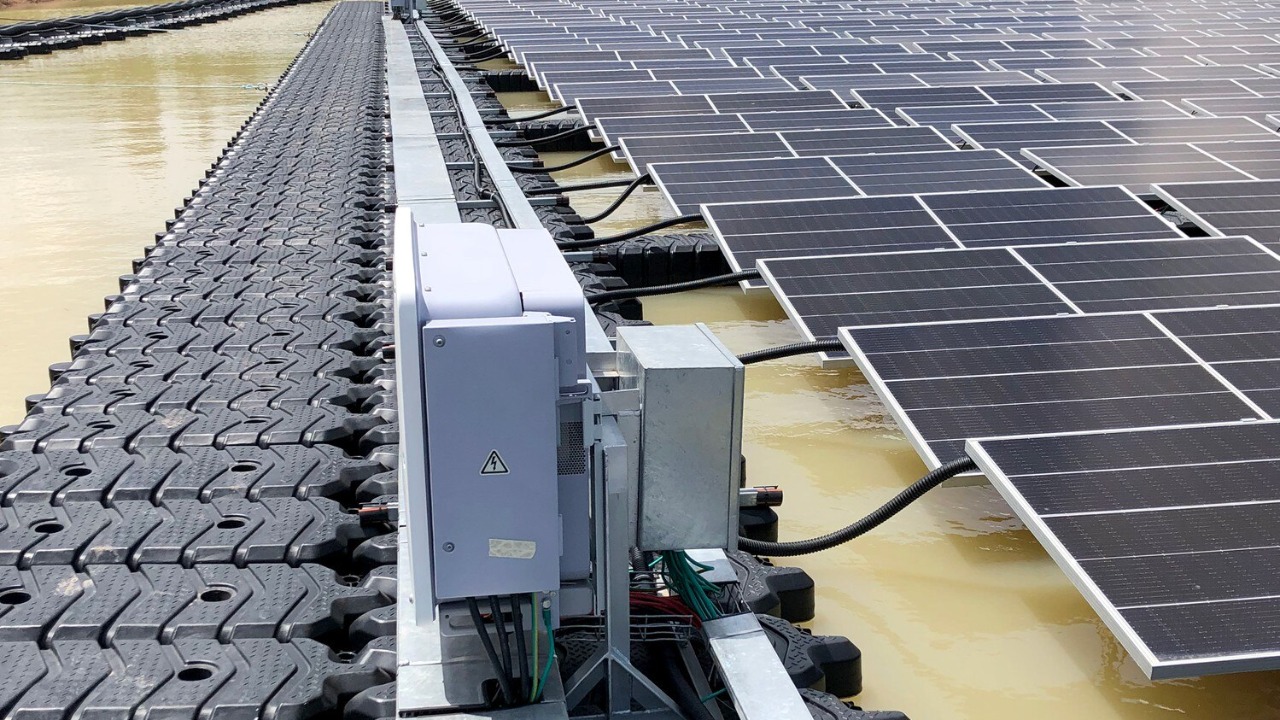
Lab data reveal that the film can eliminate 99.995% of bacteria, including E. coli and other contaminants, within minutes of sunlight exposure in controlled experiments. This rapid disinfection capability is crucial for ensuring that water can be purified quickly and efficiently, especially in emergency situations. The film’s performance was further validated through field simulation tests, where it successfully purified heavily contaminated water samples. These tests demonstrated the film’s effectiveness across varying light intensities and water volumes, highlighting its versatility and reliability in diverse conditions.
When compared to conventional methods like boiling or UV lamps, the film offers significant advantages in terms of energy efficiency and portability. Unlike boiling, which requires fuel and time, or UV lamps, which need electricity, the film operates solely on sunlight, making it a more sustainable and accessible option. This energy-efficient approach not only reduces costs but also minimizes the environmental impact of water purification. Tech Xplore underscores the film’s superior performance in these areas, positioning it as a game-changer in the field of water treatment.
Potential Applications and Challenges

The potential applications of this sunlight-powered film are vast, ranging from deployment in emergency kits to use in rural communities and disaster relief efforts. Its simplicity and effectiveness make it an ideal solution for addressing the global crisis of unsafe drinking water, which affects millions of people worldwide. By providing a reliable source of clean water, the film can significantly improve public health and quality of life in underserved areas. However, there are challenges to overcome, particularly in terms of scalability and mass production costs. Ensuring the film’s durability in harsh environments is also a critical consideration for its widespread adoption.
Ongoing efforts to commercialize the technology are focused on addressing these scalability hurdles, with researchers exploring ways to reduce production costs and enhance the film’s resilience. Additionally, the film offers broader environmental benefits, including reduced plastic waste from single-use filters and minimal ecological impact from its biodegradable components. By integrating sustainable practices into its design and production, the film not only provides a solution to water purification but also contributes to environmental conservation efforts. Interesting Engineering highlights these environmental advantages, emphasizing the film’s potential to make a positive impact on both human health and the planet.
