Submarine-launched missiles represent one of the most formidable elements in modern naval warfare, leveraging stealth and strategic surprise to project power and influence. These advanced systems combine cutting-edge technology with the ocean’s natural concealment to create a transportation system that is as covert as it is devastating.
The Evolution of Submarine-Launched Missiles
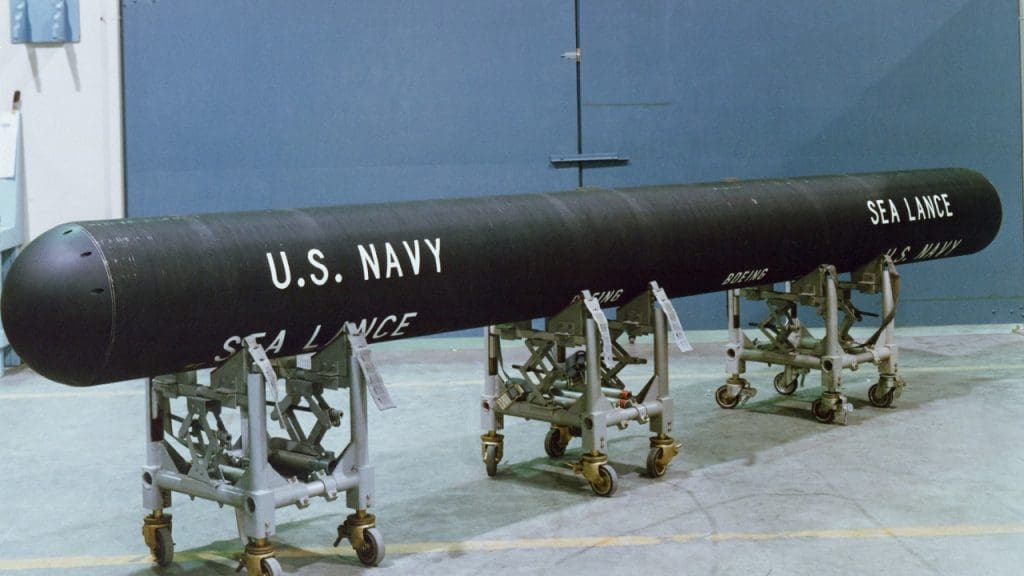
The development of submarine-launched missiles is a fascinating journey that traces back to the early innovations during World War II and the transformative Cold War era. Initially, submarines were primarily focused on anti-surface warfare, but the potential to launch missiles from beneath the ocean’s surface quickly became apparent. This led to a significant shift in naval strategy, as missile submarines were developed to enhance nuclear deterrence capabilities.
Key milestones in this evolution include the introduction of ballistic missile submarines, which dramatically altered the strategic landscape. These submarines, capable of launching nuclear missiles from hidden underwater positions, became pivotal in maintaining a balance of power during the Cold War. Technological advancements in stealth design have further enhanced their effectiveness, making them indispensable assets in modern military arsenals.
Stealth Technology and Submarine Design
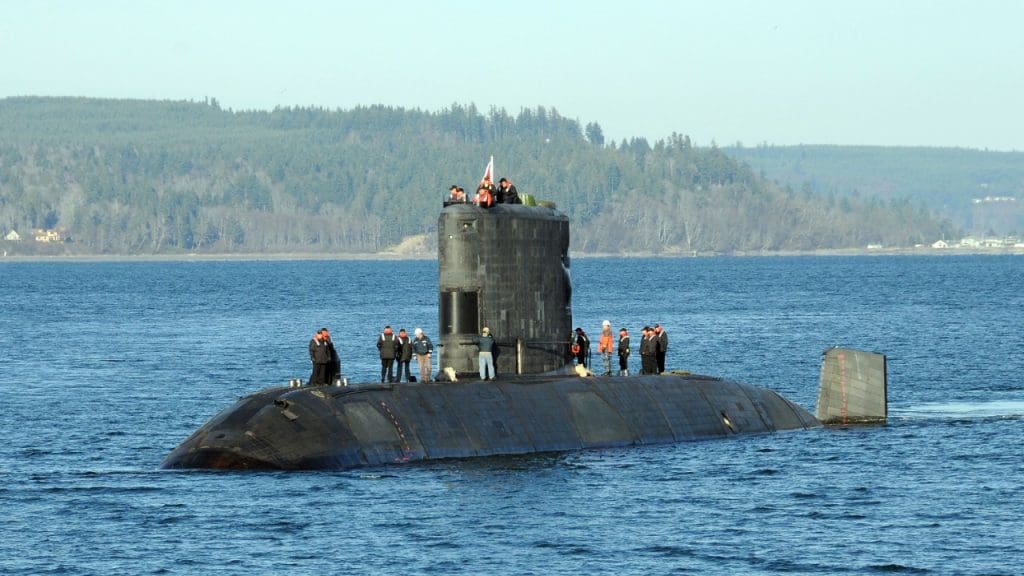
Innovations in submarine stealth technology have played a crucial role in the effectiveness of these vessels. Acoustic quieting technologies, such as anechoic coatings and advanced propeller designs, are vital in reducing noise and evading detection by enemy sonar. Additionally, the use of specialized materials and design techniques minimizes radar and sonar visibility, ensuring these submarines can operate undetected.
Balancing stealth with firepower is an ongoing challenge in submarine design. Integrating advanced missile systems without compromising low detectability requires careful engineering and innovation. Modern submarines, like those highlighted in the AUKUS agreement, exemplify this balance, utilizing cutting-edge technology to maintain their strategic edge.
Modern Capabilities and Strategic Advantages
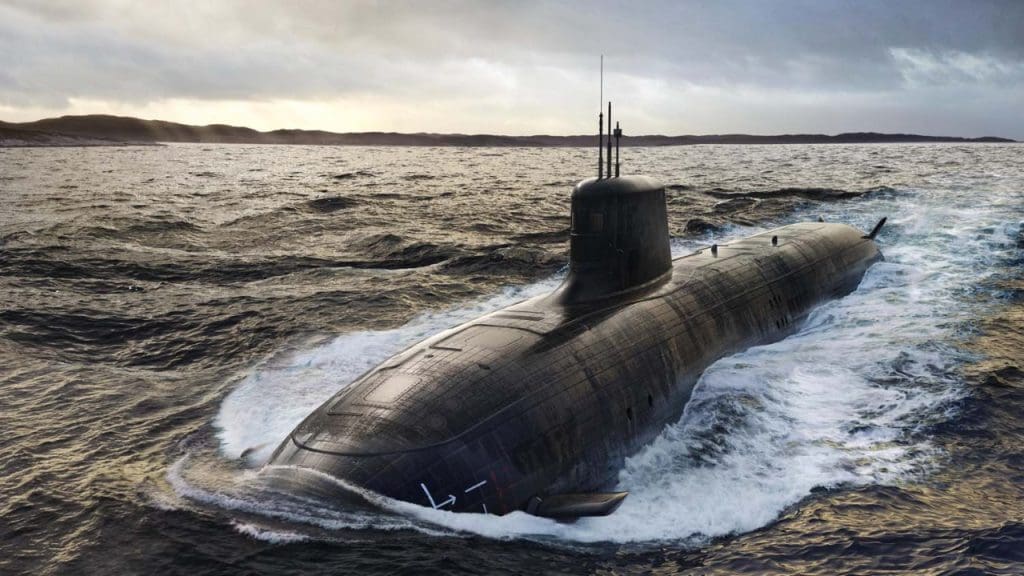
Submarine-launched missiles hold a strategic importance in global military strategy due to their ability to deter aggression and project power covertly. These submarines can launch a variety of missiles, including ballistic and cruise missiles, without revealing their presence, offering unparalleled flexibility and versatility.
Recent advancements have also brought submarine-launched anti-aircraft missiles into focus, enhancing defensive capabilities against aerial threats. As naval warfare evolves, these innovations provide critical countermeasures to emerging threats, ensuring submarines remain formidable in the modern battlefield.
Global Implications and Future Developments
The geopolitical impact of submarine-launched missile systems is profound, influencing the balance of power among nations such as the United States, China, and Russia. The strategic capabilities of these submarines affect international relations and military alliances, as nations seek to maintain or challenge the established order.
Looking ahead, future trends in submarine technology, including artificial intelligence and unmanned systems, promise to redefine underwater warfare. The potential for new forms of propulsion could enhance both stealth and range, further solidifying the role of submarines as pivotal components in military strategy.
Challenges and Ethical Considerations
Despite their advantages, submarine-launched missile systems present significant risks and challenges. The possibility of accidental launches or escalation of conflicts underscores the need for robust safeguards. Technological failures and human errors in these high-stakes environments could have catastrophic consequences.
Ethically, the deployment of stealth technology raises questions about the morality of undetectable military power. The ongoing debates over arms control and the future of submarine-launched nuclear weapons highlight the need for careful consideration of their impact on global security and stability.
