Recent research suggests that the cost of recycling electric vehicles (EVs) could potentially exceed the cost of manufacturing them. This finding could play a significant role in evaluating the true environmental and economic impact of the rapid transition to electric transportation.
Understanding The Electric Vehicle Recycling Process

The recycling process of electric vehicles is complex and challenging. It involves dismantling the car, sorting its components, and processing them for reuse or disposal. One of the primary challenges in recycling EVs is dealing with the batteries, which contain a variety of materials including lithium, cobalt, and nickel. These materials are not only hazardous but also valuable, making the recycling process both risky and potentially profitable.
Compared to traditional internal combustion engine vehicles, electric cars contain more rare earth metals, which are difficult and expensive to extract. This complexity increases the overall cost of recycling, potentially exceeding the manufacturing cost of a new EV.
The Economics of Electric Vehicle Recycling
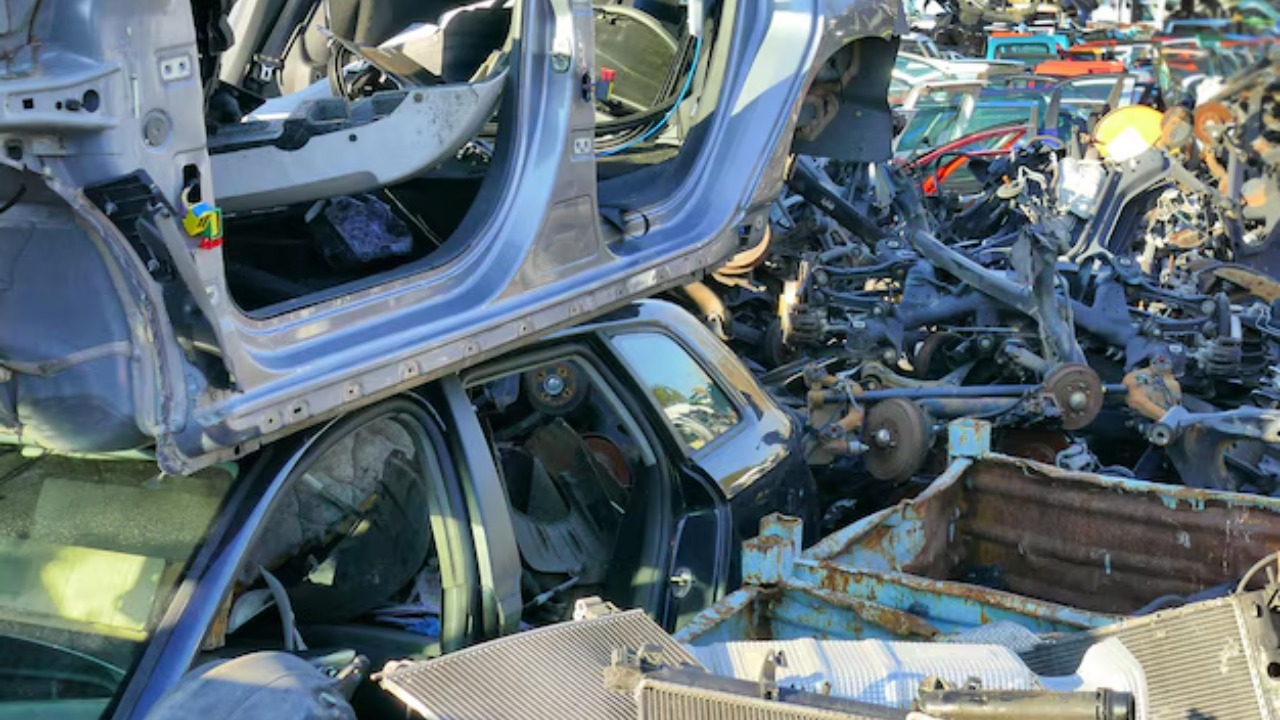
Recycling electric vehicles is an expensive undertaking due to the specialized processes and infrastructure required. The high costs are primarily driven by the need to handle and process the wide range of materials used in EVs, particularly the batteries. For instance, lithium-ion batteries require a specific recycling process to recover valuable metals while ensuring safe disposal of hazardous components.
These high costs raise questions about the economic sustainability of electric vehicle recycling. If recycling costs more than manufacturing, it could discourage automakers from investing in recycling programs. This could negatively affect the electric vehicle industry, leading to environmental concerns.
Environmental Implications of Electric Vehicle Recycling
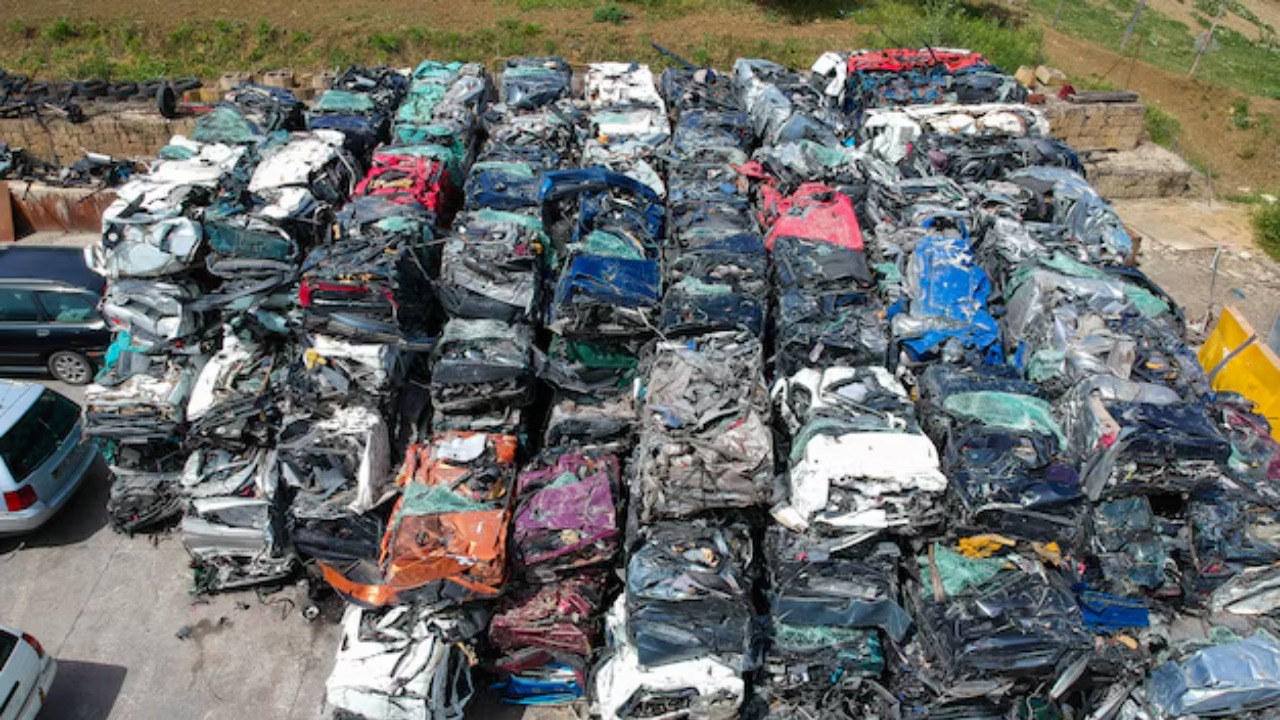
The production of electric vehicles has a significant environmental impact. Manufacturing EVs, particularly the batteries, requires a substantial amount of energy, often derived from fossil fuels. However, a study suggests that electric cars are getting cleaner faster as the energy grid becomes more renewable.
On the other hand, recycling EVs could potentially increase their overall carbon footprint if the recycling process is not sustainable. However, the development of more sustainable recycling processes could mitigate these environmental concerns, making EVs an even more environmentally friendly choice.
The Lifespan of Electric Vehicles and Their Components
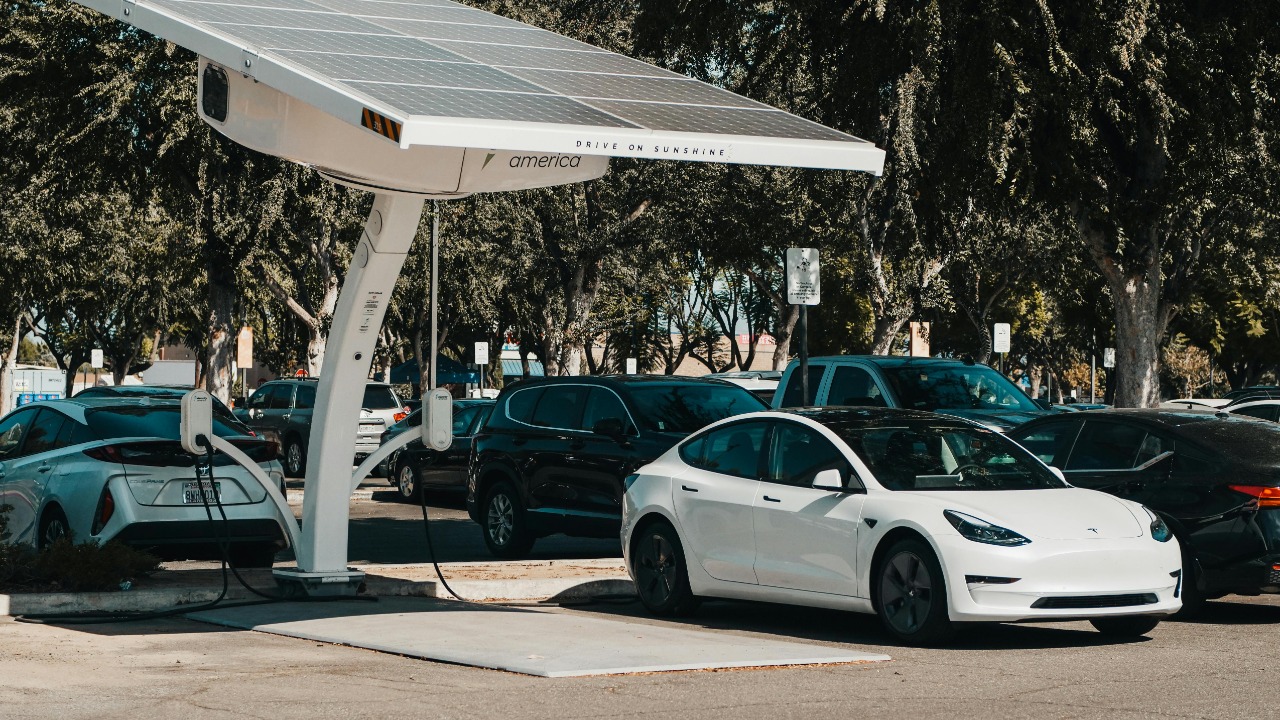
The lifespan of electric vehicles and their batteries is a key factor in determining the frequency and costs of recycling. Recent research has shown that EV batteries may last much longer than expected, suggesting that the need for recycling could be less frequent than initially anticipated.
Moreover, a study from Germany found that electric vehicles are more reliable than conventional vehicles, indicating that they may have a longer lifespan. This reduced frequency of recycling could help offset the high costs associated with the recycling process.
Future Developments in Electric Vehicle Recycling

Despite the current challenges, there are promising developments in the field of electric vehicle recycling. Ongoing research and development aim to make the recycling process more cost-effective and efficient. For instance, new methods are being explored to recover and reuse rare earth metals from EV batteries.
Furthermore, policy and regulation have a significant role to play in promoting better recycling practices. Governments and regulatory bodies can incentivize sustainable recycling through subsidies and tax incentives. Looking forward, the field of electric vehicle recycling will likely continue to evolve in response to the rising demand for electric vehicles and the need for more sustainable recycling solutions.
