Electric vehicles (EVs) have risen in popularity due to their sustainability and cost-effectiveness. However, new findings indicate that some EVs may lose up to 50% of their range in colder climates, sparking questions about their practicality in certain weather conditions.
The Impact of Cold Weather on EVs
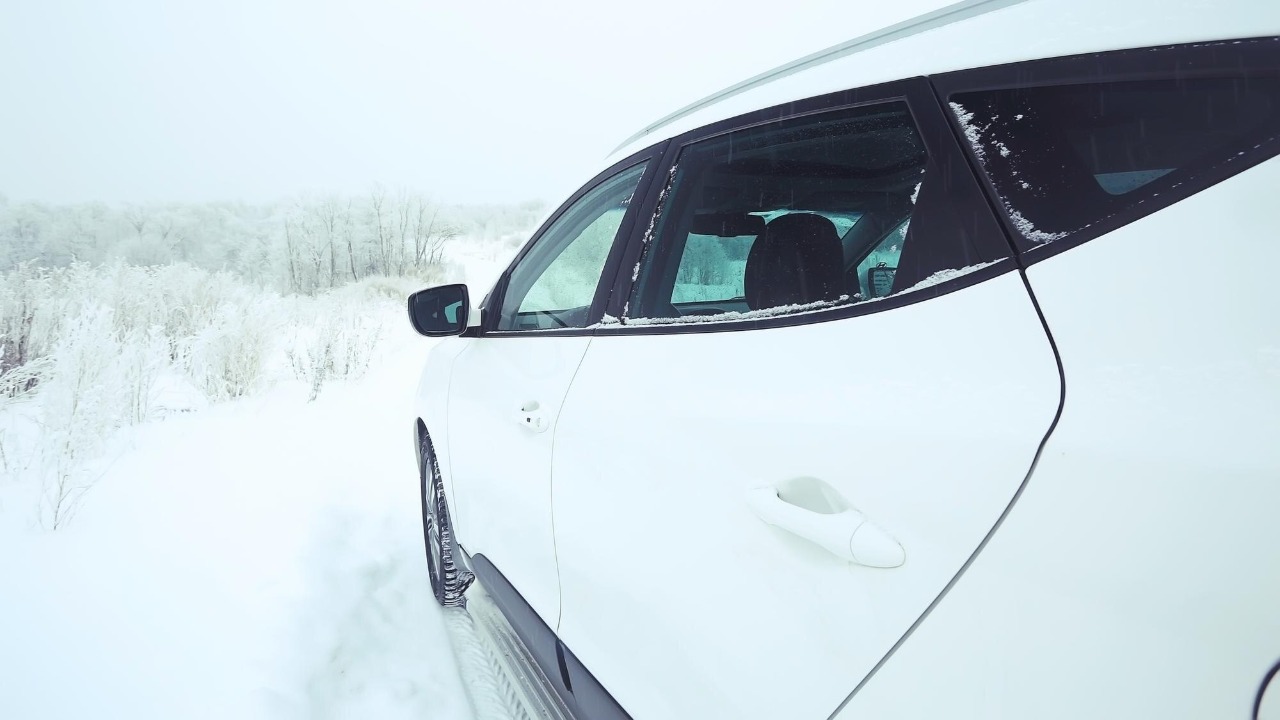
The performance of an EV’s battery is significantly impacted by temperature. According to scientific understanding, a decrease in temperature increases the internal resistance of lithium-ion batteries commonly used in EVs, leading to a reduction in capacity and consequent decrease in vehicle range. This phenomenon is supported by recent studies that have shown a substantial range loss in cold weather.
This range loss can cause problems, especially for drivers in colder climates. The reduction in range can result in frequent recharging, leading to increased inconvenience and potential range anxiety. Drivers may find themselves unable to complete longer journeys without stopping to recharge, and the availability of charging stations in their area could become a critical factor.
Specific EVs That Suffer Significant Range Loss
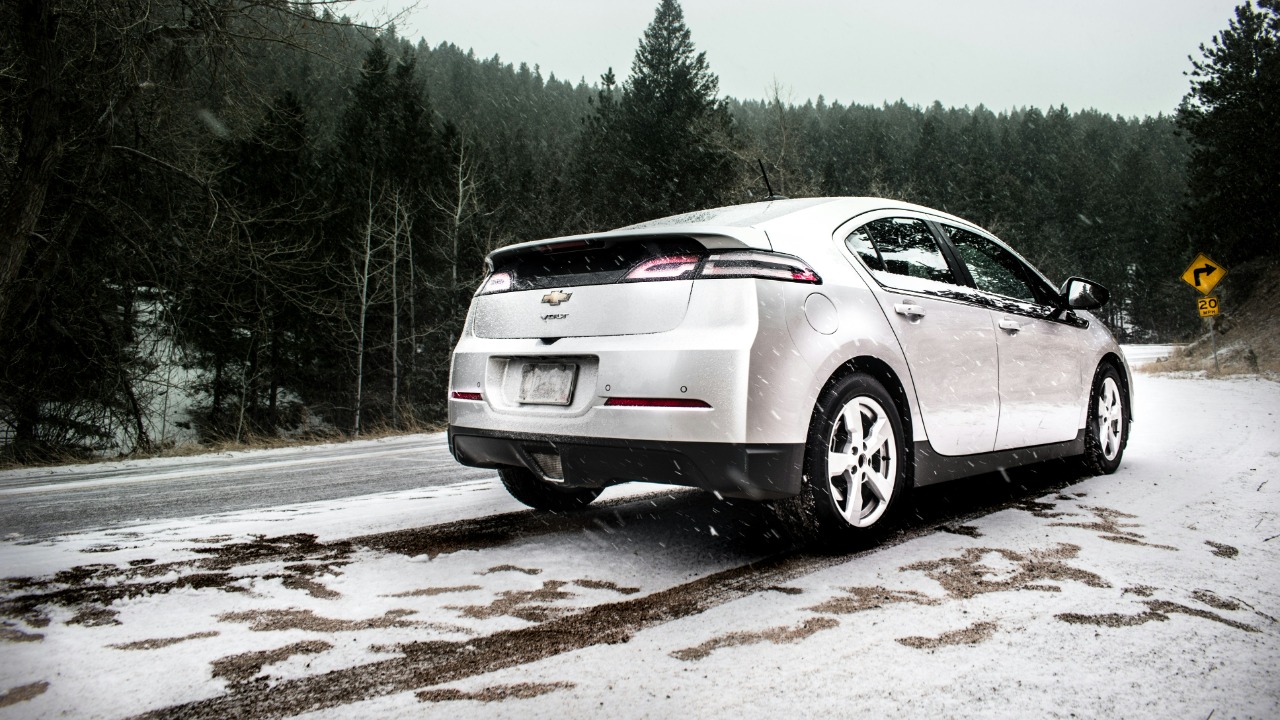
A recent study by Recurrent showed that certain EV models like the Nissan Leaf and BMW i3 can lose up to half of their range in cold weather. These models do not have a thermal management system for their batteries, which could explain their vulnerability to cold weather.
Manufacturers of these vehicles have acknowledged the issue. Nissan, for example, specifies in the owner’s manual that the range of the Leaf can decrease in cold weather. However, it is important for potential buyers to be aware of this issue when considering the purchase of an EV, especially if they live in a colder climate.
Comparison with Other EVs and Traditional Cars
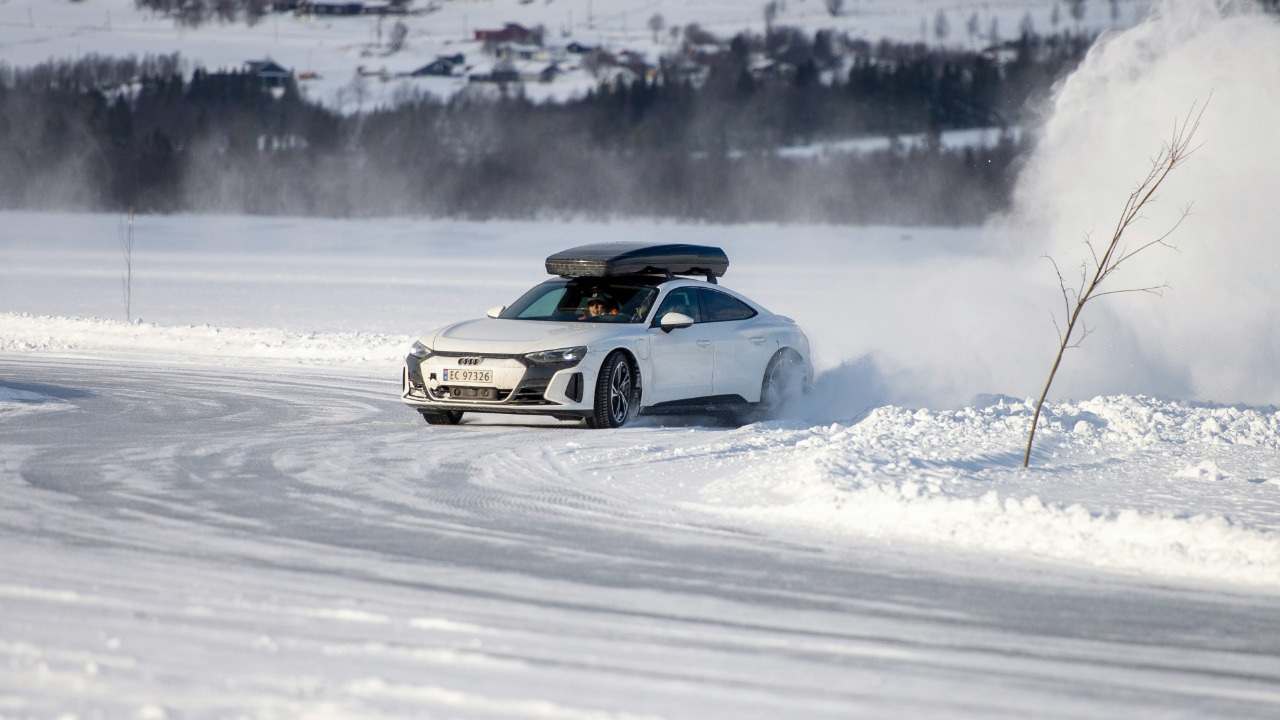
Not all EVs are affected in the same way by cold weather. For example, Tesla’s Model S and Model 3, which have sophisticated thermal management systems for their batteries, exhibit a less significant range loss. This indicates that technological solutions can help mitigate the impact of cold weather on EV range.
It’s also worth comparing EVs to traditional gasoline or diesel vehicles. While internal combustion engine (ICE) vehicles can also experience a decrease in efficiency in cold weather, the effect is not as pronounced as it is in EVs. This is due to the fact that ICE vehicles generate waste heat, which can be used to heat the cabin, whereas EVs must draw power from the battery for heating.
Technological Solutions and Advancements
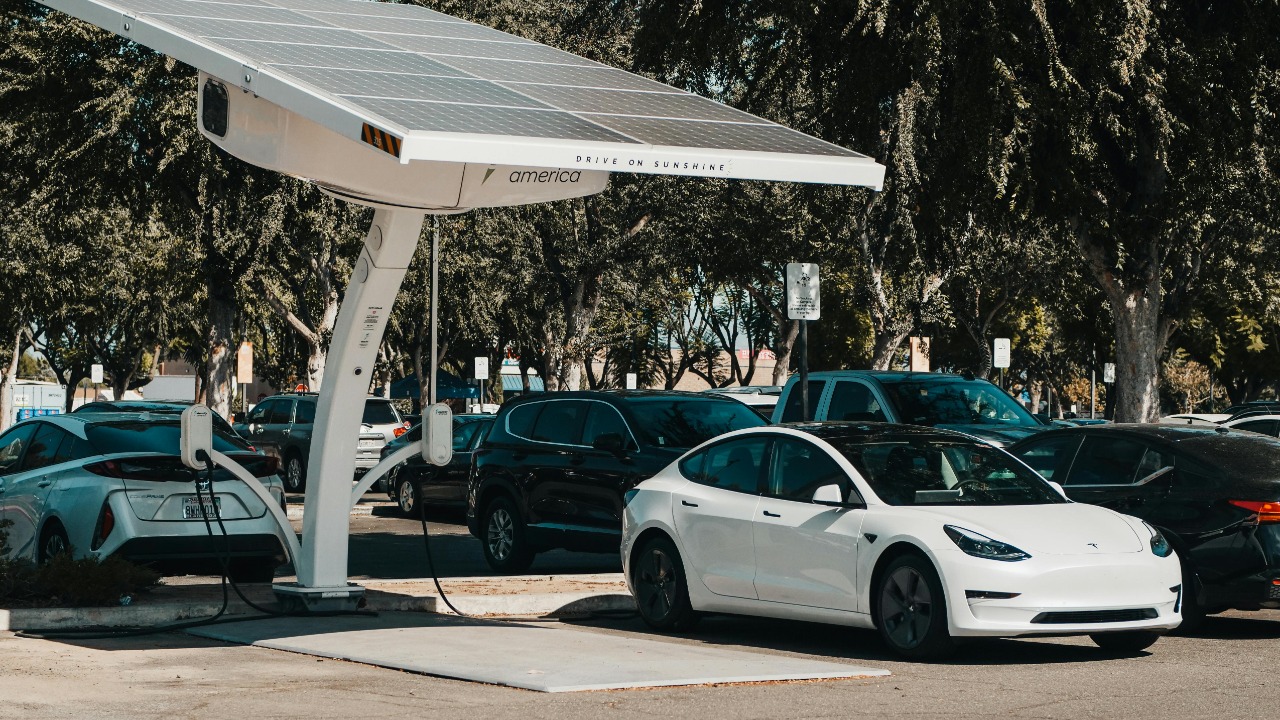
There are several technological solutions that can help to reduce the impact of cold weather on EV range. These include better insulation of the battery pack, heated battery systems, and more efficient heating systems for the cabin. Some manufacturers, like Tesla, are already implementing these solutions in their vehicles.
However, these solutions can add to the cost of the vehicle, making it less affordable for the average consumer. It remains to be seen whether the added cost can be offset by the benefits of increased range and reduced charging frequency in cold weather.
What This Means for the Future of EVs
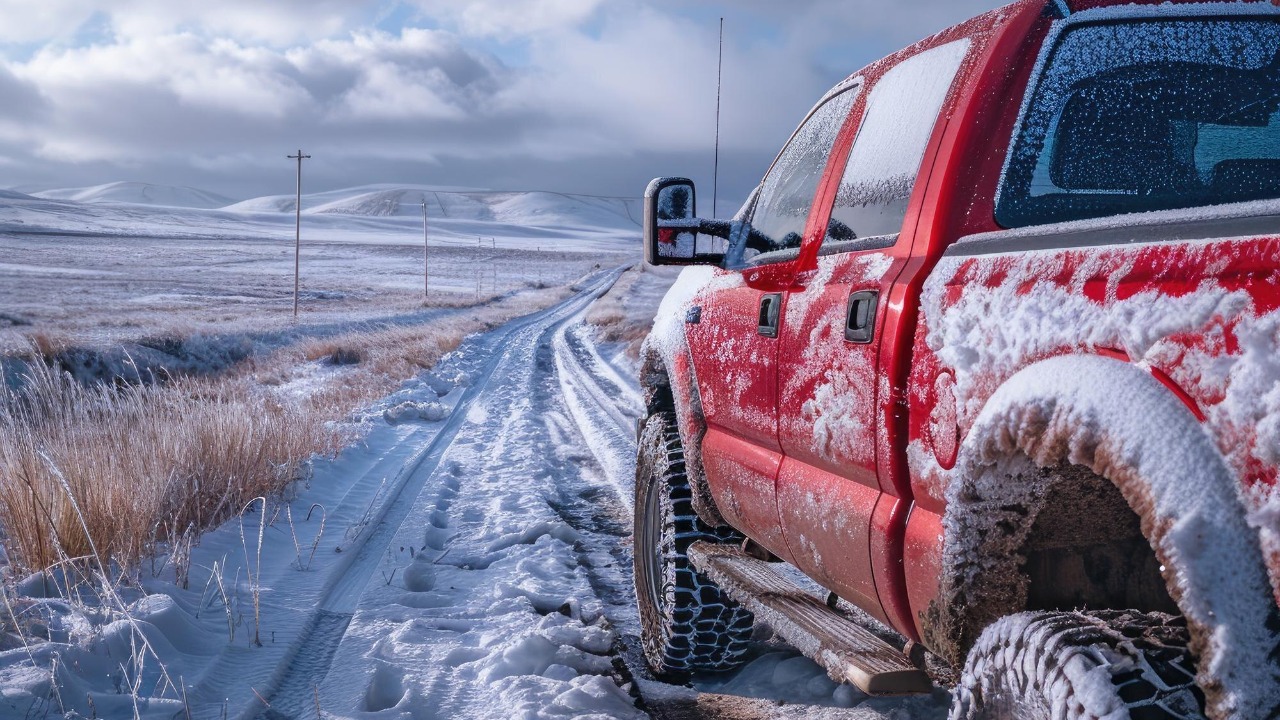
The findings of this study have important implications for the future adoption of EVs. In colder climates, the range loss could be a significant factor in the decision to purchase an EV. Manufacturers and policymakers will need to address this issue to ensure that EVs are a viable option for consumers in these regions.
Furthermore, this issue could have an impact on the broader goals of reducing carbon emissions and achieving sustainable transportation. As New York City’s government found, the reduced range of EVs in cold weather can limit their usefulness in certain applications, potentially slowing down the transition to electric vehicles.
In conclusion, while EVs offer many benefits, it is clear that cold weather can have a significant impact on their range. This issue will need to be addressed by manufacturers and policymakers as the adoption of EVs continues to grow.
