Recent studies suggest that our galaxy, the Milky Way, may be situated in a cosmic void, a revelation that could potentially resolve some complex cosmological mysteries. The exploration of these studies unveils fascinating insights into our cosmic address and its potential implications.
Understanding Cosmic Voids

Cosmic voids are vast, virtually empty spaces in the universe that are devoid of matter, especially galaxies. They are often spherical and can range in diameter from 10 to 100 megaparsecs. These seemingly empty expanses play a crucial role in the structure of the universe, as they constitute a significant part of the large-scale structure known as the cosmic web.
In essence, the universe’s structure is a cosmic web of galaxies, dark matter, and gas, where cosmic voids are the spaces between the web’s filaments. These voids influence the distribution and evolution of galaxies and galaxy clusters, thereby shaping the universe’s structure.
The KBC Void
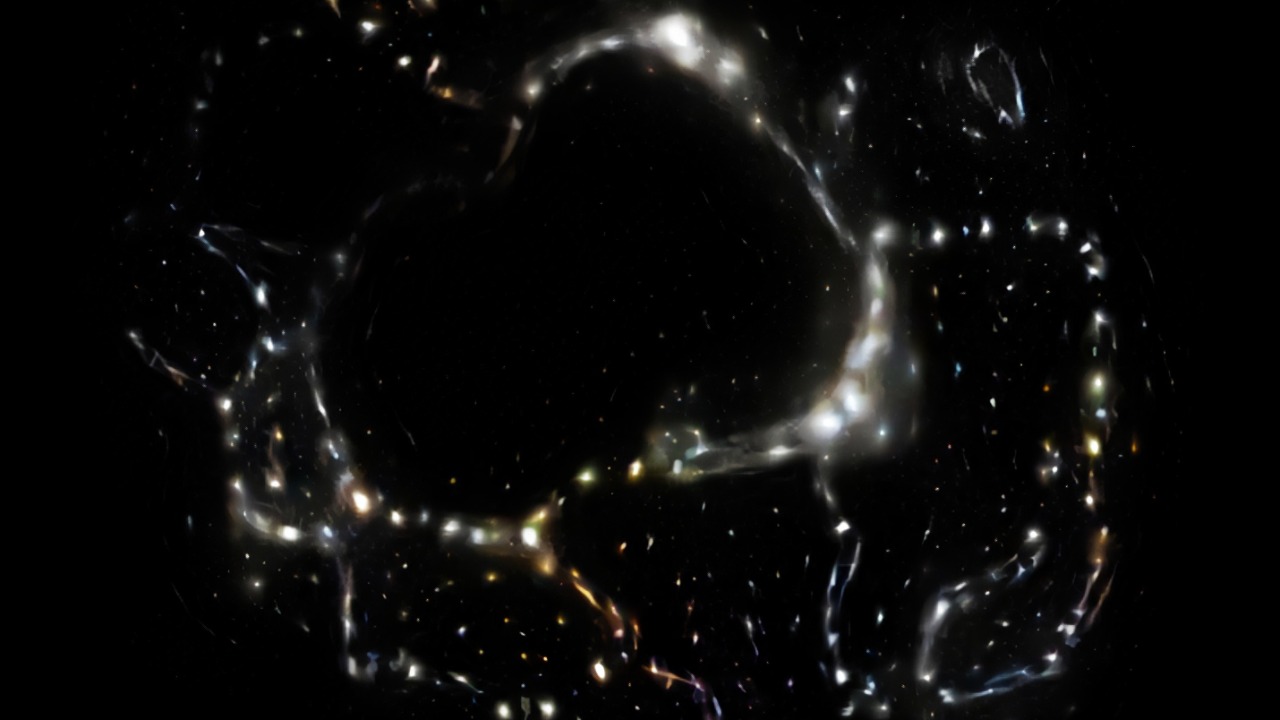
The KBC void, named after astronomers Keenan, Barger, and Cowie, is one of the largest known cosmic voids. It is approximately 1 billion light-years across, making it significantly larger than typical voids. Its immensity has led to the proposition that our galaxy, the Milky Way, might be residing within this vast emptiness.
The evidence supporting this theory primarily comes from observations of the cosmic microwave background radiation and the apparent isotropy in the universe’s large-scale structure. These observations align with the idea that the Milky Way could be situated in the KBC void. However, this theory remains a topic of ongoing research and discussion within the scientific community.
Implications of Residing in a Cosmic Void

If our galaxy does indeed reside in a cosmic void, it could have significant implications for our understanding of the universe’s expansion. Observations from a void can lead to the perception that the universe is expanding faster than it actually is. This is due to the lower density of galaxies in voids, which influences the interpretation of redshift measurements used to gauge cosmic expansion.
This could also potentially help reconcile the ongoing Hubble tension, a discrepancy between different measurements of the universe’s expansion rate. If we are indeed in a cosmic void, the local measurements of the universe’s expansion rate could be artificially inflated, thereby aligning it with the lower rate observed on a cosmic scale.
Challenges and Controversies
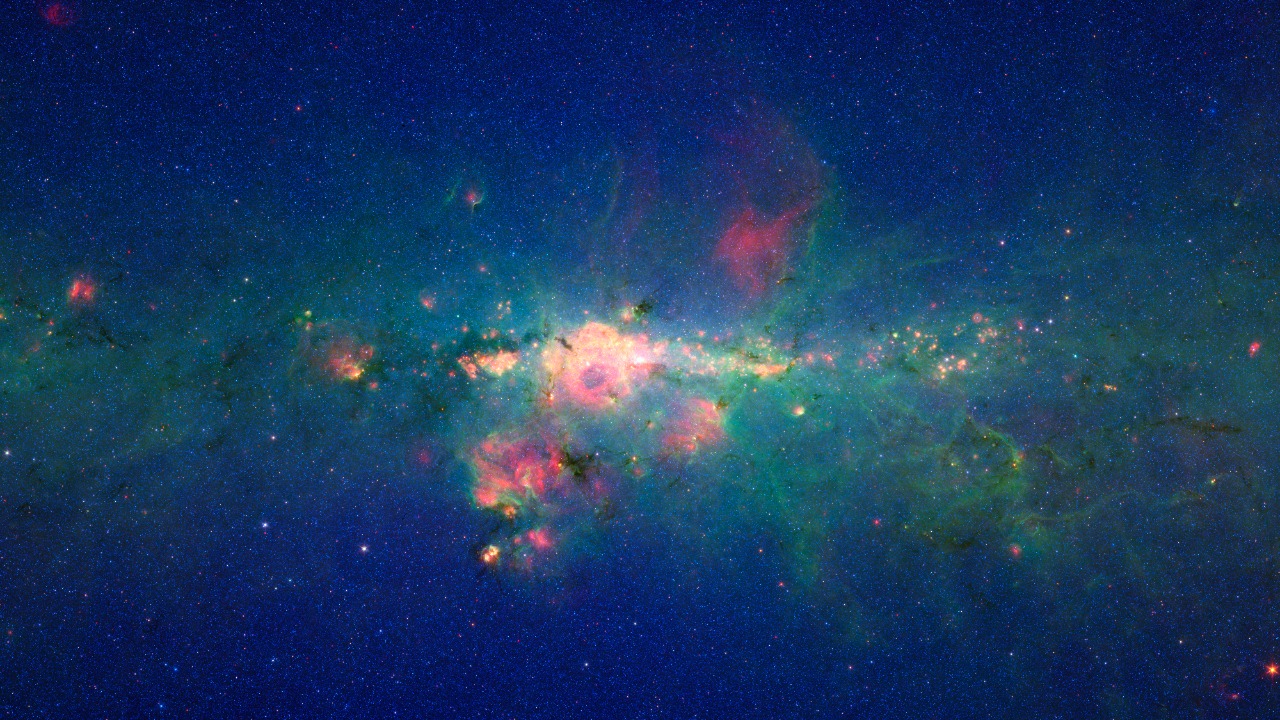
While the idea of the Milky Way residing in a cosmic void is compelling, it is not without its challenges and controversies. Some scientists argue that the evidence is not robust enough and that other interpretations of the data are possible. For instance, the isotropy observed could also be explained by the Copernican Principle, which posits that the Earth is not in a unique or central position in the universe.
Moreover, this theory’s implication on the Hubble tension is also a point of contention. While it could potentially resolve this issue, it relies on the assumption that we are indeed in a void, which is still a matter of debate. As such, the theory requires further validation through additional research and data analysis.
Future Research Directions
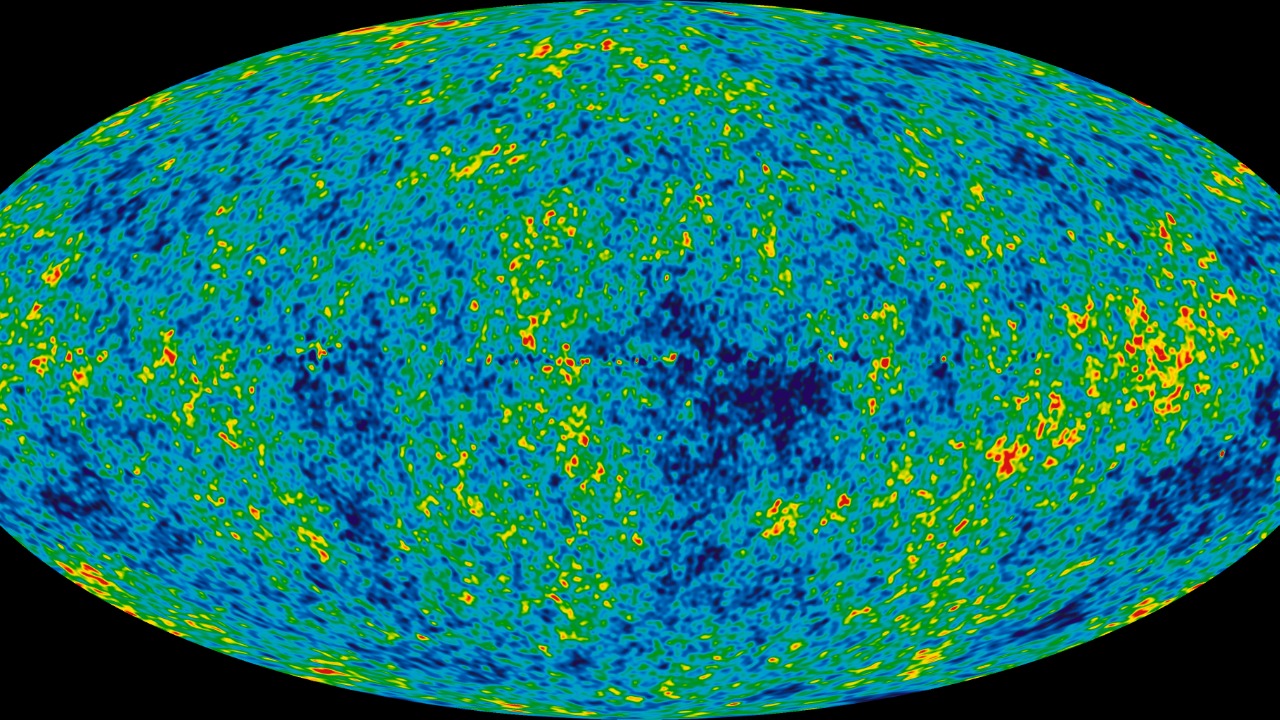
Addressing these challenges requires further research and innovative approaches. Future studies could focus on obtaining more precise measurements of the universe’s large-scale structure and the cosmic microwave background radiation. These could provide stronger evidence for the Milky Way’s location in the KBC void.
Moreover, investigations into the implications for the Hubble tension and the universe’s expansion rate would also be crucial. These studies could either strengthen the cosmic void theory or point towards new avenues in cosmology. Regardless of the outcome, these research directions promise to enhance our understanding of the universe and our place within it.
