A groundbreaking 10-year study conducted by King’s College London has unveiled a surprising correlation between leg strength and brain health, suggesting that physical fitness might be a more reliable predictor of cognitive function than genetic predispositions. The study’s findings challenge traditional notions of brain health determinants and open new avenues for preventative health strategies.
The Study: A Decade of Discovery
Research Methodology
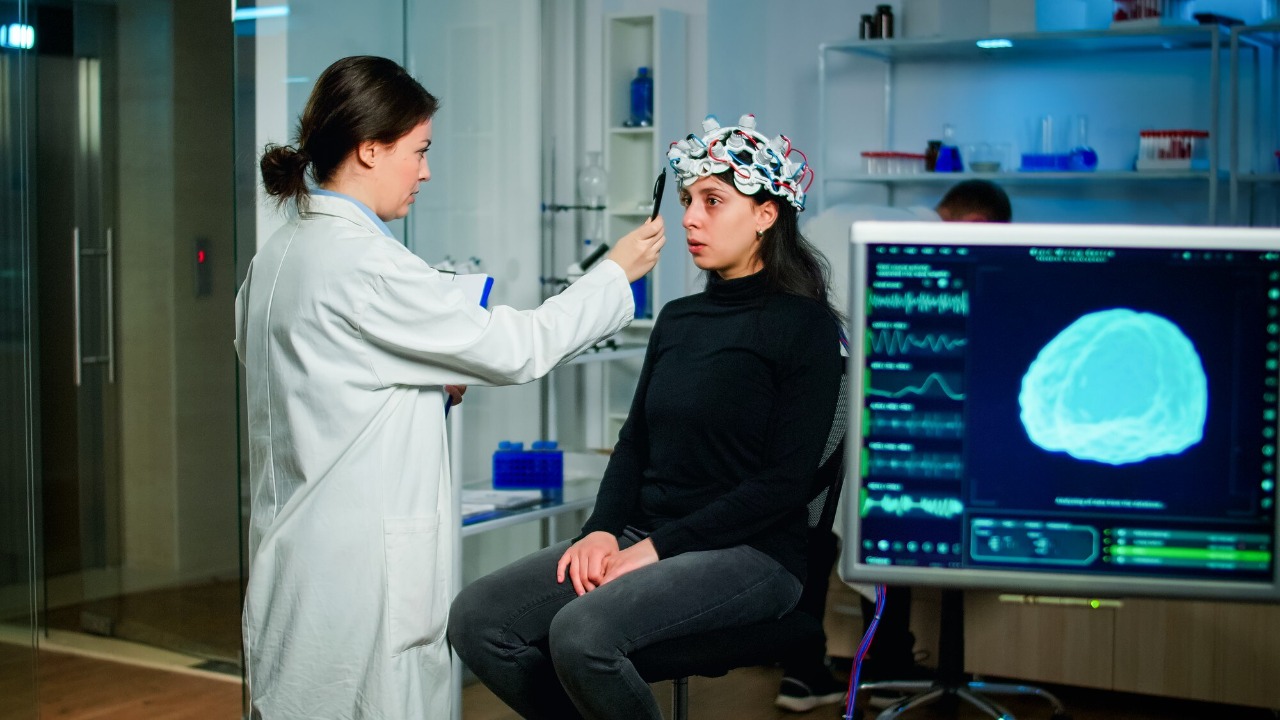
The study, conducted over a decade, involved a diverse group of participants, varying in age, gender, and genetic background. Researchers employed a longitudinal approach, tracking changes in both physical fitness and cognitive health over time. Data collection methods included regular assessments of muscle strength, particularly focusing on leg strength, alongside cognitive testing to gauge brain function.
Participants were subjected to a series of strength tests, and their results were compared to cognitive assessments conducted periodically. This comprehensive approach allowed the researchers to observe trends and patterns that emerged over time, contributing to the study’s robust conclusions.
Key Findings
The study revealed that leg strength stood out as a statistically significant predictor of brain health, surpassing even genetic factors. Participants with greater leg strength exhibited better cognitive outcomes, such as enhanced memory and quicker information processing. In contrast, those with weaker leg muscles showed a higher likelihood of cognitive decline, regardless of their genetic predispositions.
These findings suggest that while genetics play a role in brain health, the influence of physical fitness, particularly leg strength, may be more profound. This challenges the conventional wisdom that genetics are the primary determinant of cognitive health and highlights the potential of physical fitness as a modifiable factor in maintaining brain function.
The Science Behind Leg Strength and Brain Health

Neurological Connections
The physiological link between muscle strength and brain function lies in the body’s intricate systems. Strong leg muscles contribute to improved blood circulation, ensuring a steady supply of oxygen and nutrients to the brain. Additionally, exercise stimulates the release of neurotrophic factors, proteins that support neuron growth and survival, thereby enhancing cognitive health.
Research indicates that these neurotrophic factors play a critical role in brain plasticity, the ability of the brain to reorganize itself by forming new neural connections. This process is essential for learning and memory, underscoring the importance of physical activity in maintaining cognitive function.
Muscle-brain Communication
Leg muscles communicate with the brain through various hormonal and chemical pathways. During physical activity, the body releases hormones such as endorphins, which not only improve mood but also enhance cognitive performance. Regular exercise also stimulates the production of chemical messengers that promote brain health, contributing to improved memory and concentration.
The impact of physical activity on brain plasticity is profound. Studies have shown that individuals who engage in regular leg-strengthening exercises experience slower cognitive decline and are better equipped to adapt to new cognitive challenges. This underscores the vital role that physical fitness plays in preserving and enhancing brain health.
Implications for Health and Fitness

Preventative Health Strategies
The study’s findings suggest that exercise programs targeting leg strength could play a crucial role in mitigating cognitive decline. By incorporating leg-strengthening exercises into routine health check-ups, individuals can proactively enhance their cognitive health and reduce the risk of cognitive impairments.
Healthcare providers are encouraged to integrate these findings into their practice, advocating for regular physical assessments that include evaluations of muscle strength. This proactive approach can help identify individuals at risk of cognitive decline and provide them with tailored exercise programs.
Policy and Public Health Recommendations
These findings call for a shift in public health initiatives, emphasizing the importance of physical fitness in maintaining brain health. Policymakers are urged to promote exercise programs that focus on enhancing leg strength, making them accessible to all age groups.
Healthcare providers should also focus on physical assessments as part of routine check-ups, encouraging patients to engage in exercises that target leg strength. Public health campaigns can play a pivotal role in raising awareness about the cognitive benefits of physical fitness, motivating individuals to adopt healthier lifestyles.
Challenging Genetic Determinism
Redefining Brain Health Predictors
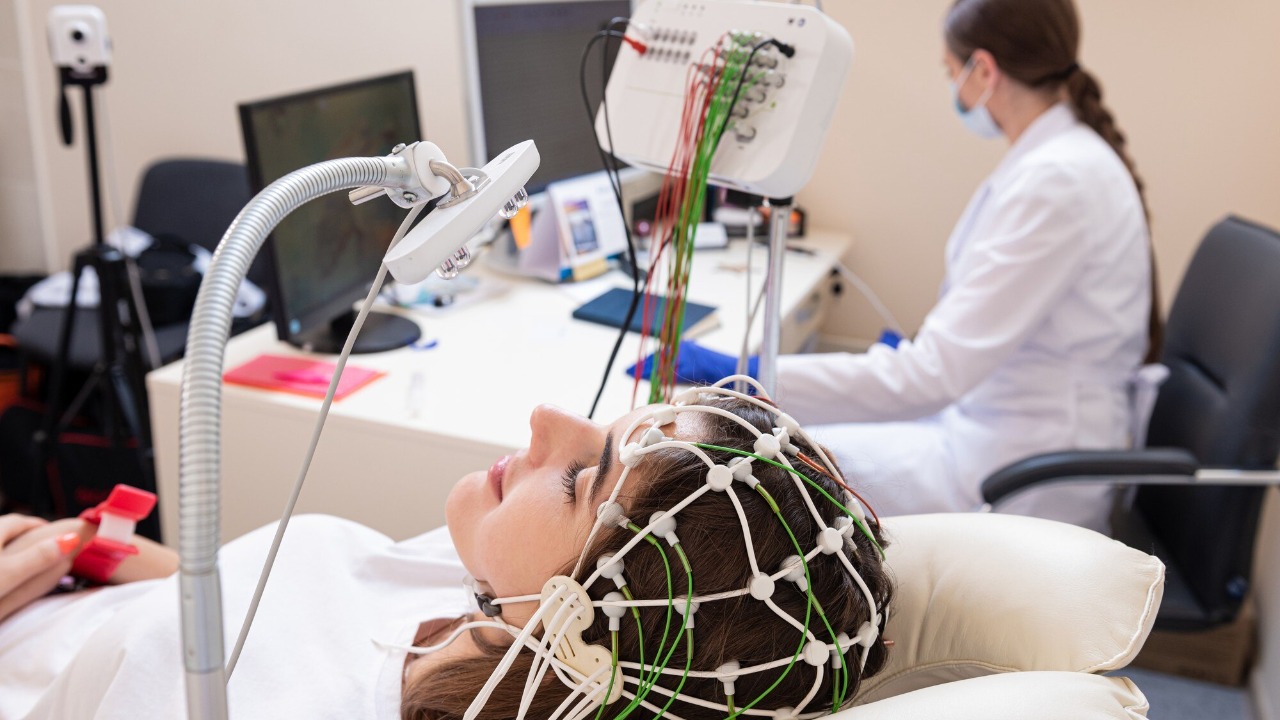
The study challenges the traditional emphasis on genetics as the primary predictor of cognitive health. By highlighting the significant impact of physical fitness, particularly leg strength, the research redefines our understanding of brain health determinants.
While genetics undoubtedly play a role, lifestyle factors such as physical activity can outweigh genetic predispositions. This paradigm shift encourages individuals to take an active role in their health, emphasizing the importance of exercise in maintaining cognitive function.
Future Research Directions
The study opens the door for further exploration into the interplay between genetics and physical fitness. Researchers are encouraged to investigate other physical attributes that may serve as potential predictors of brain health, expanding our understanding of cognitive function determinants.
Future studies could explore the impact of different types of exercises on brain health, providing valuable insights into the most effective strategies for enhancing cognitive function. By continuing to investigate the relationship between physical fitness and brain health, we can develop more comprehensive approaches to preventing cognitive decline.
Broader Societal Impact
Changing Perspectives on Aging
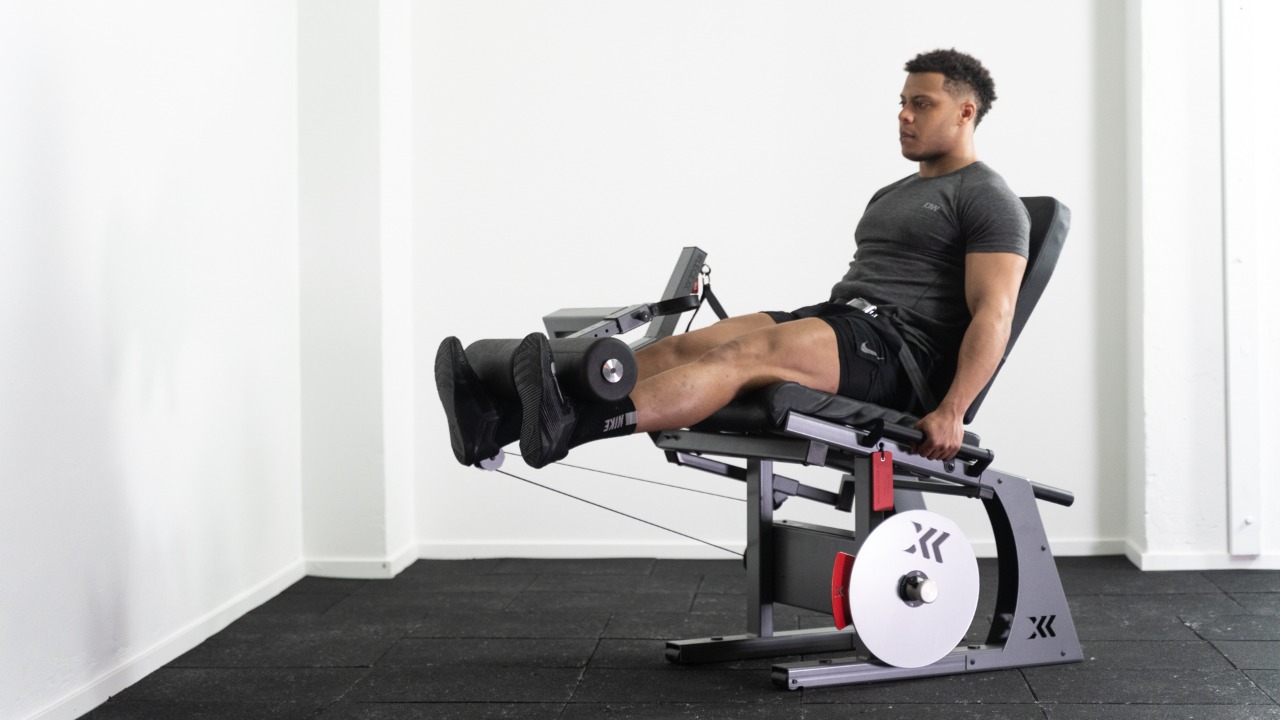
The study’s findings have the potential to transform societal attitudes toward aging and cognitive health. By emphasizing the role of physical fitness, particularly leg strength, in maintaining brain health, the research encourages older adults to engage in strength training exercises.
This shift in perspective empowers individuals to take control of their cognitive health, promoting a more active and engaged approach to aging. By incorporating leg-strengthening exercises into their routines, older adults can enjoy improved brain function and a better quality of life.
Educational Outreach and Awareness
Disseminating the study’s findings to a broader audience is crucial for increasing awareness of the importance of physical fitness in maintaining cognitive health. Educational curricula and public health campaigns can integrate these insights, promoting a more comprehensive understanding of brain health determinants.
Strategies for increasing awareness could include workshops, seminars, and community programs that highlight the cognitive benefits of exercise. By reaching a wide audience, these initiatives can encourage individuals of all ages to prioritize physical fitness, ultimately enhancing overall brain health.
