The cosmos, in its vast expanse, continues to reveal awe-inspiring mysteries. The latest of these enigmas is a color-changing object that is making its way into our star system. The object’s unique transformations and its trajectory into our own backyard offer an intriguing opportunity to explore and deepen our understanding of the universe.
Discovery of the Mysterious Object
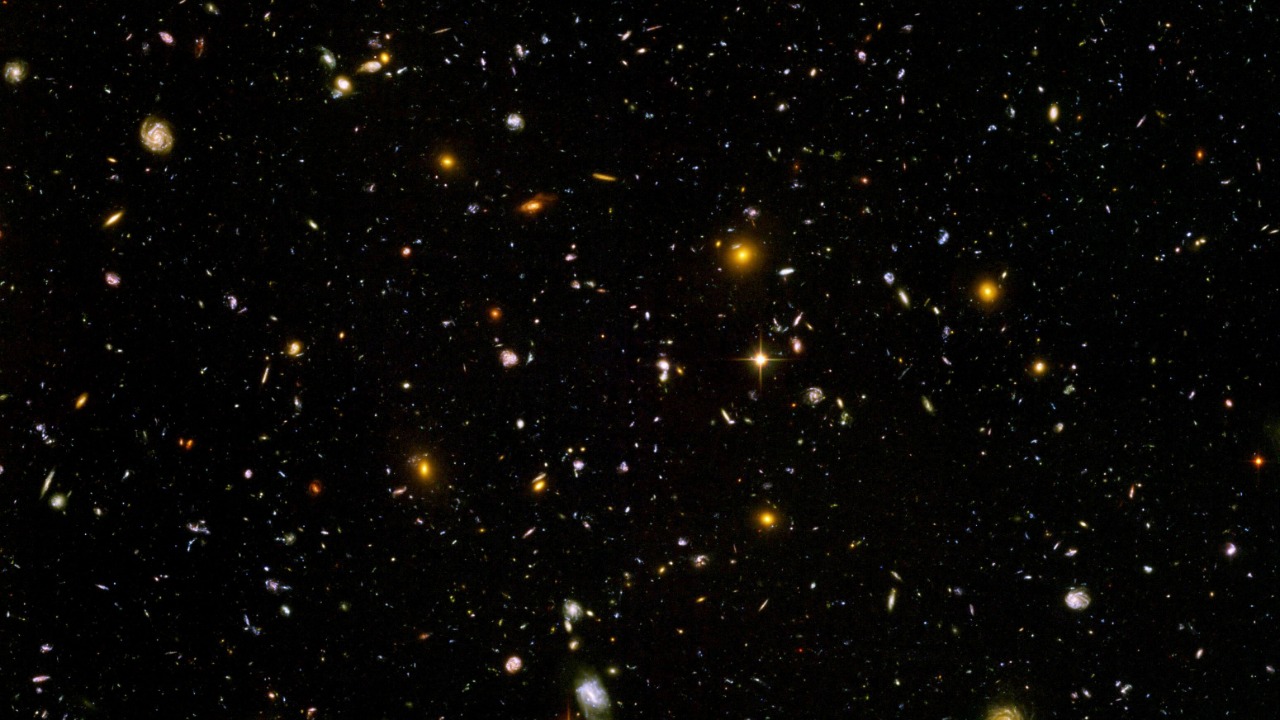
Astronomers first noticed the object with its intriguing color changes a while ago. Initially, it appeared to be a distant celestial body with a steady, uniform color. However, as time passed and it moved closer to our star system, the object began to exhibit surprising shifts in its color.
The object’s trajectory initially led it into our star system, which piqued the interest of astronomers worldwide. It was this unusual path, combined with the object’s color changes, that marked it as something worth further investigation. The object’s initial behavior and color were consistent with many far-off celestial bodies, but its subsequent transformations have left scientists intrigued and eager to learn more.
Understanding the Phenomenon of Color Change
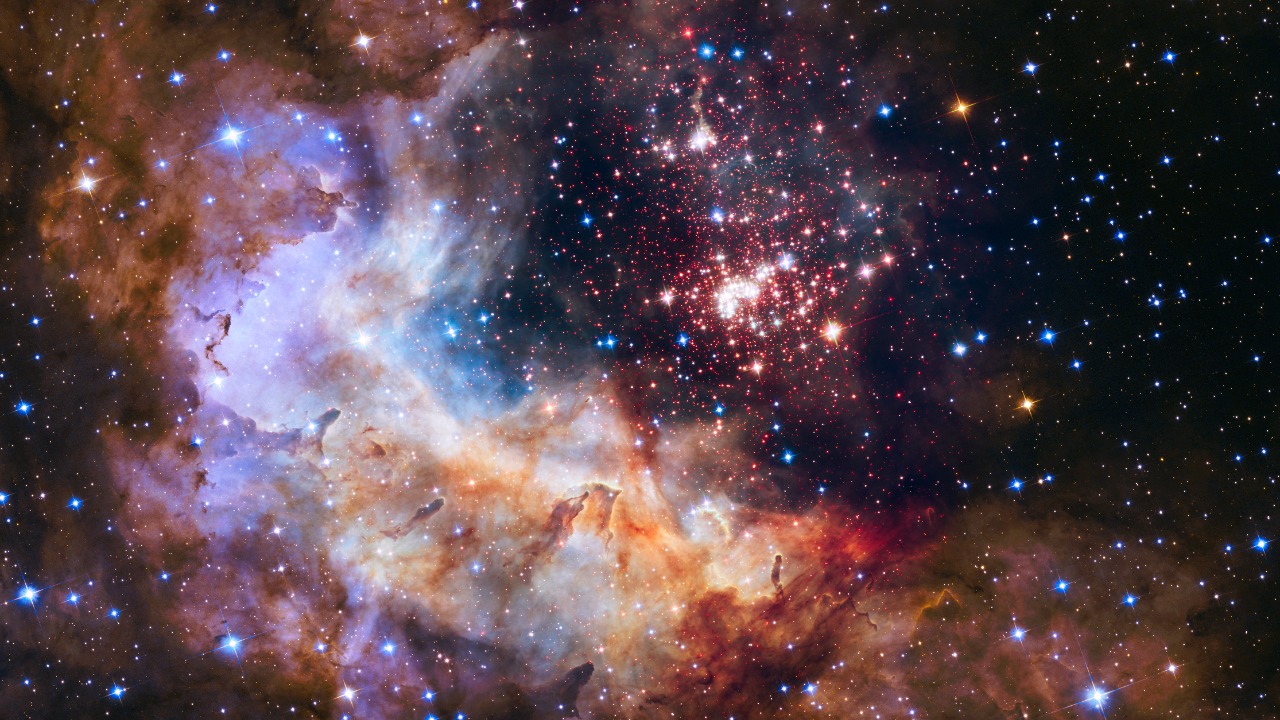
Objects in space can change color due to various reasons. For instance, the color of an object in space can alter due to changes in its composition, surface temperature, or by its interaction with radiation and other particles in space. Past instances of color-changing celestial bodies have often been linked to these factors.
This particular object’s color change could be due to a variety of factors. Some scientists propose that it could be absorbing cosmic dust particles, which could alter its color. Others suggest that the color change could signify a change in the object’s physical state or composition.
Scientific Theories Surrounding the Object
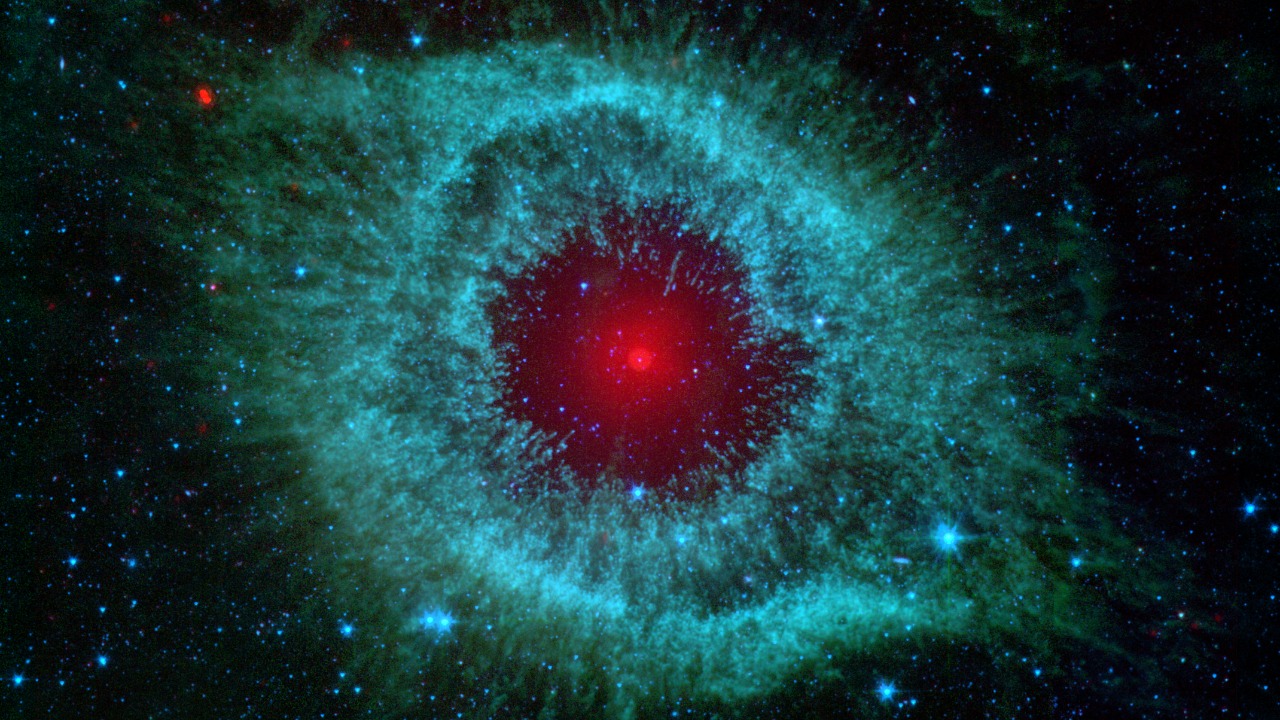
Several scientific theories have been proposed to explain the object’s color change. Some astronomers suggest that the object could be a comet or an asteroid, based on its initial color and behavior. However, the ongoing color changes make it challenging to categorize the object definitively.
The theory of the object absorbing cosmic dust particles and thereby changing its color is another possibility that scientists are examining. This theory is based on the idea that cosmic dust particles, when absorbed by a celestial body, can cause visible changes in its color.
Implications for Astrobiology
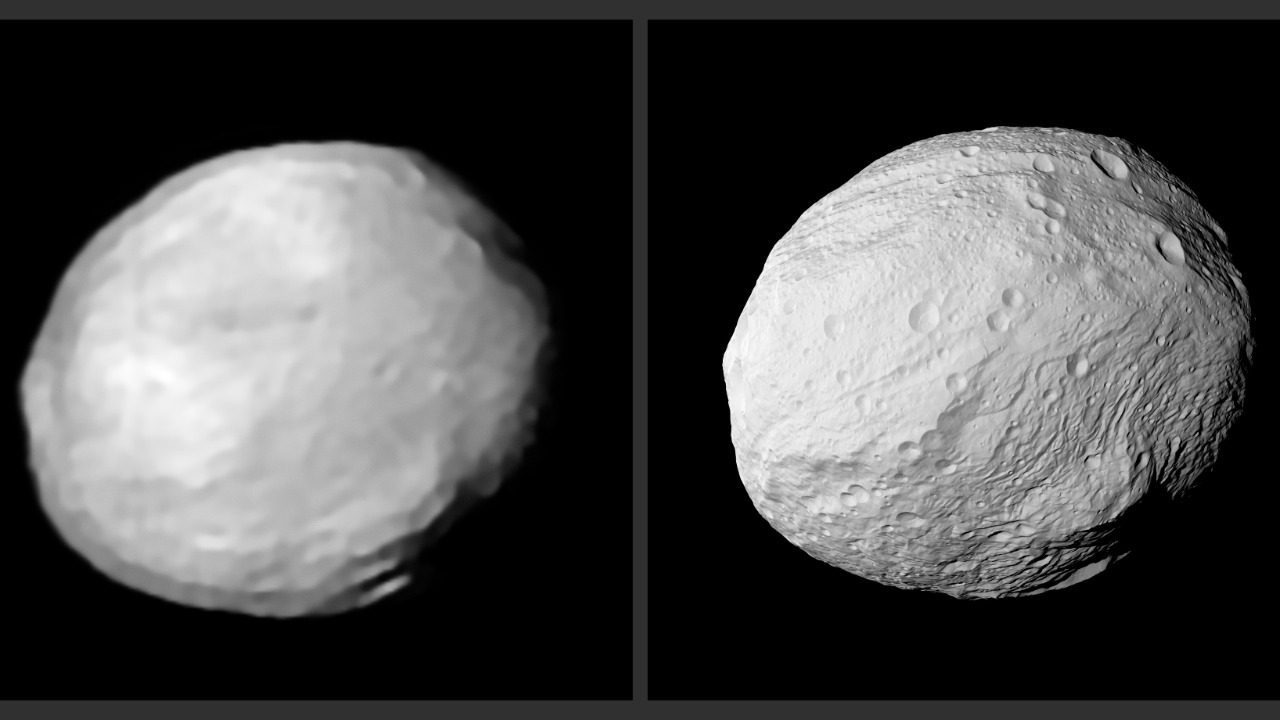
The color-changing object could have significant implications for astrobiology. If the object’s color change is due to the absorption of water or organic molecules, it could mean the object harbors conditions suitable for life. This idea isn’t as far-fetched as it might seem, considering that scientists have found evidence of flowing water on a giant asteroid before.
By studying this object, we could potentially advance our knowledge of life in the universe. The object’s color changes, behavior, and trajectory provide a unique opportunity to gather data that could further our understanding of astrobiology and the potential conditions for life beyond Earth.
Future Observations and Research
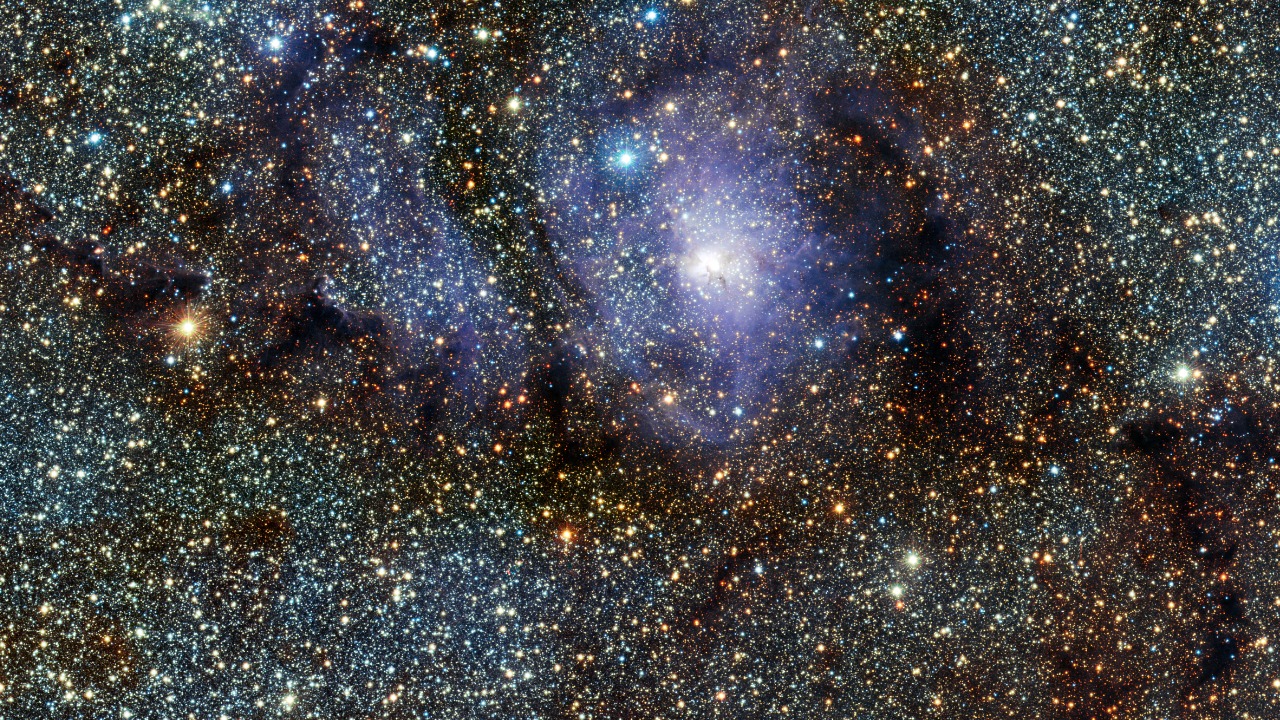
Planned future observations of the color-changing object are in the works, with scientists eager to gather more data. The object’s unique characteristics and behavior provide a rare opportunity for in-depth research that could yield fascinating insights into the nature of the universe.
As the object continues its journey into our star system, it’s possible that we could gain new insights into the universe’s mysteries. Each observation could reveal new data, and each theory validated or disproved brings us one step closer to understanding the cosmos. The potential for discovery makes this color-changing object a subject of great interest for the scientific community.
