A recent discovery has excited the scientific community: a strange metal has been identified in the core of a meteorite. This finding opens new avenues for research into the formation of our solar system and the origins of extraterrestrial materials.
The Discovery of the Meteorite
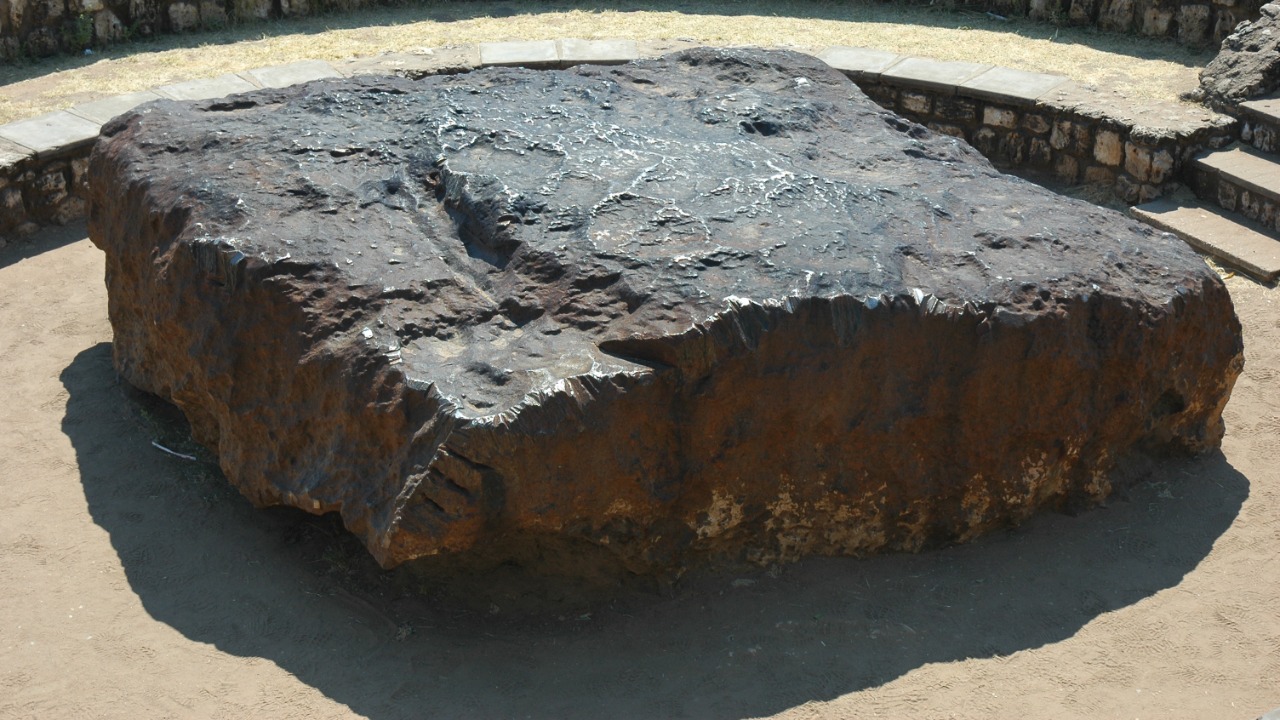
The meteorite in question was discovered in the desolate expanses of Antarctica during a routine expedition by a team of researchers in early 2023. Known for its pristine preservation conditions, Antarctica has been a hotspot for meteorite discoveries, but this particular find stood out due to its unique characteristics. Situated near a prominent ice shelf, the meteorite was initially spotted by satellite imagery, leading to a ground-based investigation.
Upon retrieval, the meteorite exhibited a distinct metallic sheen, unlike the more common stony meteorites that are typically found in the region. Its anomalous appearance prompted the scientific team to prioritize its analysis. Classified as a rare type of iron meteorite, this find was quickly deemed significant within the scientific community, sparking curiosity about its origins and composition.
Characteristics of the Strange Metal
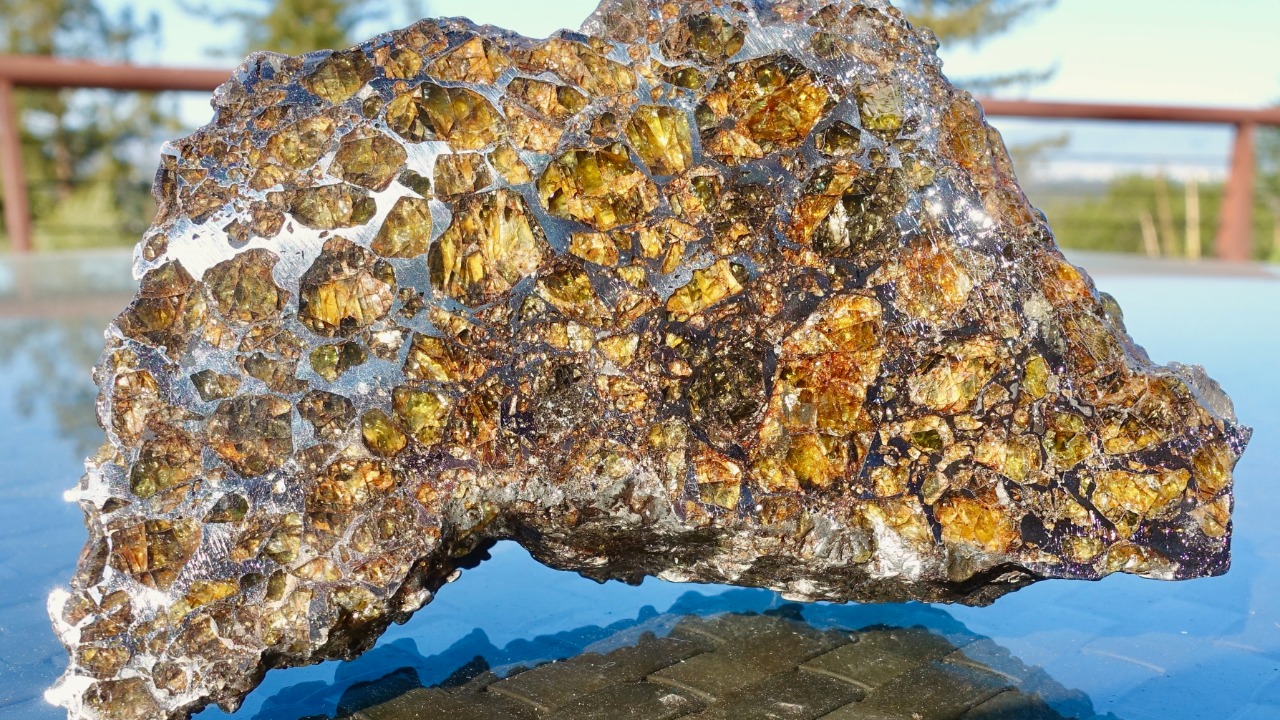
The core of the meteorite revealed a metal composition that included an unusual blend of elements. Predominantly composed of iron and nickel, the metal also contained trace amounts of an unidentified element, sparking intrigue among researchers. This combination of metals is atypical when compared to known meteorites, which usually contain well-documented alloys.
The presence of this strange metal suggests the possibility of unconventional processes at play during the meteorite’s formation. The discovery raises questions about the conditions under which this metal formed, and its implications for the understanding of planetary development. Could this metal be a remnant of a bygone era in the solar system’s history, or does it point to unknown astrological phenomena?
Scientific Methods and Analysis

To unravel the mysteries of this meteorite, scientists employed a variety of advanced techniques. Spectroscopy was used to determine the elemental composition, while electron microscopy provided detailed images of the meteoric structure. These methods revealed the intricate crystal lattice of the metal, offering insights into its formation.
Despite these advancements, extracting and examining the metal proved challenging. The meteorite’s core was densely packed with the strange metal, necessitating careful handling to prevent contamination. Collaboration across disciplines, including geology and astronomy, was crucial in overcoming these obstacles, resulting in a comprehensive analysis of the meteorite’s core.
Implications for Planetary Science
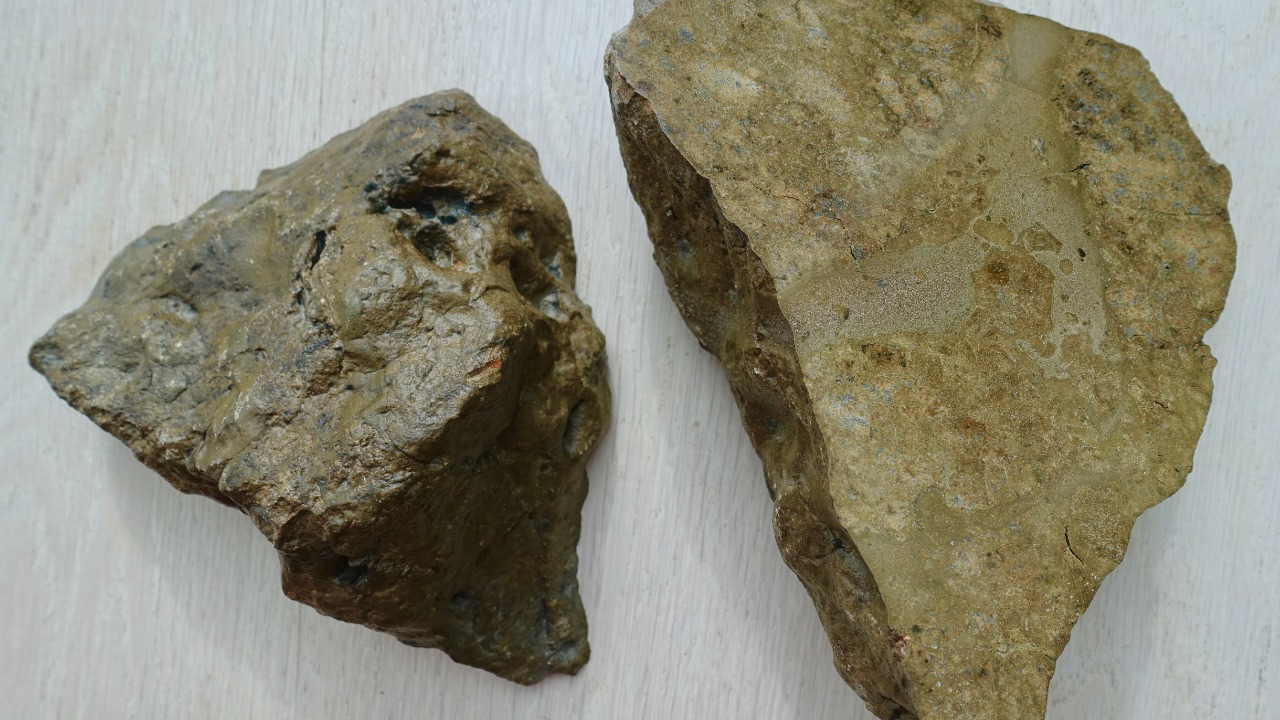
The presence of this unusual metal within the meteorite’s core offers significant implications for planetary science. Understanding how such metals form can inform theories on planetary core formation and the development of celestial bodies. The discovery suggests that there may be unknown processes contributing to the composition of planetary cores, potentially altering existing models.
Furthermore, this finding could have a profound impact on our understanding of Earth’s geological history. The similarities between this meteorite’s metal and certain terrestrial deposits might indicate a common origin or process, providing a new perspective on Earth’s own formation. Exploring these connections could redefine existing paradigms in planetary science.
Future Research and Exploration

In light of this discovery, future research initiatives are being planned to delve deeper into the properties and origins of the strange metal. These studies aim to explore its formation conditions and potential uses, potentially leading to advances in material science. Moreover, the discovery opens the door for further exploration of similar meteorites, which may harbor comparable metals.
The broader implications of this research extend to space exploration and the search for extraterrestrial materials. As scientists continue to investigate, there is hope that these findings will enhance our understanding of the universe and lead to the discovery of new materials with unique properties. This ongoing research holds the promise of unveiling the secrets of our solar system’s past and shaping the future of cosmic exploration.
