Gas prices can fluctuate significantly based on various factors, including the day of the week. Understanding these patterns can help consumers save money and make more informed decisions. Let’s delve into the best days to buy gas and explore how to maximize savings at the pump.
Understanding Gas Price Fluctuations
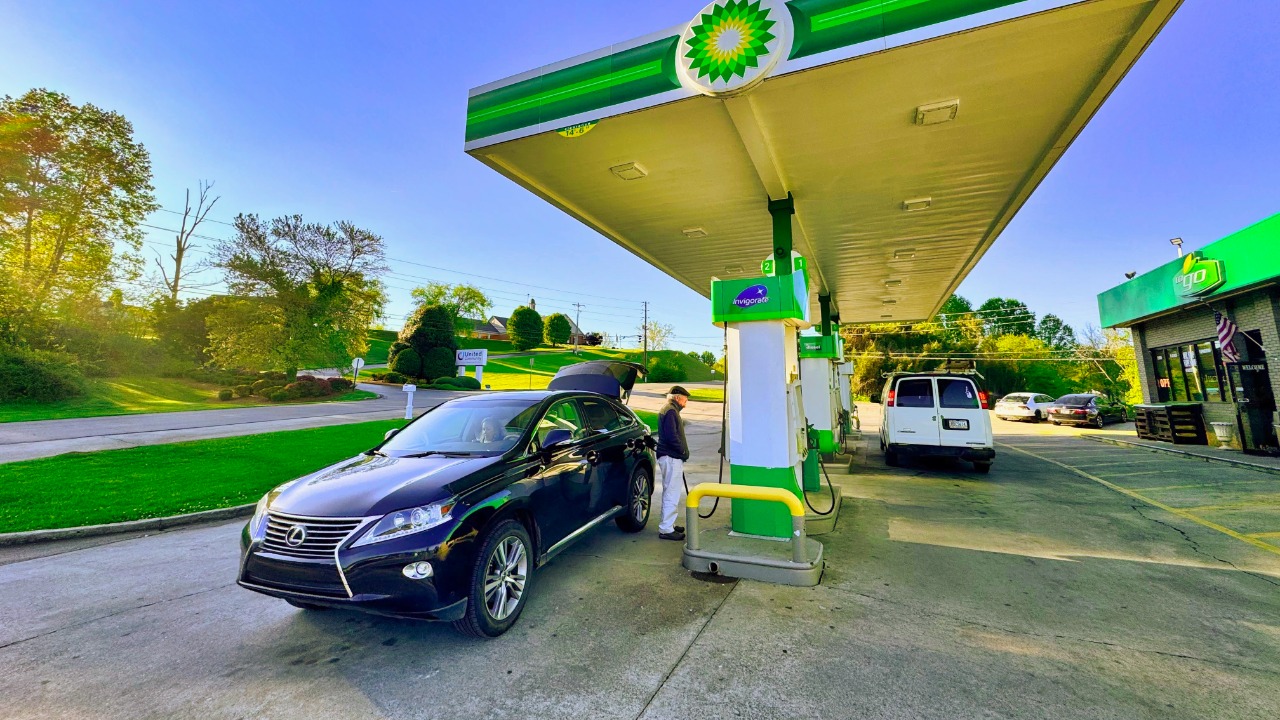
Gas prices are influenced by a multitude of factors, including supply and demand, geopolitical events, and seasonal changes. For example, disruptions in oil production or political instability in oil-producing regions can lead to significant price spikes. Seasonal demand, such as increased travel during summer months, can also drive prices higher.
Consumer behavior plays a crucial role in gas price fluctuations. Price cycles often occur due to changes in consumer buying patterns throughout the week. Gas stations, aware of these patterns, adjust their prices accordingly to remain competitive. Their pricing strategies are designed to optimize profits while responding to market dynamics and competitor pricing.
Identifying the Best Day to Buy Gas
Studies, including those from GasBuddy, have identified the best days to purchase gas. Typically, Monday is the day offering the lowest gas prices, as gas stations tend to raise prices later in the week to capitalize on increased demand. This trend results from the typical weekend travel rush, prompting stations to lower prices at the start of the week to attract early-week commuters.
Regional differences can affect the best day to buy gas. For instance, while Monday might be the cheapest day in one state, other states might experience lower prices on Tuesday or even Wednesday. It’s essential to be aware of these variations, especially if you frequently travel between regions.
Tips for Saving Money on Gas
Monitoring gas prices is easier than ever with the advent of apps and websites dedicated to tracking fuel costs. Tools like GEICO’s gas-saving tips provide real-time data on local prices, helping consumers find the best deals. Additionally, maintaining your car for optimal fuel efficiency is crucial. Regular oil changes, proper tire inflation, and removing excess weight can significantly improve your car’s mileage.
Consider enrolling in loyalty programs and using credit cards that offer cashback or discounts on gas purchases. Many gas stations offer membership programs that provide cents-off per gallon, and certain credit cards provide rewards specifically for fuel purchases.
Common Myths About Gas Prices
Several myths about gas prices persist, such as the belief that premium fuel is necessary for all vehicles or that filling up in the morning saves money. In reality, most cars are designed to run efficiently on regular unleaded gas, and the time of day has minimal impact on pump prices.
Holidays and travel seasons often lead to misconceptions about gas prices. While some believe prices skyrocket during these times, insights from Independence Day sales show that promotional discounts can sometimes counteract expected hikes. Understanding these nuances can prevent unnecessary panic and overpayment.
Future Trends in Gas Pricing
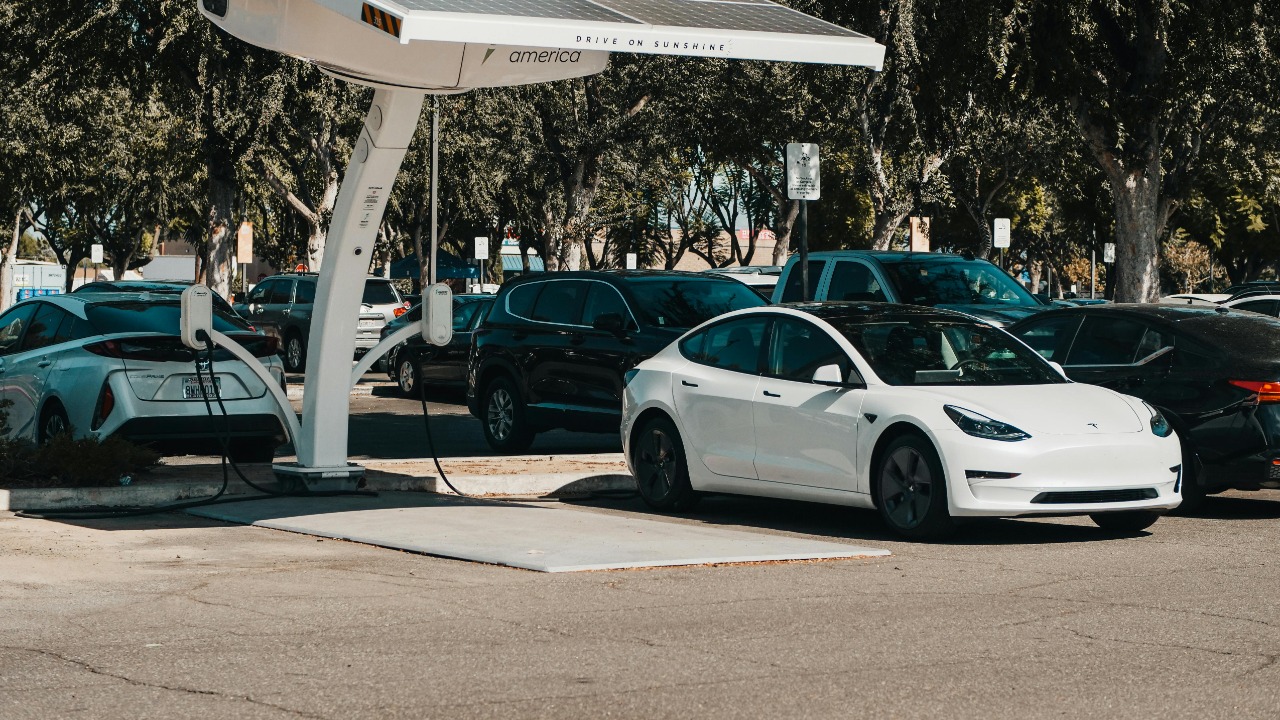
The future of gas pricing is likely to be shaped by the growing popularity of electric vehicles (EVs) and renewable energy sources. As more consumers switch to EVs, demand for gasoline may decrease, potentially stabilizing prices. Additionally, advancements in renewable energy could reduce reliance on fossil fuels, impacting the overall pricing landscape.
Environmental policies and shifts in oil production will also play significant roles in the future. As governments implement stricter emissions standards and renewable energy initiatives, the traditional gas market may face substantial changes. Consumers may need to adapt their habits in response to these long-term trends, as outlined in reports on gas pricing.
