In the field of archaeology, the unearthing of 2,500-year-old jars filled with a peculiar sticky substance sparked a wave of intrigue and scholarly discourse. This mysterious goo, only recently identified by scientists, offers a captivating window into the past.
Discovery of the Ancient Jars

The initial discovery of these ancient jars occurred in the sun-baked soil of an archaeological site. The time-worn vessels, bearing the marks of centuries, were unearthed during a routine excavation. It was clear that these jars were significant, though their true importance was yet to be unveiled.
The containers, crafted from bronze, were surprisingly well-preserved given their age. Their size varied, with the largest about the size of a modern gallon jar. However, the most striking feature was the sticky substance found inside each jar, a goo that perplexed scientists and archaeologists alike.
The Mystery of the Sticky Goo

Early attempts to decipher this ancient goo utilized a variety of techniques, from rudimentary sensory evaluation to complex chemical analysis. Despite these efforts, the substance’s true nature remained a mystery. Its adhesive quality and dark color led to many theories, yet none were conclusive.
The identification of this peculiar substance proved to be a formidable challenge. Its properties did not align neatly with known substances from the period, leading to a heated debate among historians and scientists about its origins and purpose. The mystery of the goo became a focal point in archaeological circles, as detailed in this Green Matters article.
Analyzing the Substance
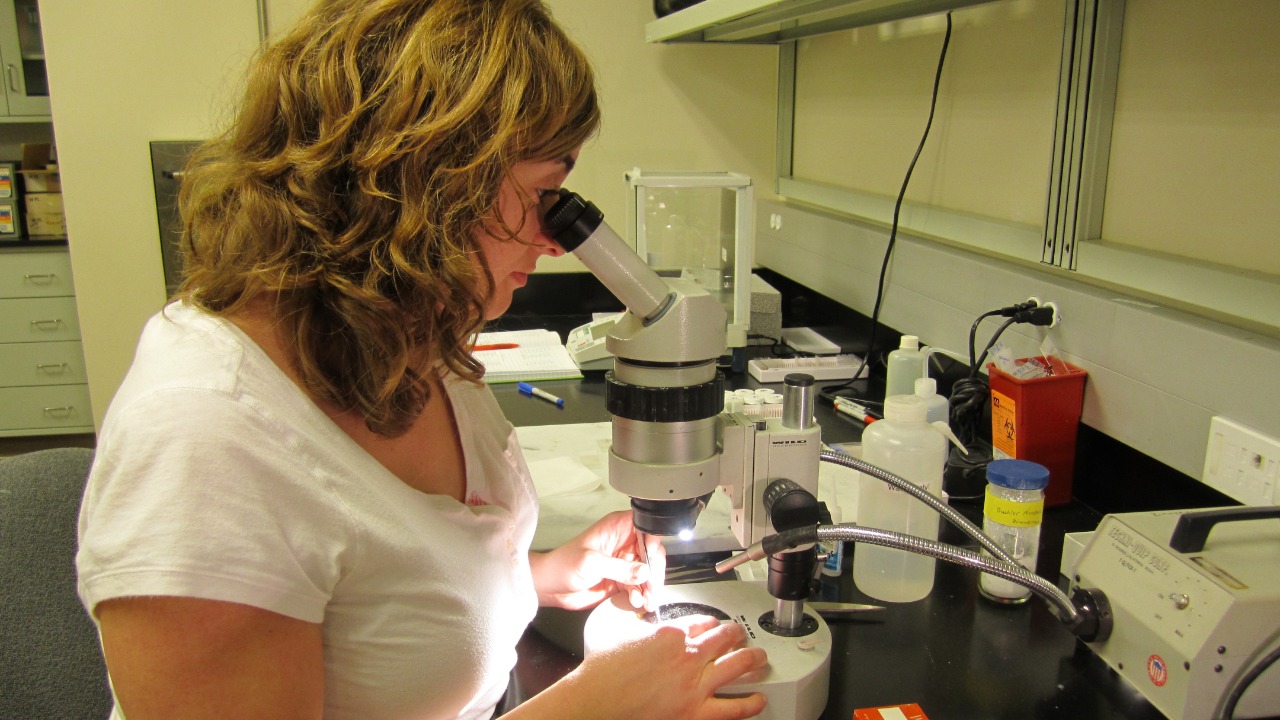
Modern science came to the rescue in the form of advanced analytical methods, such as spectroscopy and molecular analysis. These techniques allowed scientists to delve deeper into the substance’s chemical composition and age. Yet, even with these advanced tools, the goo’s identity remained elusive.
After numerous tests, the findings were compared with known substances from the period. This process of cross-referencing provided valuable insights, but the conclusive identification of the goo was still to be made. The American Chemical Society provides a comprehensive overview of the analyses and the challenges faced by scientists.
The Breakthrough: Goo Identified as Ancient Honey

The breakthrough finally came when the sticky substance was identified as honey. This finding was based on a combination of the chemical analyses and historical context. Honey was a common product in ancient societies, prized for its medicinal properties and traded far and wide.
The discovery of this ancient honey offers a unique contribution to our understanding of food preservation in antiquity. It’s a testament to honey’s natural longevity and the prowess of ancient societies in harnessing its properties. This Live Science report provides a detailed account of the breakthrough.
Implications and Future Research
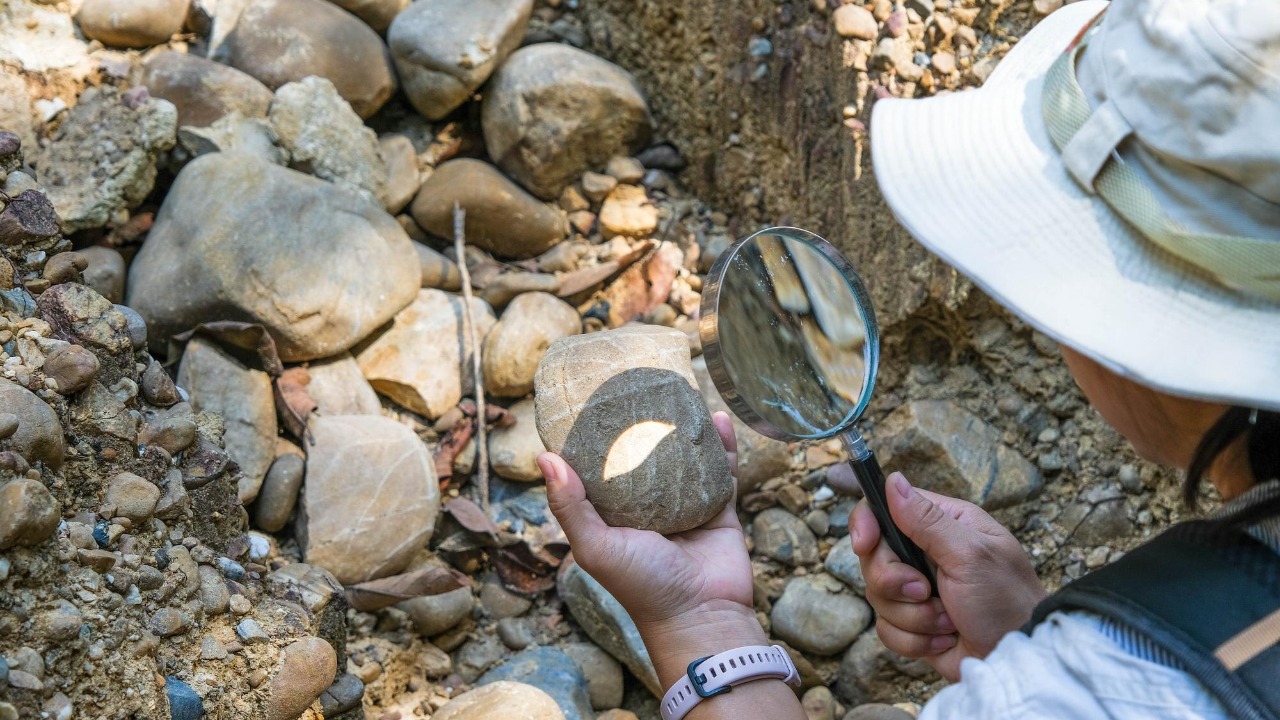
The broader implications of this discovery extend far beyond the identification of the goo itself. It sheds light on the practices of ancient societies and provides a tangible connection to our past. This breakthrough also illustrates the value of interdisciplinary collaboration between archaeology and science.
Looking forward, these findings open the door to further intriguing research. For instance, they could help solve other archaeological mysteries or provide insights into ancient food preservation and dietary habits. The importance of scientific analysis in archaeological finds, as demonstrated in this case, cannot be overstated.
As we continue to unearth our past, who knows what other treasures await discovery? Such findings may not only enhance our understanding of history, but also provide valuable lessons for our present and future. The world of archaeology remains as exciting and mysterious as ever, with every find providing another piece of the puzzle.
