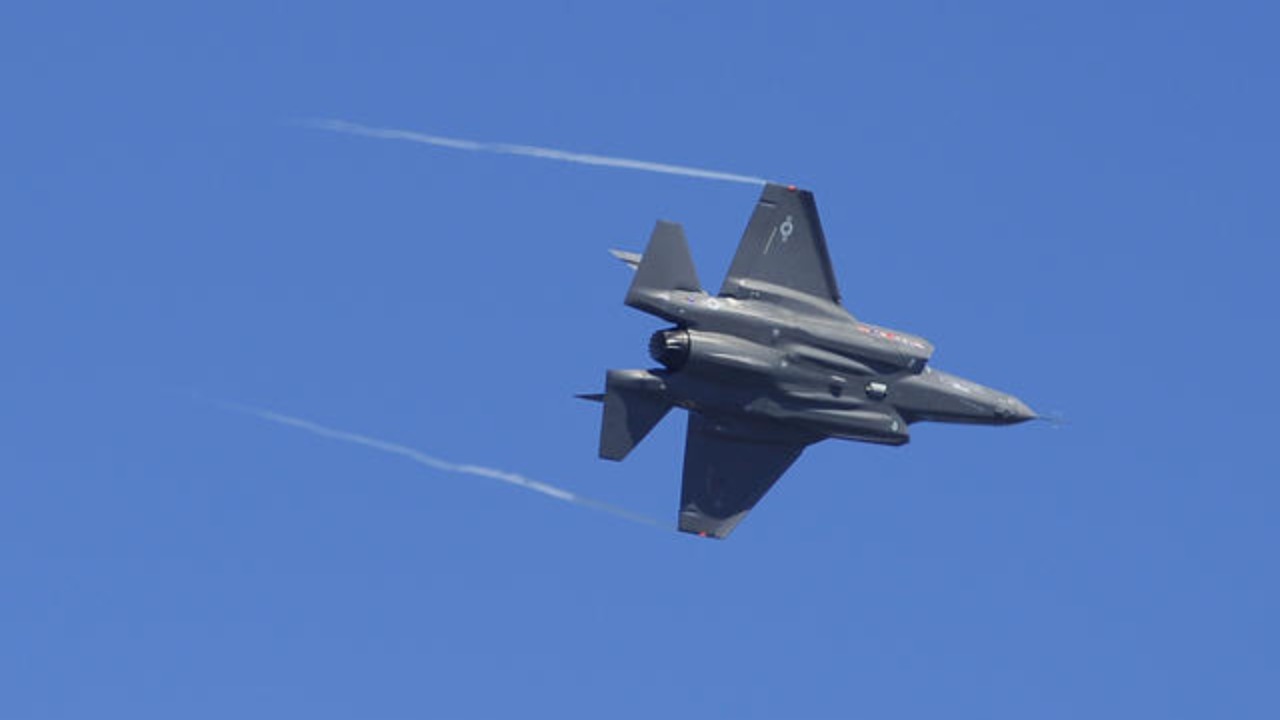
In a bold move that could revolutionize military logistics, a US startup has announced plans to construct the world’s largest military cargo plane, designed to accommodate four F-35 stealth fighters within its vast interior.
The Startup Behind the Project
The ambitious project is the brainchild of a US startup with a track record in the aerospace industry. The company has previously undertaken several projects, demonstrating its capacity to innovate and disrupt traditional aerospace norms. Their experience and expertise in the field have positioned them as a potential game-changer in military logistics and transportation.
While the startup’s name and specific details about their previous projects have not been disclosed in the available sources, their audacious plan to build a colossal military cargo plane has certainly caught the attention of industry observers and defense experts.
The startup’s vision extends beyond the immediate project of constructing the world’s largest military cargo plane. They aim to redefine the way military logistics are handled, leveraging their expertise in aerospace technology to create solutions that are not only innovative but also practical and efficient. Their approach combines a deep understanding of the challenges faced by the military with a willingness to push the boundaries of what is currently possible in aerospace engineering.
The startup’s commitment to innovation is evident in their approach to the project. They are not merely building a larger version of existing cargo planes, but are rethinking the entire concept of military transportation. This involves not only the design and construction of the aircraft itself, but also the development of new logistical strategies and operational procedures to maximize the plane’s potential. The startup’s bold vision and innovative approach have the potential to transform military logistics and set a new standard for the aerospace industry.
The Design and Capacity of the Cargo Plane
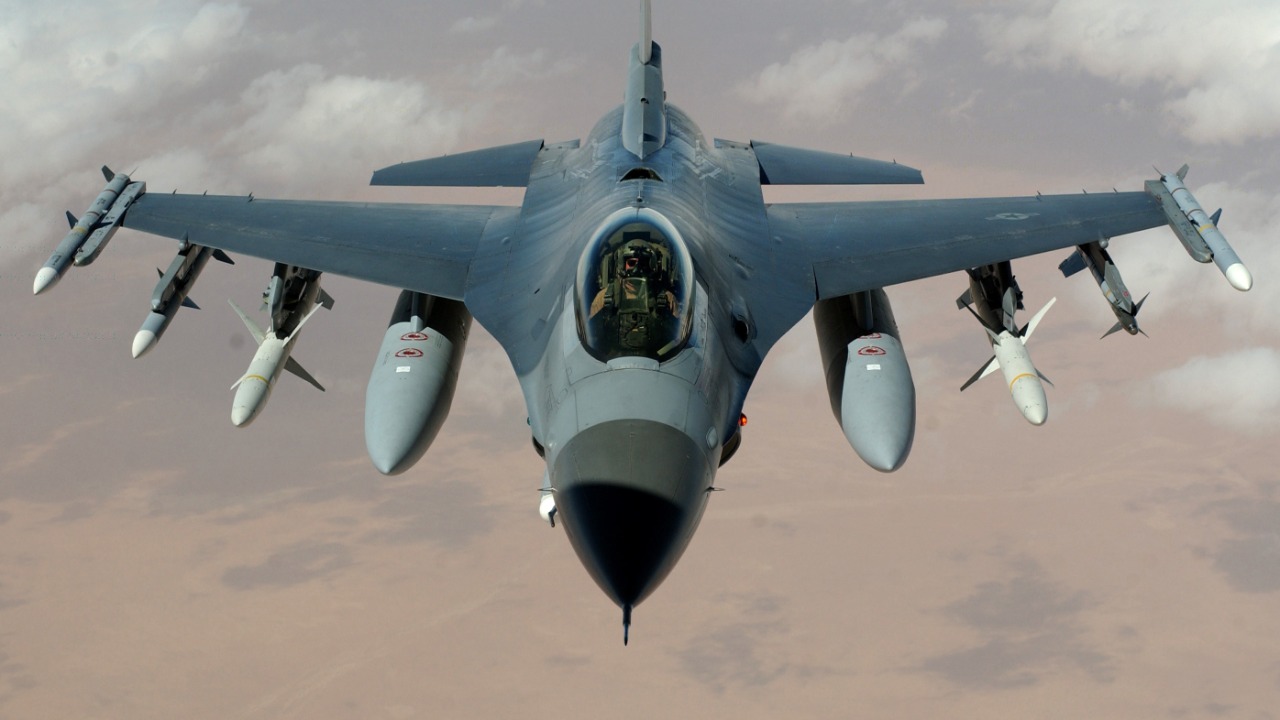
The proposed cargo plane’s design specifications are as impressive as its size. The aircraft is not only designed to carry four F-35 stealth fighters but also has the capacity to transport four F-16s or 12 AH-64 Apache choppers, according to the Economic Times.
This extraordinary capacity could drastically enhance the US military’s ability to deploy its assets rapidly and efficiently. The plane’s design and capacity are a testament to the startup’s innovative approach to addressing the logistical challenges faced by modern militaries.
The design of the cargo plane reflects the startup’s commitment to innovation and practicality. The aircraft’s vast interior is not merely a large empty space, but a carefully designed environment optimized for the transportation of military assets. The plane’s capacity to carry multiple F-35 stealth fighters, F-16s, or AH-64 Apache choppers is a testament to the startup’s ability to combine innovative design with practical functionality. This is a significant achievement, given the complex requirements of modern military aircraft and the logistical challenges of transporting them.
The plane’s design also takes into account the need for rapid deployment of assets. The ability to transport multiple high-value assets simultaneously could drastically reduce the time required to deploy assets to various theaters of operation. This could give the US military a significant advantage in situations where speed and efficiency are critical. The startup’s innovative design approach could potentially redefine the way military assets are transported, making the cargo plane a game-changer in military logistics.
Implications for the Military and Defense Industry
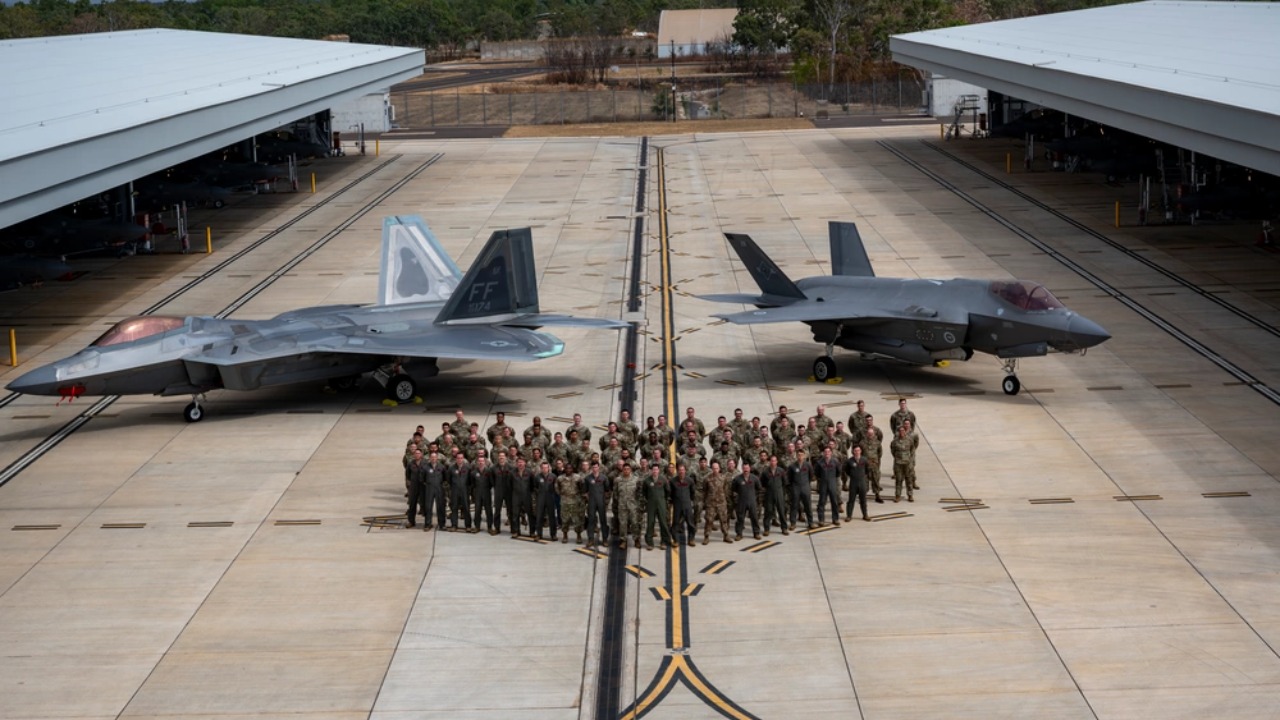
The introduction of such a large cargo plane could have significant implications for the US military and the global defense industry. The ability to transport multiple high-value assets such as F-35 stealth fighters simultaneously could revolutionize military logistics, enabling rapid deployment of assets to various theaters of operation.
Moreover, the project could stimulate innovation within the aerospace sector of the defense industry. The construction of such a large and technologically advanced aircraft could lead to advancements in aerospace engineering and design, potentially influencing future military and commercial aircraft designs, as reported by MSN.
The implications of the startup’s project extend beyond the immediate benefits for the US military. The construction of the world’s largest military cargo plane could stimulate innovation within the global defense industry, encouraging other companies to push the boundaries of what is currently possible in aerospace engineering and design. The project could also lead to advancements in related fields, such as materials science and propulsion technology, which could have far-reaching implications for both military and commercial aviation.
Furthermore, the project could potentially influence the strategic calculus of militaries around the world. The ability to rapidly deploy multiple high-value assets could alter the dynamics of military operations, potentially leading to changes in military strategy and doctrine. This could have significant implications for global security and geopolitics. The startup’s project, therefore, has the potential to not only revolutionize military logistics but also reshape the global defense landscape, as noted by MSN.
Challenges and Future Prospects

Despite the potential benefits, the startup is likely to face numerous challenges during the construction of the cargo plane. These could range from technical and engineering hurdles to regulatory and financial obstacles. The sheer scale of the project, coupled with the high-tech requirements of modern military aircraft, could present significant challenges.
However, if successful, the project could pave the way for further innovations in the defense and aerospace sector. The startup’s ambitious plan could inspire other companies to push the boundaries of what is possible in aerospace engineering and design, leading to advancements that could benefit both the military and commercial aviation sectors. The future prospects of the project, despite the potential challenges, are exciting and could mark a significant milestone in aerospace innovation, as highlighted by The Express.
