Stars that narrowly avoid being consumed by black holes can end up experiencing longer, more peculiar lifespans after their encounters, according to recent findings. These celestial bodies, which manage to escape the gravitational pull of black holes, often undergo significant transformations that extend their existence and alter their characteristics in unexpected ways. This phenomenon challenges our current understanding of stellar evolution and the interactions between stars and black holes.
The Nature of Black Holes and Stellar Encounters
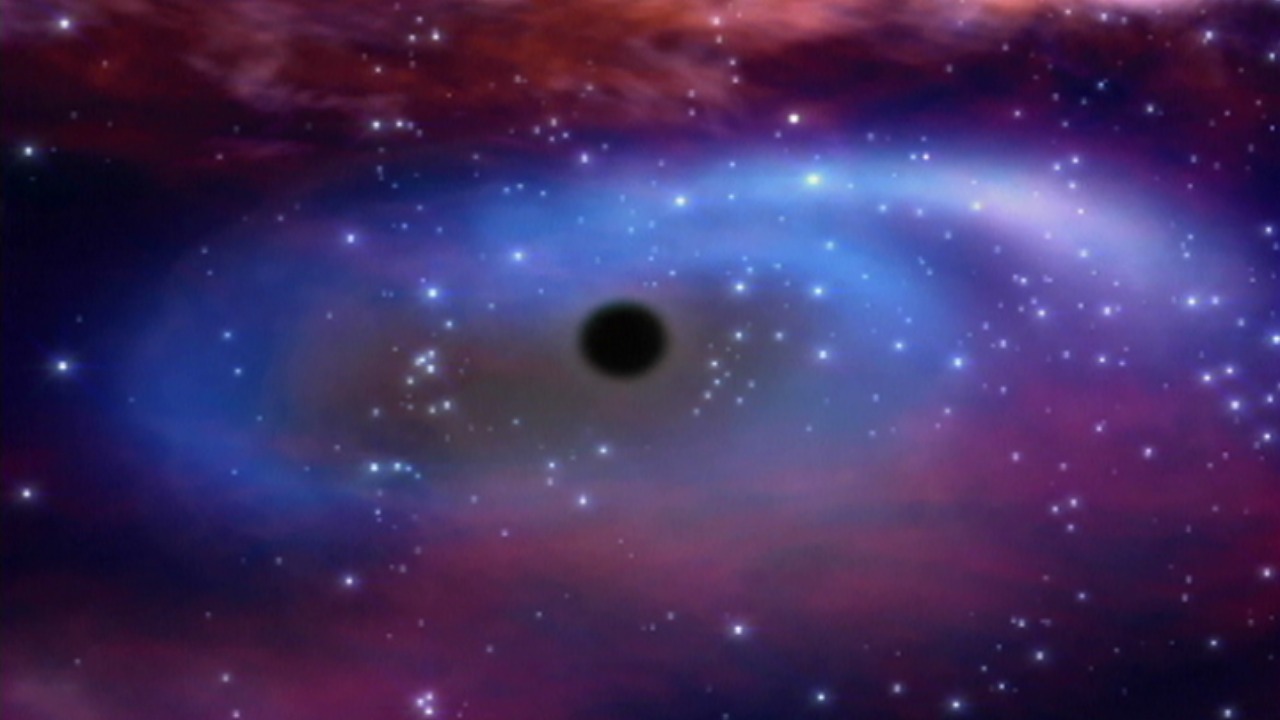
Stars can find themselves in close proximity to black holes due to the dynamic and often chaotic nature of galactic environments. When a star ventures too close to a black hole, it is subjected to intense gravitational forces that can lead to a variety of outcomes. In some cases, the star may be completely consumed, while in others, it might just brush past the black hole, surviving the encounter but not without changes. The specific conditions under which a star might survive such a near miss involve a delicate balance between the star’s velocity, trajectory, and the black hole’s gravitational pull.
The gravitational forces at play during these encounters are immense, capable of stretching and compressing the star in a process known as tidal disruption. If a star manages to escape being torn apart, it can continue its existence, albeit in an altered state. This survival is contingent on the star maintaining enough velocity to resist the black hole’s pull, allowing it to escape with its core intact. Such encounters are rare and depend on precise cosmic alignments and velocities.
Black holes are regions in space where the gravitational pull is so strong that nothing, not even light, can escape from them. This immense gravitational force is due to the concentration of mass in a very small area, creating a singularity. The event horizon marks the boundary beyond which nothing can return. Stars that come close to this boundary are subjected to extreme tidal forces that can stretch and compress them. The study of these interactions is crucial for understanding the limits of gravitational physics and the behavior of matter under extreme conditions. Observations of such encounters can provide insights into the mass and spin of black holes, which are otherwise difficult to measure directly.
Altered Lifespans Post-Encounter
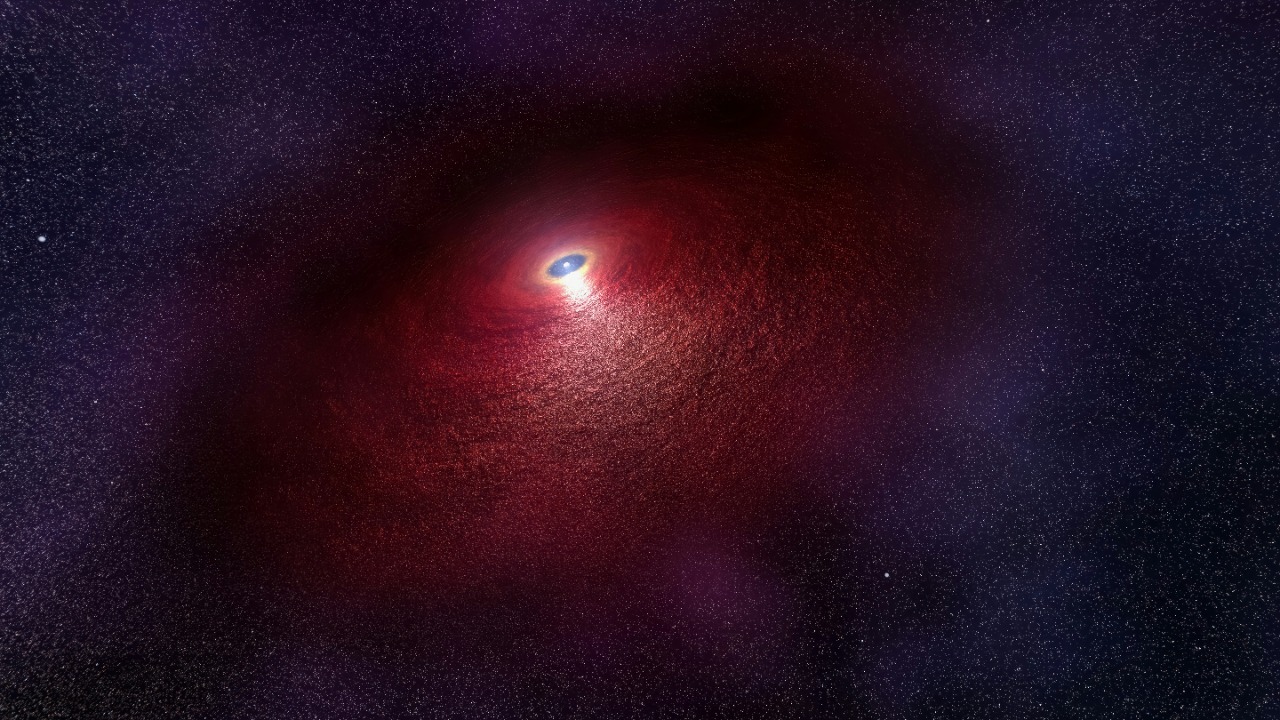
The extended lifespans of stars that survive black hole encounters can be attributed to several factors. One significant change is the alteration in the star’s internal structure, which can affect its nuclear fusion processes. This restructuring can lead to a more stable fusion reaction, effectively prolonging the star’s life. Additionally, the energy dynamics within the star may shift, influencing its overall behavior and evolution.
Post-encounter, a star may exhibit changes in its luminosity and rotation. These changes are often the result of the intense gravitational forces experienced during the near miss, which can redistribute the star’s mass and angular momentum. Such transformations provide valuable insights into the complex interactions between stars and black holes, offering a new perspective on stellar evolution and the life cycles of stars.
In addition to structural changes, the chemical composition of a star may also be affected by a close encounter with a black hole. The intense gravitational forces can cause mixing of the star’s outer layers with its core, potentially altering the abundance of elements such as hydrogen and helium. This mixing can influence the star’s thermal and nuclear processes, leading to changes in its spectral characteristics. Researchers are particularly interested in how these changes might affect the star’s ability to sustain nuclear fusion over extended periods, potentially leading to longer lifespans than previously predicted by standard stellar models.
Strange New Characteristics of Surviving Stars
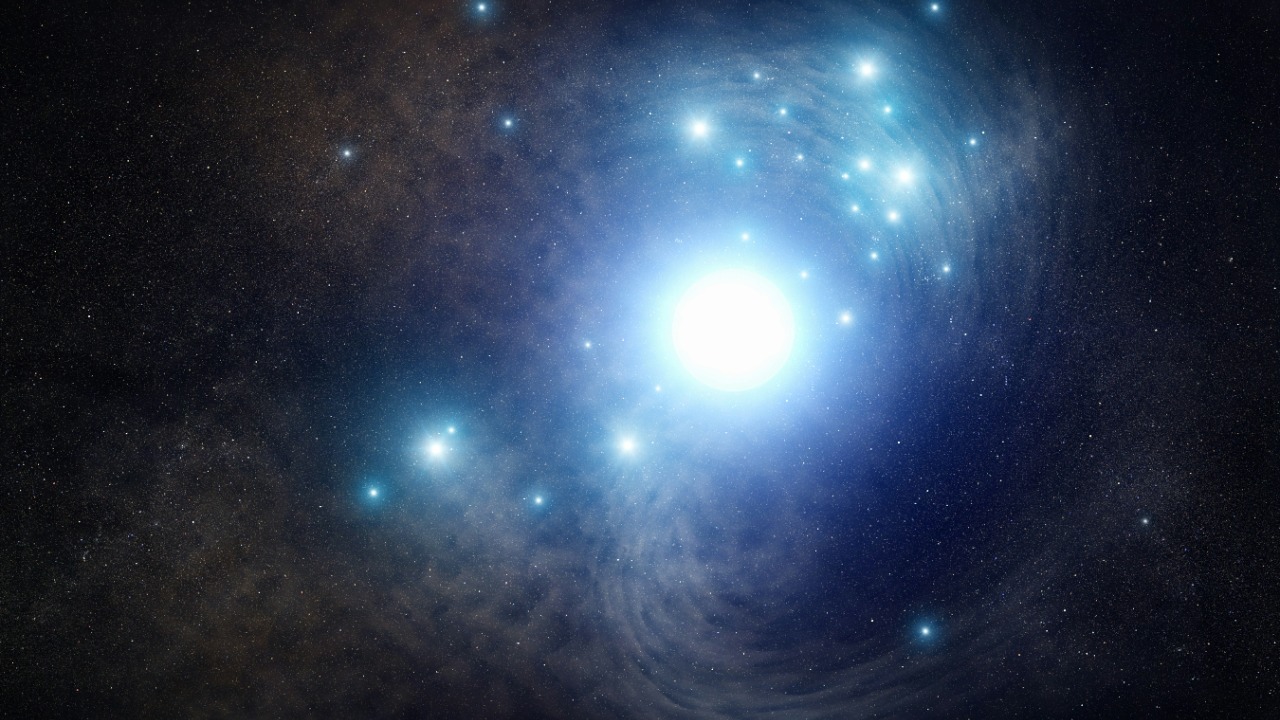
Stars that survive close encounters with black holes often display unusual traits, such as altered luminosity or rotation rates. These characteristics are a direct result of the gravitational forces exerted during the encounter, which can significantly impact the star’s physical properties. For instance, a star might become brighter or dimmer, depending on how its mass and energy distribution are affected.
Specific examples of stars exhibiting these strange characteristics include those that have been observed with unexpected rotational speeds or unusual spectral lines. These observations suggest that the interactions with black holes can lead to unique stellar configurations, challenging existing models of stellar behavior. The potential for new discoveries about the fundamental nature of stars and black holes is vast, as these encounters provide a natural laboratory for studying extreme astrophysical phenomena.
One of the most intriguing aspects of stars that survive black hole encounters is the potential for them to exhibit variability in brightness over time. This variability can result from changes in the star’s shape and surface temperature, which are influenced by the redistribution of mass and energy during the encounter. Additionally, the altered rotation rates can lead to magnetic field changes, affecting the star’s activity cycles and potentially leading to phenomena such as increased starspot activity or flares. These characteristics provide a unique opportunity to study the effects of extreme gravitational interactions on stellar magnetic fields and their associated phenomena.
Implications for Astrophysics and Future Research
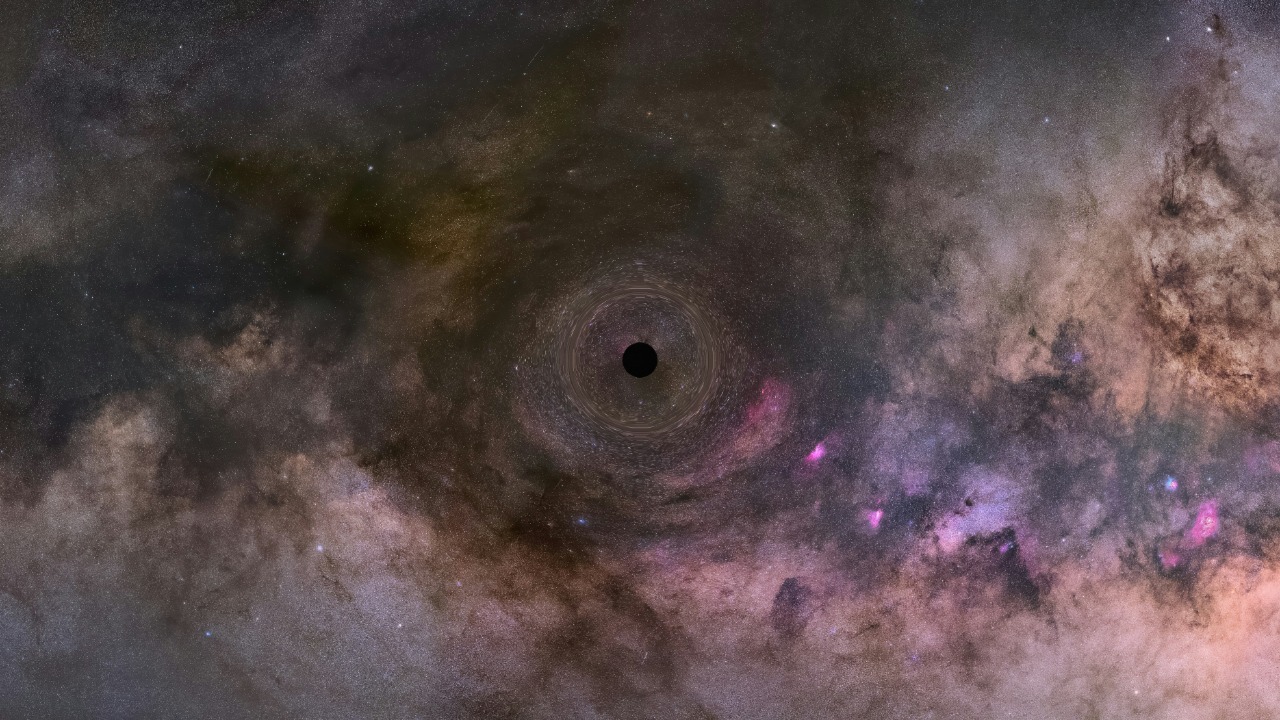
The findings that stars can live longer and develop stranger characteristics after brushing past black holes challenge existing theories in astrophysics. These discoveries suggest that our current models of stellar evolution may need to be revised to account for the complex interactions between stars and black holes. The implications for our understanding of the universe are profound, as they highlight the dynamic and interconnected nature of cosmic phenomena.
Future research will likely focus on exploring these interactions in greater detail, using advanced telescopes and simulations to observe and model the effects of black hole encounters on stars. This research could lead to a deeper understanding of the life cycle of stars and the role of black holes in shaping the cosmos. As we continue to uncover the mysteries of these celestial encounters, our knowledge of the universe and its fundamental processes will undoubtedly expand.
For more detailed insights, you can read the full article on Live Science.
