In an unprecedented breakthrough, Stanford researchers have successfully reversed autism symptoms in lab models. This remarkable development paves the way for potentially groundbreaking treatments, offering a glimmer of hope to millions of families across the globe.
The Groundbreaking Research
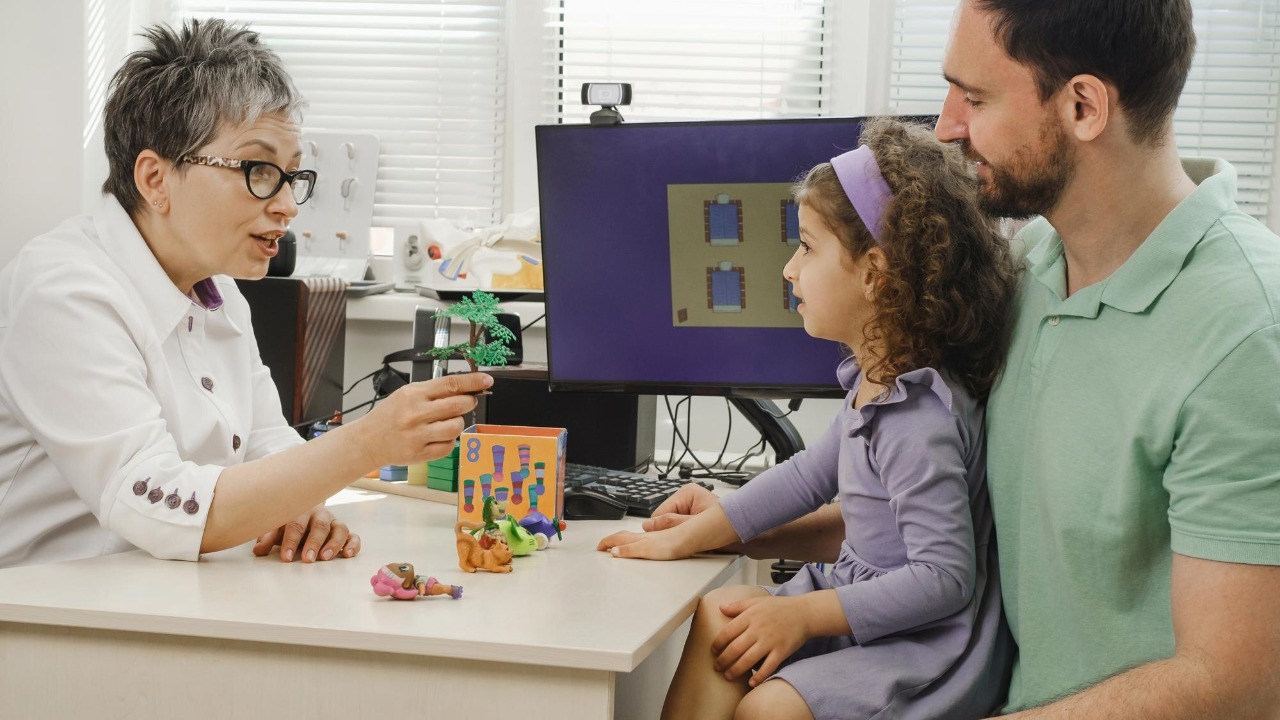
The study, conducted by a team of skilled Stanford researchers, is a landmark in the field of autism research. The methodology involved targeting a previously overlooked brain region in lab models to reverse the symptoms of autism. The significance of this study lies in its potential to provide new insights into understanding autism and developing effective treatments. For more in-depth information, you can refer to this detailed report on NeuroscienceNews.
The Stanford team, led by renowned neuroscientists, played a crucial role in this groundbreaking research. Their combined expertise in neurobiology and their dedicated efforts have resulted in this significant discovery. Their backgrounds, ranging from molecular biology to cognitive science, contributed to the comprehensive and multifaceted approach of the study.
The Science Behind the Discovery
The study focused on a specific brain region that had been overlooked in previous autism research. The team discovered that abnormalities in this area could contribute significantly to autism symptoms. Their findings underscore the importance of this brain region in understanding the neurobiology of autism.
The process of reversing autism symptoms involved a series of complex scientific procedures. The researchers targeted this brain region with specialized therapies, which ultimately led to the reversal of autism symptoms in the lab models. The details of this process are captured in this SciTechDaily report.
The Potential Impact and Implications
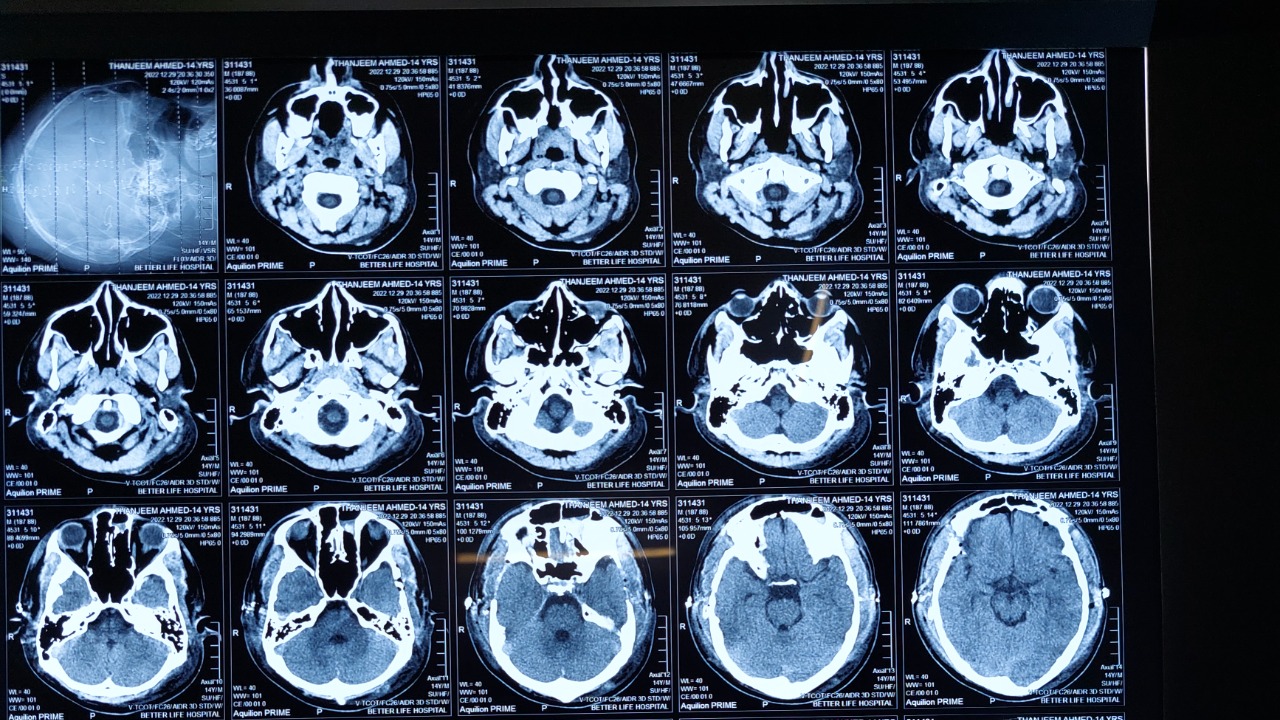
The groundbreaking research opens up new avenues for potential treatments for autism. The methodology used in the study could be applied to develop therapeutic interventions that target the specific brain region implicated in autism. However, it is important to note that these potential treatments are still in their initial stages and would require further research and clinical trials.
Beyond the prospect of new treatments, this study also holds broader implications for autism research. By highlighting the significance of a previously overlooked brain region, it could influence future research directions and contribute to a deeper understanding of autism. To understand better, you can read this ScienceDaily article.
Challenges and Future Directions

While the study is a significant step forward, it is not without its limitations. The primary limitation is that the study was conducted on lab models, and the results may not directly translate to humans. Therefore, the next crucial steps would involve conducting clinical trials on humans to verify the efficacy of the treatment.
Future research will also need to focus on obtaining regulatory approvals for these potential treatments. This process can be lengthy and fraught with challenges, but it is a necessary step to ensure the safety and efficacy of the treatments before they can be made available to the public.
Response from the Medical and Autism Community

The study has generated a significant response from the medical community, with many scientists lauding the innovative approach of the Stanford researchers. The possibility of a potential new treatment pathway for autism is a promising development in the field of neurobiology.
For families and individuals living with autism, this research offers a ray of hope. The prospect of new treatments that could potentially reverse autism symptoms is a source of optimism for many. However, it is important to approach these developments with cautious optimism, given the early stage of the research. For more insights, you can check this Facebook post.
