
The SR-71 Blackbird, a legendary Mach 3+ reconnaissance aircraft, was officially retired by the U.S. Air Force in 1998, sparking rumors of a successor, the SR-91 Aurora. Despite decades of speculation, no concrete evidence of the SR-91’s existence has been declassified by the U.S. government. Instead, official records suggest that the SR-71’s role was transitioned to satellites and unmanned drones.
The Legacy of the SR-71 Blackbird
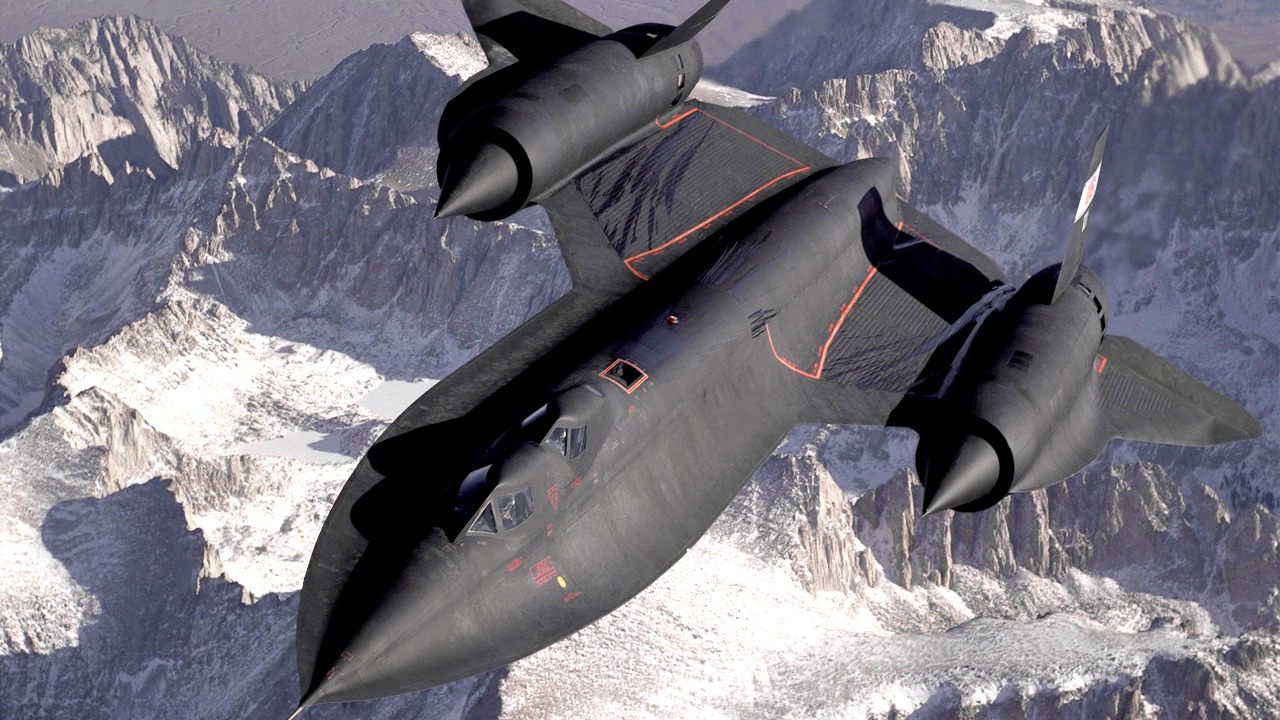
Designed by Clarence “Kelly” Johnson and his team at Lockheed’s Skunk Works division, the SR-71 Blackbird entered service with the U.S. Air Force Strategic Air Command in 1966. Its primary mission was high-altitude, high-speed reconnaissance over hostile territories like North Vietnam and the Soviet Union.
The SR-71 achieved a top speed of Mach 3.2 and an altitude record of 85,069 feet. A total of 32 aircraft were built, including 12 two-seat trainers. During its 32-year career, the SR-71 conducted 3,955 sorties, capturing over 250,000 feet of film and millions of electronic signals. Its titanium construction, sourced 93% from the Soviet Union, allowed it to withstand skin temperatures up to 1,100°F.
Despite its retirement, the SR-71 Blackbird continues to hold a significant place in aviation history. Its advanced design and capabilities have made it a subject of study for aeronautical engineers and a symbol of American technological prowess. The Blackbird’s unique combination of speed, altitude, and stealth made it virtually invulnerable to enemy defenses, contributing to its impressive operational record. The aircraft’s legacy is also preserved in various museums across the United States, where it continues to inspire awe and admiration among aviation enthusiasts and the general public alike.
Furthermore, the SR-71’s impact extends beyond its military service. The data it collected during its operational years has been invaluable for scientific research. Its high-altitude flights provided unique insights into atmospheric conditions, contributing to our understanding of climate and weather patterns. The Blackbird’s reconnaissance missions also captured detailed imagery of the Earth’s surface, which has been used in various fields, from geology to archaeology. Thus, the SR-71’s legacy is not just military, but also scientific.
Origins of the Aurora Myth
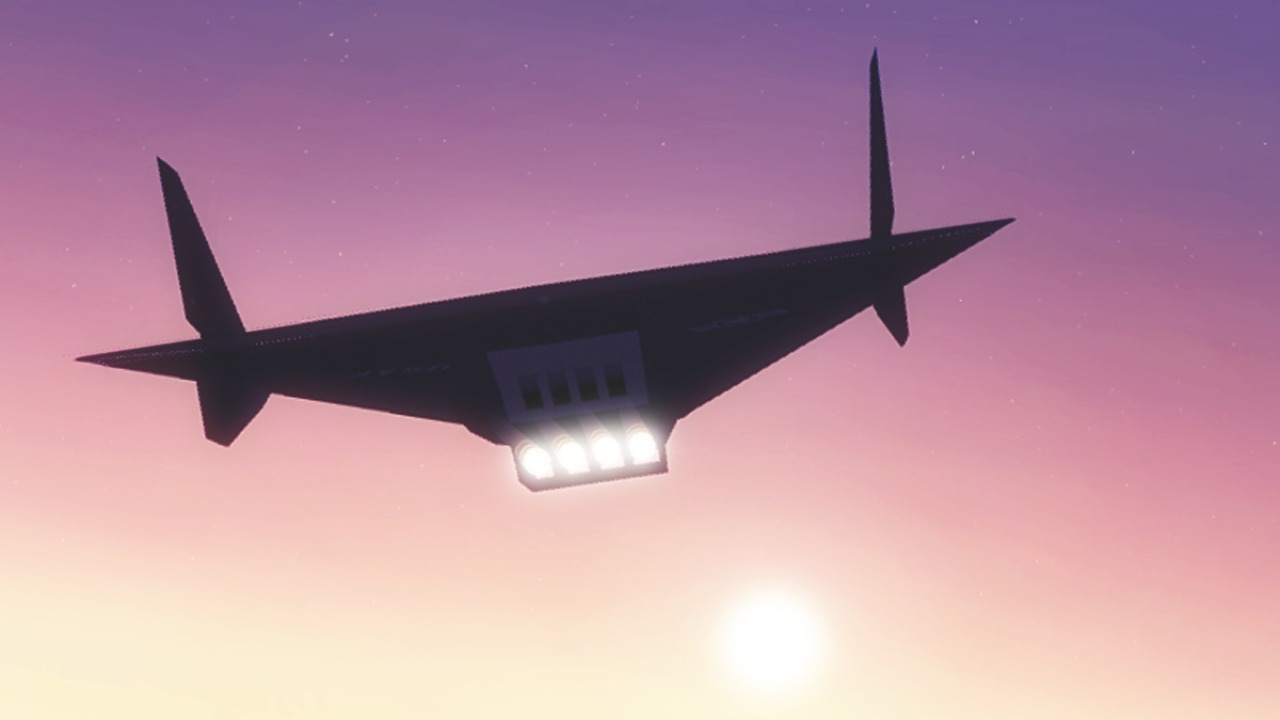
The SR-91 Aurora legend began with a 1985 Aviation Week & Space Technology article by Bill Sweetman. He speculated on a hypersonic replacement based on a leaked 1981 U.S. Air Force budget line item for “Aurora” totaling $455 million for fiscal year 1987, interpreted as funding for a next-generation reconnaissance aircraft.
In July 1989, British aviation enthusiast Chris Gibson reported sighting a triangular aircraft being refueled by a KC-135 tanker over the North Sea. He claimed it matched Aurora descriptions, though the U.S. Department of Defense dismissed it as a misidentification of a YF-23 prototype. Additional fuel came from 1990s claims by contractor Ben Rich, former Skunk Works head, who alluded to advanced black projects but never confirmed Aurora.
The Aurora myth was further fueled by the secrecy surrounding U.S. military projects during the Cold War. The U.S. government’s history of developing advanced aircraft in secret, such as the U-2 and the SR-71 itself, led many to believe that the Aurora was another such project. The fact that the Aurora’s supposed budget allocation was found in a section of the budget dedicated to black projects, which are classified military projects, added credibility to these speculations.
Moreover, the timing of the Aurora rumors coincided with a period of rapid technological advancement. The 1980s saw significant developments in fields like materials science and propulsion technology, which could potentially enable the creation of a hypersonic aircraft like the Aurora. This context, combined with the U.S. military’s need for a high-speed, high-altitude reconnaissance platform following the retirement of the SR-71, made the existence of the Aurora seem plausible to many.
Evidence Against the SR-91’s Existence
U.S. Air Force officials, including Colonel Richard H. Graham, former SR-71 commander, stated in 1997 interviews that no SR-91 program ever materialized. Instead, reconnaissance needs were met by the KH-11 satellite launched in 1976 and later UAVs like the RQ-170 Sentinel first flown in 2007.
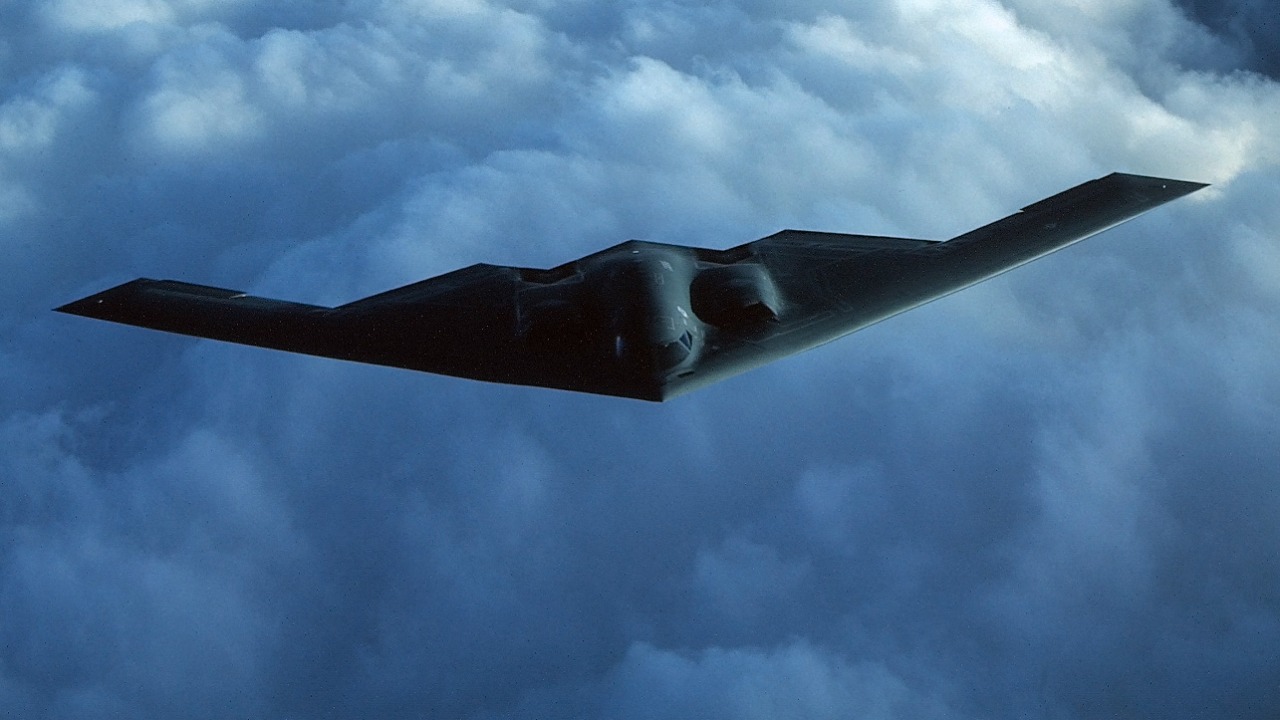
Declassified documents from the National Reconnaissance Office in 2011 revealed that post-SR-71 retirement in 1998, funding shifts went to space-based assets, with no mention of a manned hypersonic successor. Alleged Aurora sightings were attributed to B-2 Spirit bombers or F-117 Nighthawks near Area 51. Engineering analyses concluded that a Mach 5+ Aurora would require unsolved materials challenges for sustained flight.
Another argument against the existence of the SR-91 Aurora is the lack of physical evidence. Despite numerous alleged sightings, no photographs or other tangible proof of the Aurora’s existence have ever been produced. This is in stark contrast to other secret military aircraft, such as the F-117 Nighthawk and the B-2 Spirit, which were photographed and identified before their existence was officially acknowledged.
Furthermore, the development and operation of a hypersonic aircraft like the Aurora would require significant resources and infrastructure, including specialized facilities and a large workforce. Yet, no evidence of such infrastructure has been found. The absence of whistleblowers from among the supposed thousands of people who would have been involved in the Aurora project is also notable. In contrast, other classified projects, like the Manhattan Project and the development of the stealth bomber, were eventually leaked by insiders.
Modern Replacements and the Future of Reconnaissance
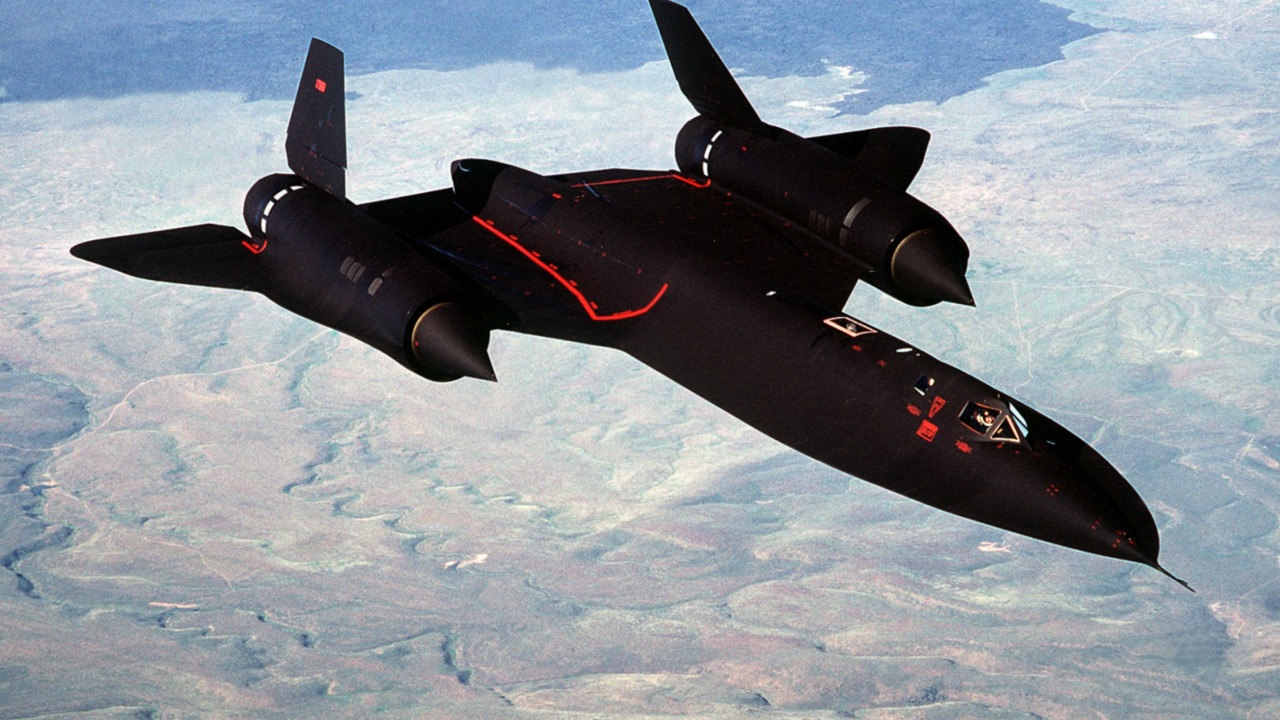
Following the SR-71’s 1998 retirement, the U.S. military relied on the Global Hawk UAV, which entered service in 2001. Capable of flying at 60,000 feet for over 32 hours, it provides real-time imagery over 40,000 square miles per mission without risking pilots.
The SR-72, a proposed unmanned hypersonic successor announced by Lockheed Martin in 2013, aims for Mach 6 speeds using scramjet technology. However, it differs from the manned Aurora myth by focusing on strike-reconnaissance integration rather than pure spying. Current programs like the U.S. Air Force’s Next Generation Air Dominance (NGAD) initiative emphasize stealthy, AI-assisted platforms over 1960s-era high-speed designs, signaling a shift away from any SR-91-like concept.
The shift towards unmanned systems and artificial intelligence in modern reconnaissance reflects broader trends in military technology. The increasing capabilities of drones and satellites, combined with advances in data processing and machine learning, have made them more effective and versatile than traditional manned aircraft for many reconnaissance tasks. These systems can operate in hostile environments without risking human lives, and their smaller size and lower cost make them more scalable and adaptable to changing mission requirements.
Looking ahead, the future of reconnaissance is likely to involve a mix of platforms and technologies. Hypersonic aircraft, like the proposed SR-72, could play a role in situations where speed and responsiveness are critical. However, they will likely be part of a larger ecosystem that includes satellites, drones, and cyber capabilities. This multi-domain approach reflects the increasingly complex and interconnected nature of modern warfare, where information and speed are key to gaining an advantage.
