The SR-71 Blackbird stands as an iconic symbol of Cold War ingenuity, a testament to the marvels of aerospace engineering capable of reaching speeds over Mach 3. What is even more astonishing is that the aircraft’s construction relied heavily on titanium sourced from the very nation it was designed to surveil—Russia. This clandestine operation played a crucial role in the creation of one of the most advanced reconnaissance aircraft ever built.
The Need for Speed and Stealth
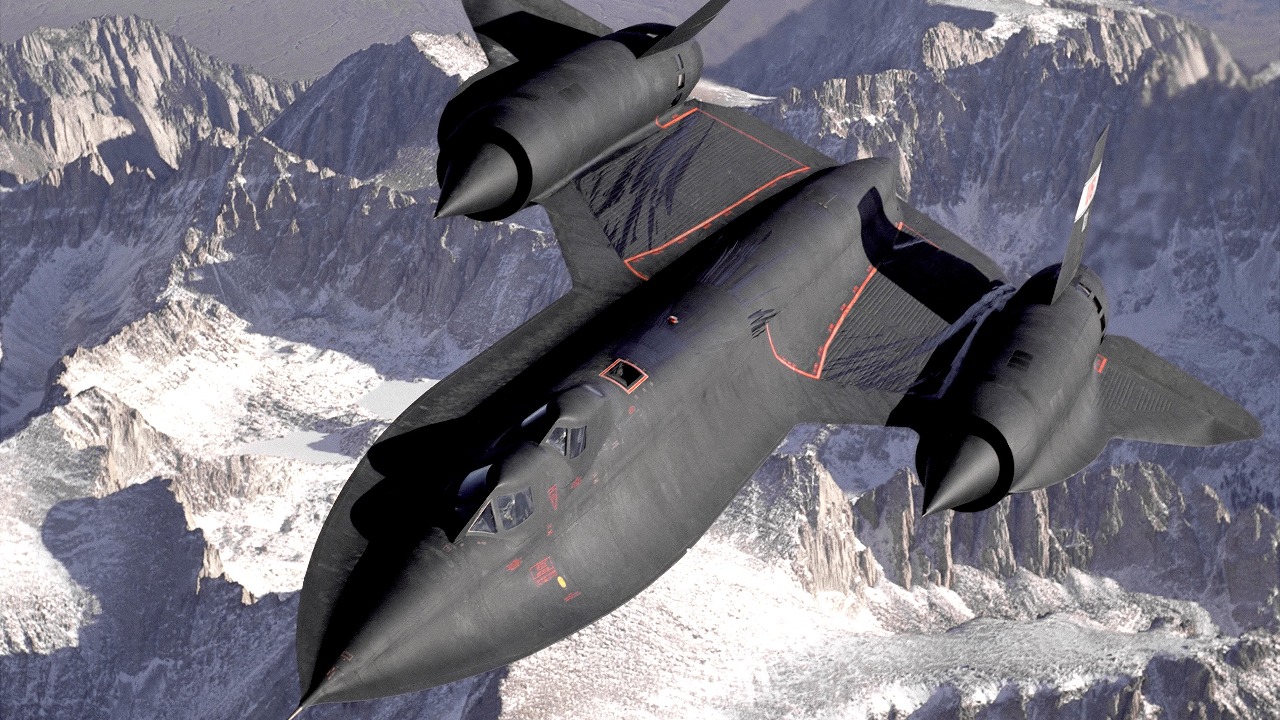
The development of the SR-71 was driven by an urgent strategic necessity during the Cold War. The geopolitical tensions of the era required the United States to gather intelligence swiftly and effectively without being detected. Flying at Mach 3, the SR-71 could outpace any missile launched against it and operate at altitudes as high as 85,000 feet, rendering it nearly invisible to radar. This combination of speed and stealth effectively made the SR-71 an invaluable asset in the intelligence community.
However, achieving such capabilities was no small feat. Engineers faced numerous challenges in designing an aircraft capable of withstanding the harsh conditions of high-speed, high-altitude flight. The extreme temperatures generated by friction at Mach 3 speeds necessitated materials that could endure such thermal stress. Conventional materials simply wouldn’t suffice; therefore, the search for suitable alternatives became a critical part of the design process. The SR-71’s eventual success can be attributed to overcoming these significant engineering hurdles.
The Titanium Conundrum
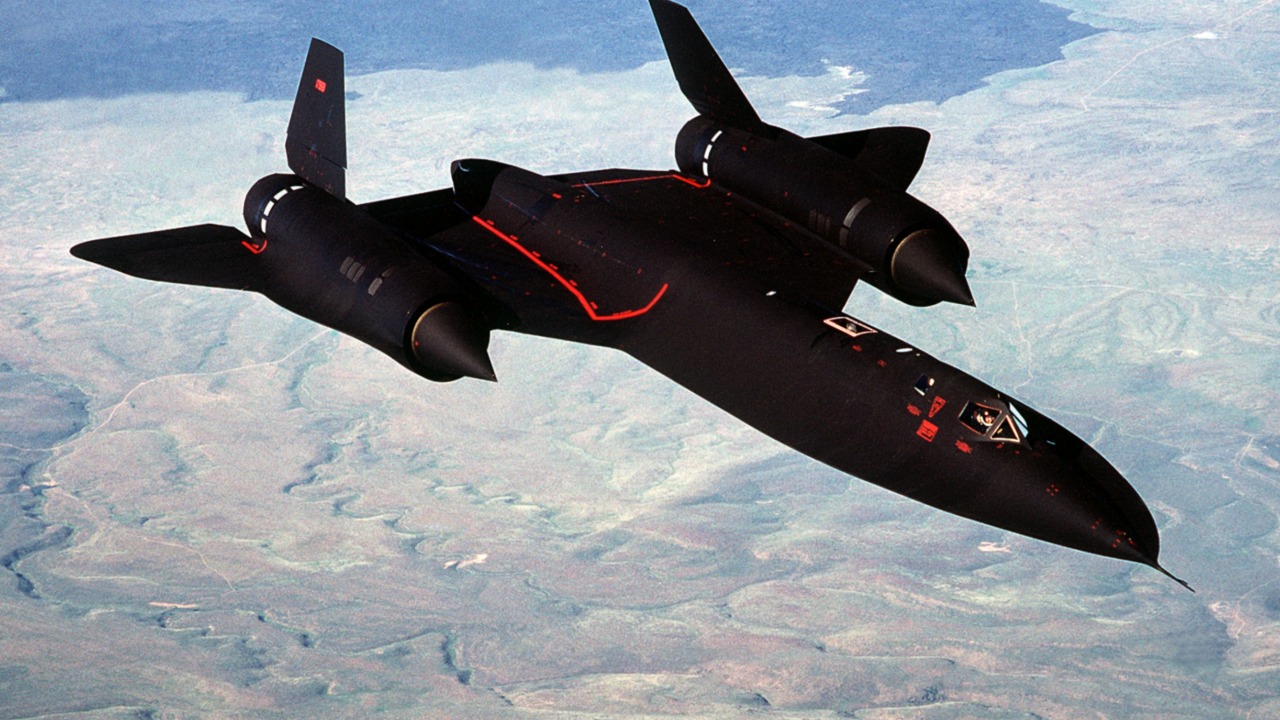
Titanium was identified as the ideal material for the SR-71, thanks to its exceptional strength-to-weight ratio and resistance to heat and corrosion. However, sourcing this metal presented a conundrum. During the Cold War, the United States had limited domestic reserves of titanium, and the Soviet Union controlled the majority of the global supply. This scarcity posed a significant problem for the SR-71’s construction.
To address this issue, the CIA orchestrated a series of covert operations to procure titanium from the Soviet Union without revealing its ultimate purpose. Employing third-party companies and shell corporations, the U.S. managed to acquire the metal without arousing suspicion. These ingenious methods ensured that the source of the titanium remained a secret, allowing the U.S. to build an aircraft designed to spy on the very nation providing its essential materials. The full extent of this operation is documented in various sources, including detailed historical records.
Engineering Marvel: The Role of Titanium in the SR-71
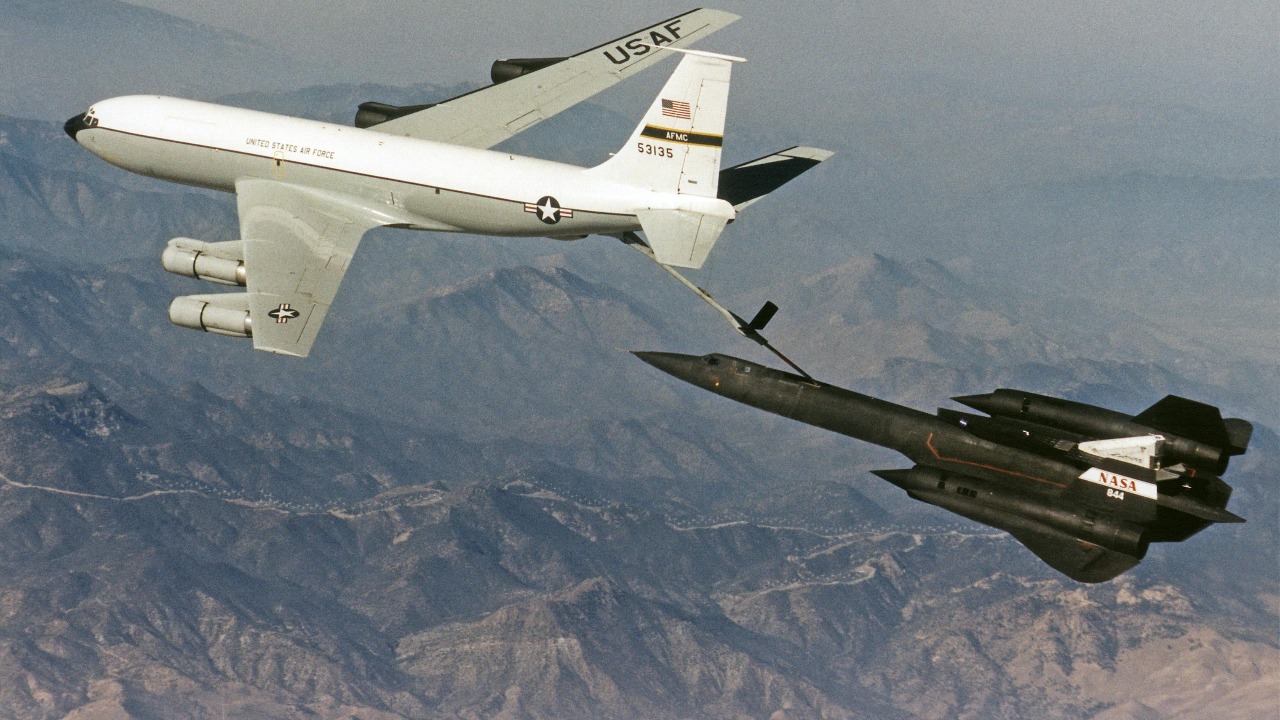
The choice of titanium for the SR-71 was pivotal to its performance. Titanium’s unique properties, such as its high strength and low density, made it ideal for an aircraft that needed to be both lightweight and robust. Additionally, titanium’s ability to withstand extreme temperatures without degrading was crucial, as the skin of the SR-71 could heat up to over 500 degrees Fahrenheit during flight.
Incorporating titanium into the SR-71’s design involved innovative construction techniques. The aircraft’s fuselage, wings, and various components were crafted from titanium, which required specialized tools and processes. The assembly of these parts was a complex task that pushed the boundaries of contemporary engineering. The use of titanium not only enabled the SR-71 to achieve its remarkable speed and altitude capabilities but also set new standards in aerospace design. More about the technical aspects can be found in detailed engineering documents.
The Blackbird Legacy
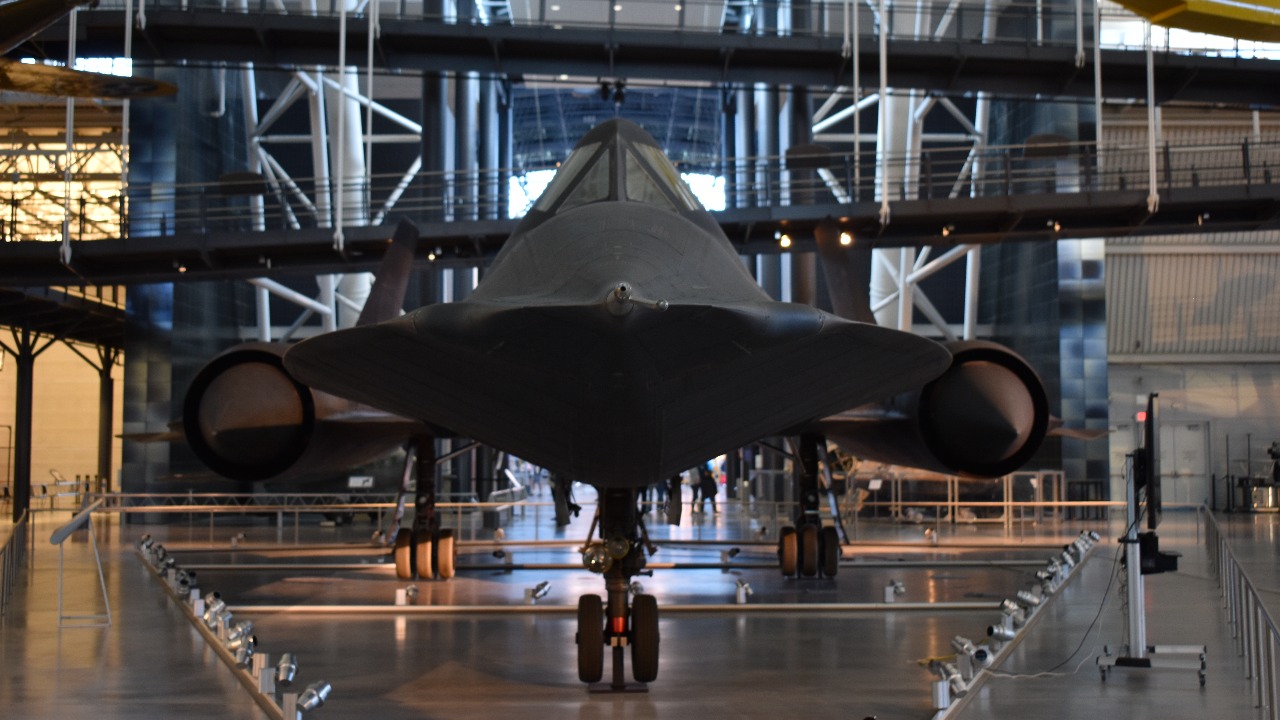
The SR-71’s operational achievements are nothing short of extraordinary. Throughout its service, the aircraft conducted numerous reconnaissance missions, providing critical intelligence that shaped U.S. foreign policy during the Cold War. Its ability to fly undetected over hostile territory made it a formidable tool in the U.S. military arsenal. The SR-71’s speed and altitude capabilities allowed it to gather valuable data without risking the lives of its crew.
The legacy of the SR-71 extends beyond its operational record. Its innovative use of titanium and advanced aerodynamics influenced the design of subsequent generations of aircraft. The lessons learned from the SR-71’s development continue to inform modern aviation technology. The Blackbird’s impact is evident in the design of newer aircraft, which have adopted many of the materials and techniques pioneered by the SR-71 program. For more insights into its enduring influence, consider exploring comprehensive analyses.
The Irony of Cold War Espionage
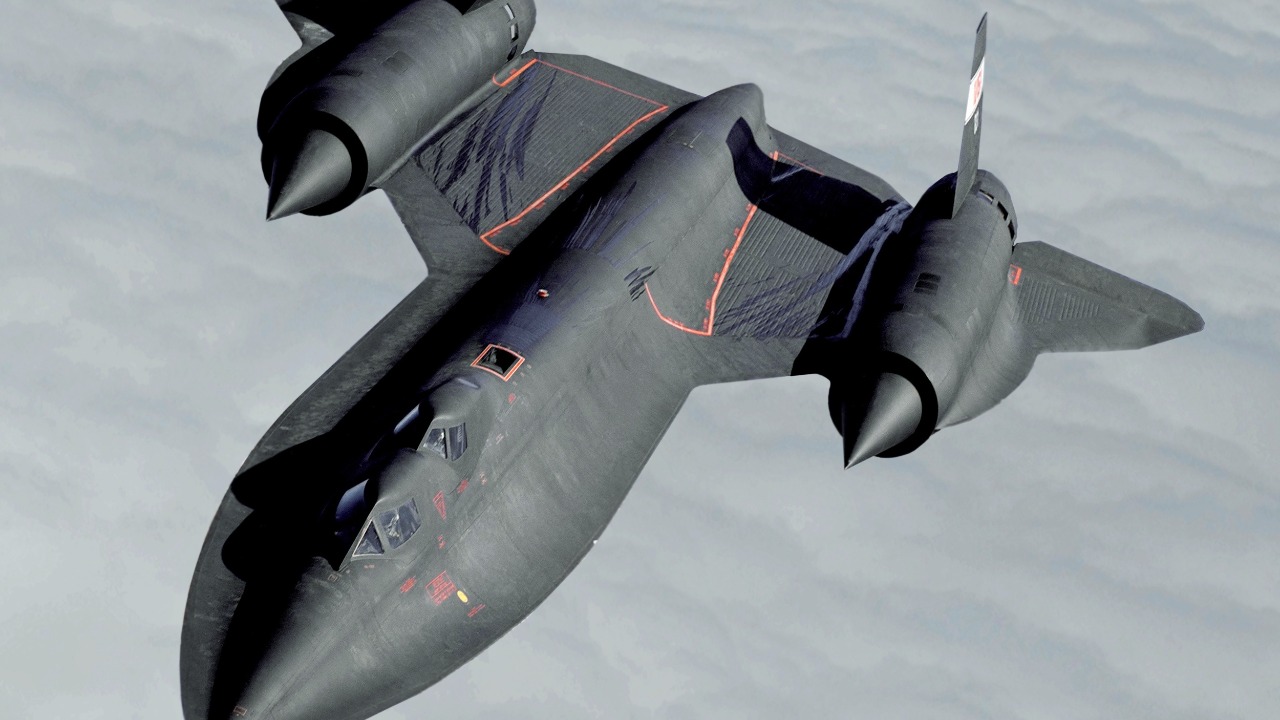
The story of the SR-71 is a tale of unintended consequences, highlighting the irony of using Soviet resources to construct a spy plane intended to monitor Soviet activities. This situation underscores the complexities of Cold War espionage, where geopolitical strategy often led to paradoxical scenarios. Such ironies are not uncommon in history, where the pursuit of national security sometimes results in unexpected partnerships and outcomes.
The broader implications of this episode offer valuable lessons in international relations. It serves as a reminder of the intricate interplay between technology and geopolitics. The SR-71’s development illustrates how nations can inadvertently become intertwined in each other’s ambitions, even when their objectives are at odds. As we reflect on this historical chapter, it becomes clear that advancements in technology often transcend political boundaries, shaping the course of history in unforeseen ways. Discussion threads like those found on Reddit continue to explore these fascinating aspects.
