Spain may have taken a groundbreaking step in the renewable energy sector with the development of a revolutionary wind turbine design. Unlike the traditional towering blades we’re accustomed to, this new technology promises increased efficiency and aesthetic integration into urban landscapes. As global demand for clean energy grows, Spain’s innovation could set a new standard for sustainable power.
The Evolution of Wind Turbine Technology
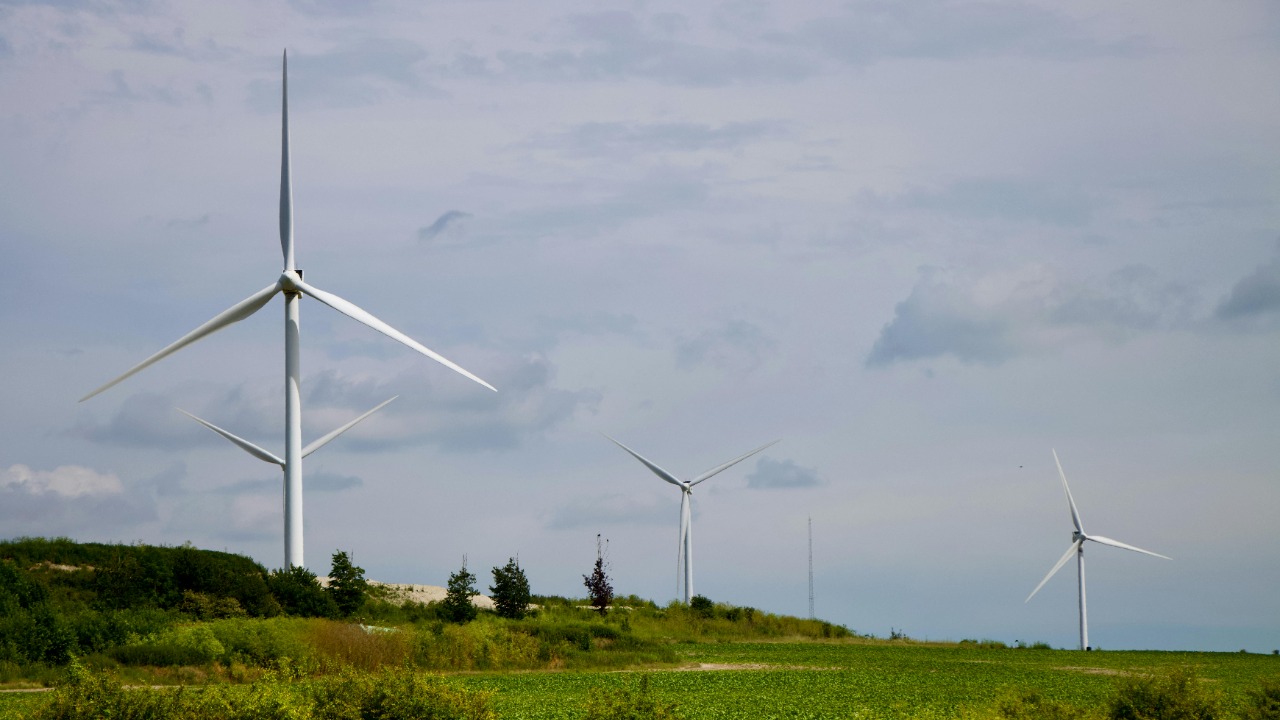
Wind turbine technology has come a long way since its inception. Early designs, often characterized by their simple, horizontal-axis configurations, suffered from numerous functional drawbacks. These early models were limited in their ability to capture wind efficiently, often requiring high wind speeds to generate meaningful amounts of electricity. As a result, they were largely confined to areas with consistent and strong winds, limiting their geographical application.
Modern turbine technology has addressed many of these issues, with advancements in materials and engineering allowing for larger and more efficient designs. The shift towards vertical axis turbines, for instance, has enabled the capture of wind from any direction, vastly improving their utility. Spain’s latest development represents a significant divergence from these traditional models. By incorporating innovative materials and unique structural designs, Spain’s wind turbines are not only more efficient but also aesthetically adaptable to both urban and rural settings.
The Science Behind Spain’s New Wind Turbine

The visual and functional design of Spain’s new wind turbine represents a significant departure from the norm. These turbines eschew the traditional blade structure in favor of a more streamlined, vertical configuration. The design features a series of vertical fins that rotate around a central axis, capturing wind energy more efficiently than traditional blades. This not only enhances energy capture but also reduces the noise and visual impact typically associated with wind farms.
Engineering such a novel design did not come without its challenges. Overcoming the limitations of traditional materials, Spanish engineers have integrated cutting-edge composites that are both lightweight and durable. This allows the turbines to operate efficiently even in low wind conditions, broadening their applicability. Furthermore, advancements in aerodynamics have been pivotal, enabling these turbines to harness energy from varying wind speeds and directions, thus maximizing their power output.
Environmental and Economic Impacts
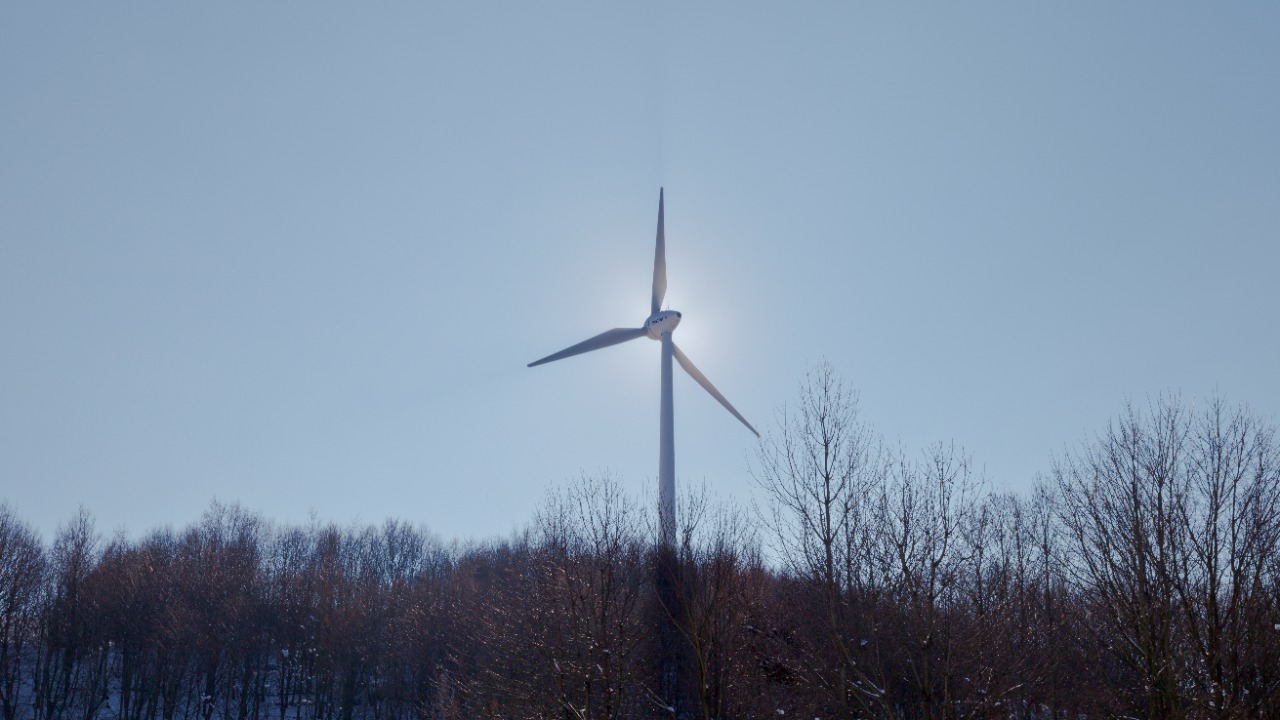
One of the most notable advantages of Spain’s wind turbine design is its potential for seamless integration into both urban and rural landscapes. Traditional turbines have often faced resistance due to their noise and the visual pollution they introduce. Spain’s new turbines, however, are designed to operate quietly and blend more naturally with their surroundings, making them an attractive option for urban environments where space and aesthetics are critical considerations.
Economically, these turbines present several advantages. Initial cost analyses suggest that while the upfront investment may be comparable to traditional turbines, the long-term savings are substantial. The increased efficiency and lower maintenance requirements translate to reduced operational costs over the turbine’s lifespan. For energy producers, this means a more favorable return on investment, and for consumers, it could lead to lower energy prices as the technology becomes more widely adopted. Spain’s innovation could thus become a transformative force in the energy sector, driving down costs and encouraging broader adoption of renewable energy sources.
Spain’s Role in the Global Renewable Energy Market
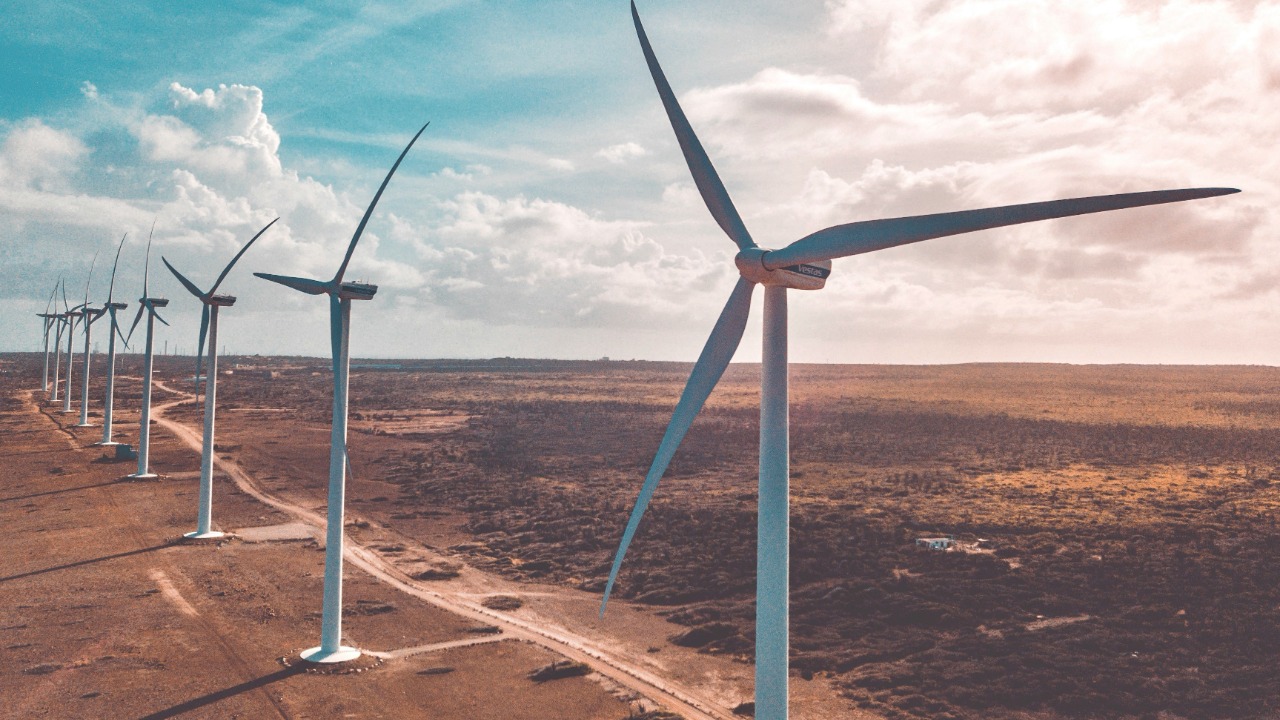
Spain has long been a leader in renewable energy, with government policies actively supporting innovation and development in this sector. The country’s ambitious energy targets aim to significantly increase the share of renewables in its energy mix. This new wind turbine technology aligns perfectly with these goals, offering a practical and scalable solution to meet both national and European Union energy directives. The Spanish government’s commitment to sustainable energy is evident in its support for pilot projects and incentives for the adoption of cutting-edge technologies.
Internationally, Spain’s innovation is poised to influence energy practices around the world. Early adoption in countries with similar energy goals could lead to widespread implementation, setting a new standard for wind energy technology globally. Collaborative opportunities abound, as other nations look to Spain’s model for inspiration, potentially leading to shared research and development initiatives that could fast-track the deployment of this innovative technology worldwide.
Future Prospects and Challenges
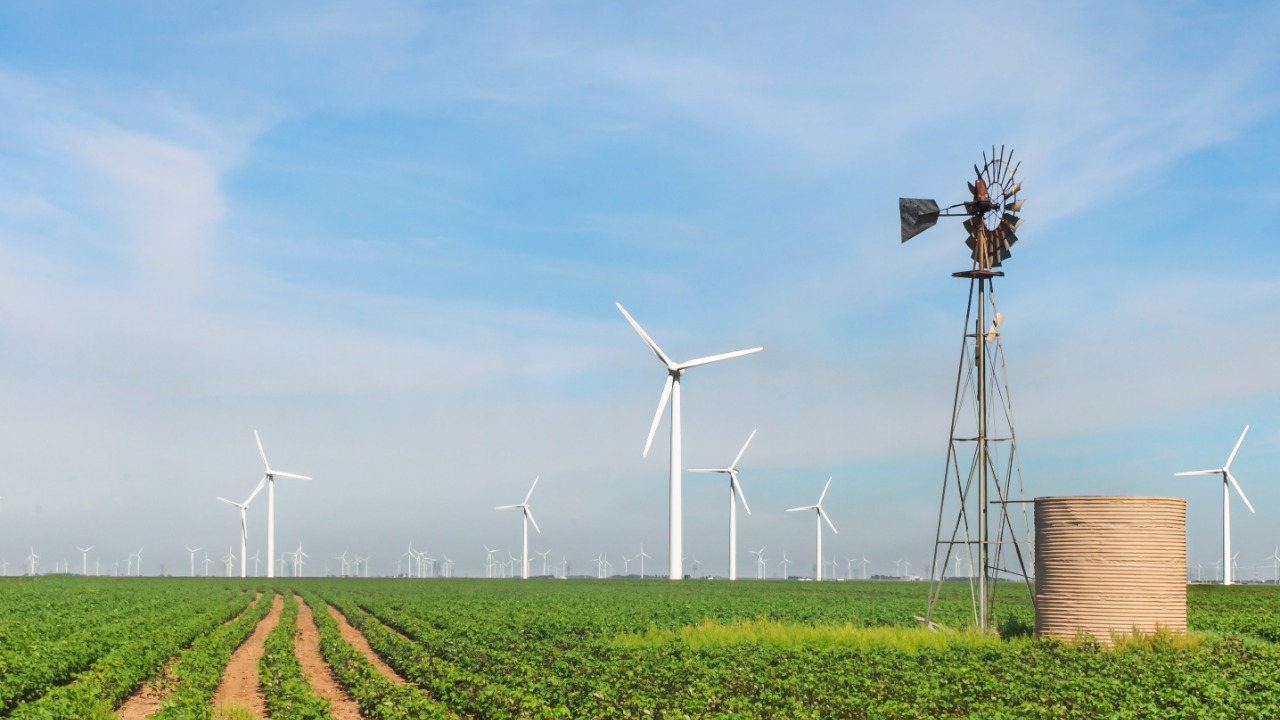
While the promise of Spain’s new wind turbine technology is clear, scaling its production and deployment presents its own set of challenges. Strategies for manufacturing these turbines must be developed to ensure they can be produced efficiently and cost-effectively. Logistics and regulatory frameworks will also need to be addressed to facilitate widespread implementation, particularly in regions where existing infrastructure may not support rapid integration.
Continued research and development will be critical in refining this technology. Areas such as energy storage, materials science, and aerodynamics offer significant avenues for further innovation. Interdisciplinary collaboration will play a vital role in advancing these technologies, bringing together experts from various fields to tackle the complex challenges of renewable energy production. The future of wind energy, as exemplified by Spain’s pioneering work, holds great promise for a cleaner and more sustainable world.
