
SpaceX is making strides in the development of a new Mini-Starship, designed to land humans on the Moon and Mars, addressing key challenges in deep-space missions. This development comes at a time when NASA and SpaceX have outlined a plan to colonize Mars, potentially accelerating human settlement timelines. However, the race to Mars is not without competition, as China is testing a ‘perfect fuel’ inspired by NASA and SpaceX to surpass hydrogen and electric propulsion. Amid this, President Trump has called for the US to land astronauts on Mars by 2029, raising questions about feasibility.
SpaceX’s Mini-Starship for Lunar and Martian Landings
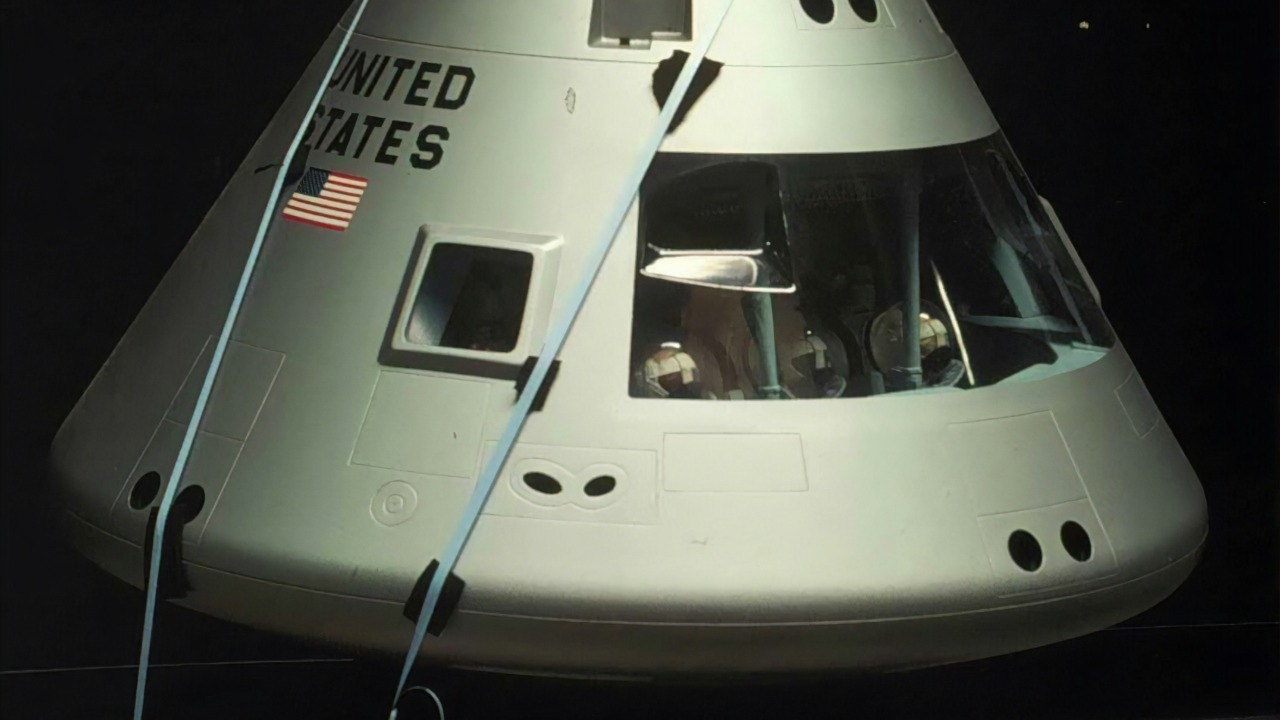
SpaceX’s new Mini-Starship is a crucial component in the company’s ambitious plans for lunar and Martian landings. The development of this new spacecraft is a response to the unique challenges presented by deep-space missions, particularly those involving human passengers (Forbes). The Mini-Starship design focuses on compact, efficient propulsion systems, potentially incorporating advanced fuels to support extended missions beyond low Earth orbit.
According to Forbes, the Mini-Starship is designed to be a versatile spacecraft, capable of carrying both crew and cargo. Its compact design is a strategic move to optimize for the harsh conditions of deep-space travel and the gravitational challenges of lunar and Martian landings. The Mini-Starship’s propulsion system is being developed to be highly efficient, potentially incorporating advanced fuels to support extended missions. This could be a game-changer in terms of reducing the amount of fuel needed for a round trip, thereby making space travel more cost-effective and sustainable.
SpaceX’s Mini-Starship is also expected to feature advanced life-support systems to ensure the safety and well-being of astronauts during long-duration space travel. These systems would need to be capable of recycling air and water, as well as managing waste, to support human life for months or even years at a time. The development of the Mini-Starship is a testament to SpaceX’s commitment to making human settlement on other planets a reality.
NASA and SpaceX’s Mars Colonization Strategy

NASA and SpaceX have a detailed plan to colonize Mars, emphasizing sustainable habitats and resource utilization (MSN). The plan includes shocking elements like in-situ fuel production on Mars to reduce reliance on Earth-launched propellants. Collaboration between NASA and SpaceX aims to integrate new fuel technologies for reusable spacecraft in multi-year journeys.
As reported by MSN, the Mars colonization strategy of NASA and SpaceX is centered around the concept of sustainability. This involves the creation of habitats that can support human life over extended periods, using resources available on Mars. The plan includes the development of technologies for in-situ resource utilization, such as extracting water from the Martian soil and producing oxygen for breathing and rocket fuel.
The collaboration between NASA and SpaceX also involves the development of new fuel technologies for reusable spacecraft. This is a critical aspect of the plan, as it would significantly reduce the cost of space travel and make Mars colonization economically viable. The strategy also includes plans for regular cargo missions to Mars to deliver supplies and equipment necessary for the establishment and expansion of a human colony.
Trump’s Push for a 2029 Mars Landing

President Trump has expressed his desire for the US to land astronauts on Mars soon, specifically targeting 2029 as a potential timeline (Space.com). Feasibility assessments highlight challenges in propulsion efficiency, where SpaceX’s new fuel could play a pivotal role in meeting this accelerated schedule.
As noted by Space.com, President Trump’s ambitious timeline for a Mars landing by 2029 has sparked a flurry of activity in the space industry. This accelerated schedule presents a significant challenge, particularly in terms of propulsion efficiency. The development of advanced fuels by companies like SpaceX could play a crucial role in achieving this goal. Such fuels could potentially reduce the travel time to Mars, making a 2029 landing more feasible.
However, a Mars landing by 2029 would also require advancements in other areas, such as life-support systems, radiation protection, and landing technologies. The success of this endeavor would be a testament to the technological prowess of the United States and could potentially inspire a new generation of space explorers.
China’s Emerging Dominance in Space Exploration
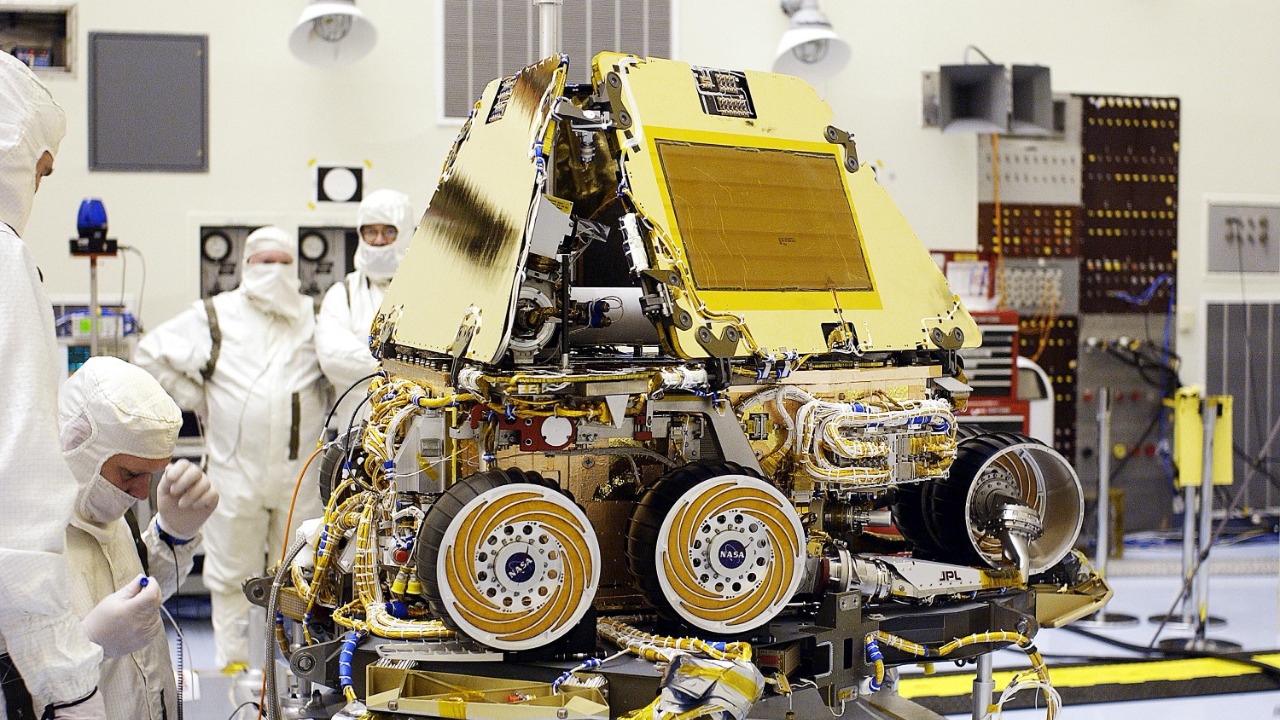
A new report warns that China could overtake the US as the top nation in space within 5-10 years (Live Science). Expert claims in the report underscore China’s rapid advancements in launch capabilities and mission scope, pressuring US-led initiatives like SpaceX’s Mars efforts.
According to Live Science, China’s rapid advancements in space exploration could see it overtake the US as the leading nation in space within the next 5-10 years. China’s space program has been making significant strides in recent years, with successful missions to the Moon and Mars. The country’s growing capabilities in launch technology, satellite deployment, and space station construction have put it on a trajectory to become a major player in space exploration.
China’s ambitious space program is driven by a desire to assert its technological prowess on the global stage. The country’s advancements in space exploration could have significant implications for the balance of power in space, potentially challenging US dominance. This has added a new dimension to the race to Mars, with China emerging as a formidable competitor.
China’s ‘Perfect Fuel’ Development
China is testing the ‘perfect fuel’ to beat hydrogen and electrics, drawing inspiration from NASA and SpaceX technologies (El Diario 24). This fuel aims to provide superior energy density and reliability for long-duration space travel, potentially shifting competitive advantages in Mars-bound missions.
El Diario 24 reports that China is testing a new type of fuel, dubbed the ‘perfect fuel’, for use in space missions. This fuel is said to offer superior energy density and reliability compared to traditional hydrogen and electric propulsion systems. The development of this fuel is part of China’s broader strategy to enhance its capabilities in space exploration and potentially gain a competitive edge in the race to Mars.
The ‘perfect fuel’ is believed to be inspired by technologies developed by NASA and SpaceX. If successful, this fuel could revolutionize space travel by enabling longer-duration missions and reducing the cost of space exploration. However, the development of this fuel is still in the early stages, and it remains to be seen whether it can deliver on its promise.
Implications of Advanced Fuels for the Mars Race
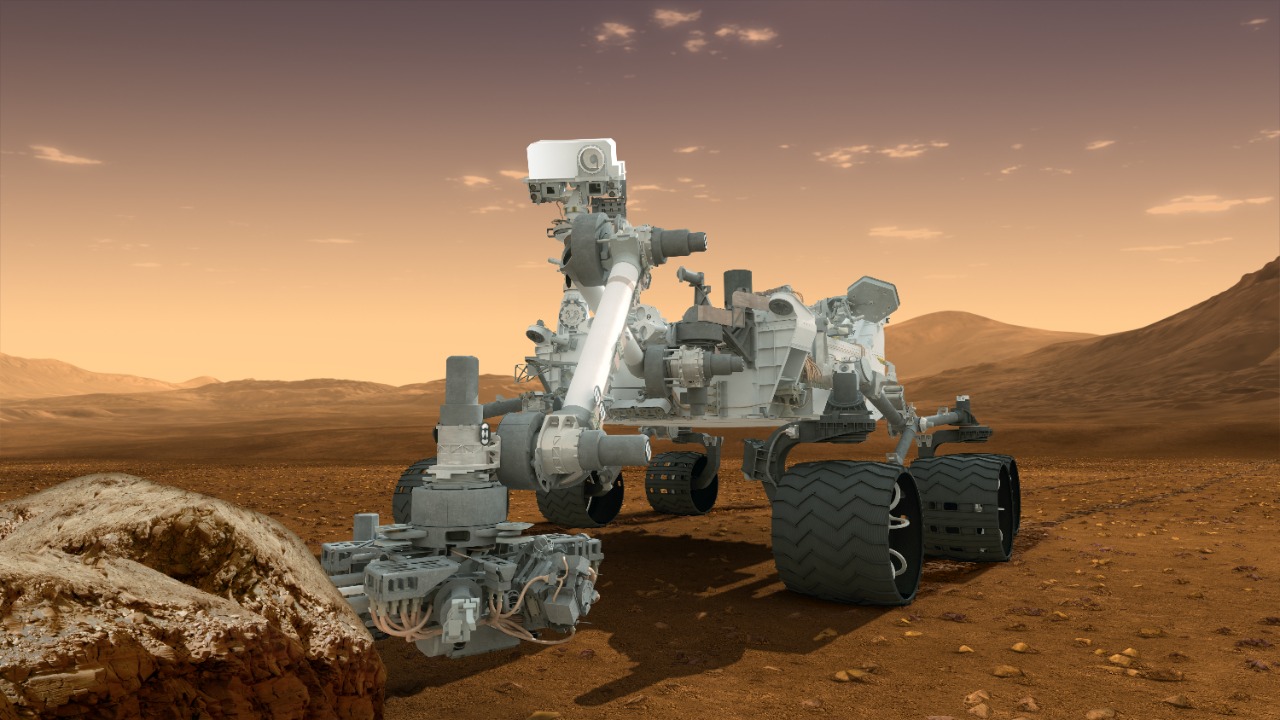
SpaceX’s new fuel innovations, potentially mirroring or countering China’s ‘perfect fuel’, could enable faster transit times and lower costs for Mars missions. Integration of these fuels with vehicles like the Mini-Starship would enhance NASA’s colonization plans by improving payload capacities to Mars.
The development of advanced fuels by companies like SpaceX and China could have far-reaching implications for the race to Mars. These fuels could potentially enable faster transit times to Mars, reducing the duration of space travel and making it more feasible for humans. They could also lower the cost of space missions by reducing the amount of fuel needed for a round trip.
Integration of these fuels with spacecraft like SpaceX’s Mini-Starship could significantly enhance payload capacities to Mars, enabling the transport of more supplies and equipment necessary for colonization. This could accelerate the timeline for establishing a human colony on Mars and open up new possibilities for exploration and scientific discovery. However, the development and testing of these fuels present significant technical challenges and will require continued investment and innovation.
