
SpaceX has unveiled its latest technological marvel: a new lunar rover designed to support upcoming missions to the Moon. This groundbreaking development marks a significant milestone in space exploration, promising to enhance lunar exploration capabilities and support NASA’s Artemis program.
The Vision Behind SpaceX’s Lunar Rover

Elon Musk has long envisioned a future where humanity establishes a sustainable presence beyond Earth, and the development of a lunar rover is a crucial step toward realizing that goal. The lunar rover is designed to facilitate not only exploration but also a potential human settlement on the Moon. This rover aligns with Musk’s broader vision of Moon colonization, providing the necessary infrastructure to support human life and scientific research on the lunar surface.
SpaceX’s collaboration with NASA’s Artemis Program is a testament to the importance of public-private partnerships in advancing space exploration. The lunar rover will play an integral role in the Artemis missions, serving as a key component for transporting astronauts and conducting scientific investigations. By integrating the rover into NASA’s plans, SpaceX is helping to lay the groundwork for a new era of lunar exploration.
In terms of technology, the lunar rover incorporates cutting-edge innovations to tackle the unique challenges of the Moon’s environment. From advanced propulsion systems to state-of-the-art materials, the rover is equipped to endure the harsh conditions of the lunar surface. Its design reflects SpaceX’s commitment to pushing the boundaries of space technology, ensuring that it can perform effectively during extended missions.
Design and Features of the Lunar Rover
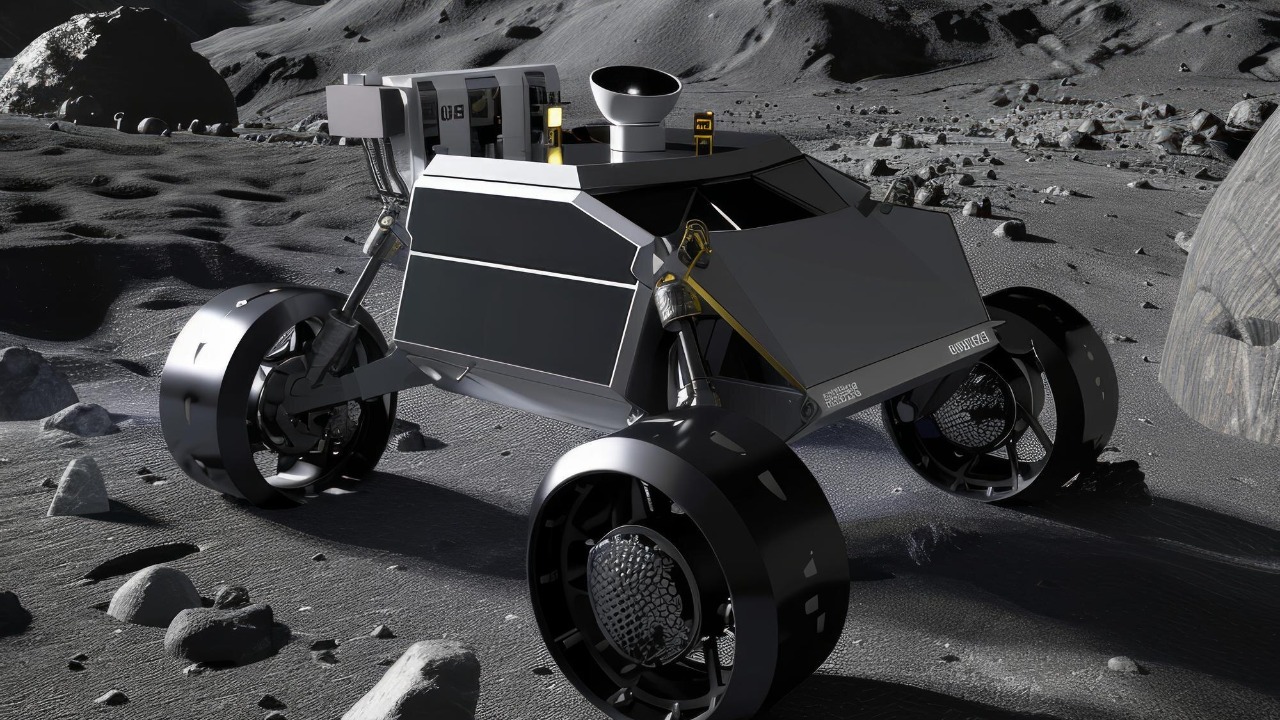
The SpaceX lunar rover boasts an impressive array of specifications tailored for the Moon’s rugged terrain. With dimensions optimized for stability and maneuverability, it is designed to traverse various surfaces with ease. The rover is lightweight to conserve energy but robust enough to withstand the Moon’s extreme temperatures and radiation. Unique features such as adaptable suspension systems and specialized wheels enable it to navigate obstacles and craters effectively.
Autonomous navigation is a standout feature of the rover, made possible by sophisticated AI algorithms and a suite of sensors. These technologies allow the rover to operate independently, making decisions in real-time to avoid hazards and optimize its route. This capability is essential for maximizing the efficiency of scientific missions, as it reduces the need for constant human intervention from mission control.
The scientific instrumentation onboard the lunar rover is designed to support a wide range of experiments and data collection efforts. From geology to atmospheric studies, the rover is equipped with tools to analyze the Moon’s surface and subsurface. This comprehensive suite of instruments will provide invaluable insights into the Moon’s history and environment, aiding in the preparation for future human missions.
Potential Impact on Lunar Exploration
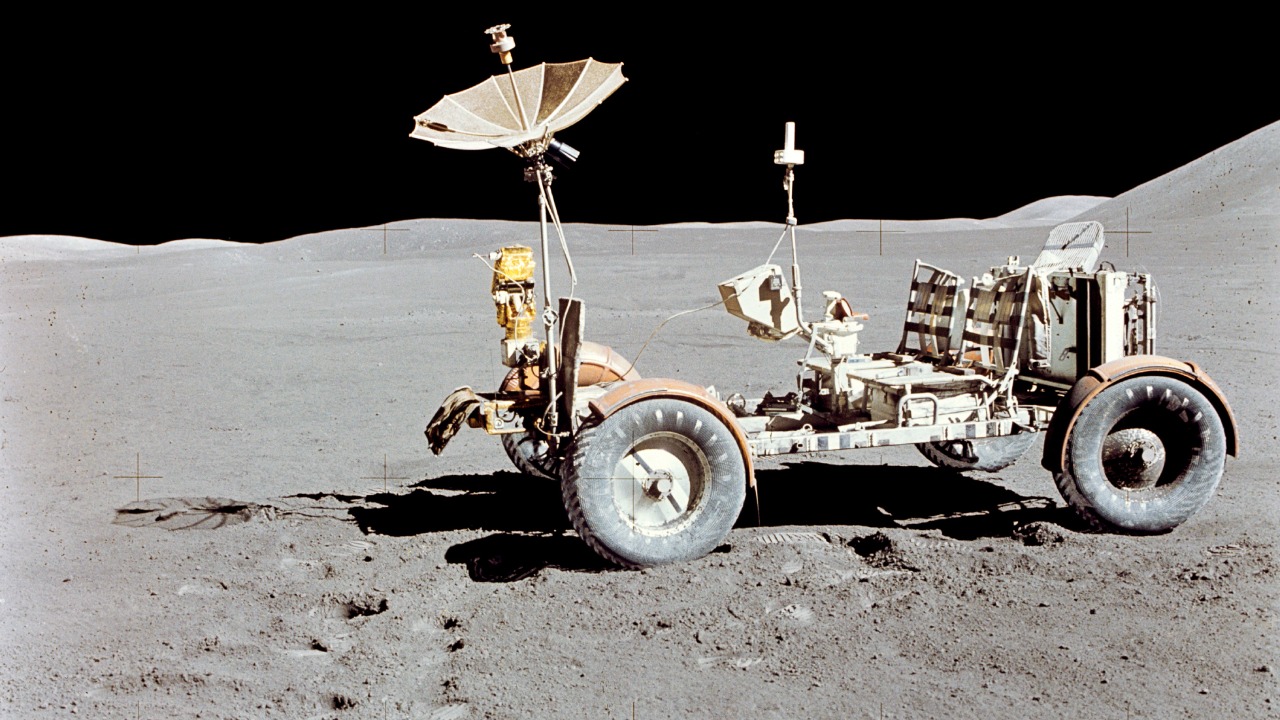
The introduction of SpaceX’s lunar rover represents a significant advancement in the field of scientific research conducted on the Moon. With its advanced capabilities, the rover can enhance our understanding of the Moon’s geological features and environmental conditions. This, in turn, will inform future exploration strategies and help scientists develop a more comprehensive picture of lunar history.
The rover’s role in supporting human missions is equally significant. By providing transportation and logistical support, it will enable astronauts to cover greater distances and conduct more extensive research during their time on the Moon. Additionally, the rover’s capacity for resource utilization, such as prospecting for water ice or other materials, could be pivotal in establishing a sustainable human presence.
Looking beyond lunar exploration, the success of SpaceX’s rover could have profound implications for missions to Mars and beyond. The technologies and systems developed for the rover may be adapted for use on other celestial bodies, paving the way for more ambitious endeavors in the future. As such, the rover not only represents a leap forward for lunar exploration but also for the broader field of space exploration.
Challenges and Considerations
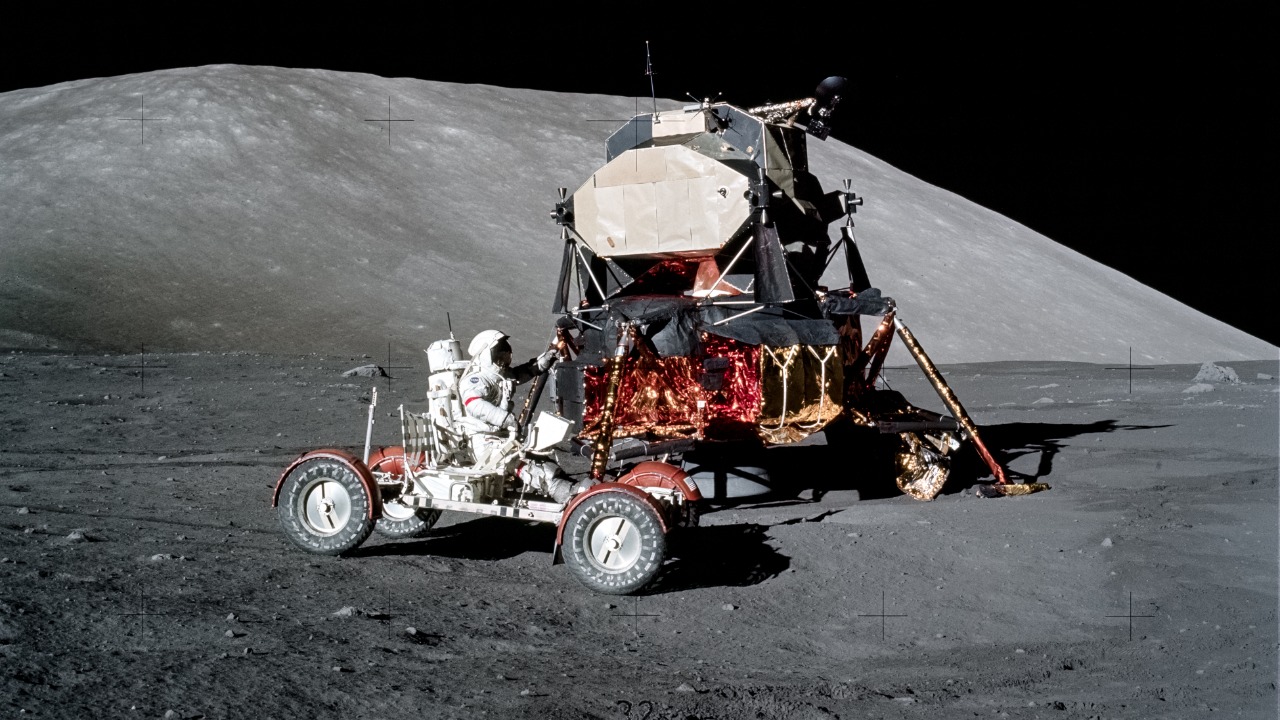
Developing and deploying a lunar rover is not without its challenges. SpaceX faces several technical hurdles, including ensuring a reliable power supply and maintaining communication with the rover over vast distances. These challenges require innovative solutions to ensure the rover’s successful operation and longevity on the Moon’s surface.
Environmental and safety concerns are also paramount. Operating machinery on the Moon poses potential environmental impacts, such as surface disturbance and the introduction of contaminants. SpaceX must carefully consider these factors to minimize the impact on the lunar environment. Additionally, ensuring crew safety during rover operations is critical, necessitating rigorous testing and safety protocols.
The regulatory landscape for lunar exploration is complex, requiring coordination and cooperation among international partners. Adhering to existing treaties and agreements is essential for the responsible use of space resources. SpaceX’s collaboration with NASA and other stakeholders underscores the importance of international cooperation in advancing lunar exploration efforts.
Future Prospects and Developments
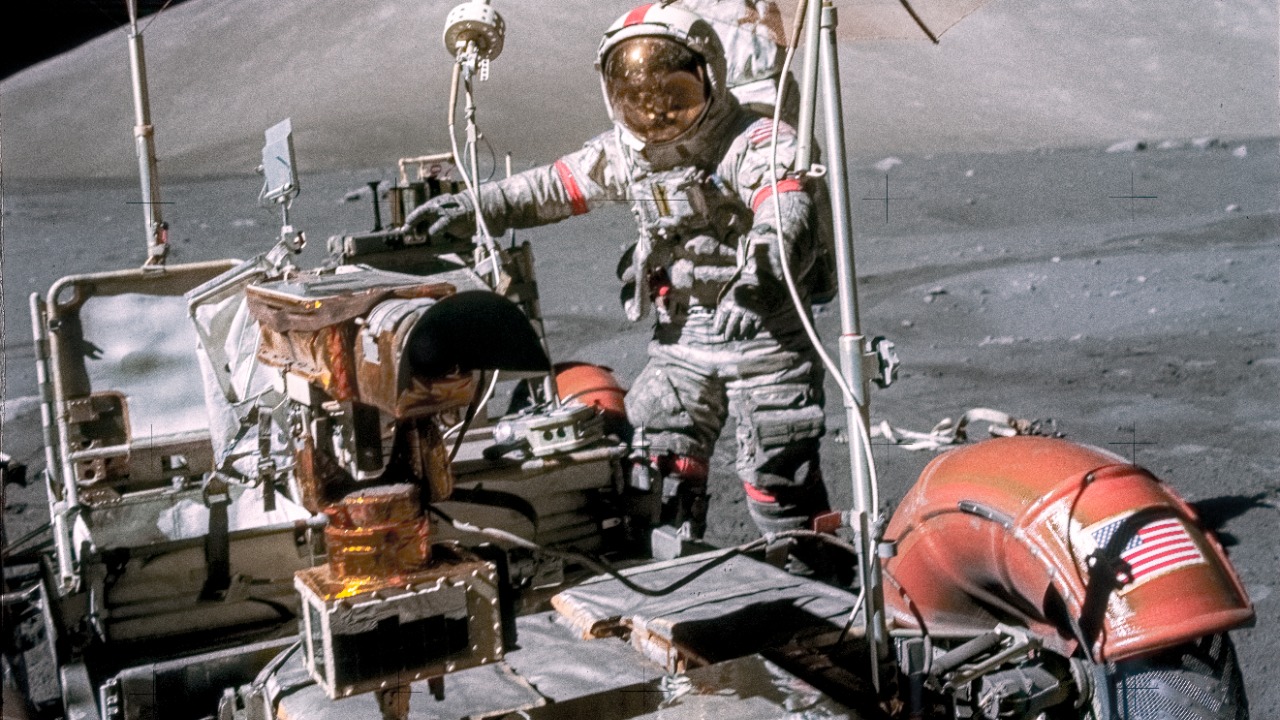
The timeline for the deployment of SpaceX’s lunar rover is closely tied to the schedules of upcoming lunar missions. While exact dates may vary, the rover is expected to become operational as part of NASA’s Artemis missions within the next few years. Its integration into these missions will be a crucial step toward achieving the long-term goals of lunar exploration.
The rover’s deployment could also catalyze the expansion of lunar infrastructure. With its ability to support construction and research activities, the rover could facilitate the development of bases or research outposts on the Moon. Such infrastructure would be instrumental in supporting sustained human presence and scientific endeavors on the lunar surface.
Ultimately, the advancements made with the lunar rover could have far-reaching implications for the future of space exploration. By demonstrating the feasibility of complex operations on the Moon, SpaceX is laying the groundwork for future missions to Mars and other destinations. The lessons learned and technologies developed during this endeavor will undoubtedly inform the planning and execution of even more ambitious missions in the years to come.
