The much-anticipated SpaceX’s Starship Flight 9 ended in an unexpected turn of events. The spacecraft was lost over the Indian Ocean after losing attitude control, causing significant implications for SpaceX and its future endeavors.
The Sequence of Events Leading to the Loss
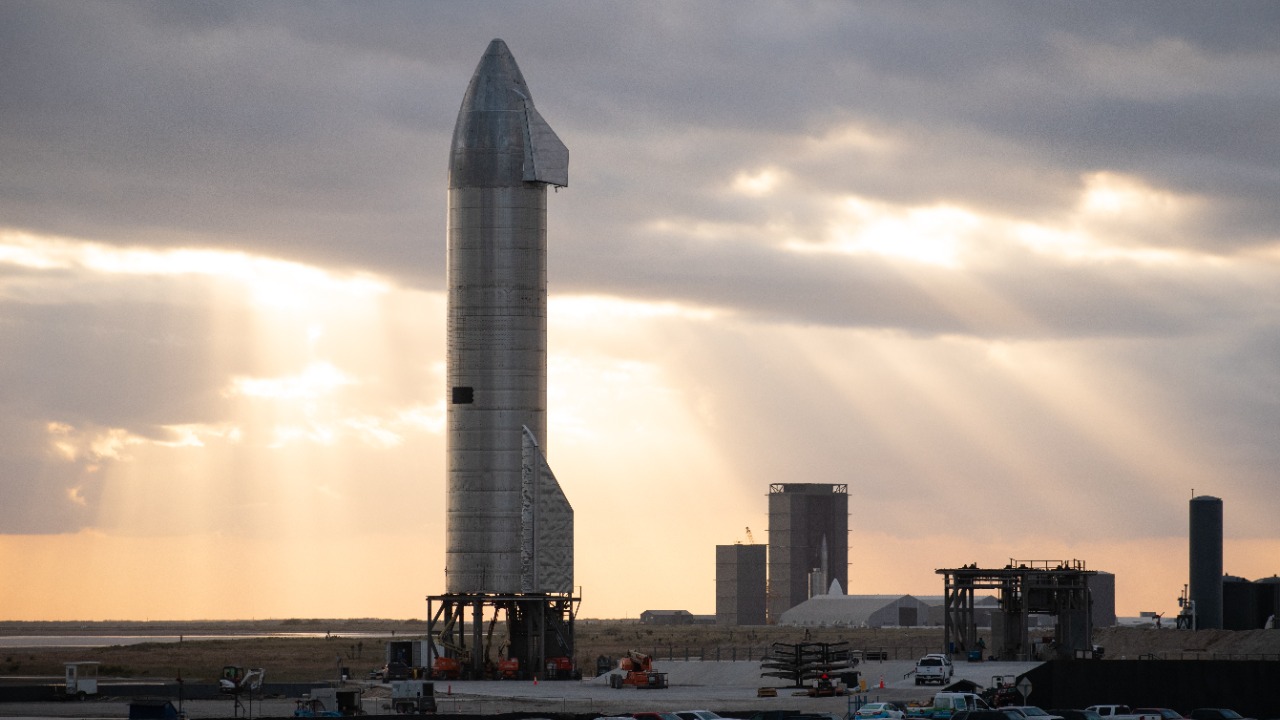
The journey of Starship Flight 9, from its launch to its unfortunate loss, was a sequence of highs and lows. The mission commenced as planned, but things took a turn for the worse when the spacecraft lost attitude control. This critical moment was captured in a video that shows the Starship wobbling before ultimately descending over the Indian Ocean.
The descent of the Starship was swift and uncontrolled, leading to its loss in the vast waters of the ocean. The incident marked the end of Flight 9, leaving SpaceX with a significant challenge to tackle.
The Technicalities Behind the Loss

Understanding the importance of attitude control in space flight is essential to comprehend the loss of Starship Flight 9. Attitude control orients the spacecraft in relation to other objects in space. It is critical for navigation, and losing this control can lead to catastrophic results, as witnessed in Flight 9.
Several factors could have contributed to the Starship losing attitude control. These may include mechanical failures, software glitches, or even unforeseen environmental conditions. Furthermore, SpaceX’s self-guided landing technology, which is supposed to enable the Starship to land even in the event of partial system failures, might have also played a role in the mishap.
The Impact on SpaceX and Future Missions
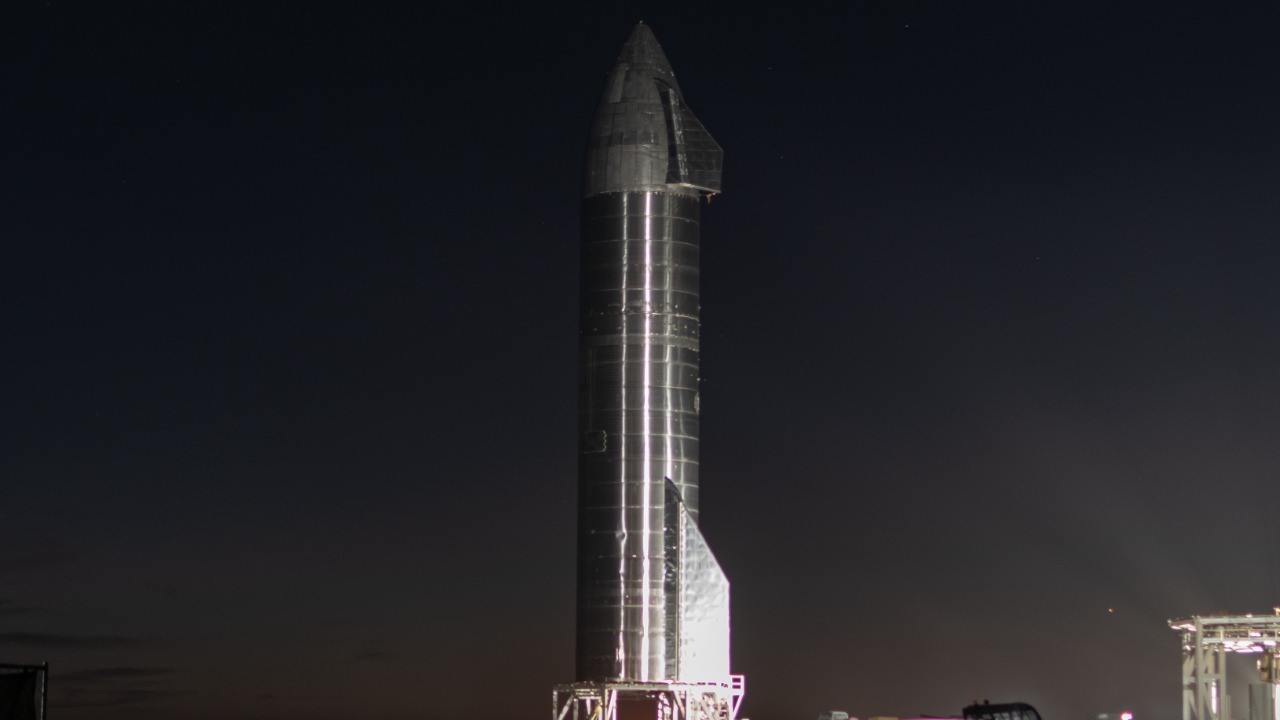
The loss of Flight 9 has undoubtedly impacted SpaceX’s reputation and stock market performance. The incident has sparked concerns about the reliability of SpaceX’s technology, particularly its self-guided landing system. This report details how the stock market reacted to the news.
The incident also impacts the planning and scheduling of future SpaceX missions. With the loss of Starship, SpaceX will need to reassess its strategies and possibly redesign aspects of the spacecraft to prevent similar losses. This might delay future launches, impacting the company’s ambitious timetables.
The Response from Regulatory Bodies

Regulatory bodies, like the Federal Aviation Administration (FAA), have responded to the loss by requiring SpaceX to investigate the mishap thoroughly. A statement by the FAA emphasizes the importance of safety and adherence to regulations in space flights.
Beyond the FAA, other space agencies and organizations around the world have also reacted to the incident. While some have expressed concerns over SpaceX’s rapid pace of development, others see it as an opportunity to enhance safety standards and regulations in space flights.
Lessons Learned from the Incident
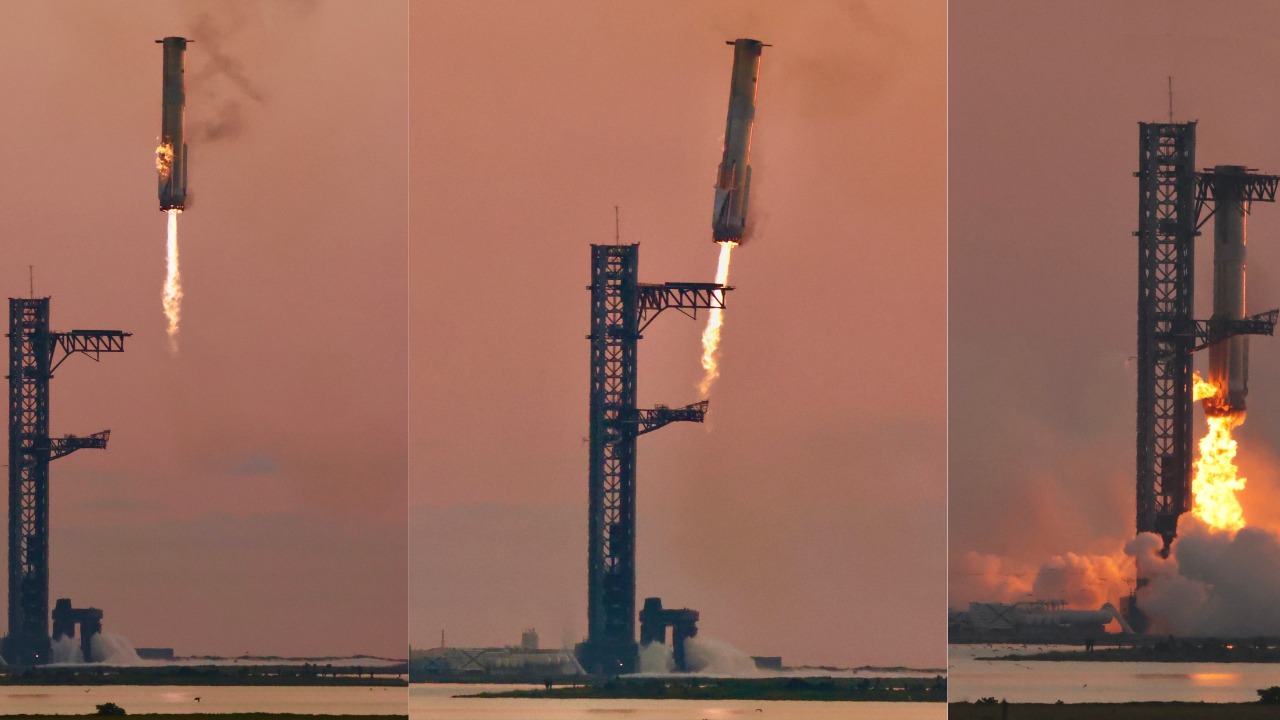
The incident offers several technical and operational learnings. For instance, it highlights the importance of robust and reliable attitude control systems. It also underscores the need for comprehensive testing and validation of self-guided landing technology.
More broadly, the mishap has implications for the field of space exploration. As detailed in this paper, incidents like these can influence future strategies and technologies to ensure the safety and success of space missions. They serve as a reminder of the challenges and risks involved in space exploration, pushing for more rigorous standards and practices.
