SpaceX’s Starship has finally achieved a successful test flight, marking a significant milestone in the history of private space exploration. This achievement paves the way for future Mars missions and interstellar travel, opening up a new realm of possibilities.
Historical Background and Prior Setbacks
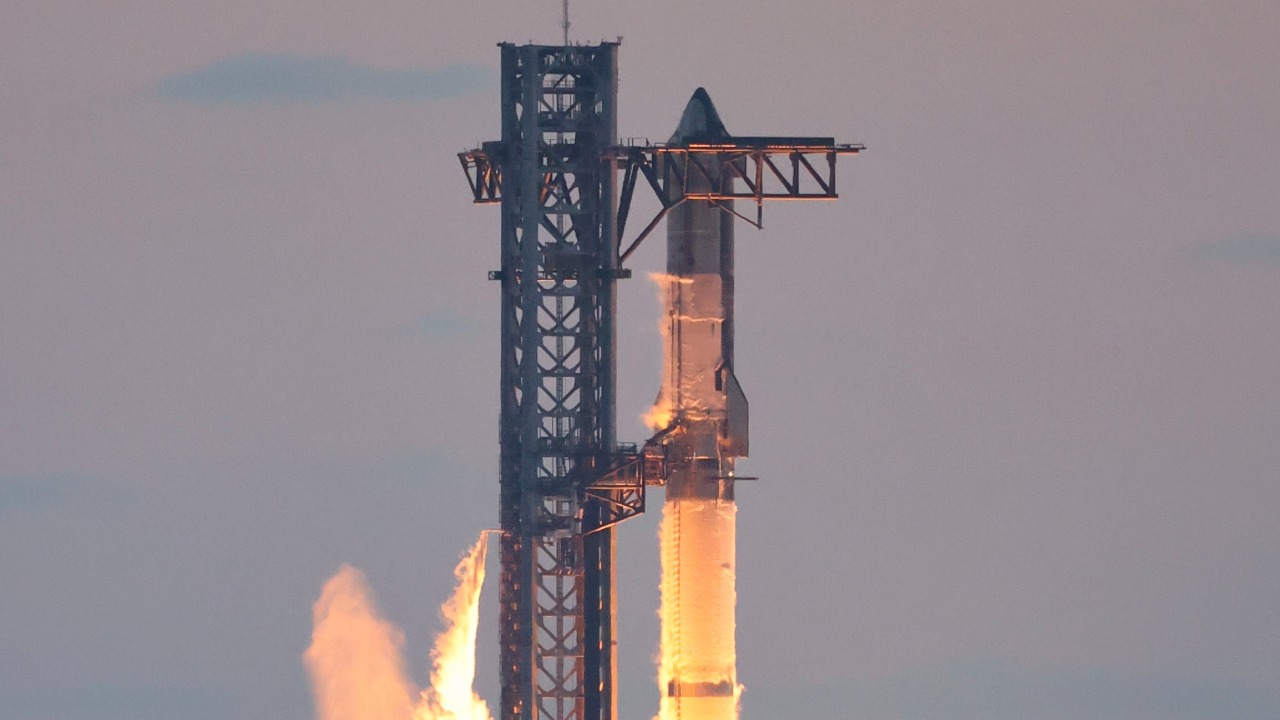
The journey of SpaceX’s Starship to this triumphant moment is a testament to resilience and innovation. From its conceptualization to the numerous challenges it faced during development, the Starship has remained a symbol of SpaceX’s ambitious vision for space exploration. A series of test flights resulted in explosive failures, each one a learning opportunity for the SpaceX team.
These setbacks were not simply obstacles, but pivotal moments that spurred necessary modifications and improvements. The explosive setbacks highlighted the challenges of developing a fully reusable spacecraft, contributing to the refinement of the Starship’s design and operations systems. These lessons have played a crucial role in the eventual success of the Starship’s test flight.
Details of the Successful Test Flight

The successful test flight of the Starship was a spectacle to behold. The spacecraft followed its projected trajectory flawlessly, achieving important milestones and demonstrating the effectiveness of its design and operational systems. Crucial to this success was the role of the Super Heavy booster, which provided the necessary thrust for the Starship to break free of Earth’s gravity.
This achievement holds immense significance for SpaceX. According to a Spaceflight Now report, the successful test flight validates years of hard work and innovation, bringing SpaceX a step closer to its ultimate goal of making space exploration more accessible. This success also reaffirms SpaceX’s position as a leading player in the space industry.
Mars Mission Scenarios for SpaceX Starship
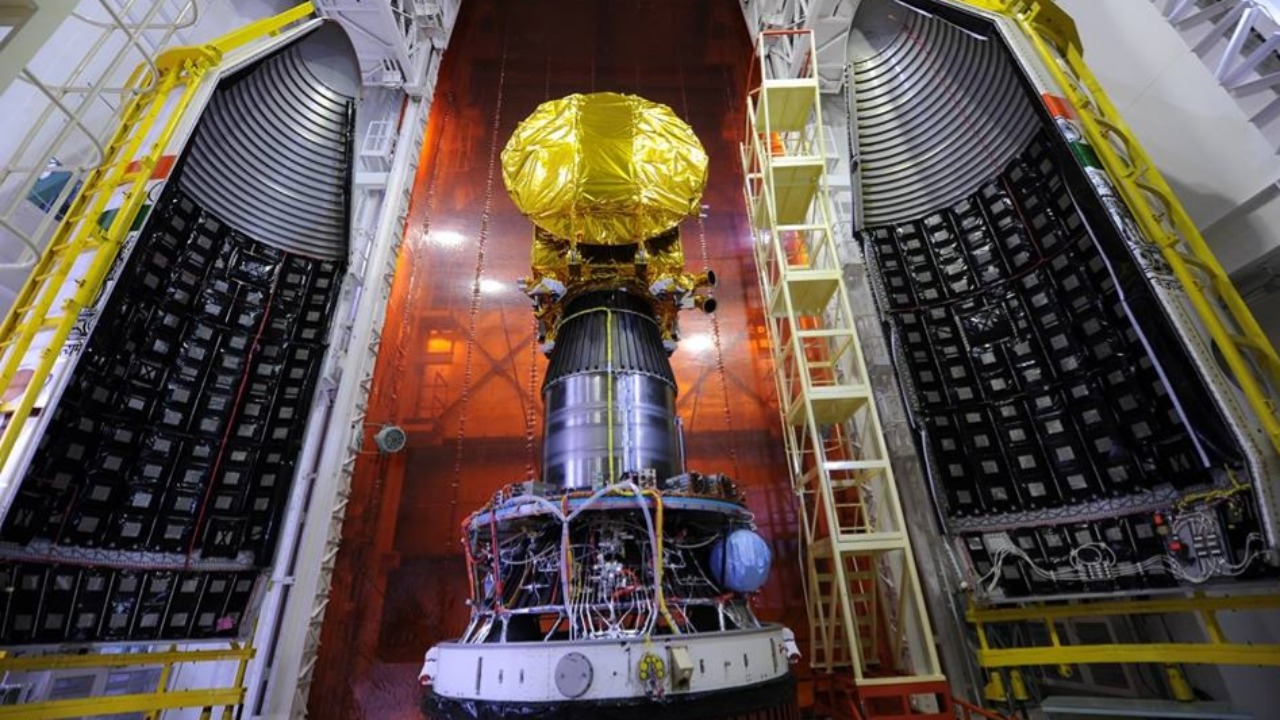
The success of the Starship’s test flight brings SpaceX’s Mars mission scenarios into sharper focus. As outlined by CEO Elon Musk, these scenarios envision humans becoming a multiplanetary species, with the Starship serving as the linchpin in our expansion into the cosmos.
Following the successful test flight, an analysis of the feasibility of these scenarios reveals a more promising picture. As per a research review, the successful test flight demonstrates the Starship’s potential to transport significant payloads to Mars, which is key to establishing a sustainable human presence on the Red Planet.
What’s Next for SpaceX’s Starship?
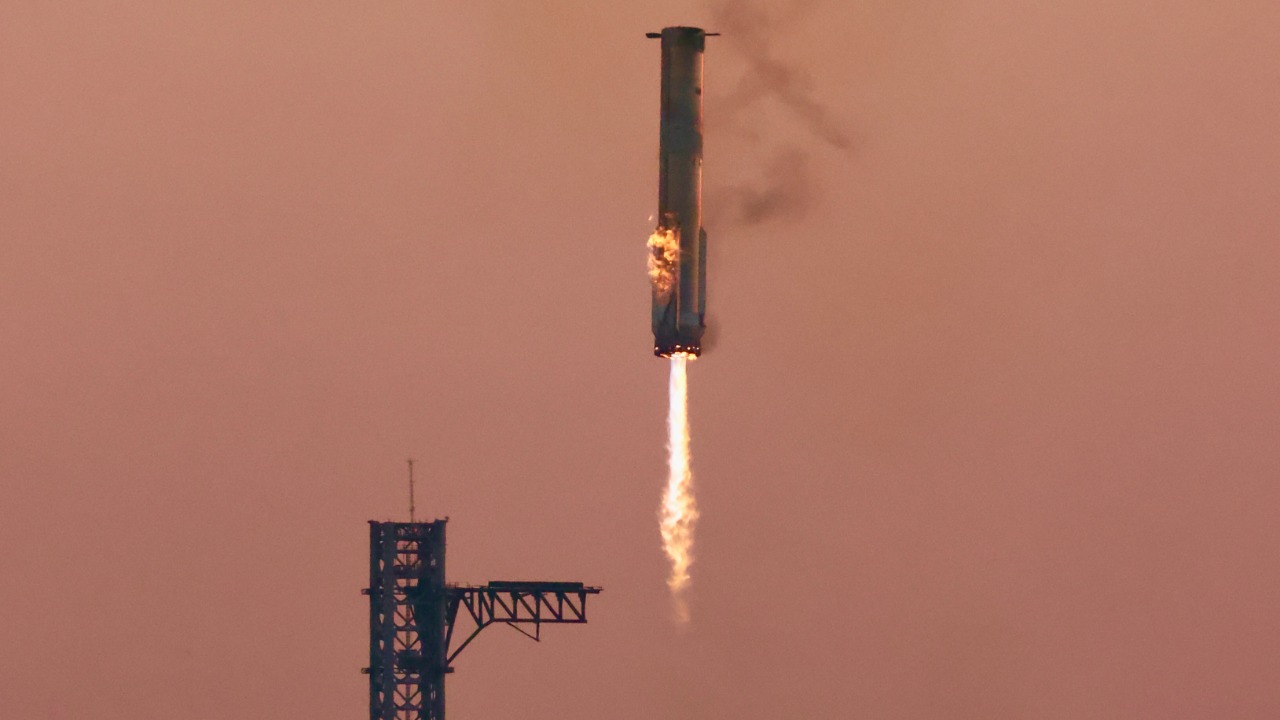
With the successful test flight under its belt, the future looks bright for SpaceX’s Starship. The focus now shifts to the upcoming test flights and the challenges they may present. Each future test will provide valuable data that will be instrumental in refining the Starship’s design and operations.
Potential obstacles may include the development of a reliable life support system, handling the extreme conditions of space travel, and the challenges associated with landing on Mars. According to Space.com, the timeline for SpaceX Starship’s first manned mission to Mars will depend on the success of these future tests and the solutions developed to overcome these challenges.
Implications for the Future of Space Exploration
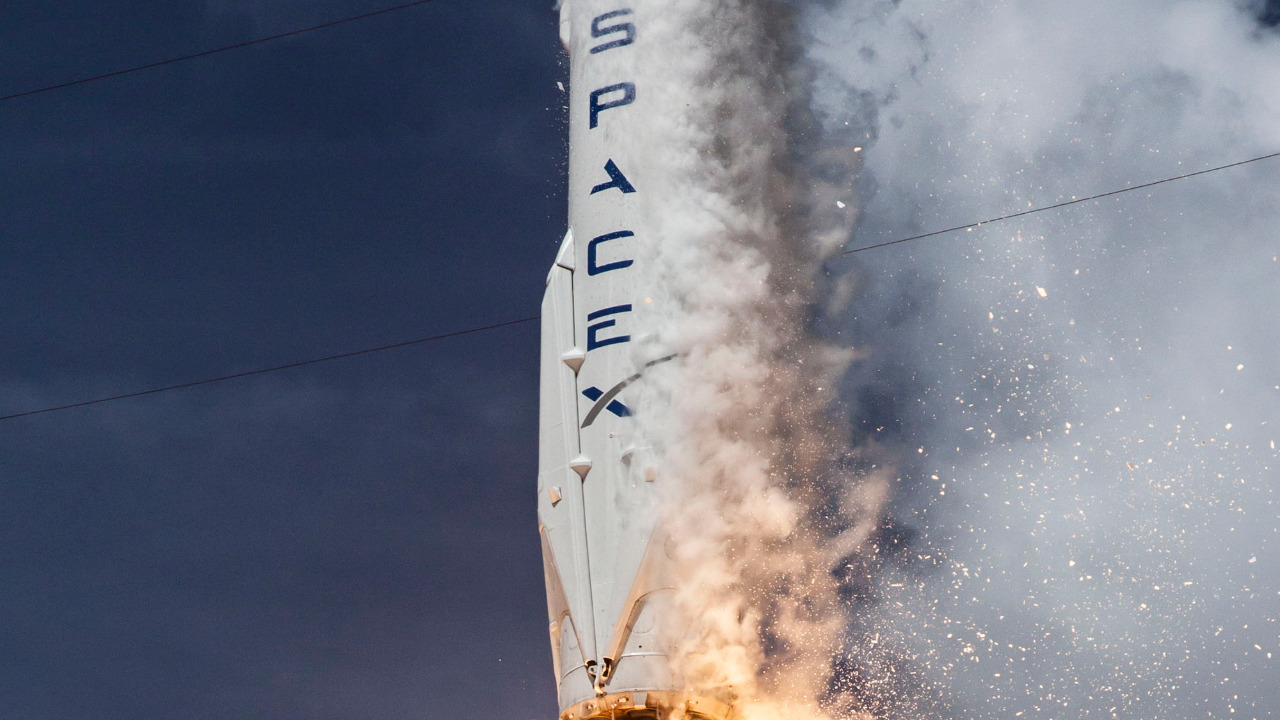
The successful test flight of SpaceX’s Starship has significant implications for the future of space exploration. It represents a shift in the dynamics of the space industry, with private companies like SpaceX leading the charge. This development could potentially democratize access to space, revolutionizing the way we explore the cosmos.
However, it’s crucial to consider the potential drawbacks of this shift. Concerns related to space debris, potential monopolies, and the ethical implications of space colonization need to be addressed. Nonetheless, the successful test flight of the Starship may trigger advancements in space technology and exploration, heralding a new era of discovery.
