
SpaceX, led by visionary Elon Musk, is making significant strides toward the development of reusable spacecraft designed to transport cargo to Mars. With the ambitious goal of launching these missions by the mid-2020s, the company is focused on revolutionizing space travel and making interplanetary logistics a reality. The latest updates on SpaceX’s plans and the technological advancements driving this groundbreaking initiative offer a glimpse into a future where Mars is within our reach.
The Vision Behind SpaceX’s Mars Mission

Elon Musk has long championed the ambitious goal of making humanity a multiplanetary species. SpaceX plays a pivotal role in this vision, with its focus on developing technology that can transport humans and cargo to Mars efficiently and sustainably. Musk’s aspirations go beyond mere exploration; he envisions a self-sustaining colony on Mars that could serve as a backup for civilization on Earth, ensuring the survival of humanity in case of a global catastrophe.
The concept of reusable spacecraft is central to achieving these goals. By reducing costs and increasing the frequency of missions, reusing rockets and spacecraft can make Mars travel more feasible. SpaceX’s successful launches and landings of the Falcon 9 rocket have already demonstrated the potential of reusability, and similar principles are being applied to the development of the Starship, designed specifically for interplanetary missions. The company has outlined a timeline that includes key milestones leading up to cargo missions to Mars, with the first launches expected as early as the mid-2020s.
Technological Innovations in SpaceX’s Starship

The design and engineering of SpaceX’s Starship represent significant breakthroughs in space travel technology. The spacecraft is equipped with stainless steel construction, which offers durability and protection against the harsh conditions of space. Its advanced heat shield is designed to withstand the intense heat of re-entry, ensuring the spacecraft’s integrity upon return to Earth. Furthermore, the Starship’s Raptor engines, powered by liquid methane and oxygen, provide the necessary thrust and efficiency for long-duration space travel.
Reusability is at the core of SpaceX’s strategy to lower the cost of space travel. By designing the Starship to be fully reusable, SpaceX aims to significantly reduce the cost per launch. This approach not only makes Mars missions more economically viable but also opens up new possibilities for frequent missions, enabling a sustained presence on the Red Planet. Recent tests, including high-altitude flights and landing attempts, have provided valuable data that informs ongoing improvements and iterations of the spacecraft’s design.
Challenges and Risks in Mars Cargo Missions
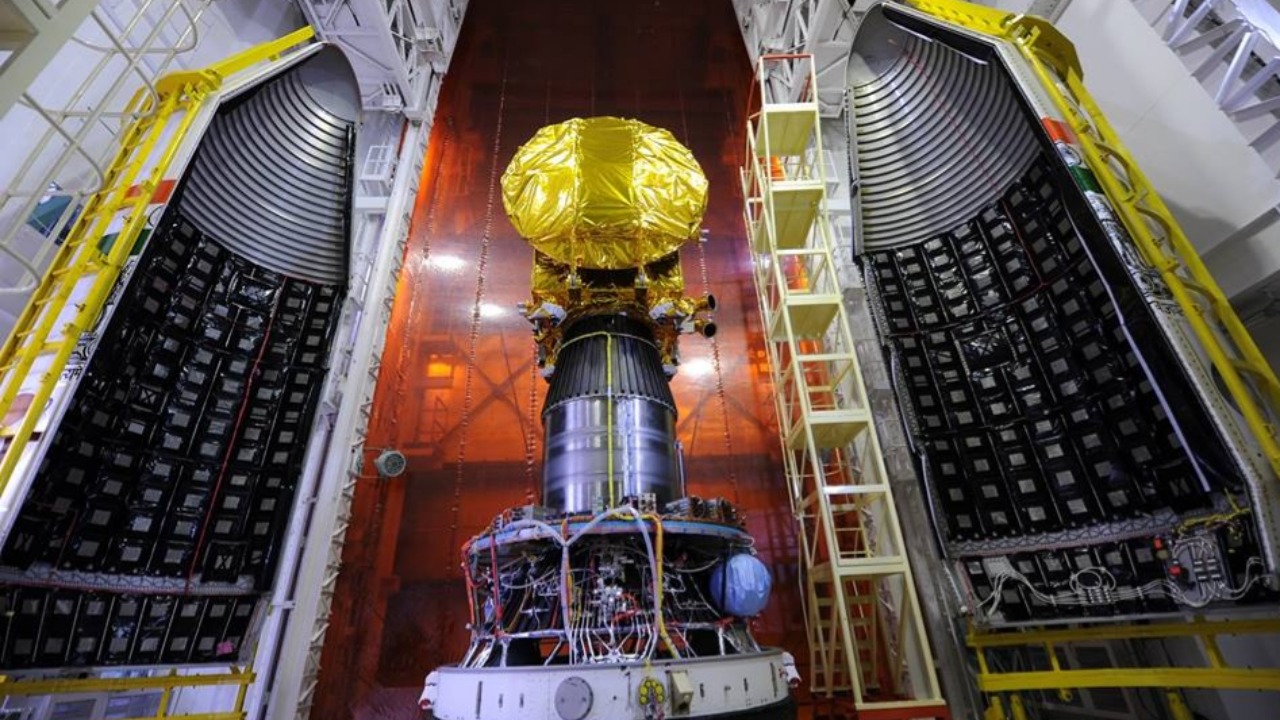
While SpaceX has made impressive progress, the road to Mars is fraught with challenges. Technical hurdles such as ensuring reliable life support systems, developing efficient propulsion methods for long-duration space travel, and creating robust landing systems for the Martian surface are significant. The thin atmosphere and dust storms on Mars pose additional engineering challenges that must be addressed to ensure the safe delivery of cargo.
Environmental and safety concerns are also paramount. The potential impact of interplanetary travel on Mars’ environment and the safety of astronauts and cargo are critical considerations. Furthermore, navigating the regulatory landscape of international space law presents logistical obstacles. Collaborating with global space agencies and ensuring compliance with treaties and regulations is essential for the success of Mars missions. SpaceX must coordinate with entities such as NASA and the United Nations to address the legal and ethical implications of space exploration.
Potential Impact on Space Exploration and Earth
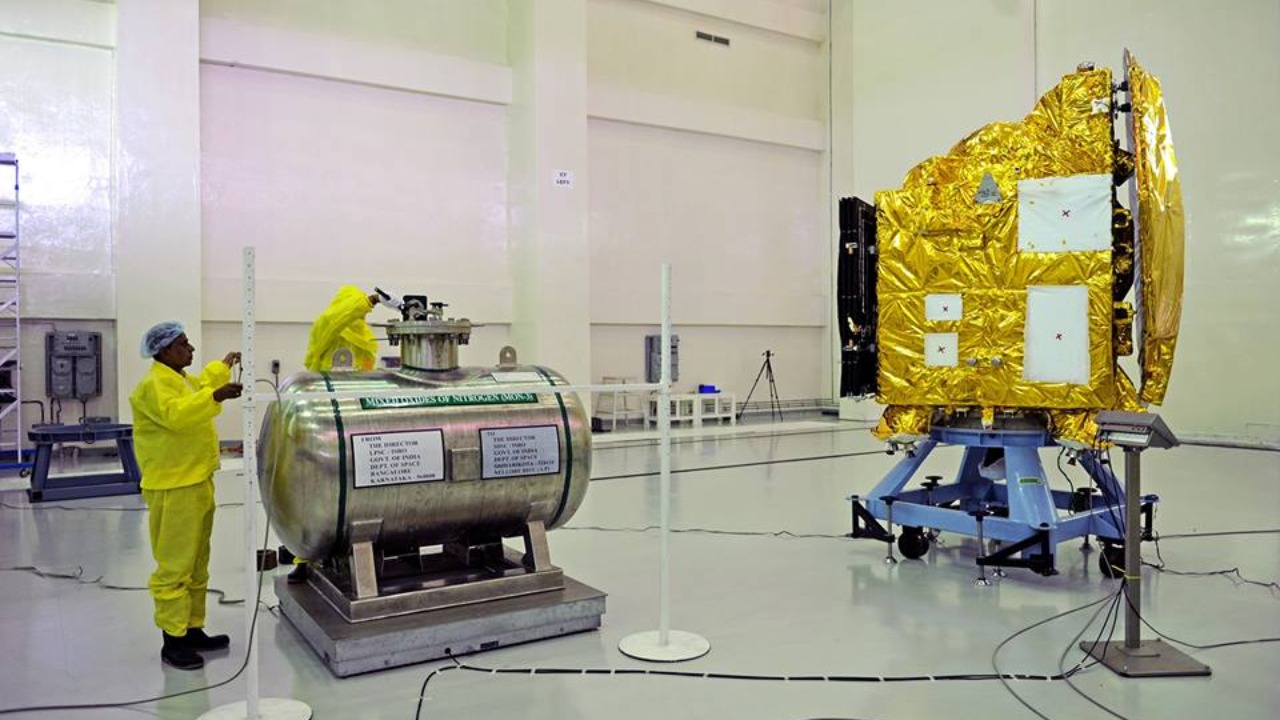
SpaceX’s advancements have the potential to catalyze the entire space industry. By pushing the boundaries of what’s possible, the company inspires new innovations and competition within the sector. Other private companies and national space agencies may be motivated to develop their technologies, leading to a surge in advancements across the industry. The implications for science and research are profound; cargo missions to Mars could facilitate the transport of scientific instruments and equipment, enabling detailed studies of the Martian environment and its potential for supporting life.
Moreover, the broader societal and economic effects of successful Mars missions could be significant. The development of technologies for interplanetary travel could lead to advancements in various fields, such as materials science, energy production, and robotics. Economically, the potential for mining resources on Mars and other celestial bodies could open new markets and revenue streams. The lessons learned from establishing a human presence on Mars could also inform sustainable practices and policies on Earth, promoting a more balanced relationship with our planet.
Looking Ahead: The Future of Mars and Beyond
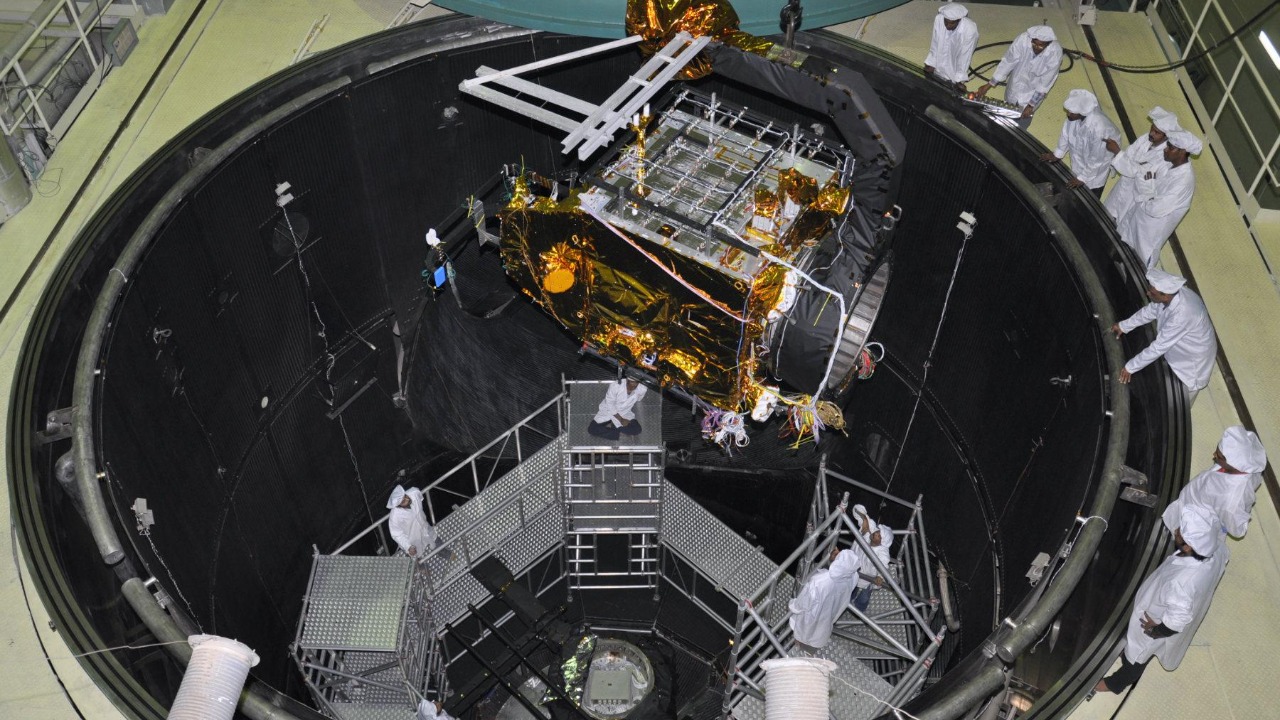
SpaceX’s cargo missions to Mars are just the beginning of a long-term vision for colonization. These missions lay the groundwork for future human settlements, with the potential to establish a permanent presence on the Red Planet. The infrastructure built for cargo missions could support habitats, research facilities, and eventually, entire communities. The possibility of humans living and working on Mars is becoming increasingly tangible, thanks to the efforts of SpaceX and similar organizations.
Beyond Mars, the potential for exploring other celestial bodies is vast. SpaceX’s reusable spacecraft technology could be applied to missions targeting the Moon, asteroids, and beyond. The company’s focus on innovation and efficiency positions it as a leader in the quest to explore the solar system and perhaps even other star systems in the distant future. International collaboration will be key to achieving these ambitious goals. By partnering with other countries and space agencies, SpaceX can leverage a diverse range of expertise, resources, and perspectives, fostering a spirit of cooperation that will be essential for the future of interplanetary exploration.
