SpaceX is setting its sights on an ambitious goal: an orbital flight for its next-generation vehicle, Starship, in 2026. This announcement comes as the company gears up for the 11th test flight of Starship, scheduled for early October.
1. Starship’s Progress towards Orbital Flight
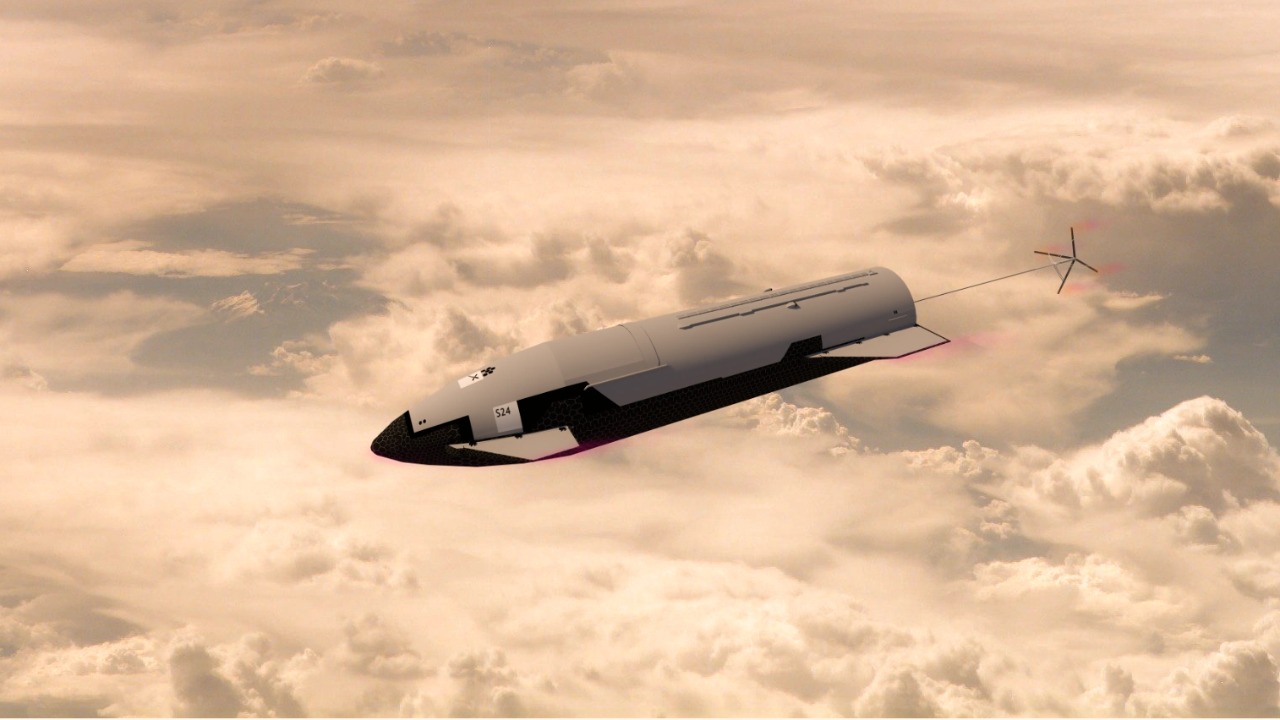
The journey towards an orbital flight has been marked by significant milestones. One of the most recent achievements was the successful completion of Starship’s 10th flight. This marked a crucial step in SpaceX’s mission to make space travel more accessible and frequent. The details of this successful flight can be found on Space.com.
As SpaceX continues its progress, the company is now preparing for Starship’s 11th test flight. Scheduled for early October, this test flight is expected to provide more data and insights that will be instrumental in planning the 2026 orbital flight. More information about the upcoming test flight can be found on Tesla North.
Each test flight of the Starship has been a learning experience for SpaceX, with each flight providing valuable data and insights. The 10th flight, for instance, was a significant achievement as it marked the first time the Starship prototype completed a full-duration static fire of its Raptor engines, as reported by Space.com. This was a crucial step in demonstrating the Starship’s ability to withstand the rigors of a real launch.
The upcoming 11th test flight is expected to be another significant milestone. According to Tesla North, this flight will test several key components of the Starship, including its heat shield, which is crucial for re-entry into the Earth’s atmosphere. The data gathered from this test will be instrumental in refining the design and performance of the Starship, bringing SpaceX one step closer to the 2026 orbital flight.
2. Challenges and Lessons Learned in Starship’s Development
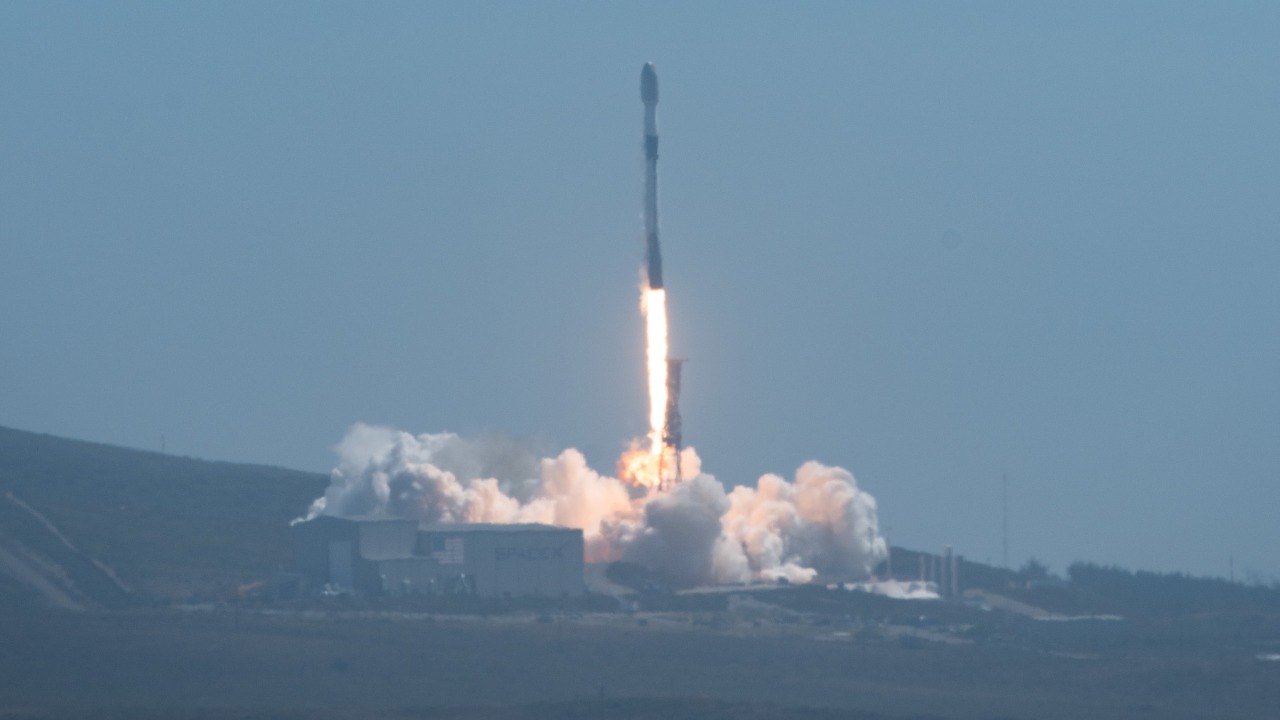
SpaceX’s journey towards achieving an orbital flight has not been without challenges. One of the key lessons learned from past Starship flights is the need to seal the tiles. This insight came after the company noticed some issues during the previous flights, prompting them to focus on improving this aspect of the spacecraft. More details about this lesson can be found on Ars Technica.
Another significant event in Starship’s development was the 7th flight, during which SpaceX attempted a booster catch and a Starlink deployment test. This test was a crucial step in the company’s plan to create a network of satellites providing global broadband internet coverage. More information about this test can be found on USA Today.
3. The 2026 Orbital Flight: Goals and Expectations
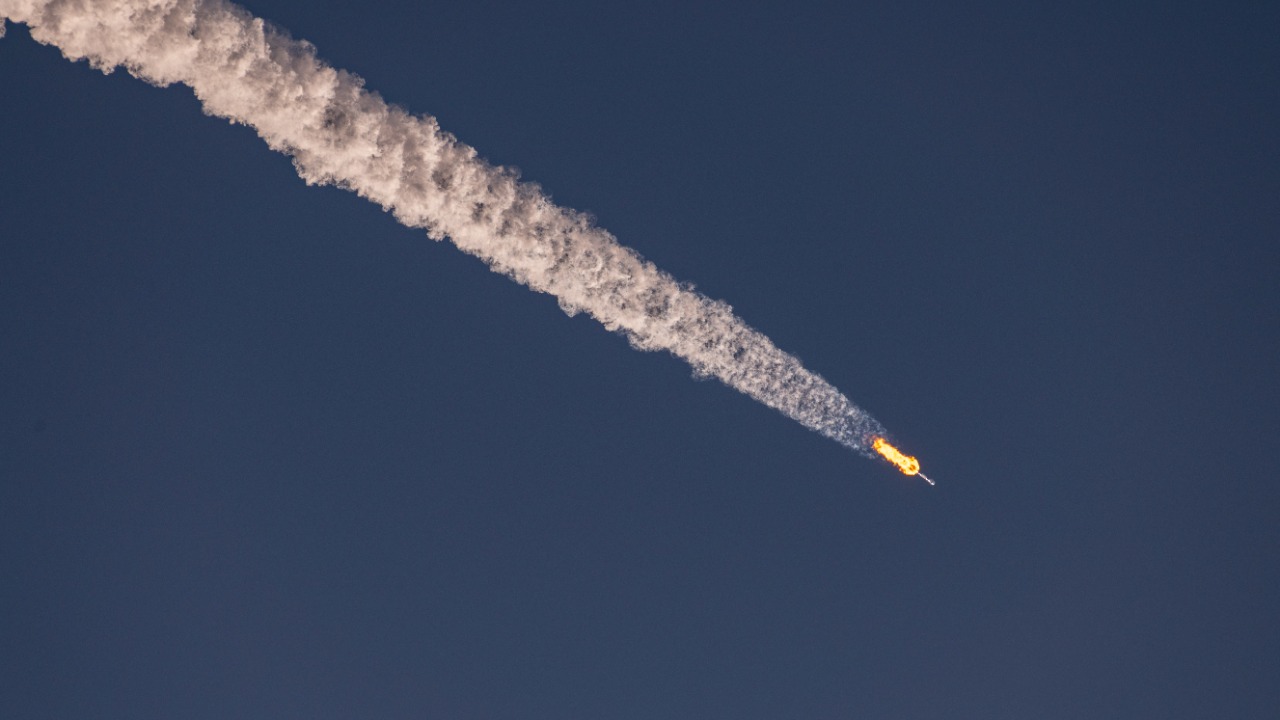
The 2026 orbital flight is a significant milestone in SpaceX’s journey. The company has laid out detailed plans for this flight, which include specific objectives that will push the boundaries of space travel. The details of these plans can be found on Startup Ecosystem.
This orbital flight is not just another mission for SpaceX; it represents a significant step towards the company’s long-term goals. Achieving an orbital flight with Starship will not only demonstrate the spacecraft’s capabilities but also pave the way for future missions, including potential manned missions to Mars. This flight is a testament to SpaceX’s commitment to advancing space exploration and making space travel more accessible.
The 2026 orbital flight is expected to be a game-changer for SpaceX and the broader space industry. According to Startup Ecosystem, the flight will test the Starship’s ability to perform long-duration flights, which is crucial for interplanetary missions. The flight will also test the spacecraft’s ability to re-enter the Earth’s atmosphere and land back on Earth, which is a key requirement for reusable spacecraft.
Moreover, the 2026 orbital flight is not just about testing the Starship’s capabilities. It is also about demonstrating SpaceX’s vision for the future of space travel. Achieving an orbital flight with Starship will be a significant step towards SpaceX’s long-term goals, which include establishing a human presence on Mars and making space travel more accessible and affordable. The success of this flight will be a testament to the company’s technological prowess and its commitment to pushing the boundaries of what is possible in space exploration.
