SpaceX is gearing up for what it describes as the most crucial launch of its Starship program on October 13, 2025. This mission is seen as a pivotal step in advancing the company’s goals of achieving full reusability and furthering its ambitions for Mars exploration. The upcoming launch builds on the success of a previous Starship launch on October 13, 2024, which marked a significant milestone in the vehicle’s testing regime. The mission also follows lessons learned from Starship Flight 6, where a booster catch attempt was called off, resulting in a splashdown.
Starship Program Background

SpaceX’s Starship program is centered around the development of a fully reusable megarocket designed for deep-space missions, including potential journeys to Mars. The core objective is to create a spacecraft capable of carrying both crew and cargo to a variety of destinations, with the ultimate goal of making space travel more accessible and sustainable. According to Space.com, the program has seen numerous iterations, each informing the next steps toward achieving these ambitious goals.
Previous iterations of the Starship have laid the groundwork for the upcoming October 13, 2025, launch. The successful launch on October 13, 2024, demonstrated significant progress in orbital insertion and reentry capabilities, setting the stage for more advanced tests. Regulatory and technical milestones, including approvals from the Federal Aviation Administration (FAA) for iterative testing, have been crucial in advancing the program. These achievements underscore SpaceX’s commitment to pushing the boundaries of space exploration.
The Starship program is not just a technological endeavor but also a strategic initiative aimed at revolutionizing space travel. SpaceX envisions a future where Starship can facilitate regular missions to the Moon and Mars, supporting both scientific exploration and potential colonization efforts. The program’s iterative design process allows for rapid prototyping and testing, which is crucial in overcoming the myriad challenges associated with deep-space travel. Each test flight provides critical data that informs subsequent designs, ensuring that each iteration is more robust and capable than the last.
Moreover, SpaceX’s collaboration with NASA and other international space agencies underscores the program’s significance on a global scale. These partnerships are vital for sharing knowledge and resources, ultimately advancing humanity’s collective capabilities in space exploration. The Starship program’s success could pave the way for new international missions, fostering a spirit of cooperation in the pursuit of exploring the final frontier.
Recent Starship Flight Tests

The successful Starship launch on October 13, 2024, was a major milestone for SpaceX, showcasing the vehicle’s capabilities in orbital insertion and reentry. This launch marked a significant step forward in the testing regime, demonstrating the potential for Starship to achieve its long-term goals. As reported by NPR, the mission’s success provided valuable data that has informed subsequent tests and preparations.
Starship Flight 6, initially targeted for November 18, 2024, aimed to test advanced recovery techniques. However, the mission faced challenges, as SpaceX ultimately decided to call off a booster catch attempt, leading to a controlled splashdown in the Gulf of Mexico. This decision, detailed by CNN, highlighted the complexities involved in perfecting the reusability aspect of the Starship program. Despite the setback, the mission provided critical insights that are being applied to future launches.
In addition to the technical achievements, the recent Starship flight tests have also highlighted SpaceX’s commitment to safety and reliability. The decision to abort the booster catch attempt during Starship Flight 6, as reported by CNN, was a testament to the company’s rigorous safety protocols. By opting for a controlled splashdown, SpaceX prioritized the collection of valuable data over the risk of potential failure, demonstrating a pragmatic approach to testing.
These tests are not only about proving technical capabilities but also about refining operational procedures. Each flight provides an opportunity to test new systems and processes, ensuring that the team is prepared for any eventuality. This methodical approach is essential for building confidence in the Starship’s ability to perform reliably in a variety of scenarios, from routine satellite deployments to manned missions to Mars.
Objectives for the October 13 Launch
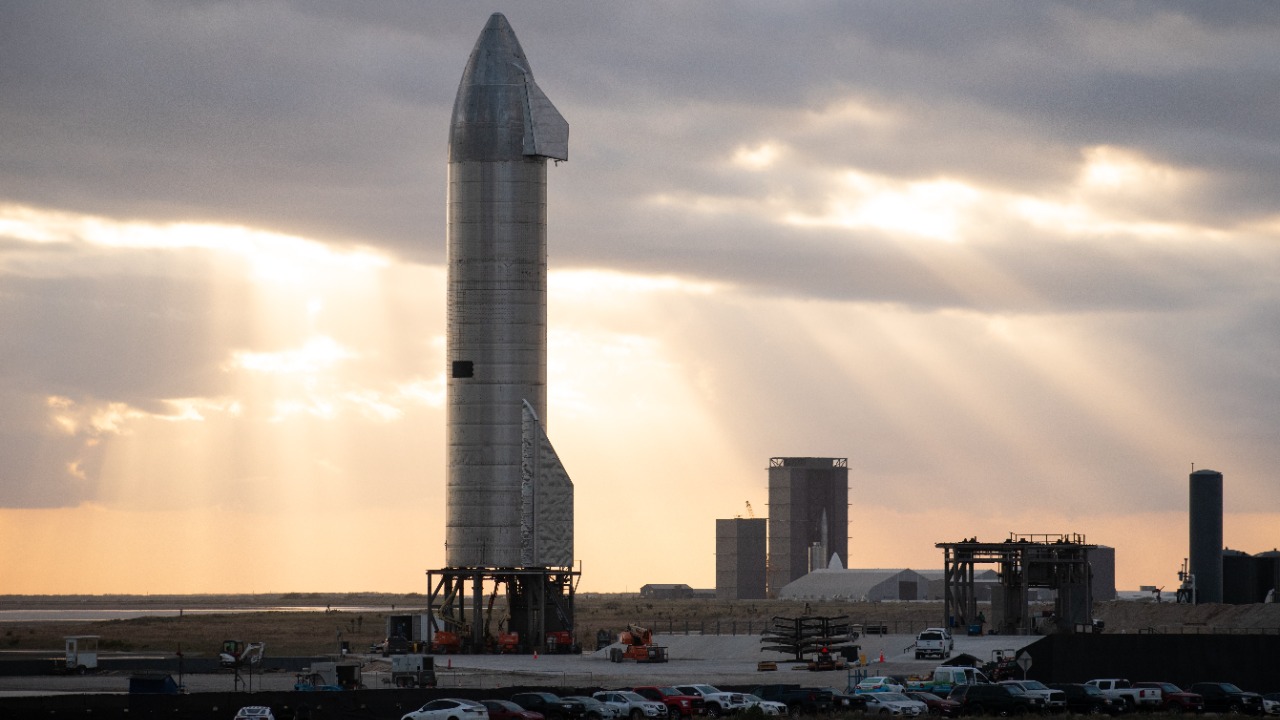
The primary goals for the October 13, 2025, Starship launch include achieving full-stack reusability and conducting payload deployment simulations. These objectives are crucial for demonstrating the vehicle’s capability to support a wide range of missions, from satellite launches to crewed spaceflights. According to MSN, the mission will build directly on the lessons learned from the successful October 13, 2024, launch.
Planned maneuvers for the upcoming launch include a booster capture and an upper-stage engine relight. These maneuvers are designed to test the vehicle’s reusability and operational efficiency. The integration of these tests with broader SpaceX timelines, including preparations following the November 20, 2024, splashdown of Starship Flight 6, is crucial for ensuring the success of the mission. These efforts are part of SpaceX’s strategy to refine its technology and processes for future missions.
Beyond the technical objectives, the October 13, 2025, launch is also a critical test of SpaceX’s logistical and operational capabilities. Coordinating such a complex mission requires meticulous planning and execution, involving a vast network of engineers, scientists, and support staff. The ability to seamlessly integrate these efforts is a testament to SpaceX’s organizational prowess and its readiness to handle the demands of future large-scale space missions.
Furthermore, the mission will serve as a proving ground for new technologies that could be pivotal in future space exploration endeavors. Innovations in propulsion, navigation, and life support systems are expected to be tested, providing insights that could shape the design of next-generation spacecraft. These advancements are crucial for ensuring that SpaceX remains at the forefront of the aerospace industry, capable of meeting the challenges of tomorrow’s space missions.
Significance and Future Implications

SpaceX describes the October 13, 2025, launch as the most crucial yet, as it represents a significant step toward enabling contributions to NASA’s Artemis program and advancing Mars colonization goals. The mission’s success could have far-reaching implications for the future of space exploration, potentially accelerating the timeline for operational Starship flights. As noted by MSN, the launch is a key milestone in SpaceX’s broader vision for space travel.
The successes from the October 13, 2024, launch and the targeting of Flight 6 on November 18, 2024, have played a crucial role in advancing the Starship program. These achievements have provided valuable data and insights that are being used to refine the vehicle’s design and capabilities. According to Spaceflight Now, these developments have accelerated the path to operational Starship flights, bringing SpaceX closer to its long-term goals.
The potential ripple effects of the October 13, 2025, launch on commercial spaceflight are significant. Demonstrating reusability could lead to reduced costs and increased accessibility for a wide range of missions. The lessons learned from prior tests, such as the November 20, 2024, Flight 6, underscore the importance of reusability in making space travel more sustainable. As CNN reports, these advancements are paving the way for a new era of space exploration.
