
SpaceX’s exploration into the cosmos has taken an intriguing turn with the detection of an unusual radio signal loop. This phenomenon has sparked curiosity and raised questions about its origins and implications for both science and technology. Here, we delve into the discovery, its potential causes, and the broader impact on our understanding of the universe.
The Discovery of the Anomalous Signal
The first traces of the unusual radio signal loop were identified by SpaceX through its sophisticated network of satellites and ground-based receivers. Utilizing advanced signal processing algorithms, the company managed to isolate these signals from the cacophony of cosmic noise, marking a significant achievement in observational technology. The detection was initially flagged during routine operations, raising immediate interest among SpaceX’s engineers and scientists.
Upon the initial discovery, the scientific community’s reactions ranged from excitement to skepticism. Some experts hypothesized that the signals could be a result of natural astrophysical phenomena, while others speculated about the thrilling possibility of extraterrestrial sources. The role of SpaceX’s Starlink satellites was pivotal in this discovery, as they provided the necessary infrastructure to detect and relay these signals. However, there is also concern that these satellites might interfere with the detection of similar cosmic signals.
Scientific Implications and Theories
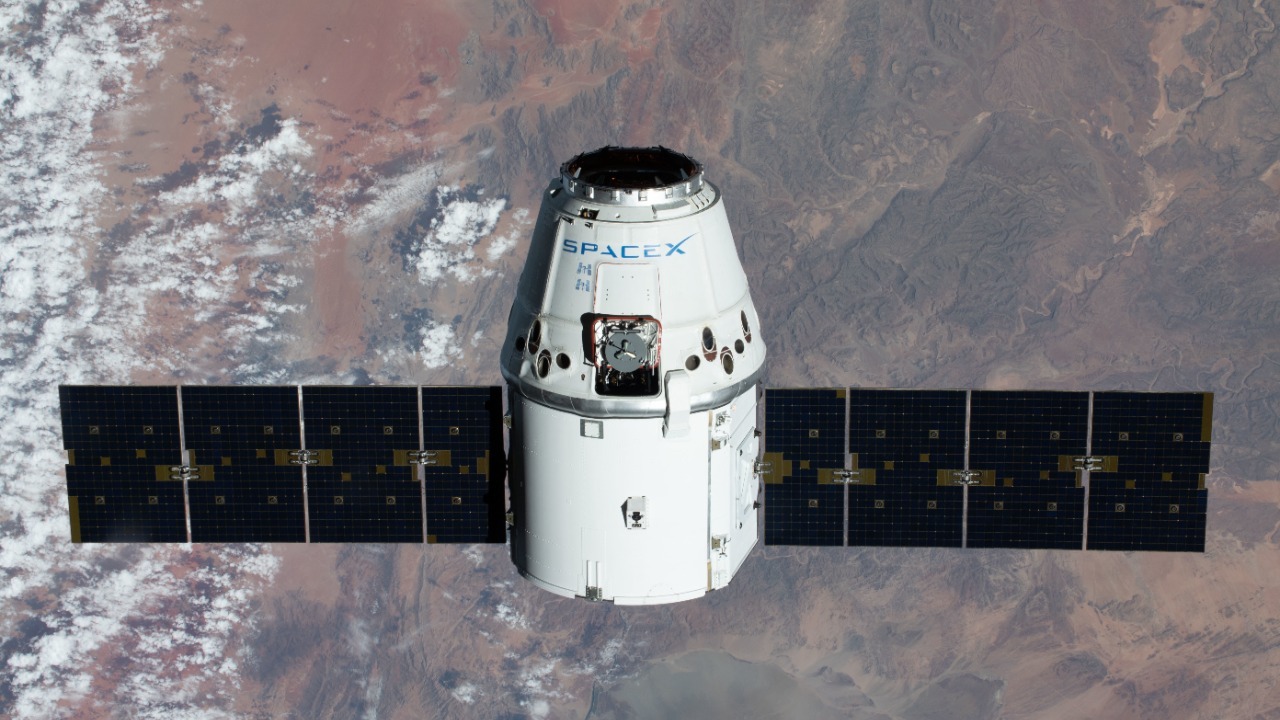
The potential implications of this discovery could be profound, offering new insights into the behaviors and properties of celestial bodies. The radio signal loop could challenge existing astrophysical theories or even confirm long-held suspicions about unexplained cosmic phenomena. The scientific community is abuzz with theories: some suggest that these radio signals might originate from pulsars or other high-energy astrophysical sources, while others remain open to the possibility of undiscovered phenomena.
Interpreting these signals poses a significant challenge. Scientists must carefully differentiate these signals from the pervasive background noise of the universe. The complexity of the task is compounded by the limitations of current technologies, which can sometimes misinterpret or overlook crucial data. Further research and collaboration are essential to refine these interpretations and understand the signals’ true nature.
Technological Aspects and Challenges
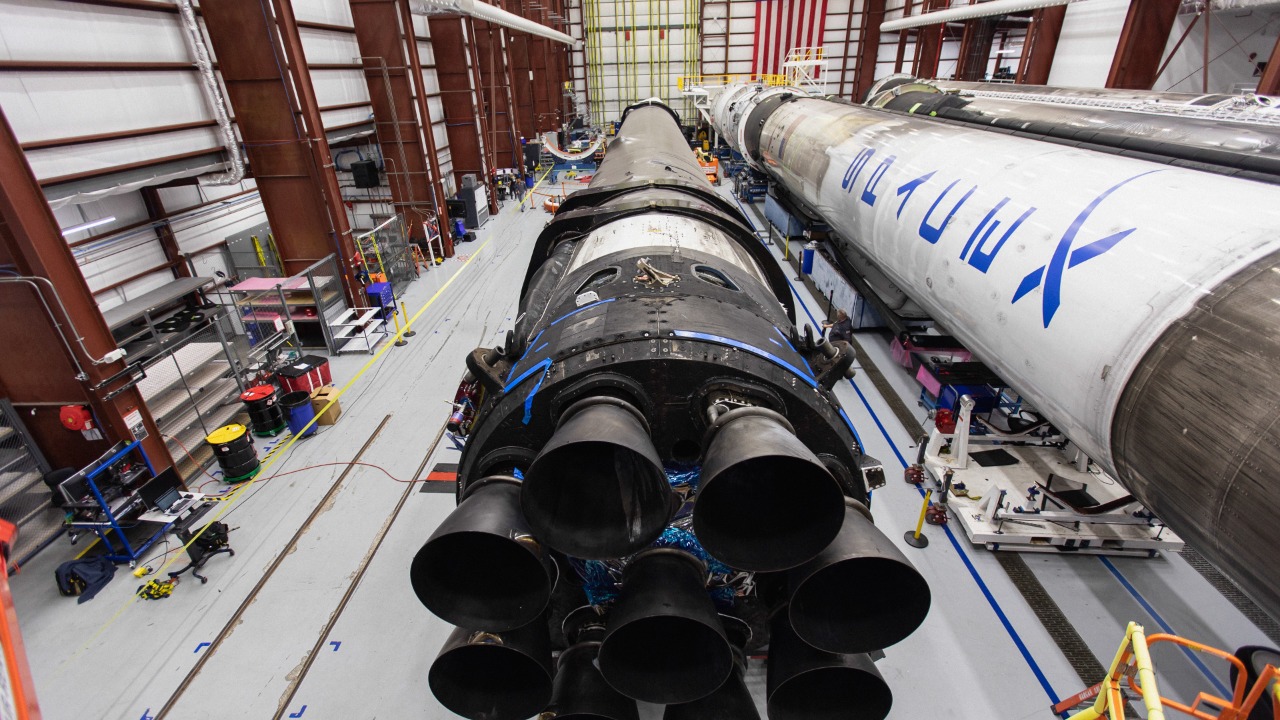
SpaceX has employed a range of cutting-edge technologies to facilitate the detection of these radio signals. The use of high-frequency receivers and sophisticated algorithms has been crucial in isolating and identifying the signals amidst the cosmic din. However, despite these advancements, there are inherent limitations to the technology currently available. Enhancing these technologies will be vital to interpreting such cosmic phenomena accurately.
Moreover, this discovery has sparked discussions about its impact on satellite communications. As we continue to deploy more satellites, the possibility of interference with both terrestrial and space-based communications increases. There is a pressing need to develop strategies that mitigate these risks, ensuring that advancements in technology do not inadvertently hinder scientific discovery or communication efforts.
Potential Impacts on Astronomy and Space Exploration
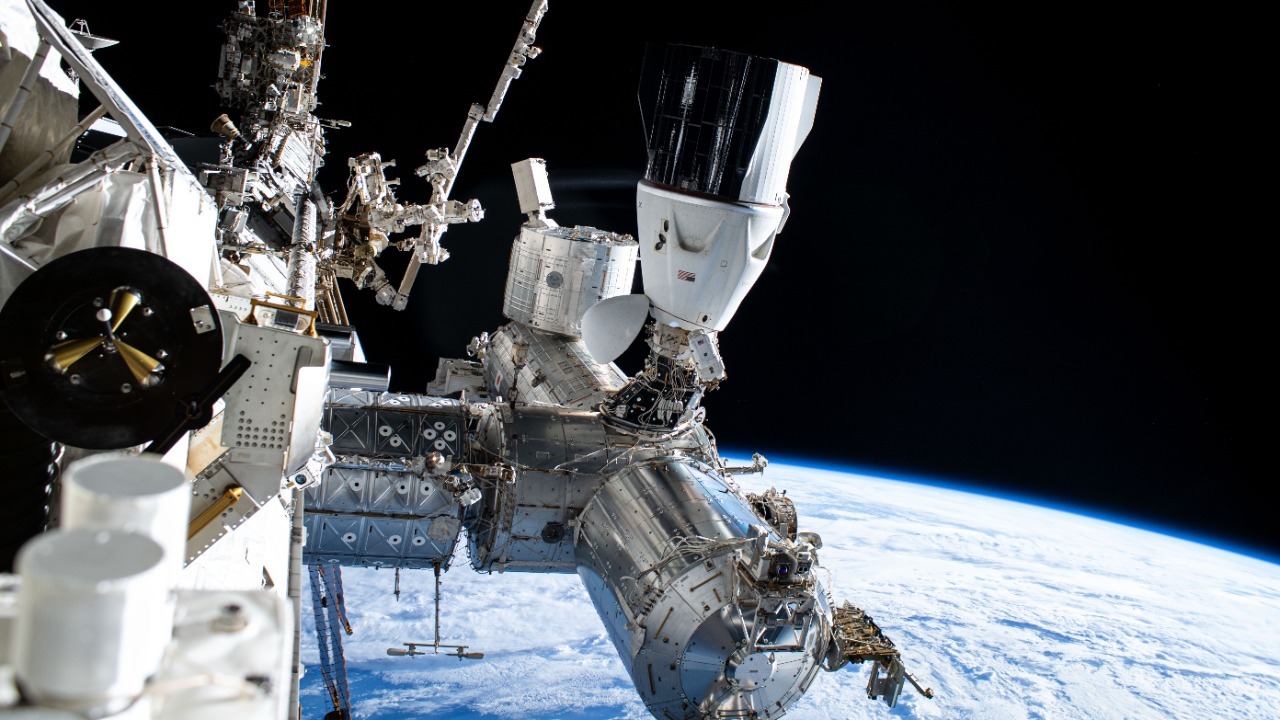
The presence of SpaceX’s Starlink satellites has raised concerns about potential interference with astronomical observations. While these satellites provide invaluable data and connectivity, their signals can complicate the work of astronomers attempting to observe distant celestial phenomena. The scientific community is actively seeking collaborative solutions with SpaceX to address these challenges and minimize any negative impacts.
SpaceX’s commitment to collaborating with researchers could lead to innovative strategies that enhance our understanding of space. By working together, they may develop technologies that both reduce interference and improve the capabilities of satellites in space exploration. This discovery, while challenging, could drive advancements that significantly enhance future missions and our grasp of the universe.
Regulatory and Ethical Considerations
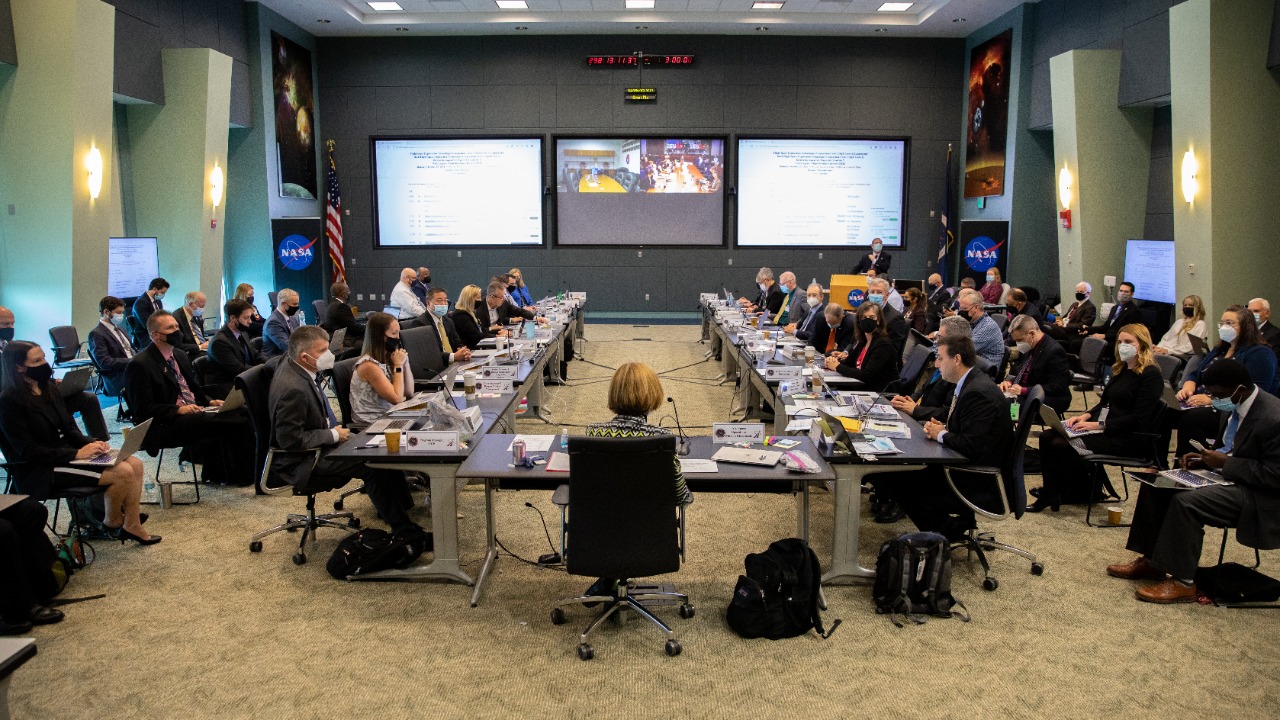
The detection of the radio signal loop puts a spotlight on SpaceX’s responsibilities concerning the ethical management of satellite operations. Ensuring minimal interference with astronomical research is a pressing concern that requires careful consideration and action from all stakeholders. As satellite deployments increase, the need for ethical guidelines becomes ever more critical.
International regulations play a crucial role in governing satellite launches and operations. These regulations are designed to prevent signal interference and ensure that space remains a domain for peaceful exploration and research. Future policy recommendations may focus on stricter guidelines and more rigorous standards to safeguard the integrity of astronomical research against the backdrop of increasing satellite traffic.
Broader Implications for the Future

This recent discovery has the potential to drive significant advancements in radio astronomy. By pushing the boundaries of what is currently possible, this event could lead to innovative techniques and technologies that enhance our ability to observe and understand the cosmos. Such advancements are crucial for the continued growth and development of space exploration and scientific research.
Public interest in space exploration is vital for encouraging investment and research in the field. The intrigue surrounding this discovery may spark a renewed curiosity among the public, leading to increased support for initiatives that aim to explore the universe. Ultimately, this radio signal loop could become a stepping stone in humanity’s long-term vision for space exploration, helping to chart a path toward a deeper understanding of our place in the cosmos.
