The NASA Crew-11 SpaceX launch was unexpectedly canceled just a minute before liftoff, leaving space enthusiasts and professionals alike in suspense. This unforeseen event has prompted questions regarding the safety protocols and technical challenges involved in such high-stakes missions. Delving into the reasons behind the cancellation, the immediate reactions, and what this means for future space endeavors reveals a complex web of considerations and strategic decisions.
The Abrupt Cancellation
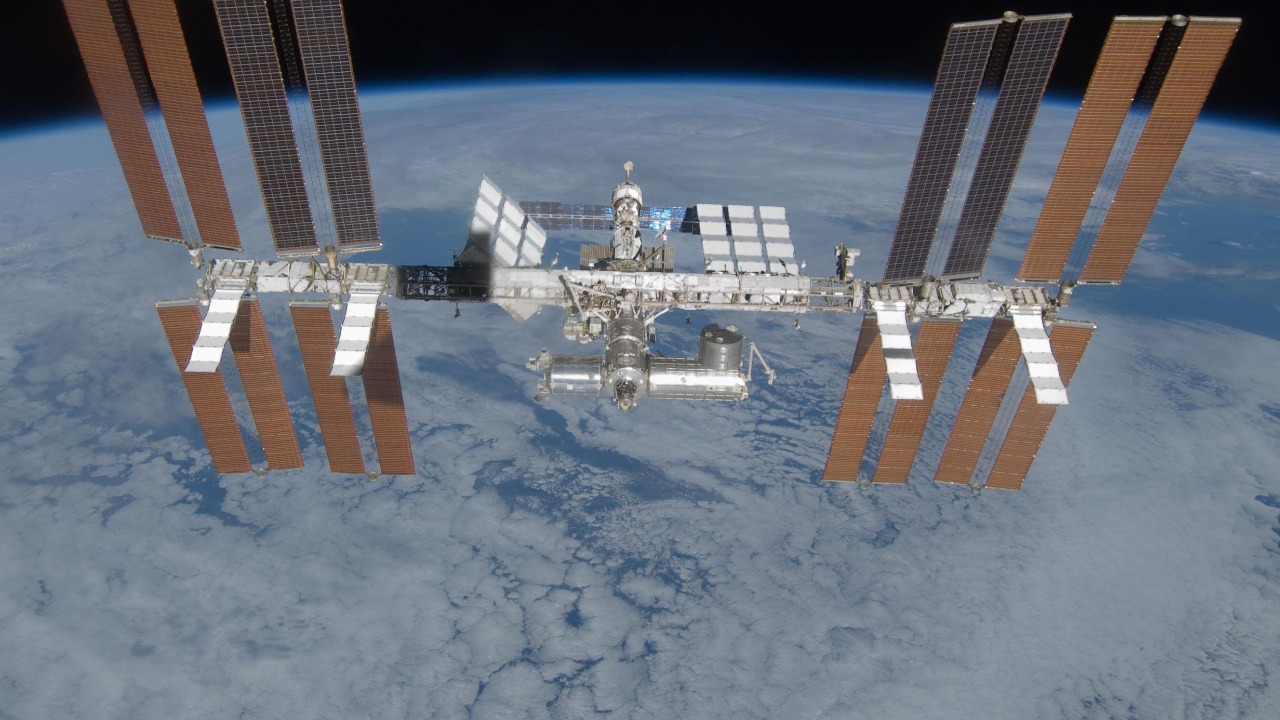
The Crew-11 mission was a highly anticipated endeavor, aiming to transport a team of astronauts to the International Space Station (ISS). The mission’s objectives included a six-month rotation at the ISS, conducting scientific research, and testing new technologies. As the countdown progressed, the anticipation was palpable both at the launch site and across the globe, with millions watching the live broadcast.
However, just a minute before liftoff, the mission was abruptly canceled. The decision to abort was made due to last-minute technical anomalies detected by onboard systems. NASA and SpaceX officials were quick to address the situation, emphasizing the importance of safety and caution. SpaceX’s CEO Elon Musk tweeted reassurance to the public, highlighting that while the delay was disappointing, it was necessary to ensure the crew’s safety.
Technical Challenges and Safety Protocols

Launch cancellations, especially at the last minute, often stem from complex technical challenges. Potential issues can range from minor software glitches to more significant mechanical failures, such as valve malfunctions or fuel leaks. The sensitive nature of these missions means that even the slightest anomaly can have substantial implications, warranting an immediate halt to proceedings.
Safety protocols are integral to the planning and execution of space missions. These protocols are designed to mitigate risk and ensure the highest safety standards. NASA and SpaceX have continually refined their safety measures, learning from past experiences and incorporating new technologies. Experts in the field, such as Dr. Sarah Johnson, a leading aerospace engineer, often discuss the delicate balance between risk and innovation in space exploration. While pushing the boundaries of technology is essential, it must not come at the expense of human life.
Impact on the Space Community
The cancellation reverberated throughout the scientific community and among space enthusiasts. Many expressed disappointment but also understanding of the necessity for caution. Online forums and social media platforms were abuzz with discussions, emphasizing the unpredictable nature of space travel and the need for patience and resilience.
For NASA and SpaceX, this incident underscores the importance of maintaining strong collaborations. While setbacks are inevitable in such ambitious projects, they offer opportunities for growth and improvement. The media plays a crucial role in shaping public perception, often influencing how these events are viewed by the broader community. Coverage that highlights both the challenges and triumphs of space missions can foster a more balanced public understanding.
Historical Precedents and Lessons Learned
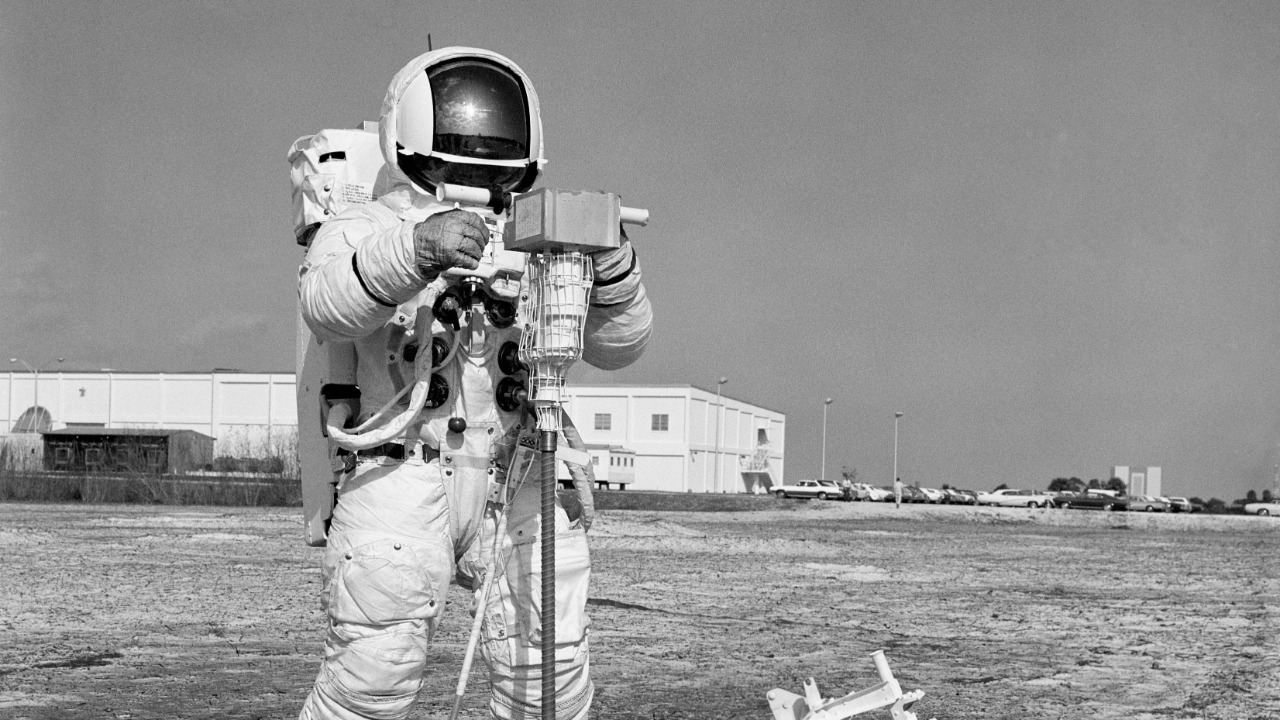
Last-minute launch cancellations are not unprecedented in the history of space exploration. For instance, the Apollo 13 mission in 1970 faced a critical in-flight failure, leading to a harrowing yet successful return to Earth. Such incidents have provided valuable lessons, reinforcing the need for robust contingency plans and adaptable systems.
The lessons learned from past incidents have significantly shaped current protocols. The continuous evolution of safety measures reflects a commitment to learning and improving. As technologies advance, so too do the methods for identifying and addressing potential issues, ensuring that each mission is safer and more efficient than the last.
Looking Ahead: The Future of Space Missions
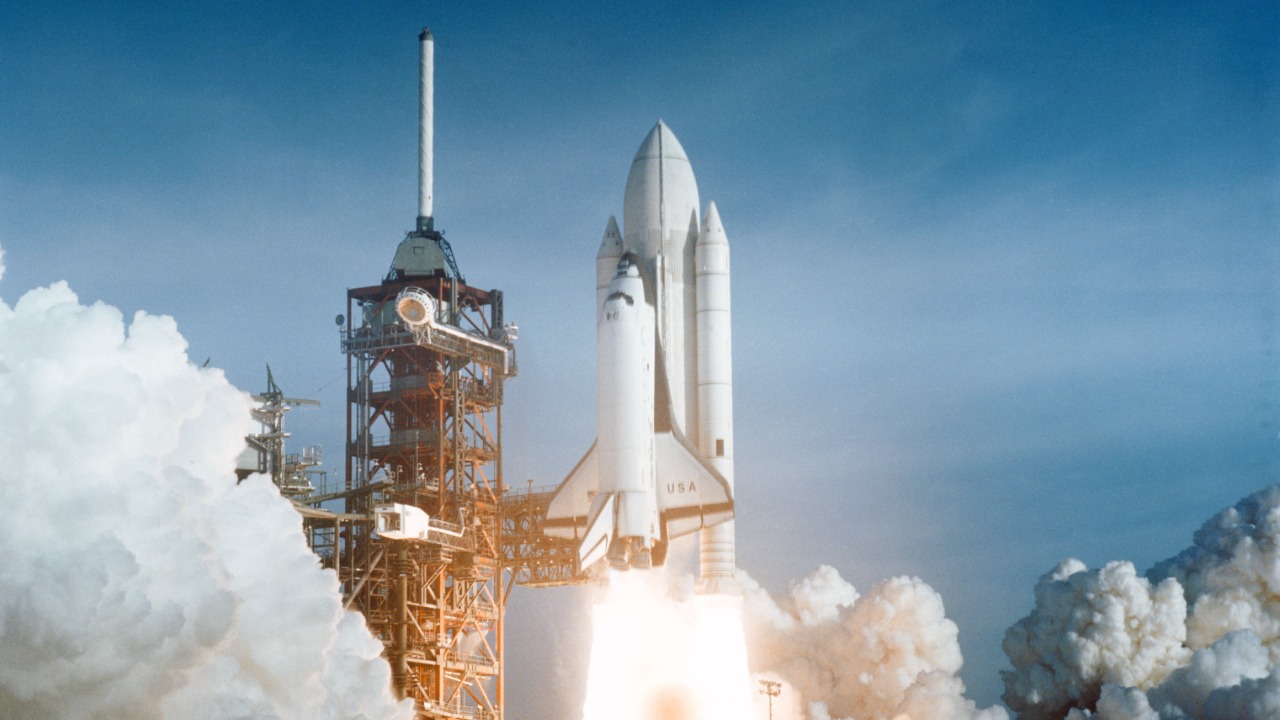
While the Crew-11 mission’s original launch date has been postponed, plans are underway to reschedule. NASA and SpaceX remain committed to their goals, working diligently to address the issues that led to the cancellation. This setback is seen as a temporary hurdle, one that will ultimately contribute to the mission’s success.
The partnership between NASA and SpaceX continues to evolve, driving forward the boundaries of what is possible in space exploration. The collaboration has already yielded significant advancements, and both organizations are poised to tackle upcoming challenges with renewed vigor. As technologies advance and new solutions emerge, the prospects for overcoming launch challenges are promising. The future of space missions holds the potential for groundbreaking discoveries and innovations, paving the way for new frontiers in our understanding of the universe.
The path to space is fraught with challenges, but it is through these challenges that progress is made. Each mission, successful or not, contributes to the collective knowledge and experience of the space community, guiding future endeavors and inspiring the next generation of explorers.
