Recently, a space telescope made an intriguing discovery: an asteroid with its own tiny moon. This rare astronomical event offers valuable insights into the nature of asteroids and the complex dynamics of celestial bodies in our solar system. Such findings captivate both scientists and the public, shedding light on the mysteries of outer space.
The Discovery: A Space Telescope’s Remarkable Find
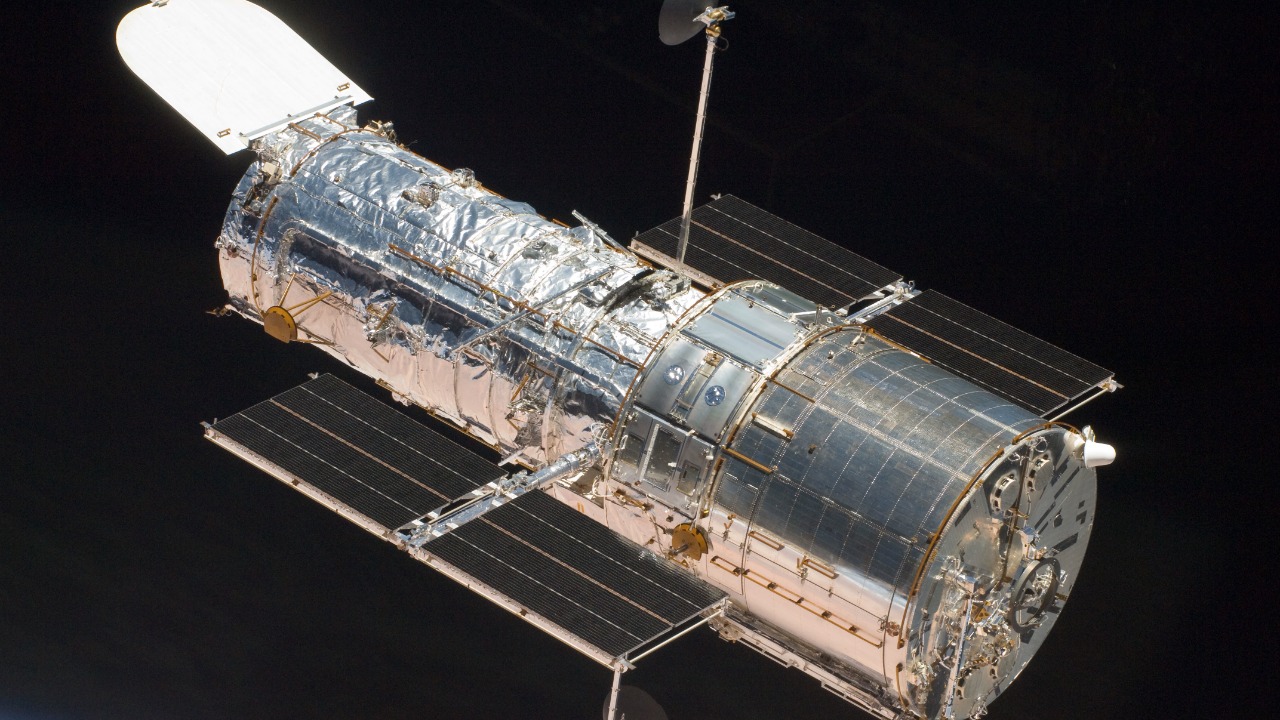
The groundbreaking discovery was made possible by the Hubble Space Telescope, renowned for its ability to capture detailed images of distant celestial bodies. The telescope’s advanced optics and positioning have been instrumental in observing such phenomena. What makes this discovery particularly captivating is the fact that detecting a tiny moon orbiting an asteroid is no small feat. The moon’s diminutive size and the vast distances involved make it a challenging target for even the most sophisticated equipment.
Finding an asteroid with its own moon is significant as it provides a unique opportunity to study the dynamics of celestial bodies in our solar system. This discovery allows astronomers to examine how gravitational forces interact in such a binary system. Initial observations were conducted using a combination of infrared and optical sensors, which helped in identifying the moon’s presence and provided preliminary data on its orbit and composition.
Understanding Asteroids and Their Moons
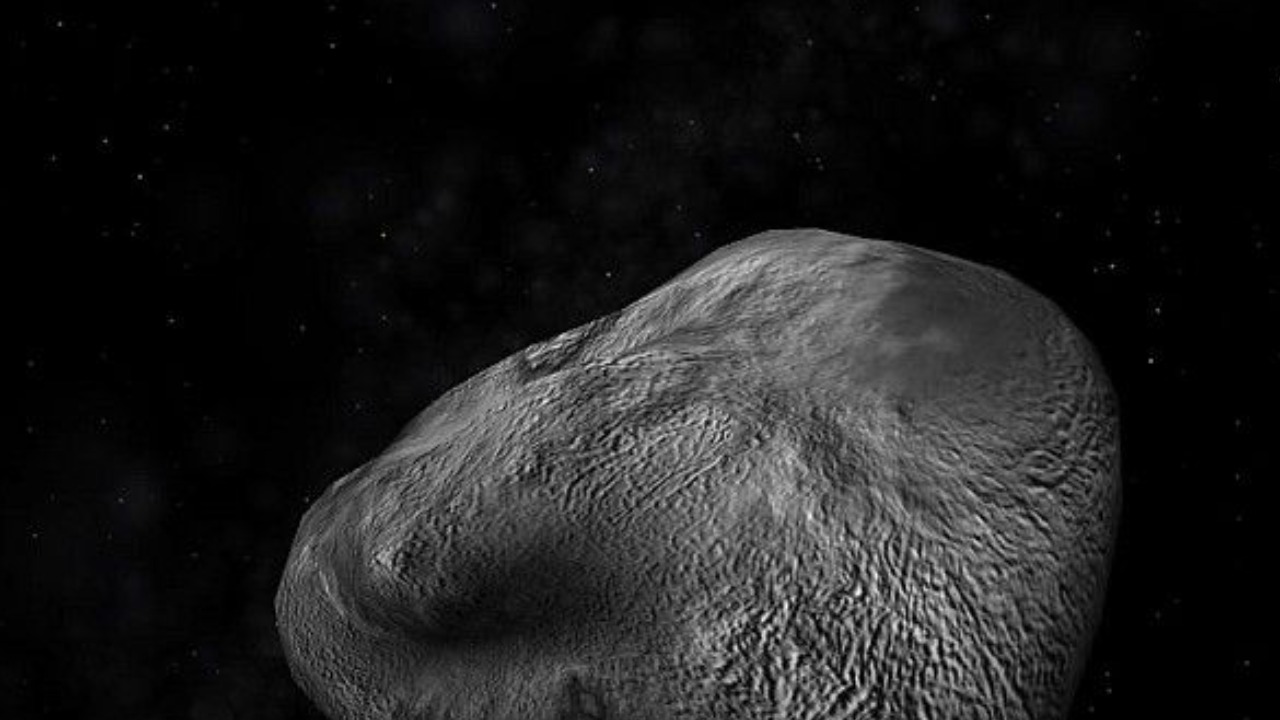
Asteroids are rocky remnants from the early formation of our solar system, often considered minor planets due to their size and composition. These bodies have fascinated scientists for decades, not least because they offer a glimpse into the primordial materials that coalesced to form planets. Most asteroids orbit the sun in the asteroid belt between Mars and Jupiter, but they can be found throughout the solar system.
While it might seem unusual for an asteroid to have a moon, this phenomenon is not unheard of. Researchers estimate that approximately 15% of all asteroids larger than 200 kilometers in diameter have moons. This statistic suggests that such moons might play a role in the asteroids’ formation process, possibly resulting from collisions or gravitational capture. Notable discoveries, such as the binary asteroid system of 243 Ida and its moon Dactyl, have significantly advanced our understanding of these celestial companions.
The Science Behind Tracking Asteroids
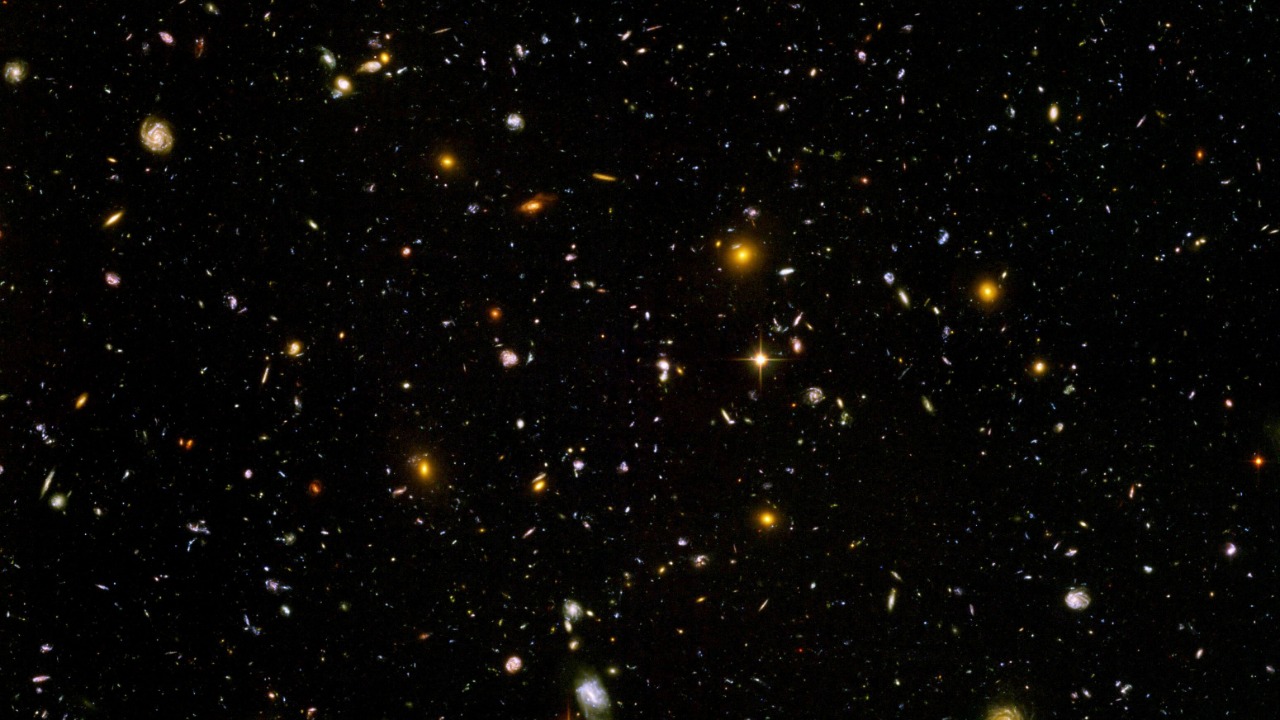
Tracking asteroids and their moons involves a combination of ground-based telescopes and space-based observatories. NASA and other agencies employ these techniques to monitor asteroids both near and far from Earth. The importance of tracking asteroids extends beyond academic interest; it is crucial for planetary defense. By understanding an asteroid’s trajectory, scientists can predict potential impacts and develop strategies to mitigate any threats.
The study of asteroid moons, in particular, provides valuable insights into the formation and evolution of these space rocks. By analyzing the orbits of asteroid moons, researchers can infer information about the mass distribution and surface properties of the parent asteroid. This data is invaluable for refining existing theories about how these bodies formed and evolved over billions of years.
Implications for Future Space Exploration
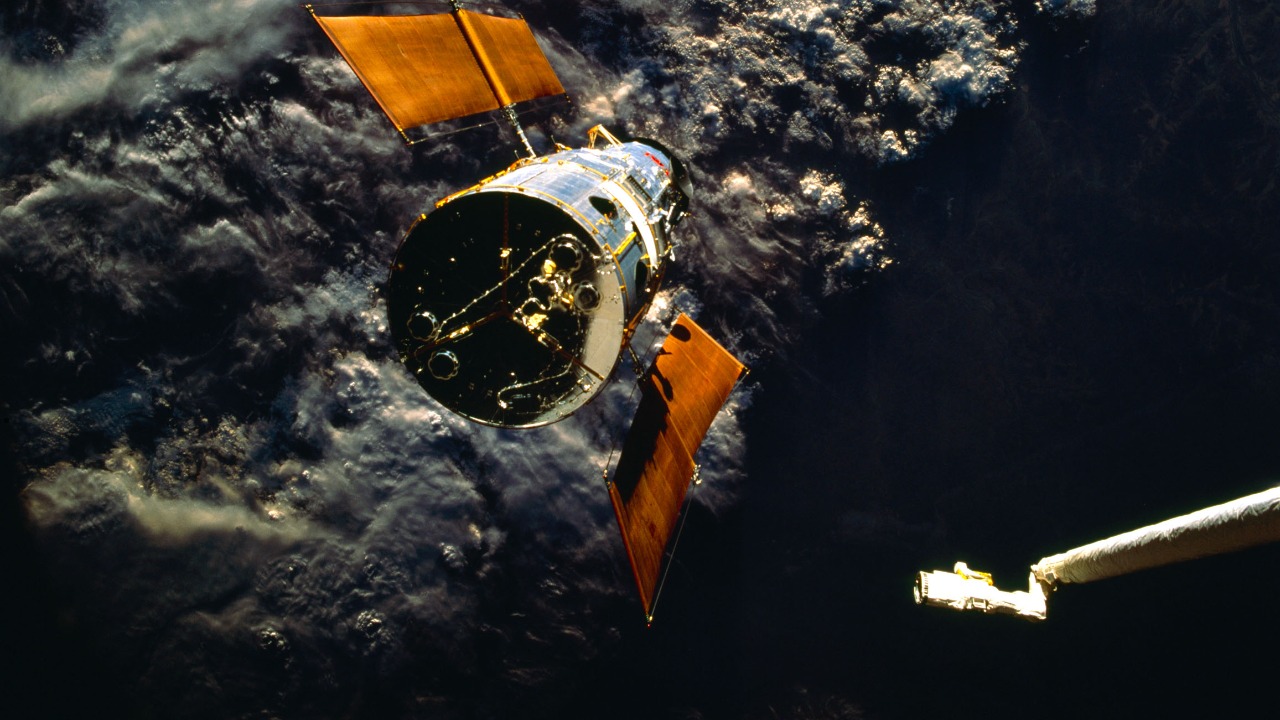
Discoveries like the asteroid moon spotted by the Hubble Space Telescope have far-reaching implications for future space exploration. By enhancing our understanding of asteroid systems, we can refine our exploration strategies and develop new technologies. For instance, asteroids and their moons could serve as stepping stones for missions venturing deeper into the solar system. By stopping at an asteroid, spacecraft can refuel, gather resources, or even use the asteroid’s gravity to gain speed and change direction.
Moreover, the study of asteroid systems can inspire innovative technologies that might be applied to other areas of space exploration. Techniques developed for studying small celestial bodies could be adapted for future missions to distant planets or moons. As our knowledge of asteroids grows, so too does our ability to explore the far reaches of space, paving the way for humanity’s next giant leap.
Public Interest and the Fascination with Space Phenomena

Space discoveries like this one continually capture public imagination and drive interest in astronomy. Media coverage plays a crucial role in bringing such discoveries to light, making them accessible to a broader audience. The public’s fascination with celestial phenomena is evident in the popularity of news stories about Earth’s temporary mini-moons and other similar events.
These discoveries not only engage the public but also contribute to education in science and technology. By sparking curiosity, they encourage young people to pursue careers in STEM fields, ensuring a new generation of scientists and engineers. The cultural significance of naming and popularizing space phenomena further cements their place in our collective consciousness, as seen with the recent excitement surrounding the discovery of Earth’s latest mini-moon asteroid.
