Recent findings from a space mission to Saturn’s moon Titan have unveiled that its methane seas are significantly deeper than previously estimated. This discovery opens new avenues for understanding Titan’s complex geology and potential for life. The findings also challenge existing models of Titan’s surface and subsurface dynamics.
The Significance of Titan’s Methane Seas
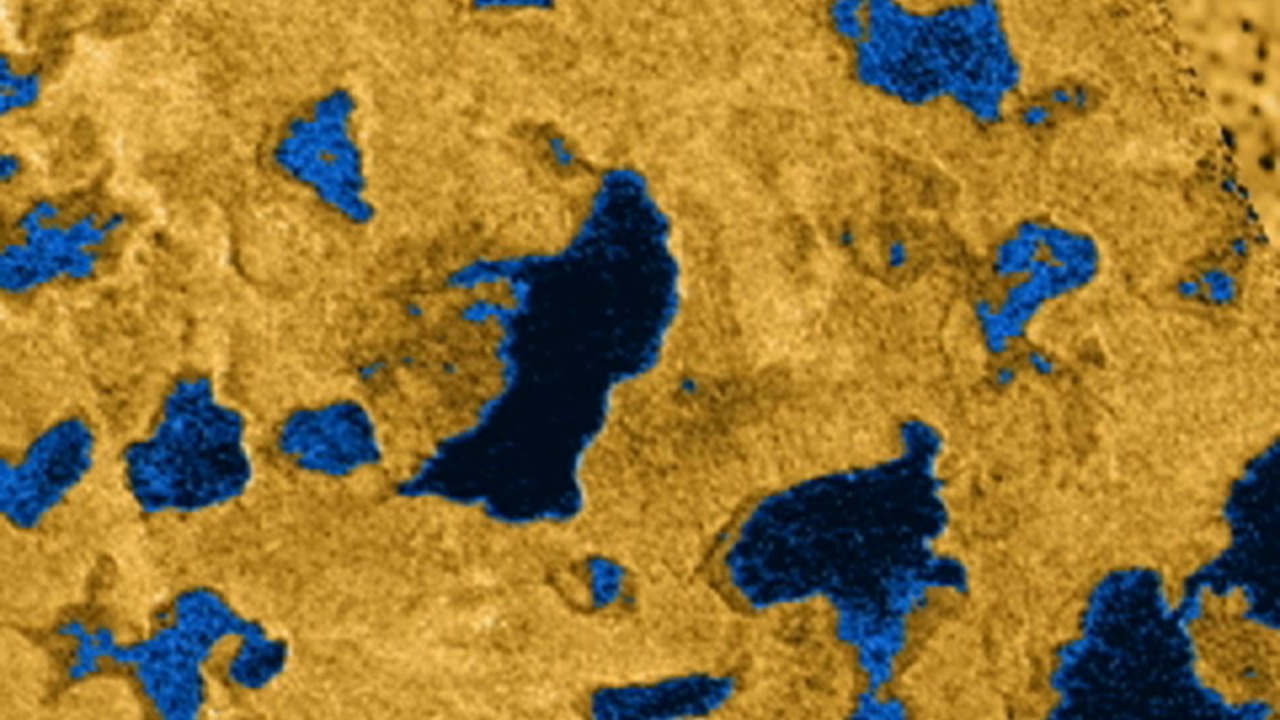
The depths of Titan’s methane seas have significant implications for astrobiology, especially in the search for potential life forms. Titan, with its dense atmosphere and surface lakes of liquid methane, presents conditions that might support life forms radically different from those on Earth. The deeper the seas, the more potential there is for complex chemical interactions, which are the precursors to biological processes. This revelation could redefine our understanding of habitability on celestial bodies beyond Earth. By studying Titan, scientists gain insights into how life might arise and thrive in environments dominated by hydrocarbons rather than water.
Furthermore, the role of methane in Titan’s climate and weather systems is profound. The newly discovered depths of the methane seas suggest that these bodies of liquid could play a central role in modulating Titan’s climate. Methane, unlike water on Earth, can exist in all three states within Titan’s atmospheric conditions, forming clouds, rain, and seas. This unique methane cycle could drive weather patterns on Titan, influencing everything from seasonal changes to storm formation. Understanding these processes is crucial for developing accurate climate models of Titan and could provide a comparative framework for studying other moons and planets.
New Discoveries from the Latest Space Mission
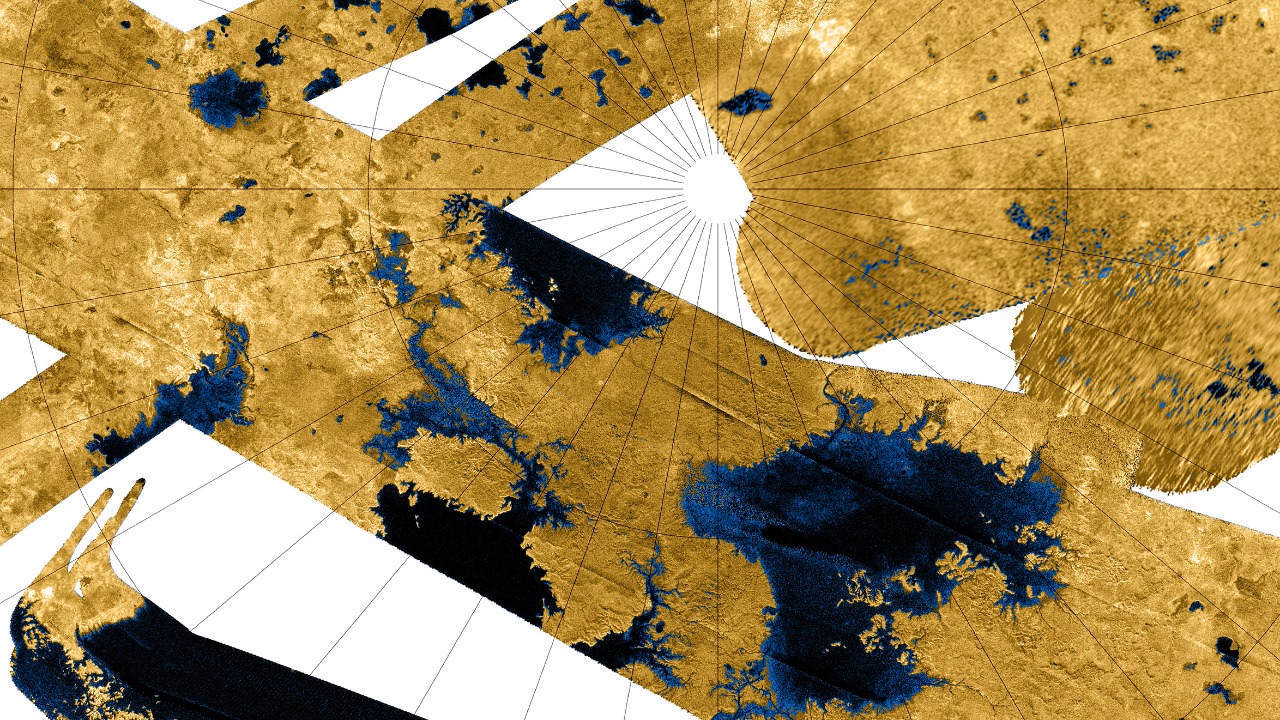
The latest space mission to Titan employed advanced technology to achieve these groundbreaking measurements. Instruments such as radar sounders and spectrometers were pivotal in gauging the depth of Titan’s methane seas with unprecedented accuracy. These tools have allowed researchers to penetrate the dense, hazy atmosphere of Titan and gather data from beneath its surface. This technological leap provides a clearer picture of the subsurface structures and compositions of the seas. By comparing this data with previous measurements, scientists have discerned that the seas are much deeper than earlier estimates, which were based on less advanced equipment.
In analyzing this new data, researchers have noted significant variations from earlier models of Titan’s surface. Previous missions, such as the Cassini-Huygens, provided initial insights into Titan’s methane lakes and seas but lacked the detailed resolution achieved by current technology. This comparison with previous data highlights the importance of continual technological advancements in space exploration. As our ability to measure and observe celestial phenomena improves, so too does our understanding of these distant worlds, which is essential for constructing more accurate models of their environments.
Geological and Environmental Implications
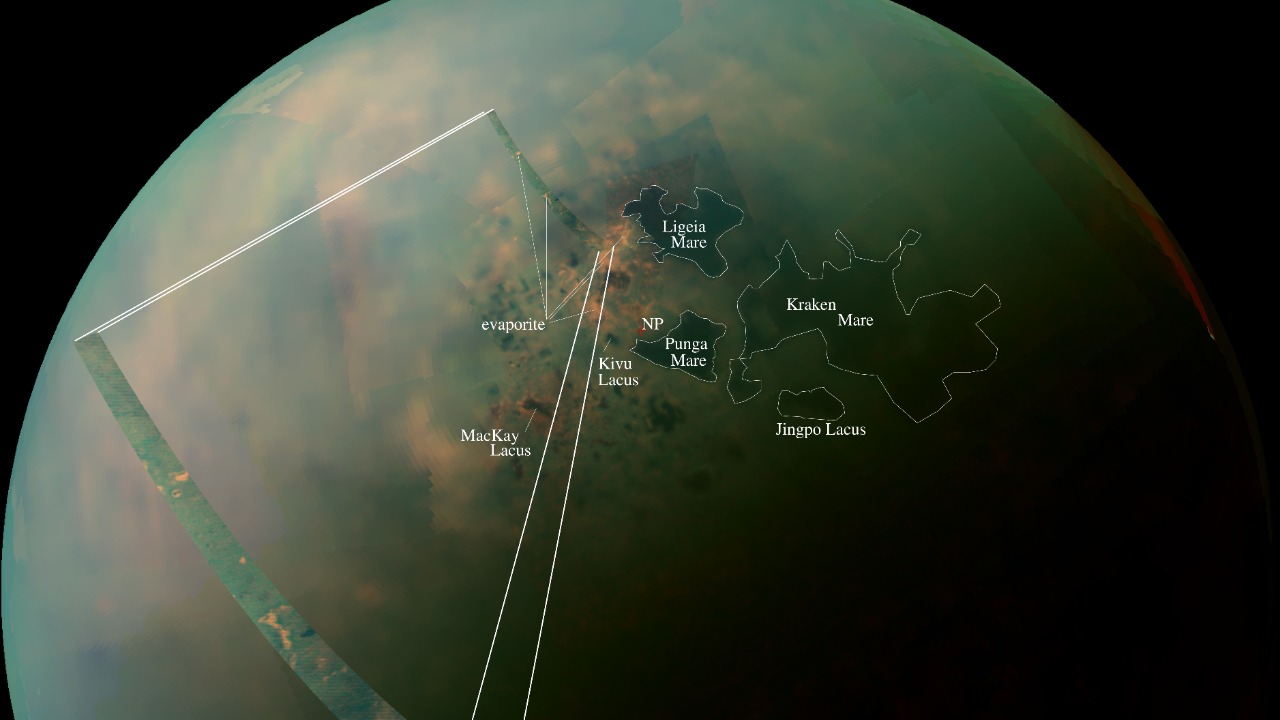
The newfound depths of Titan’s methane seas have significant geological implications. Deeper seas suggest more dynamic geological activity, potentially influencing erosion and sediment deposition on the moon. The interaction between the liquid methane and Titan’s icy crust could lead to the formation of unique geological features, such as river deltas and erosion patterns. Understanding these processes is crucial for interpreting the moon’s geological history and the forces shaping its landscape. Additionally, the presence of deeper seas may affect the stability of Titan’s surface, with potential implications for future missions aiming to land on or explore the moon’s surface.
Another critical aspect is the impact on Titan’s methane cycle. Deeper seas could alter the balance and distribution of methane on the moon, influencing its atmospheric composition and surface conditions. This, in turn, might affect the moon’s climate and weather patterns over time. The exchange of methane between the atmosphere and the seas is a key component of Titan’s climatic system, and any changes to this cycle could have profound effects. Researchers are keen to explore how these deeper seas integrate into the broader methane cycle and what this might mean for Titan’s long-term environmental stability.
Challenges and Future Research Opportunities

Exploring Titan’s harsh environment presents a myriad of technical challenges. The moon’s thick atmosphere and frigid temperatures make it difficult for spacecraft to navigate and gather data. Instruments must be capable of withstanding these conditions while providing accurate measurements. Future missions will need to overcome these hurdles to continue probing Titan’s mysteries. Innovations in spacecraft design and instrumentation will be critical in meeting these challenges, enabling more detailed exploration of Titan’s surface and subsurface features.
Despite the recent advancements, many questions about Titan’s seas remain unanswered. Researchers are eager to understand the composition of the seas and the processes occurring within them. Future missions could deploy submersible vehicles to explore beneath the surface of the seas, providing direct observations of their characteristics. Additionally, there is interest in investigating the potential for life in these unique environments. Building on the success of past missions, such as Cassini-Huygens, future explorations will aim to address these gaps in our knowledge and uncover the secrets of Titan’s mysterious seas.
Broader Implications for Planetary Science
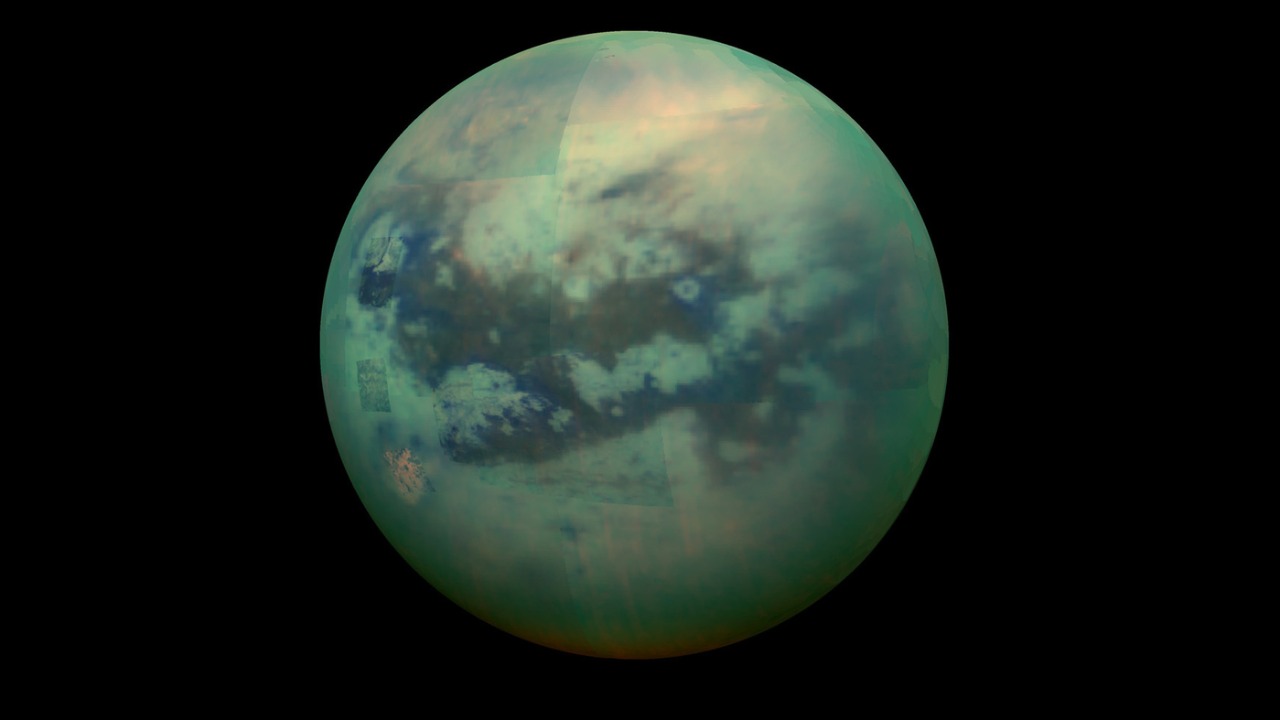
The discoveries on Titan have broader implications for planetary science, offering insights into similar processes on other celestial bodies. Studying Titan’s methane seas can provide clues about the geology and climate of other moons and planets, especially those with thick atmospheres and volatile-rich surfaces. For instance, understanding the methane cycle on Titan might help in interpreting similar cycles on icy moons like Enceladus or Triton. These insights are invaluable for developing models of planetary formation and evolution across the solar system.
Moreover, the findings from Titan may influence future space exploration strategies, particularly in the search for life beyond Earth. The presence of deep methane seas on Titan suggests that other celestial bodies with similar environments might also harbor conditions conducive to life. This possibility could guide future missions, directing efforts towards worlds previously deemed inhospitable. As our understanding of Titan deepens, so too does our ability to search for life in the universe, expanding the horizons of human knowledge and exploration.
