Recent findings from a groundbreaking space mission have unveiled the existence of 10,000 volcanoes on Venus, reshaping our understanding of the planet’s geological activity. This discovery not only highlights Venus as one of the most volcanically active bodies in our solar system but also provides critical insights into its past and present dynamics.
Unveiling the Volcanic Landscape of Venus
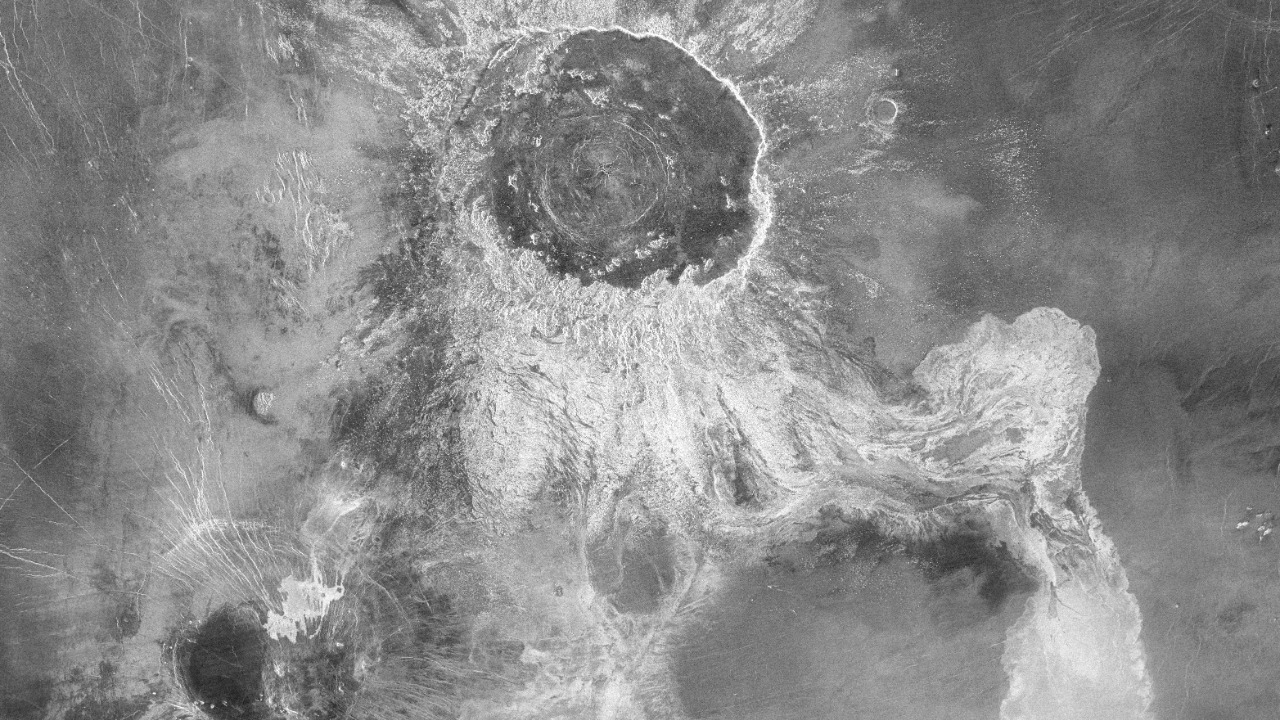
The space mission that led to this remarkable discovery employed state-of-the-art technology to peer through Venus’ dense clouds and unveil its hidden volcanic features. Utilizing advanced radar imaging techniques, the mission mapped the surface of Venus with unprecedented clarity. Instruments on board were capable of penetrating the thick atmospheric veil, allowing scientists to detect and catalogue thousands of volcanoes. This technological feat was made possible by a combination of synthetic aperture radar (SAR) and high-resolution imaging radar, which are specifically designed for extraterrestrial geological surveys.
The scope of the discovery is nothing short of astounding. Researchers were able to identify not only the sheer number of volcanoes but also their varied distribution and size. These volcanoes are scattered across the Venusian surface, with some towering over 5,000 meters high while others are modestly sized. The diversity in size and form suggests a complex geological history that challenges previous assumptions about Venus’ tectonic evolution. This discovery opens up new avenues for understanding the geological processes that have shaped not only Venus but also other rocky planets in the solar system.
Comparative Analysis with Earth’s Volcanic Activity
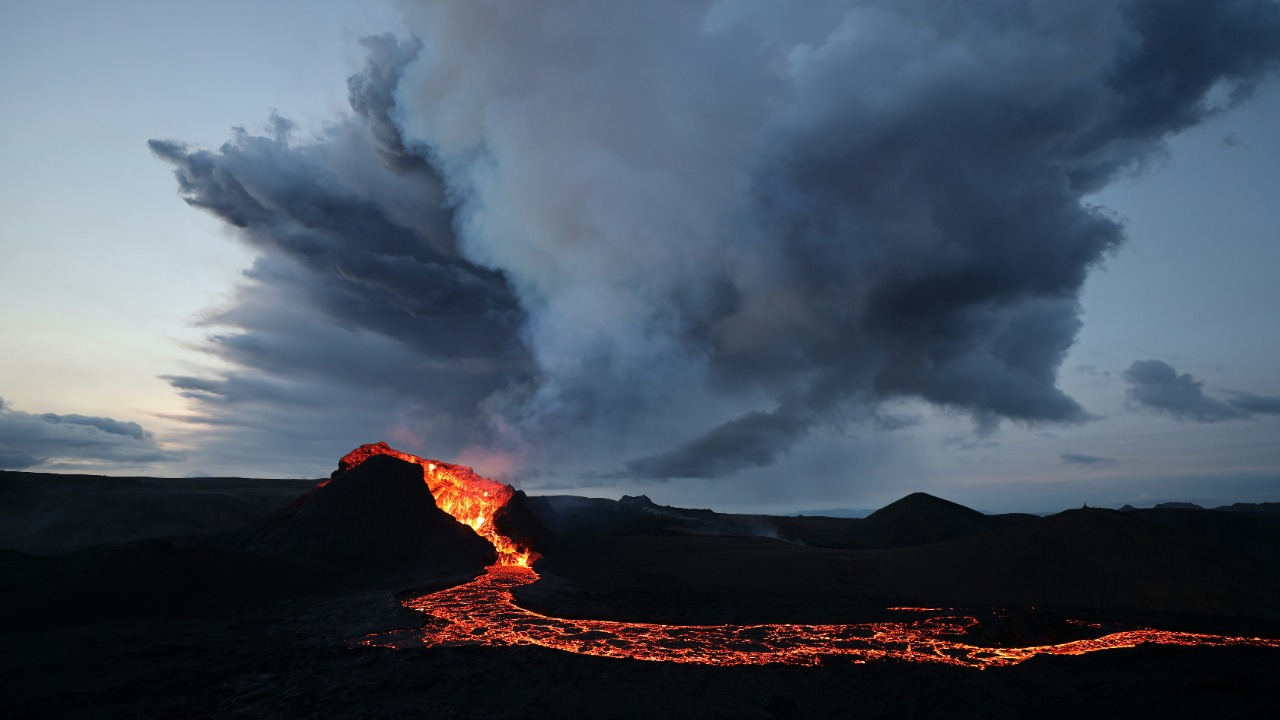
When comparing Venus’ volcanic landscape with that of Earth, several intriguing similarities and differences emerge. Earth is home to around 1,500 potentially active volcanoes, a stark contrast to the 10,000 identified on Venus. While Earth’s volcanoes are primarily found at tectonic plate boundaries, Venusian volcanoes appear to be more randomly distributed, indicating a different underlying tectonic mechanism. The types of volcanoes found on Venus, such as shield volcanoes akin to those in Hawaii, suggest a similar magmatic process, albeit on a much larger scale.
The geological implications of these differences are profound. The absence of plate tectonics on Venus, as we understand them on Earth, suggests that the planet’s interior heat is dissipated through widespread volcanic activity. This raises questions about the evolution of Venus and its geologic history. Understanding these processes could provide insights into the early Earth, offering clues about how tectonic activity might evolve on other planets. Such comparisons also help refine our models of planetary evolution, contributing to our broader understanding of how rocky planets develop over time.
Implications for Planetary Science and Exploration
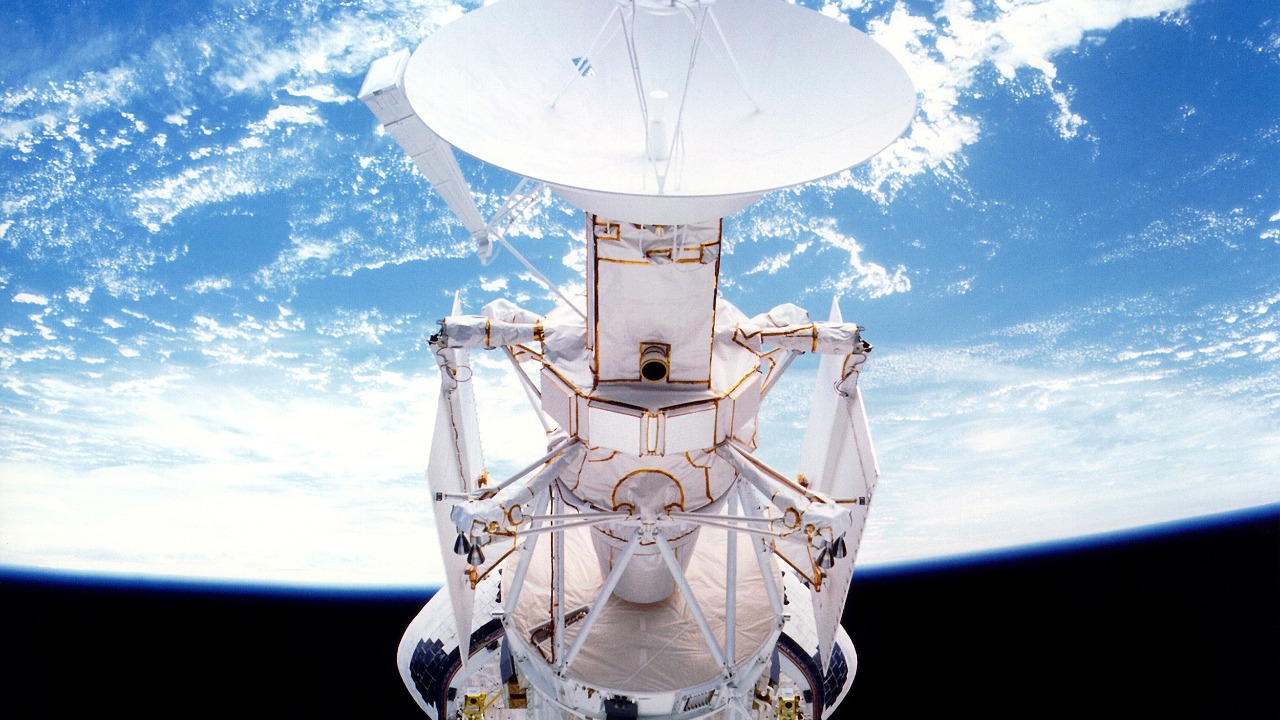
The discovery of such extensive volcanic activity on Venus compels scientists to revisit data from past missions. Previous missions, including those by the European Space Agency’s Venus Express and NASA’s Magellan spacecraft, provided valuable insights but lacked the technological capability to reveal the full extent of Venus’ volcanic landscape. These new findings either challenge or corroborate the data from these earlier missions, necessitating a re-evaluation of what we know about Venus. For more information on past missions, see this Springer article.
Looking ahead, the discovery sets a new agenda for future exploration missions to Venus. NASA and the European Space Agency have already announced plans for new missions, such as VERITAS and EnVision, that aim to further explore Venus’ geological features and atmosphere. These missions are expected to provide more detailed maps of the planet’s surface and help determine the age and composition of its volcanic constructs. By understanding Venus’ volcanic activity, scientists hope to gain insights into its climatic and atmospheric conditions, potentially informing the search for life on other planets.
The Role of Volcanism in Venus’ Climate and Atmosphere

Volcanic activity on Venus is thought to have a significant impact on its climate and atmospheric conditions. The release of volcanic gases, particularly sulfur dioxide, is believed to contribute to the planet’s thick, sulfuric acid cloud cover and its extreme greenhouse effect. This has parallels with Earth’s own history, where volcanic eruptions have been known to influence climatic conditions. Understanding Venus’ volcanic influence could shed light on the processes that lead to a runaway greenhouse effect, as seen in this CNN report.
The thick atmosphere on Venus, dominated by carbon dioxide, traps heat and leads to surface temperatures exceeding 450 degrees Celsius. Volcanic eruptions could potentially inject more greenhouse gases into the atmosphere, exacerbating this effect. Additionally, the sulfuric clouds formed from volcanic emissions play a critical role in the planet’s albedo, reflecting sunlight and contributing to climate regulation. Understanding these processes on Venus may offer insights into how similar phenomena could affect Earth’s climate under different scenarios.
Technological Advancements and Their Impact on Space Exploration
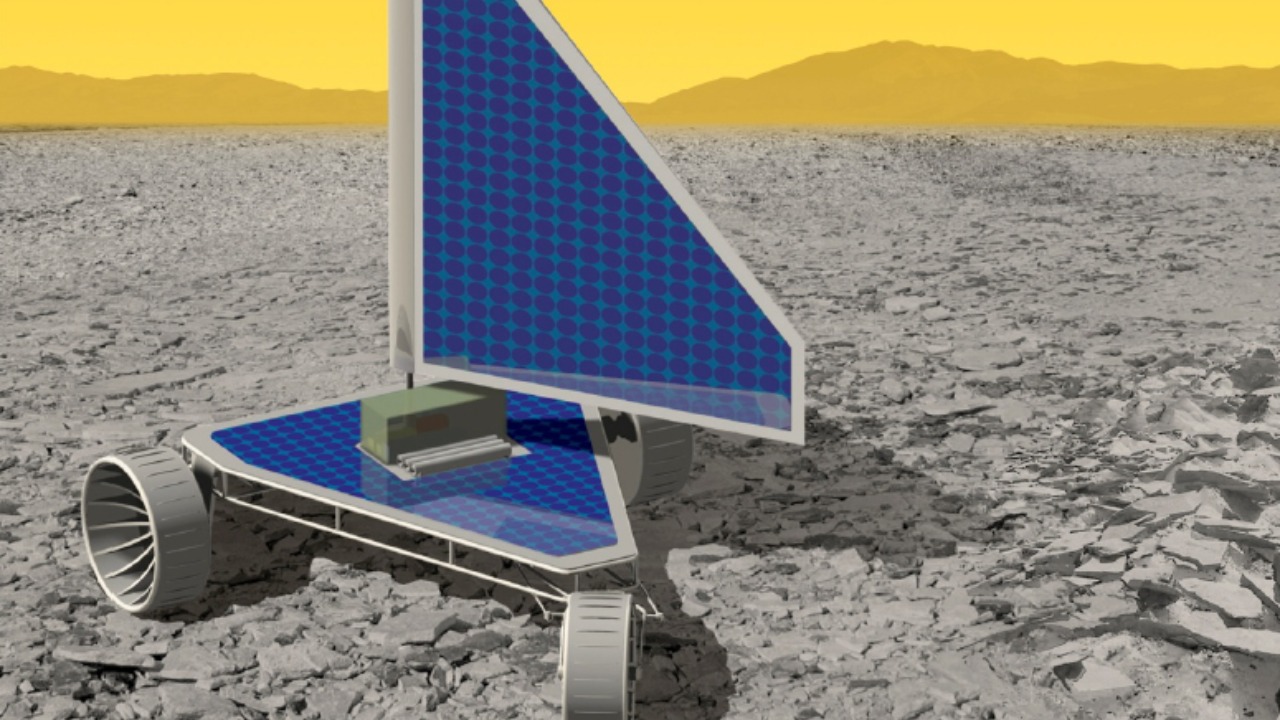
The discovery of Venus’ vast volcanic landscape was made possible by significant advancements in remote sensing technology. The ability to penetrate the planet’s dense atmosphere and obtain high-resolution images is a testament to the progress in space exploration technology. These advancements not only allow us to study Venus in greater detail but also set a precedent for exploring other celestial bodies with thick atmospheres, such as Titan, Saturn’s largest moon. For a deeper dive into technological advancements, check out this Frontiers in Astronomy and Space Sciences article.
Furthermore, the global collaboration that facilitated this mission highlights the importance of international partnerships in space exploration. The combined expertise and resources of multiple countries have made it possible to achieve breakthroughs that would be challenging for any single nation. As we look to the future of planetary exploration, continued collaboration will be essential for pushing the boundaries of our knowledge and understanding of the universe.
