The sun’s activity is causing a stir in the cosmos, and it’s not just astronomers who are taking notice. Elon Musk’s Starlink satellites, part of a project aimed at providing global broadband coverage, have been reported to plunge from their orbits due to solar activity. This phenomenon has been observed on multiple occasions since early June 2025.
Understanding the Sun’s Influence on Satellites
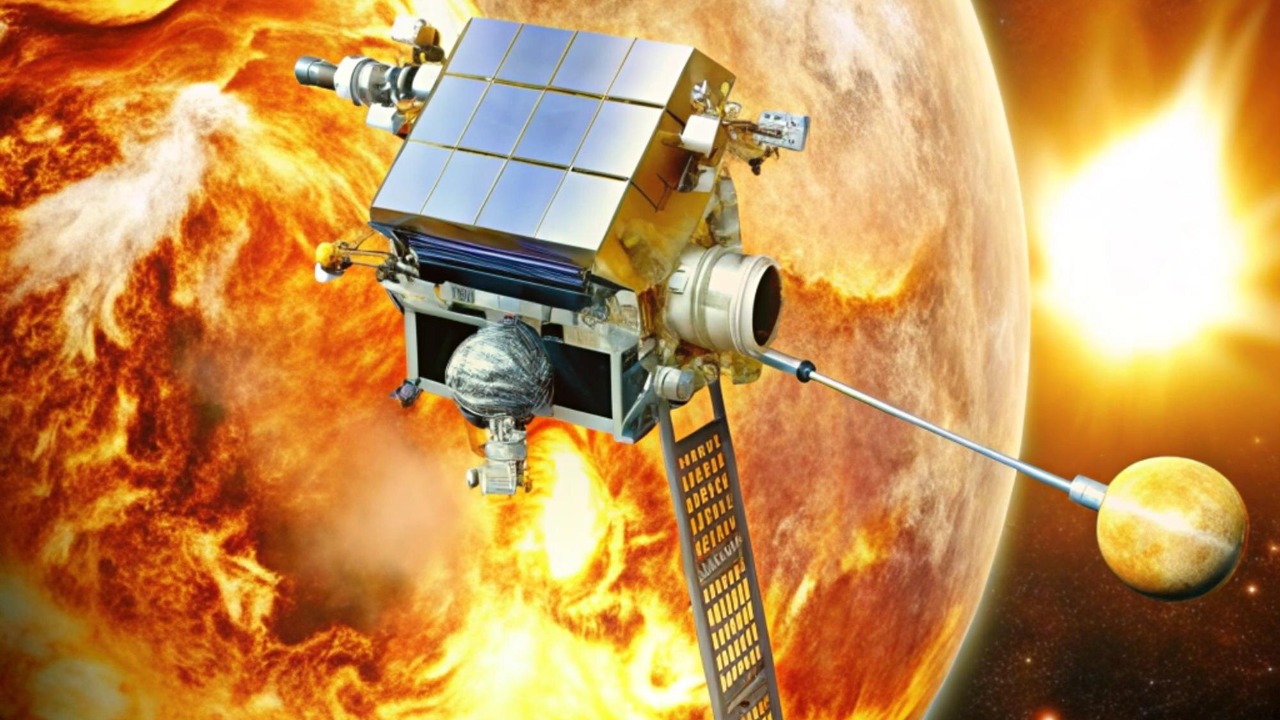
The sun, while essential for life on Earth, can pose significant challenges for satellite technology. Solar activity, particularly solar storms, can disrupt the function and orbit of satellites. This is due to the intense electromagnetic radiation and charged particles that the sun emits, which can interfere with the electronic systems of satellites and even alter their trajectories. This phenomenon is not new and has been known to cause disruptions to satellite networks in the past.
Historically, solar activity has been a significant factor in satellite operation. There have been instances where solar storms have caused widespread disruption to satellite networks. These events underscore the vulnerability of satellite technology to solar phenomena and highlight the need for robust design and protective measures.
Details on Starlink Satellite Disruptions
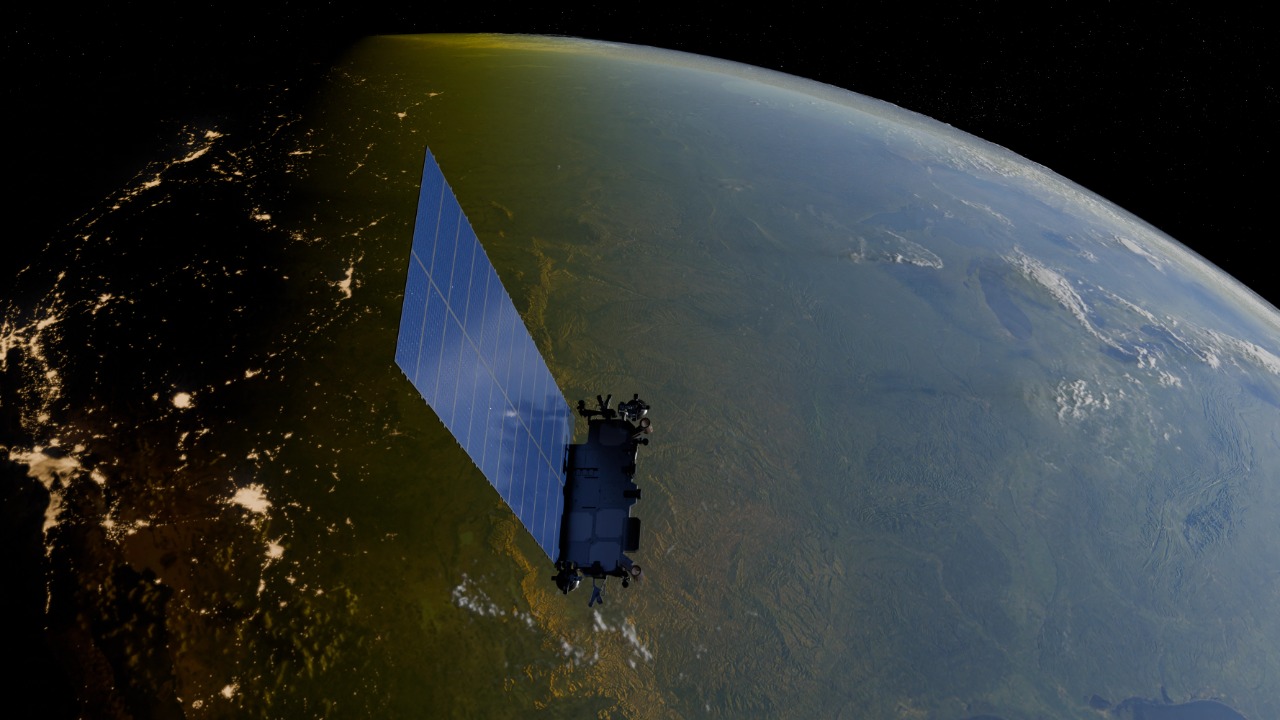
Recent reports have documented instances where solar activity has caused Starlink satellites to drop from space. These disruptions, which began in early June 2025, have raised concerns about the viability of the Starlink project. The satellites, which are part of a network intended to provide global broadband coverage, have been observed to plunge from their orbits due to the sun’s activity.
The timeline of these disruptions provides valuable insights into the challenges faced by the Starlink project. The first instances of satellites dropping from space were reported in early June 2025. Since then, there have been multiple occurrences, indicating that this is not an isolated issue but a recurring problem that needs to be addressed.
According to ScienceAlert, the solar activity causing the Starlink satellites to drop from their orbits is a result of solar storms. These storms, characterized by the sun’s intense emission of high-energy particles, can create a hostile environment for satellites. The Starlink satellites, despite being designed to withstand harsh space conditions, have proven vulnerable to these solar phenomena.
Furthermore, the disruptions have not been limited to a single batch of satellites. Multiple Starlink satellites, launched in different missions, have been affected. This suggests that the issue is not confined to a specific group of satellites but is a broader problem affecting the entire Starlink constellation. The frequency and widespread nature of these disruptions underscore the severity of the challenge posed by solar activity to the Starlink project.
Implications for SpaceX and the Starlink Project

The disruptions caused by solar activity have significant implications for SpaceX and the Starlink project. The loss of satellites not only affects the project’s goal of providing global broadband coverage but also raises questions about the project’s long-term viability. If the satellites cannot withstand the sun’s activity, the project could face significant delays or even cancellation.
These disruptions could also affect SpaceX’s reputation and future projects. The company, led by Elon Musk, has been at the forefront of space technology and exploration. However, the issues with the Starlink satellites could raise doubts about the company’s ability to manage large-scale space projects and could potentially impact its future endeavors.
From a financial perspective, the loss of satellites due to solar activity could have substantial implications for SpaceX. Each Starlink satellite costs millions of dollars to manufacture and launch. The loss of these satellites not only represents a significant financial setback but also hampers the progress of the Starlink project. According to The Independent, the project’s goal of providing global broadband coverage could be significantly delayed if these disruptions continue.
Moreover, the issues with the Starlink satellites could also have implications for SpaceX’s other projects. The company’s ambitious plans, including missions to Mars and the establishment of a lunar base, rely heavily on the success of its satellite technology. Any doubts about the reliability of this technology could potentially affect investor confidence and the company’s ability to secure funding for future projects.
Responses and Solutions

Given the challenges posed by solar activity, potential solutions or strategies to mitigate its impact on Starlink satellites are being explored. These could include design modifications to make the satellites more resistant to solar radiation and charged particles, or operational changes to manage the satellites’ orbits during periods of high solar activity.
As of now, there has been no official response from Elon Musk or SpaceX regarding these disruptions. However, given the potential impact on the Starlink project and SpaceX’s reputation, it is expected that the company will take steps to address this issue and ensure the project’s success.
One potential solution to the problem could be the development of more robust shielding for the satellites. This could involve the use of materials that are more resistant to solar radiation, or the incorporation of additional protective layers to shield the satellites’ electronic systems. According to CyberNews, such modifications could help to mitigate the impact of solar activity on the satellites and ensure their continued operation.
Another possible strategy could be the implementation of predictive models to forecast solar activity. These models could provide advance warning of solar storms, allowing for the adjustment of the satellites’ orbits to avoid the most intense periods of solar activity. While this approach would not eliminate the risk entirely, it could help to reduce the frequency and severity of disruptions.
