The groundbreaking innovation of solar paint has the potential to generate an impressive 1,000 watts per square meter, potentially revolutionizing how we harness and utilize solar energy in our daily lives.
Understanding Solar Paint and Its Function

Often likened to a “thin film” solar cell, solar paint is a unique technology that absorbs sunlight and converts it into electricity. This innovative solution contains light-sensitive materials that can generate an electric current when exposed to sunlight. Unlike traditional solar panels that require a significant amount of space and installation effort, solar paint can be applied to any surface, making it a versatile source of renewable energy.
The process by which solar paint functions is surprisingly straightforward. When light strikes the painted surface, the light-sensitive materials within the paint absorb the sunlight. This absorption process creates an electric current, which can then be harnessed and used to power electrical devices. In comparison to traditional solar panels, solar paint provides a less obtrusive and potentially more cost-effective solution to harnessing solar energy, without sacrificing energy output.
The Science Behind the Power Generation
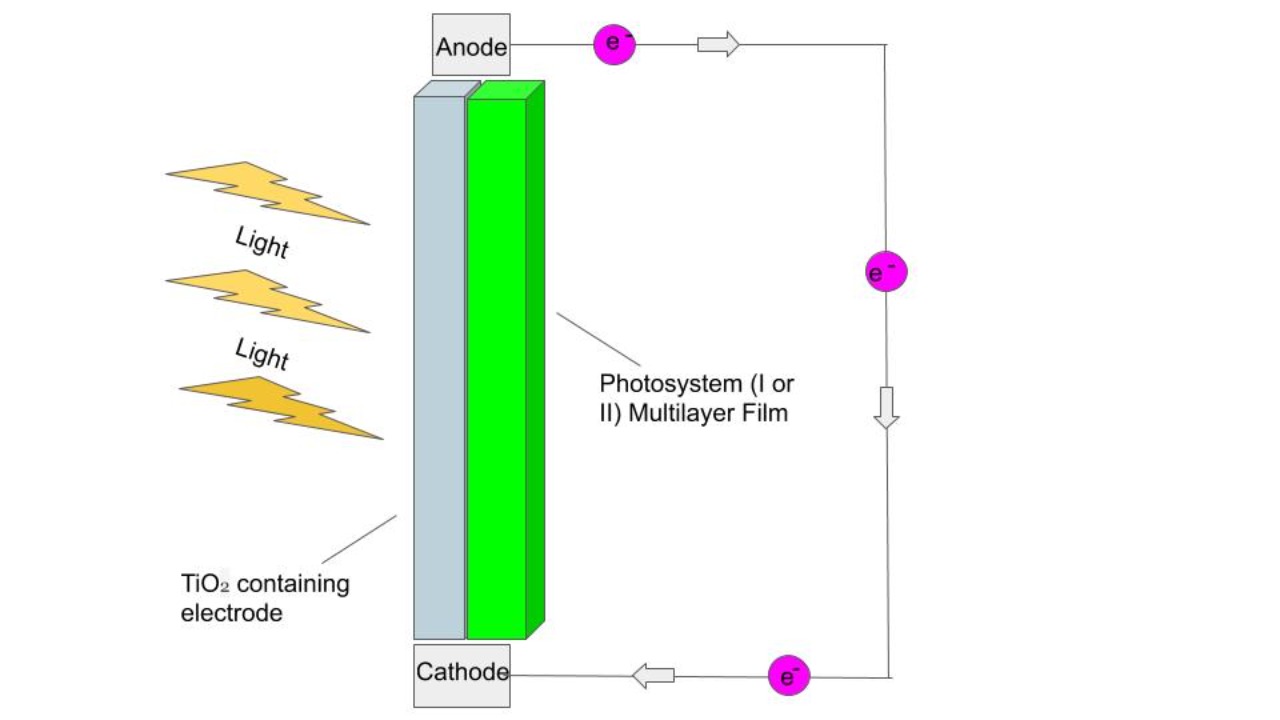
The science behind solar paint revolves around the photovoltaic effect, a process by which light is converted into electricity at the atomic level. This concept is the same one used by traditional solar panels, but solar paint takes it a step further by integrating nanoparticles into the mix. These tiny particles enhance the process of energy absorption and conversion, enabling solar paint to generate a significant amount of energy.
By incorporating nanoparticles, solar paint is able to produce an impressive 1,000 watts per square meter. This is achieved by maximizing the surface area that can absorb sunlight, thus allowing more light to be converted into electricity. For a deeper understanding of the science behind this technology, this comprehensive guide provides a detailed explanation of the photovoltaic effect and the role of nanoparticles in solar paint.
The Potential of Solar Paint in Energy Production

Solar paint holds significant potential in the field of renewable energy production. By offering an alternative to traditional power sources, it could greatly reduce our dependency on fossil fuels. The potential of solar paint extends to remote or underserved communities, where access to traditional forms of energy may be limited. By simply painting a surface, these communities can harness solar energy, making this technology a viable solution for energy poverty.
Additionally, the introduction of solar paint could have a transformative impact on the renewable energy sector. A study by MIT researchers has shown that ultrathin solar cells, similar to the technology used in solar paint, could revolutionize power production by providing a scalable and affordable alternative to traditional solar panels.
Challenges and Limitations of Solar Paint

Despite its potential, solar paint is not without its challenges. One of the main hurdles is the practical application of the paint. While the concept of simply painting a surface to generate electricity sounds appealing, the actual application process may be more complex and require professional expertise.
There are also concerns about the efficiency and durability of solar paint. Like all forms of solar energy, solar paint is dependent on sunlight, which can be unpredictable. Additionally, the long-term durability of solar paint is currently uncertain, with factors like weather conditions potentially impacting its effectiveness. For more information on these challenges and potential solutions, check out this insightful discussion on the topic.
Future Applications and Implications for Industries

The potential applications of solar paint extend beyond residential and commercial buildings. Consider the automotive industry, for example. The prospect of painting vehicles with solar paint that can generate electricity could mean near-unlimited range for electric vehicles, as discussed in this LiveScience article.
The housing and construction sector could also see a significant impact with the introduction of solar paint. Imagine a future where homes and buildings are painted with this technology, turning every structure into a potential power generator. This not only has implications for reducing energy costs but also contributes to climate change solutions by promoting the use of renewable energy.
Overall, solar paint represents a promising step forward in the quest for sustainable, renewable energy solutions. While there are challenges to overcome, the potential benefits of this technology are undeniable and could redefine our approach to energy production in the near future.
