A massive solar flare has recently wreaked havoc on numerous satellites orbiting the Earth, disrupting communications and causing widespread concern among space agencies and satellite operators. As the sun continues to be a source of both life and potential danger, understanding the impact of solar activity on our satellite infrastructure is becoming increasingly important.
Understanding Solar Flares
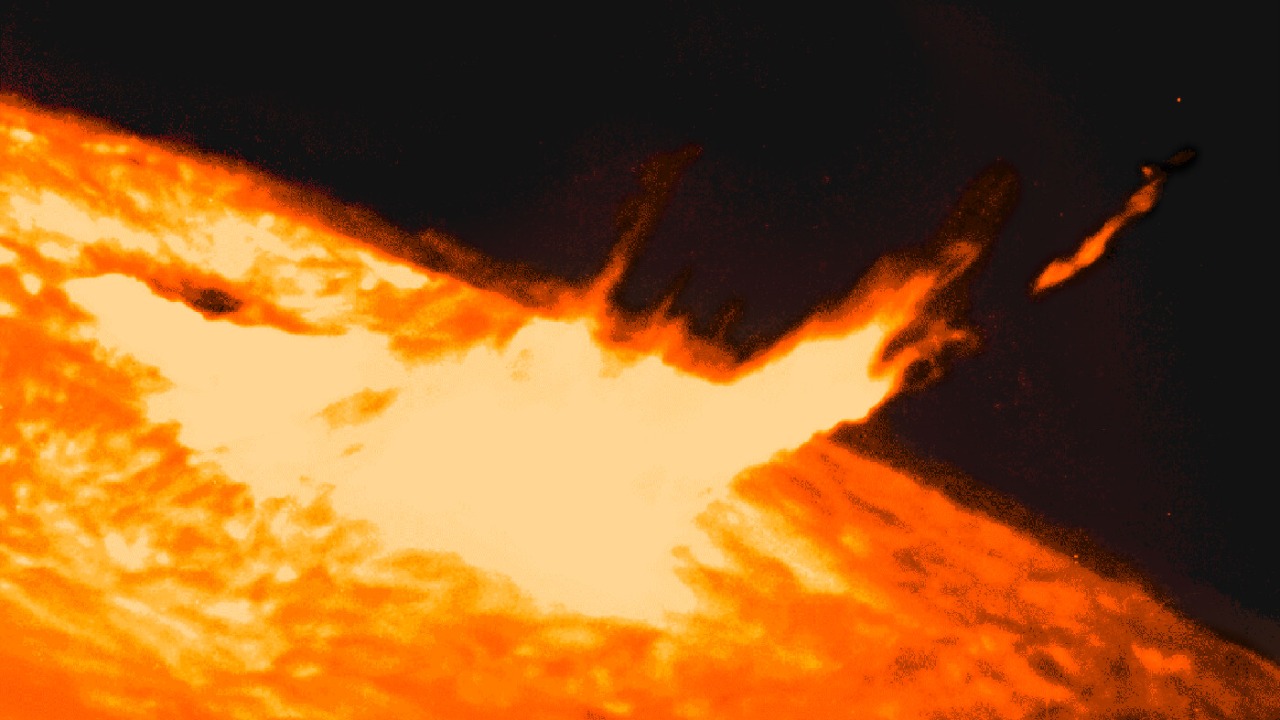
Solar flares are intense bursts of radiation emanating from the sun’s surface, caused by the sudden release of magnetic energy stored in the solar atmosphere. These phenomena are categorized based on their intensity into classes such as X, M, and C, with X being the most intense. Flares can affect all layers of the solar atmosphere, heating plasma to tens of millions of degrees and accelerating particles to nearly the speed of light. This energy release can have significant impacts on space weather, affecting both the Earth and the technology orbiting it.
Historically, solar flares have been responsible for a number of disruptions. One of the most notable was the Carrington Event in 1859, which caused widespread disruption of telegraph systems. More recently, in 1989, a solar storm triggered a nine-hour blackout in Quebec. These events underscore the potential for solar flares to disrupt modern technology. In today’s context, the effects of similar events on our complex satellite systems could be far more severe, given our reliance on these technologies for communication, navigation, and data collection.
Predicting solar activity remains a challenging task for scientists. Current methods involve monitoring the sun’s surface and using computer models to simulate solar behavior. However, these predictions are not always accurate. Due to the sun’s complex magnetic field and the vast array of variables involved, forecasting the exact timing and impact of solar flares is still fraught with uncertainty. Despite technological advances, predictions often serve as best estimates rather than definitive forecasts.
Impact on Satellites
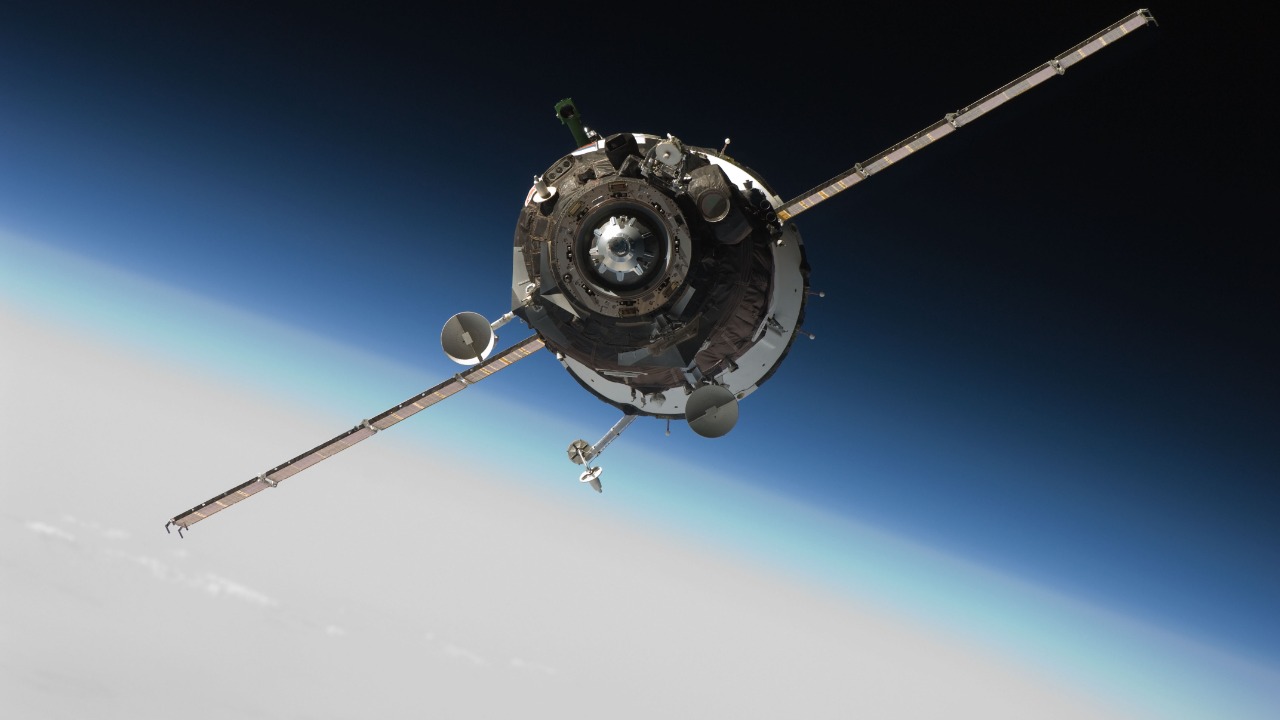
Solar flares can affect satellites in multiple ways. The high-energy particles released during these events can penetrate satellite shielding, causing damage to onboard electronics and leading to operational failures. Additionally, increased solar activity can result in atmospheric expansion, which increases drag on satellites and can alter their orbits. This can result in collisions or render satellites inoperable, ultimately affecting the services they provide.
The recent solar flare event resulted in the loss of multiple satellites. For instance, several Starlink satellites were reportedly lost due to increased atmospheric drag, as detailed in Cybernews. The economic impact of these losses is significant, with costs associated not only with the physical loss of satellites but also with the disruption of services such as GPS, telecommunications, and earth observation. These disruptions underscore the vulnerability of our satellite infrastructure to solar phenomena.
The economic and operational consequences of such disruptions are vast. The financial impact extends beyond the direct loss of satellites, affecting industries reliant on satellite data. Telecommunications, navigation, and weather forecasting services can experience interruptions, leading to broader economic implications. Understanding these impacts highlights the importance of improving satellite resilience to solar flares.
Challenges in Satellite Design and Protection
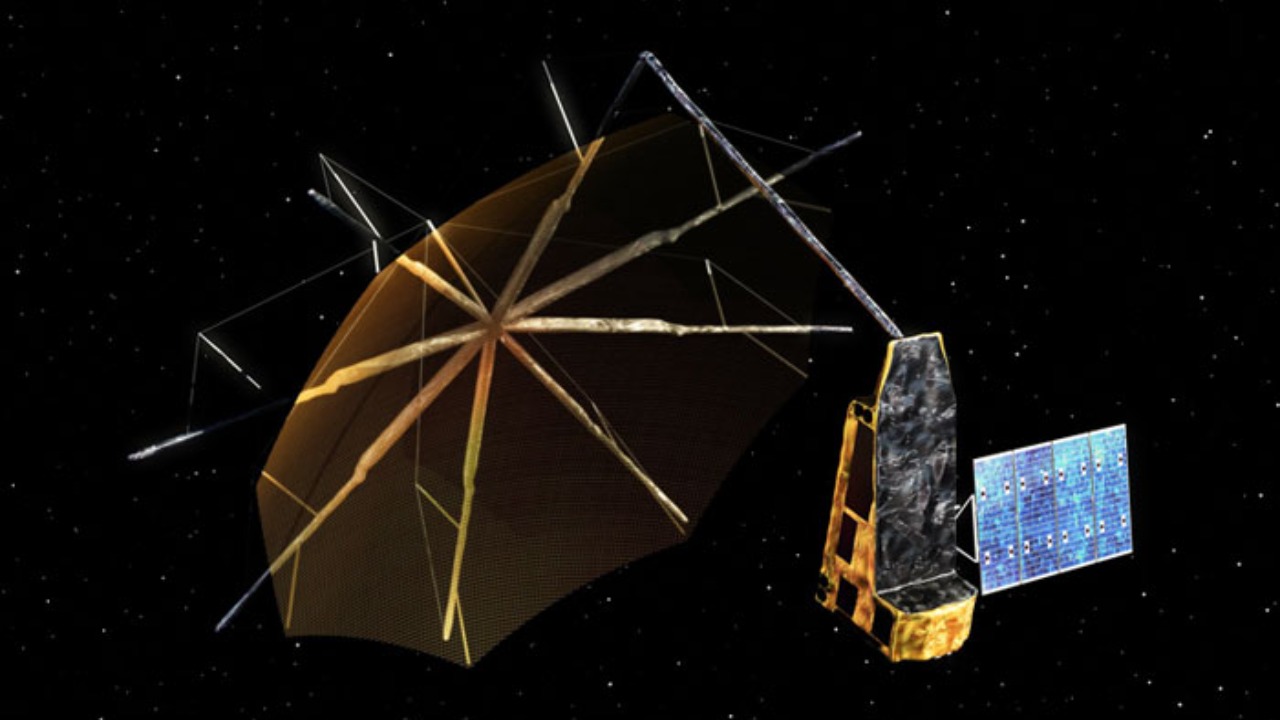
To mitigate the risks posed by solar flares, various protective measures are currently employed in satellite design. These include radiation-hardened components, onboard shielding, and redundant systems designed to ensure continued operation despite partial failures. However, these measures are not foolproof. The sheer intensity of certain solar events can overwhelm existing protections, leading to satellite malfunctions or failures.
Despite these protective measures, some satellites remain vulnerable. The limitations are often due to cost constraints or the physical impossibility of shielding against the most intense solar events. Additionally, the rapidly changing nature of solar activity means that some satellites may be unprepared for unexpected events, as demonstrated by the recent losses.
Innovations in satellite design are ongoing. Researchers are exploring new materials and technologies to enhance satellite resilience. For instance, advancements in materials science are leading to the development of more effective radiation shields. Moreover, improvements in predictive technologies aim to provide operators with better warnings of impending solar activity, allowing them to take preemptive measures. These developments hold promise for reducing the vulnerability of future satellite missions.
The Role of Space Agencies and Governments

The response of space agencies to solar flare events is crucial in mitigating their impact. Agencies such as NASA and ESA have developed protocols to safeguard satellite operations during solar storms. These measures include adjusting satellite orbits and shutting down non-essential systems to minimize damage. Additionally, agencies are investing in research to improve our understanding of solar activity and its effects on space weather.
International collaboration is vital in addressing the challenges posed by solar flares. Efforts are underway to create a global network for monitoring solar activity and sharing data, as highlighted by NASA Earthdata. Collaborative projects aim to enhance predictive capabilities and develop joint protective measures, reflecting a recognition that solar flares are a global concern requiring collective action.
Policy implications of solar flare events are increasingly relevant. There is growing recognition of the need for regulations and policies to enhance satellite safety and reliability. Governments and space agencies must consider frameworks that mandate resilience measures and encourage innovation in satellite technology, ensuring that future satellite missions are better equipped to withstand solar events.
Future Outlook
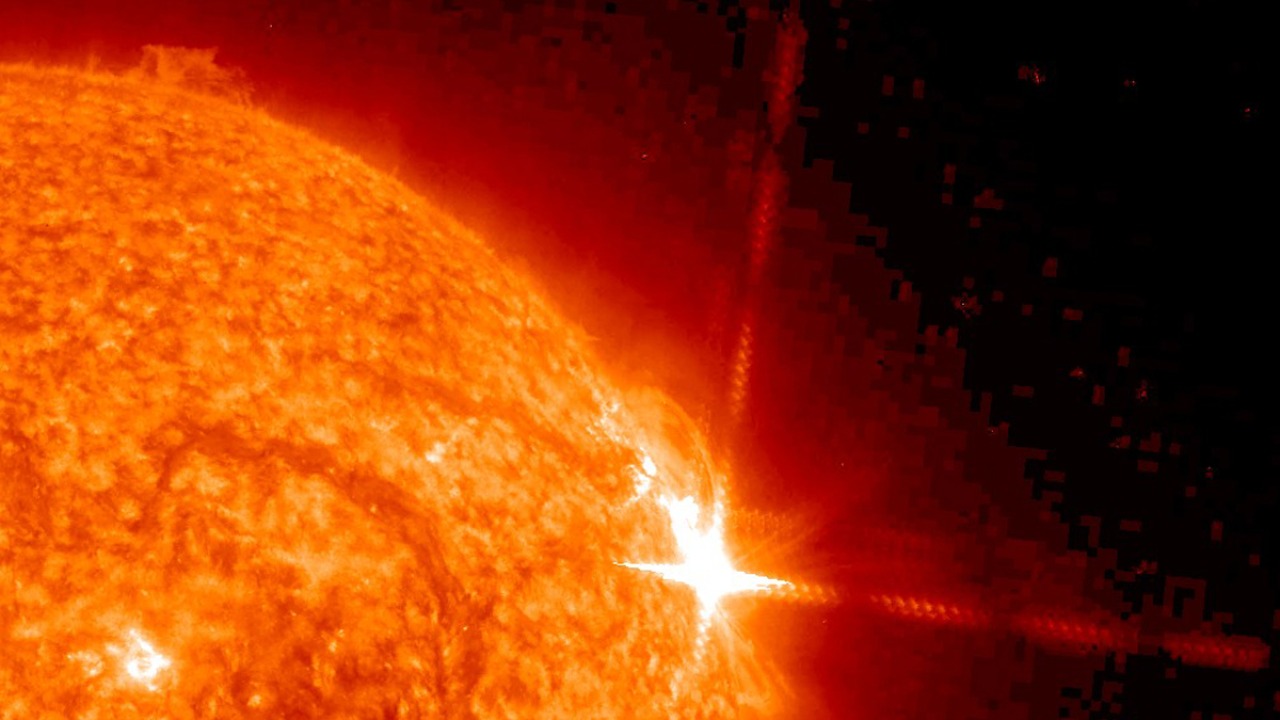
Advances in solar monitoring technology are on the horizon, promising to improve our ability to predict and respond to solar flares. Upcoming missions and technologies aim to provide more accurate forecasts, potentially giving satellite operators the lead time needed to safeguard their assets. These advancements are crucial for minimizing the impact of solar activity on our technology-dependent society.
Preparing for larger solar events is an ongoing challenge. Scenarios involving extreme solar activity, akin to the Carrington Event, require comprehensive planning and coordination among stakeholders. Efforts must focus on enhancing the resilience of satellite infrastructure and developing strategies to cope with potential disruptions, as discussed in detail in Space.com.
Public awareness of the risks posed by solar flares is essential. Increased understanding among the public and industry stakeholders can drive demand for more resilient technologies and inform policy-making. As our reliance on satellite technology grows, ensuring that society is prepared for the challenges posed by solar activity becomes increasingly important.
