In recent years, smartwatches have evolved from simple time-telling gadgets to sophisticated health monitoring devices, now capable of tracking a range of physiological metrics. Among the latest advancements is the ability to quietly scan for blood pressure spikes, a feature that could revolutionize early detection of hypertension. These devices are transforming personal health management by providing continuous, non-invasive monitoring that empowers users to take proactive steps in managing their health.
The Evolution of Smartwatch Health Monitoring
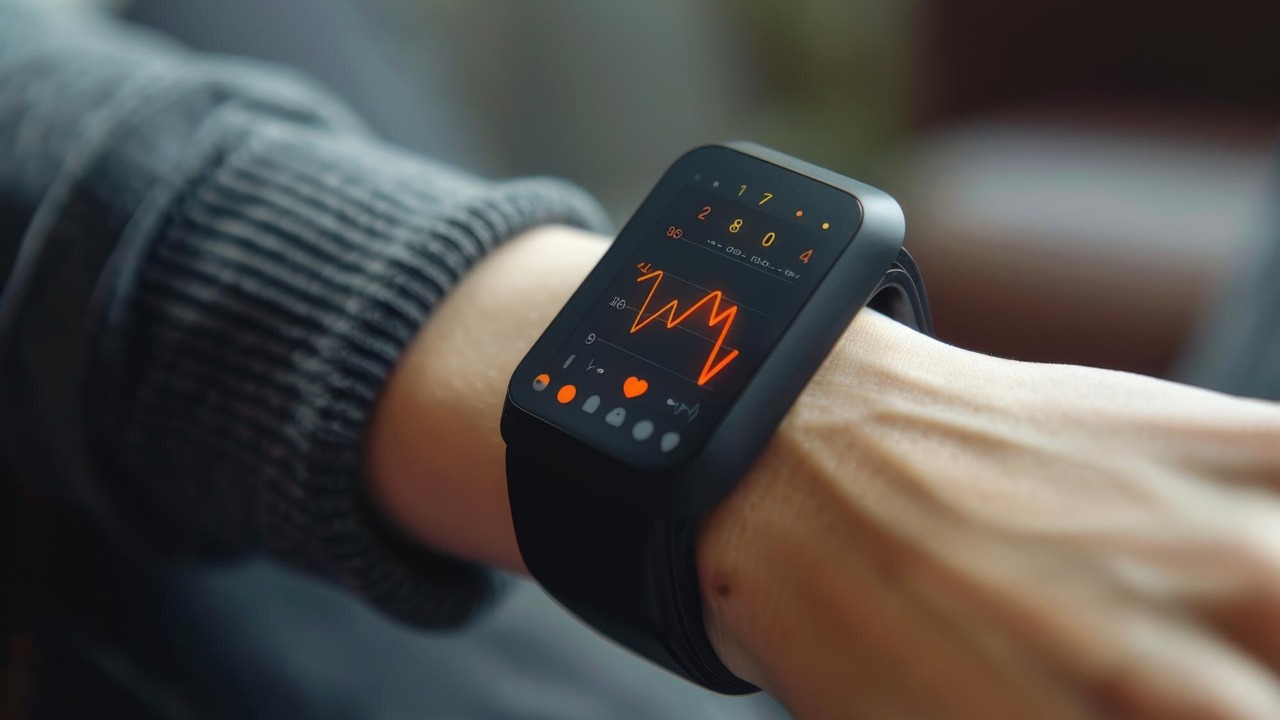
Smartwatches have come a long way from their initial role as basic fitness trackers. Initially designed to count steps and monitor heart rates, these devices have rapidly evolved into comprehensive health monitoring tools. This transformation has been driven by advancements in sensor technology, miniaturization, and the integration of sophisticated algorithms capable of interpreting complex physiological data. The ability to monitor blood pressure is one of the most significant advancements in this evolution, offering users a convenient and continuous method to track a critical health metric.
Key technological advancements have enabled this leap in functionality. For instance, optical sensors that measure blood flow and pressure through the skin have become more accurate and reliable. These sensors, combined with advanced algorithms, allow smartwatches to estimate blood pressure without the need for traditional cuffs. Companies like Apple have been at the forefront of this innovation, pushing the boundaries of what wearable technology can achieve. The Apple Watch’s new blood pressure alert feature is a testament to how big tech is driving the smartwatch health race forward.
How Smartwatches Monitor Blood Pressure
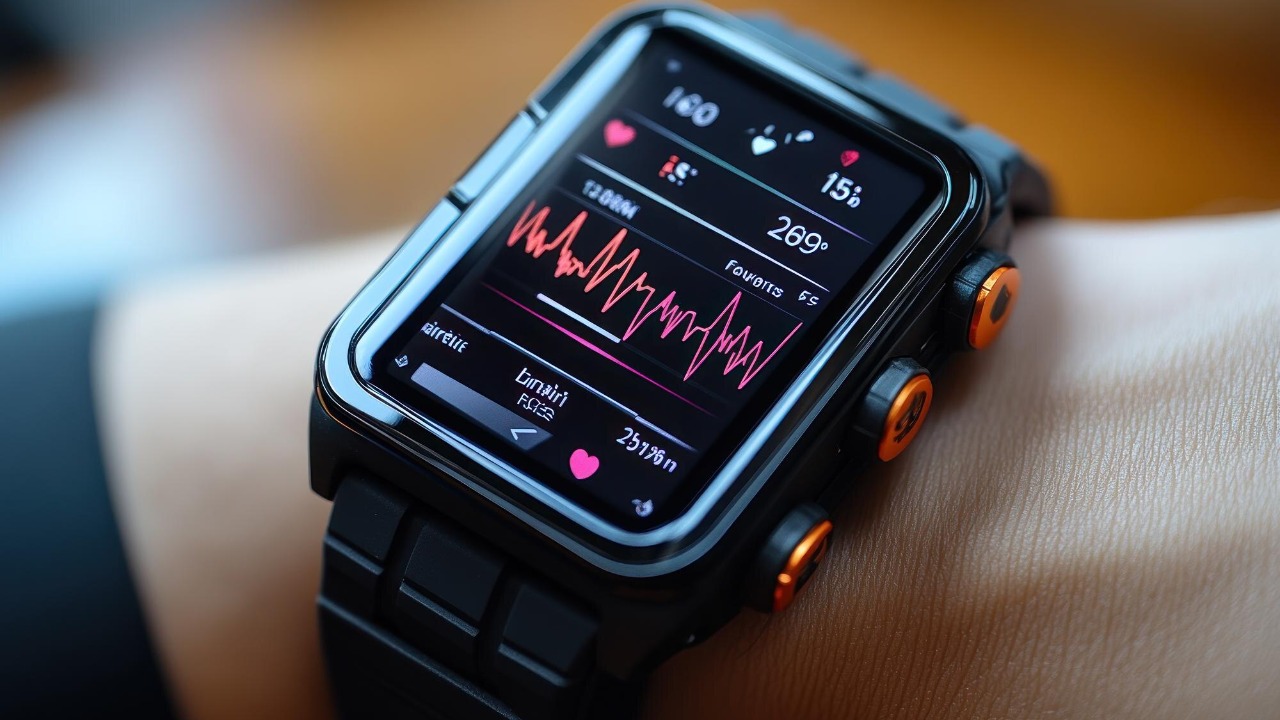
The technology behind blood pressure monitoring in smartwatches is both fascinating and complex. These devices typically use a combination of photoplethysmography (PPG) and electrocardiogram (ECG) sensors to estimate blood pressure. PPG sensors measure the rate of blood flow through the wrist, while ECG sensors track the electrical activity of the heart. By analyzing the time it takes for a pulse wave to travel between two points, the smartwatch can estimate blood pressure levels.
While the accuracy of smartwatch blood pressure readings has been a topic of debate, recent advancements have significantly improved their reliability. Studies suggest that while these devices may not yet replace traditional blood pressure cuffs, they offer a valuable tool for spotting trends and identifying potential issues early. The integration of artificial intelligence and machine learning further enhances the functionality of these devices, allowing them to learn from user data and improve accuracy over time. The Apple Watch’s new hypertension alerts exemplify how AI is being used to spot risks before they spike, providing users with timely notifications.
The Significance of Early Detection of Hypertension
Hypertension, often dubbed the “silent killer,” can lead to severe health complications if left undetected. High blood pressure increases the risk of heart disease, stroke, and other serious conditions. Unfortunately, many individuals remain unaware of their hypertension status until they experience a significant health event. This is where smartwatches can make a substantial impact by providing continuous monitoring and early detection.
For high-risk individuals, the benefits of continuous blood pressure monitoring are immense. Smartwatches can alert users to potential issues before they become critical, allowing for timely intervention and lifestyle adjustments. This proactive approach to health management can significantly reduce the burden on healthcare systems by preventing complications and reducing the need for emergency care. By empowering users to take control of their health, smartwatches contribute to a more preventive approach to healthcare.
Privacy and Ethical Concerns
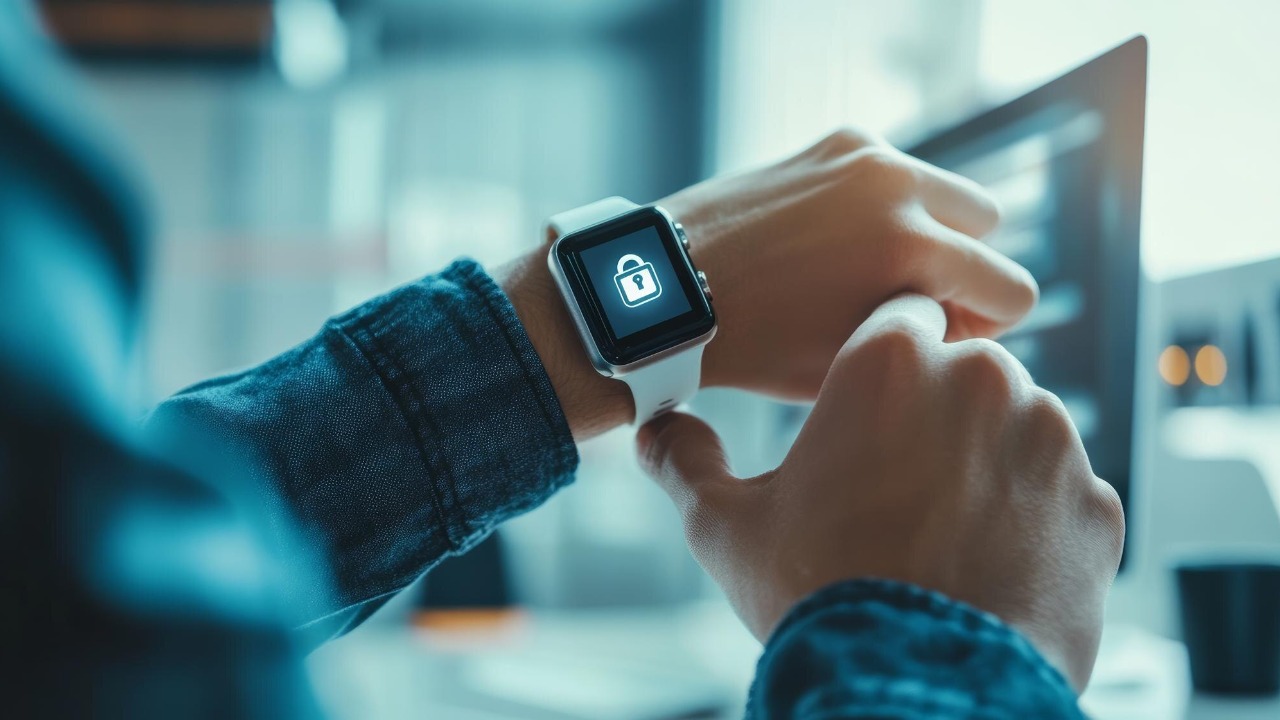
As smartwatches become more integrated into our daily lives, concerns about data privacy and ethics have come to the forefront. Continuous health monitoring generates vast amounts of sensitive data, raising questions about how this information is collected, stored, and used by tech companies. Users must be assured that their data is handled with the utmost care and that their privacy is respected.
Ethical considerations are paramount when it comes to the collection and use of health data. Companies must be transparent about their data handling practices and obtain explicit user consent before collecting health information. This transparency is crucial in building trust with users and ensuring that the benefits of wearable health technology are realized without compromising individual privacy. As these devices become more prevalent, it is essential to establish clear guidelines and regulations to protect user data.
Future Prospects and Challenges
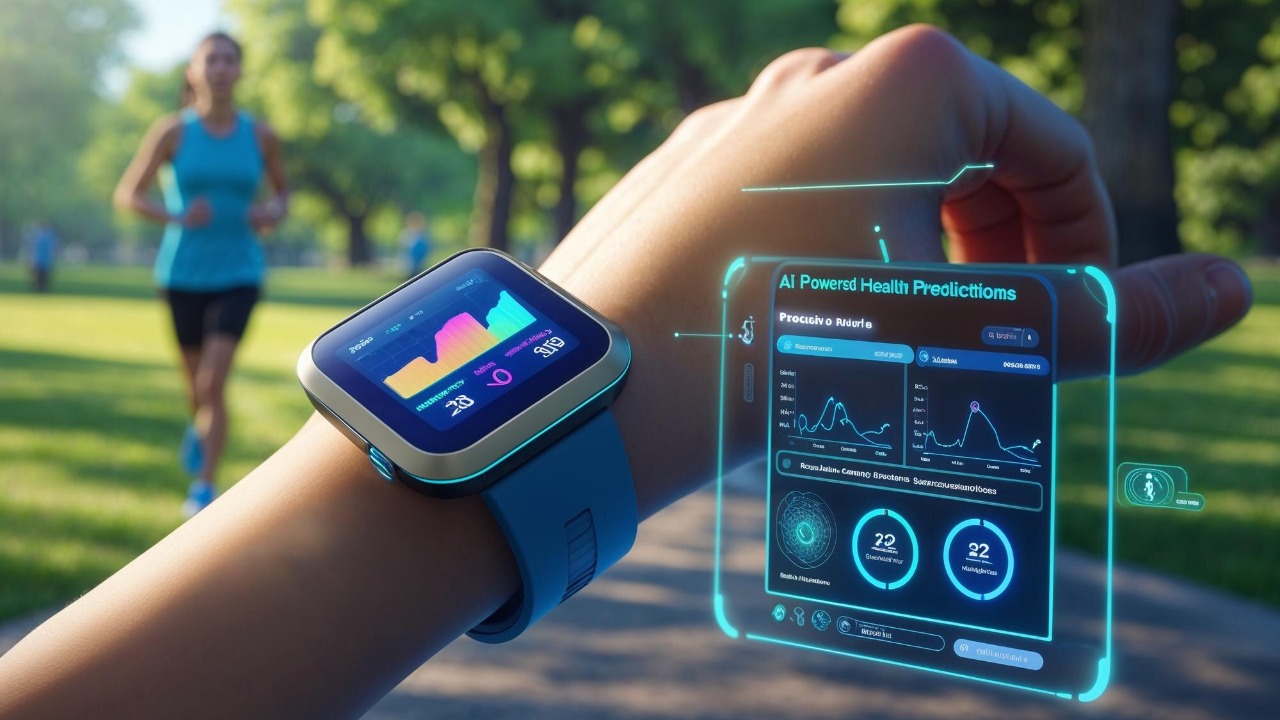
The future of smartwatch health monitoring is promising, with potential advancements on the horizon that could further enhance their capabilities. As sensor technology continues to improve, we can expect even greater accuracy and reliability in health metrics. Additionally, the integration of more advanced AI algorithms could enable smartwatches to provide personalized health insights and recommendations, tailoring advice to individual users based on their unique health profiles.
However, achieving widespread adoption and acceptance of these technologies presents several challenges. Users may be hesitant to rely on smartwatches for critical health information due to concerns about accuracy and privacy. Overcoming these barriers will require ongoing education and awareness efforts, as well as robust regulatory frameworks to ensure the safety and efficacy of these devices. Regulatory bodies play a crucial role in setting standards and guidelines that protect consumers while fostering innovation in the wearable tech industry.
