In recent years, smartphone users have observed unexplained fluctuations in Wi-Fi speeds, often attributing them to network issues. However, a growing body of evidence suggests that smartphones may be intentionally throttling Wi-Fi to conserve battery life. This article delves into the hidden mechanisms behind this practice and its implications for users.
Understanding Wi-Fi Throttling in Smartphones
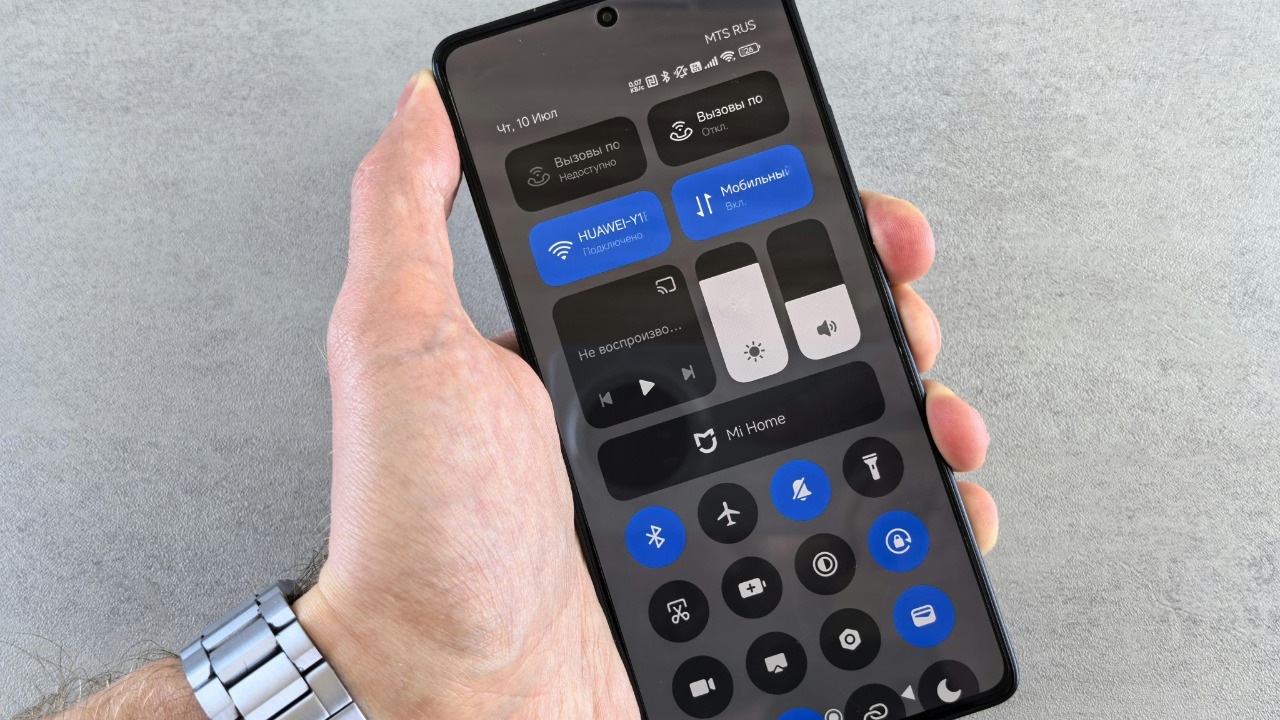
Wi-Fi throttling refers to the intentional slowing down of internet speeds by a device. In smartphones, this practice is often employed to manage power consumption and extend battery life. By reducing the speed at which data is transmitted over Wi-Fi, smartphones can decrease the energy required for wireless communication, thus conserving battery power.
The technological mechanisms enabling smartphones to selectively reduce Wi-Fi speeds are embedded within the device’s operating system. These systems can dynamically adjust the power allocated to the Wi-Fi antenna based on the device’s current battery level and usage patterns. While this can help prolong battery life, it may also lead to a noticeable decline in internet performance, affecting activities such as streaming, gaming, or video conferencing.
The impact of Wi-Fi throttling on user experience can be significant. Users may experience slower download speeds, increased buffering times, and overall reduced connectivity performance. This can be particularly frustrating in scenarios where high-speed internet is crucial, such as during work-from-home situations or when using data-intensive applications.
Battery Conservation Strategies in Modern Smartphones
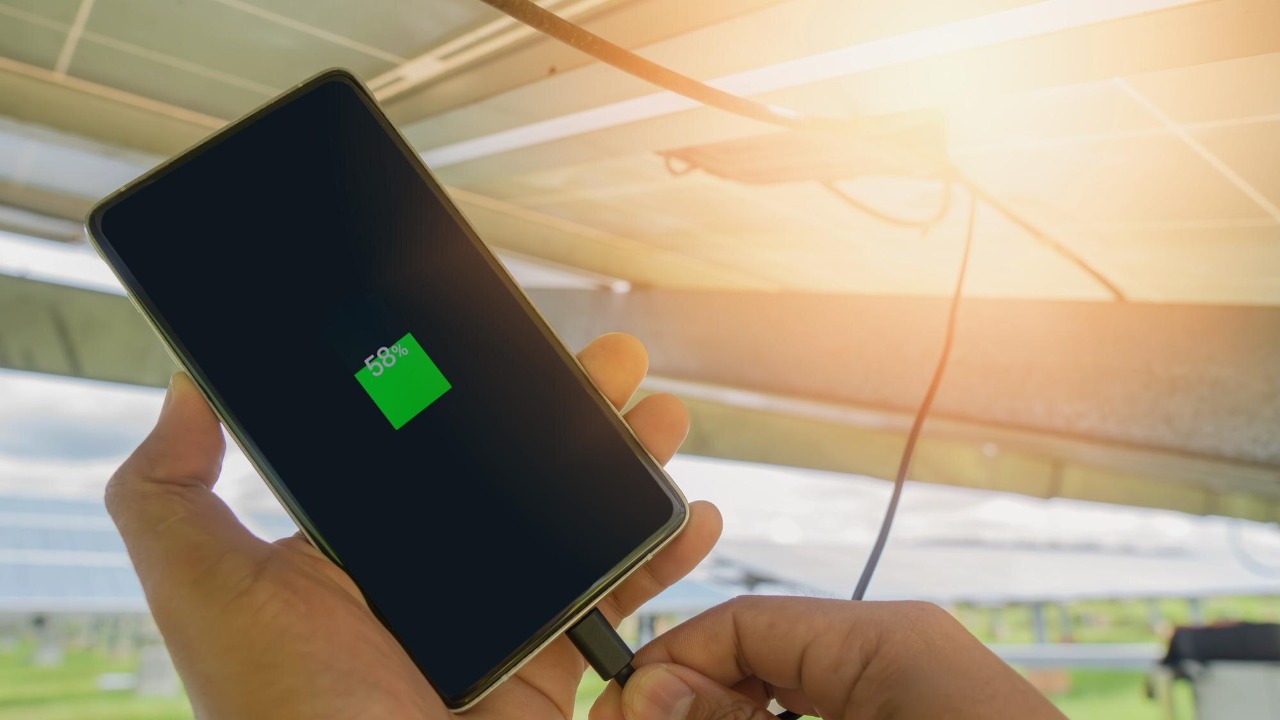
Modern smartphones employ a variety of battery-saving techniques, with Wi-Fi throttling being just one of many strategies. Other methods include reducing screen brightness, limiting background app activity, and utilizing power-saving modes. These strategies aim to optimize battery usage without severely compromising the device’s functionality.
However, there is a trade-off between battery life and connectivity performance. While throttling Wi-Fi can extend battery life, it may also degrade the quality of the internet connection. Users seeking to balance these aspects can explore specific settings and adjustments. For instance, a ZDNet article discusses various settings that can be modified to enhance battery life, such as disabling background data for certain apps and adjusting sync settings.
Additionally, users can refer to resources like MakeUseOf for tips on boosting mobile hotspot speeds, which can indirectly help manage battery consumption by optimizing connectivity settings.
The Role of Developer Options in Managing Connectivity
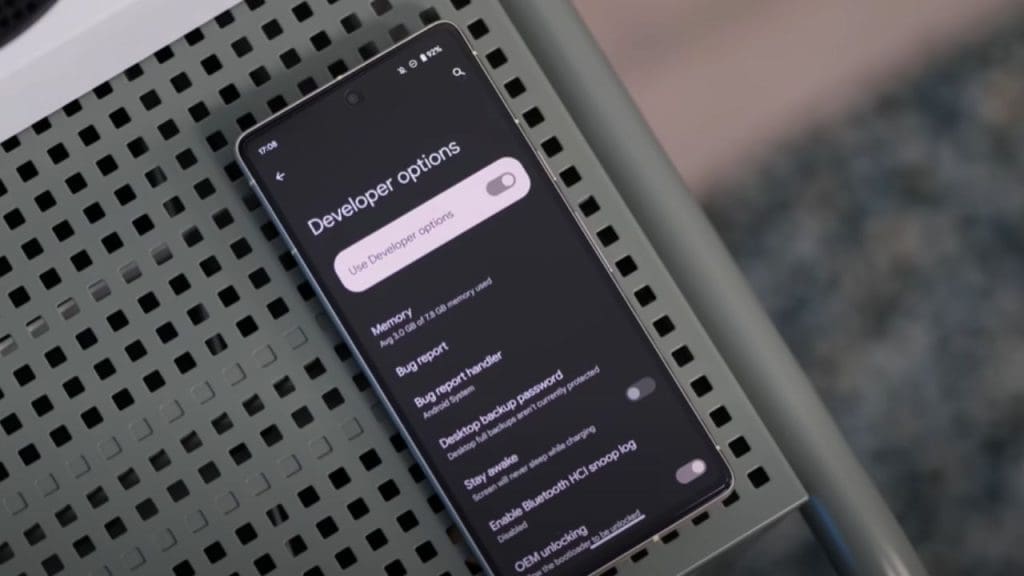
Developer options in Android devices offer advanced settings that can be used to manage connectivity and optimize device performance. These options, typically hidden by default, can be enabled to provide users with greater control over their device’s behavior.
For instance, a SlashGear article highlights specific developer options that can help users manage Wi-Fi performance. These include settings that allow users to limit background processes, adjust network preferences, and even simulate different network conditions to test connectivity performance.
Users looking to optimize these settings can also refer to Fossbytes for a comprehensive list of useful Android developer options. By enabling these options, users can strike a balance between battery life and Wi-Fi speed, tailoring their device’s performance to their specific needs.
Consumer Awareness and Transparency Issues

Despite the prevalence of Wi-Fi throttling, there is often a lack of transparency from manufacturers regarding these practices. Many users remain unaware that their devices may be intentionally slowing down internet speeds to conserve battery life, leading to frustration and confusion.
Consumer rights and informed consent are crucial in technology usage. Users have the right to understand how their devices operate and to make informed decisions about their settings. Manufacturers should provide clear information about Wi-Fi throttling practices and offer users the ability to adjust these settings according to their preferences.
To stay informed, users can regularly check for updates from manufacturers and consult reliable sources for information on device settings and performance. By doing so, they can make educated decisions about their device configurations and ensure they are using their smartphones in a way that aligns with their needs and expectations.
Potential Solutions and Future Implications
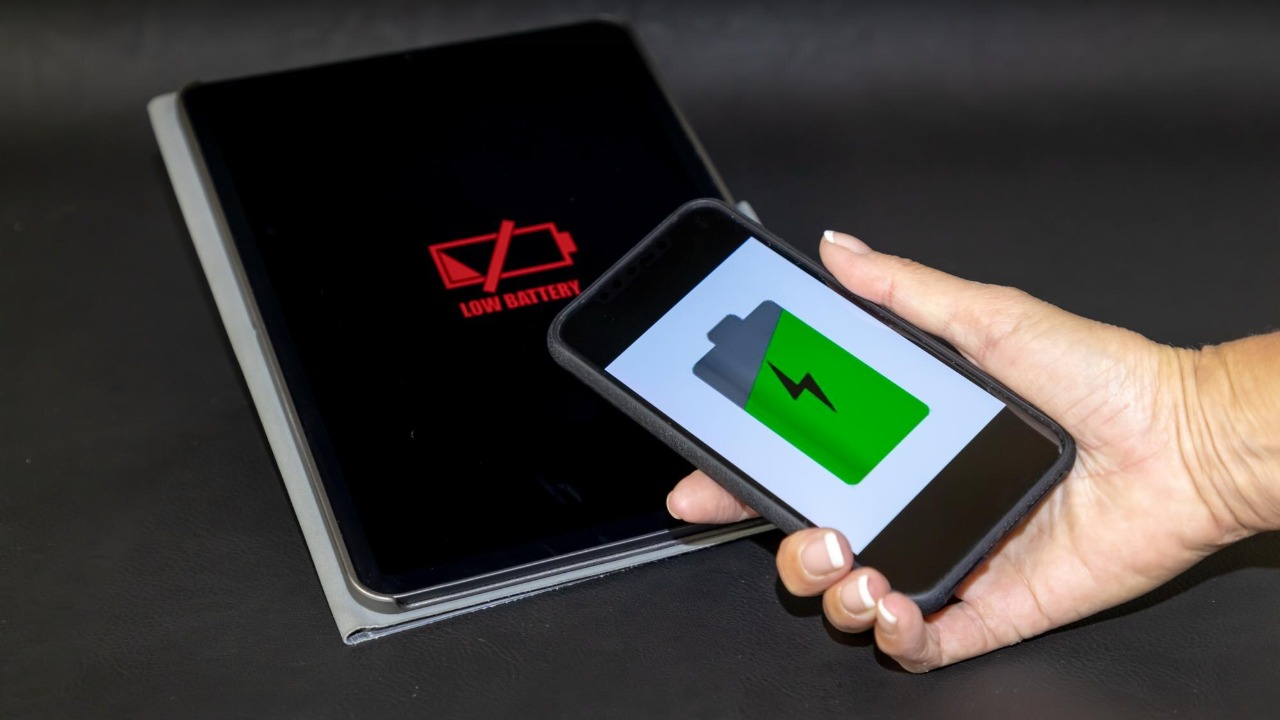
As technology continues to evolve, potential solutions to address the need for Wi-Fi throttling without sacrificing battery life are emerging. Innovations in battery technology, such as more efficient power management systems and longer-lasting batteries, could reduce the reliance on throttling as a battery conservation strategy.
Industry regulations and standards also play a role in ensuring fair practices. By establishing guidelines for transparency and user control, regulatory bodies can help protect consumers and promote ethical practices in the tech industry.
Looking ahead, the future of smartphone connectivity and battery management will likely be shaped by emerging technologies and user demands. As users become more aware of their device’s capabilities and limitations, manufacturers may be encouraged to develop more transparent and user-friendly solutions that prioritize both performance and battery life.
