Smart TVs have revolutionized our viewing experience, offering a wealth of features and connectivity options. However, these advancements come with a catch – the ability for these devices to record data even when they are powered off. This raises several questions about privacy and data security that we need to address.
Understanding the Technology behind Smart TVs
Smart TVs are a step up from traditional televisions, offering internet connectivity and support for a range of apps. This allows users to stream content, browse the web, and even use social media directly from their TV. However, this convenience comes with a hidden feature – Automatic Content Recognition (ACR). ACR allows your Smart TV to record what you’re watching, even when the device is seemingly powered off.
This technology works by capturing a small snippet of the content displayed on your screen and comparing it to a large database of movies, TV shows, and commercials. This data is then used to provide personalized recommendations and targeted advertising. However, this constant monitoring has raised concerns about privacy and data security.
The Implications of Smart TVs Recording When Off

Smart TVs can collect a wealth of data, including your viewing habits, the apps you use, and even your location. This data can be used to create a detailed profile of your interests and behavior, which can then be sold to advertisers. This has led to a number of privacy concerns, as users may not be aware of the extent of the data collection.
There have been several instances where Smart TV data collection has raised issues. For example, in 2017, Vizio, a popular Smart TV manufacturer, was fined $2.2 million for collecting and selling user data without consent. This case highlighted the potential risks of Smart TV data collection and the need for better consumer protection.
Legal and Ethical Concerns

The legal landscape surrounding Smart TVs’ ability to record when off is complex and varies by region. In the United States, the Federal Trade Commission (FTC) has taken action against companies that have collected data without user consent. However, there is still a lack of clear regulation regarding this issue.
From an ethical perspective, there is a debate over whether it is right for these devices to have this capability. While companies argue that this data collection is necessary for providing personalized content and advertising, privacy advocates argue that users should have the right to use their devices without being monitored.
How to Protect Your Privacy
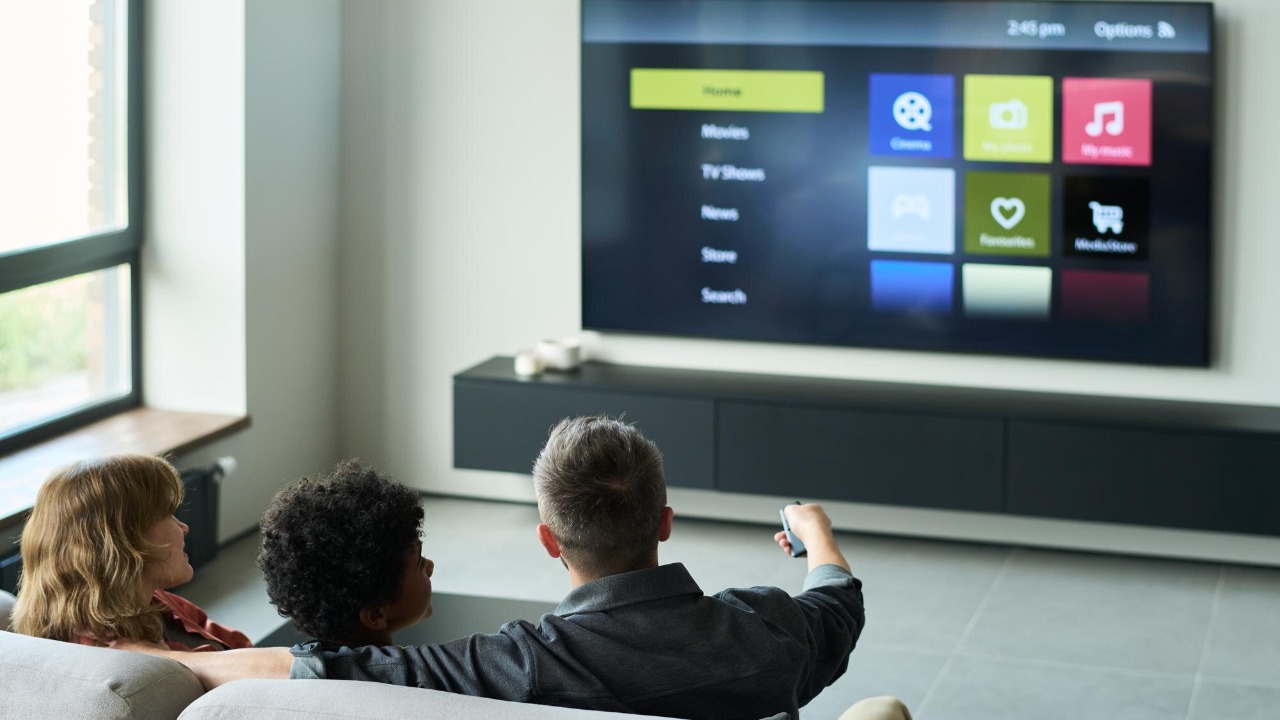
Fortunately, there are steps you can take to protect your privacy. One of the most effective methods is to disable ACR. This can usually be done through the settings menu on your Smart TV, although the exact process may vary by model. For a detailed guide on how to do this, you can refer to this ZDNet article.
Other measures you can take include using a Virtual Private Network (VPN) or secure network to protect your data from being intercepted. You can also consider using privacy-focused alternatives to traditional Smart TVs. For example, you could use a regular TV with a streaming device that has better privacy controls, such as a Roku or Apple TV.
Future of Smart TVs and Privacy
The future of Smart TVs and privacy is uncertain. Technological advancements could lead to even more sophisticated data collection methods, while regulatory changes could provide better protection for consumers. One thing is clear – consumer awareness and advocacy will play a crucial role in shaping this future.
As consumers become more aware of the privacy risks associated with Smart TVs, there is likely to be increased demand for devices that respect user privacy. This could lead to a shift in the industry, with manufacturers offering more privacy-focused options. However, until then, it is important for users to take steps to protect their privacy and to stay informed about the potential risks.
