Recent allegations have surfaced accusing smart scales of leaking sensitive health data, raising concerns about privacy and security. As these devices become more integrated into our daily lives, understanding the implications of these accusations is crucial. We will explore the nature of these allegations, the potential consequences, and the broader context of health data security.
The Allegations Against Smart Scales

Smart scales, designed to track various health metrics such as weight, BMI, and body fat percentage, have come under scrutiny for allegedly leaking sensitive health data without user consent. These accusations primarily revolve around the unauthorized sharing of personal information with third parties, raising alarm bells for privacy advocates. The claims suggest that some manufacturers may not have robust data protection measures in place, leading to inadvertent or deliberate data leaks.
Several technical vulnerabilities have been identified as potential sources of these data leaks. One major concern is insecure data transmission, where information is sent from the device to cloud servers without adequate encryption. Additionally, inadequate data storage practices can expose user data to unauthorized access. These vulnerabilities highlight the need for stronger security protocols to protect consumer information. If users lose trust in the integrity of smart health devices, it could significantly impact their adoption and use, ultimately affecting the broader market for health tech products.
Privacy Policies and Data Protection

To understand the commitments and limitations of smart scale manufacturers, it is essential to examine their privacy policies. For instance, the privacy policy of Withings, a leading smart scale manufacturer, outlines how they collect, use, and protect user data. While these policies often promise to safeguard personal information, they may also contain clauses that allow data sharing under certain conditions, such as with partners or for research purposes. These provisions can sometimes be vague, leaving room for interpretation and potential misuse.
Existing legal frameworks and regulations, such as the General Data Protection Regulation (GDPR) in Europe and the Health Insurance Portability and Accountability Act (HIPAA) in the United States, are designed to govern health data protection. However, the application of these laws to smart scales can be complex, as they often depend on how the data is categorized and used. In response to the allegations, some companies have publicly addressed the concerns, pledging to enhance their security measures and update their privacy policies to reinforce consumer trust.
The Broader Context of Health Data Security
Data breaches in the health tech industry are not a new phenomenon. Recent high-profile incidents have highlighted the vulnerabilities in digital health solutions. For example, an updated list of data breaches compiled by Tech.co underscores the frequency and severity of security lapses in this sector. These breaches have affected millions of users, exposing sensitive health data and leading to significant privacy concerns.
When comparing smart scales to other health monitoring devices, such as fitness trackers or heart rate monitors, it is evident that similar vulnerabilities exist across the board. However, the extent of the risk can vary based on factors like device connectivity, data handling practices, and manufacturer security protocols. Insights from cybersecurity experts shed light on the challenges of protecting health data in the digital age. They emphasize the importance of encryption, regular security audits, and user education as critical components of a comprehensive data protection strategy.
Consumer Awareness and Best Practices
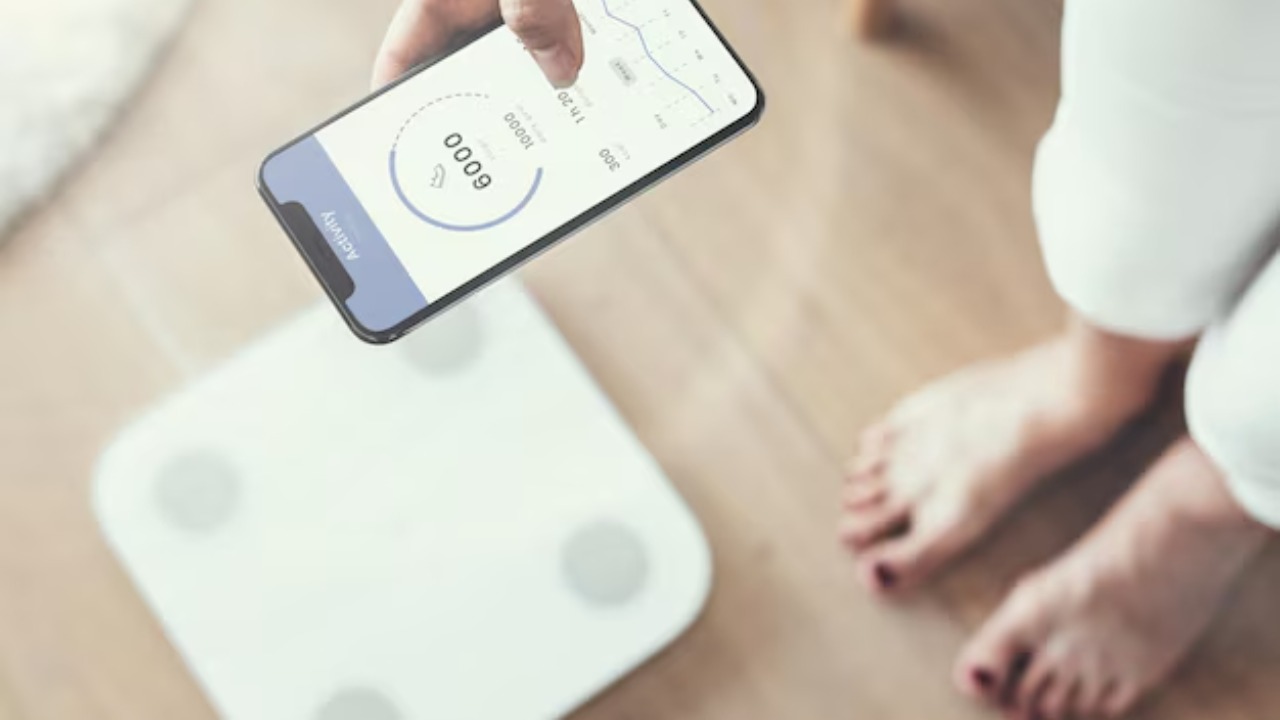
Consumer awareness is paramount when it comes to understanding the potential risks associated with smart health devices. Users should be informed about the types of data collected by their devices and how it is used. Educating consumers on the importance of reading privacy policies and understanding their rights can empower them to make informed decisions about their health data. Additionally, being aware of the potential risks allows users to take proactive steps to safeguard their information.
For users seeking to protect their personal data, several best practices can be implemented. These include using strong, unique passwords for device accounts, regularly updating device firmware, and being cautious about the permissions granted to apps associated with the devices. Moreover, consumers should consider opting out of data sharing options when possible and explore the security features offered by manufacturers. Manufacturers, on their part, have a crucial role in enhancing product security and building consumer trust by implementing robust security measures and maintaining transparency about data practices.
Future of Smart Health Devices
The future of smart health devices is closely tied to advancements in data security. Emerging technologies and strategies, such as blockchain and advanced encryption methods, hold promise for improving the security of health data in smart devices. These innovations aim to provide more secure and tamper-proof systems, ensuring that user data remains confidential and protected from unauthorized access.
As the industry continues to evolve, the emphasis on data protection will likely increase. Companies are expected to invest more in security research and development to address the growing concerns surrounding health data privacy. The challenge will be to balance innovation with privacy, ensuring that new devices offer enhanced functionality without compromising user data. By prioritizing security and transparency, manufacturers can foster trust and encourage the adoption of smart health technologies.
In conclusion, the allegations against smart scales highlight the critical need for enhanced data security measures in the health tech industry. As these devices become more prevalent, both consumers and manufacturers must remain vigilant in protecting personal information. By staying informed and adopting best practices, users can enjoy the benefits of smart health devices while minimizing potential risks.
