Imagine a world where roads could predict traffic jams before they occur. This is no longer a distant dream, but an emerging reality. Leveraging artificial intelligence (AI), machine learning (ML), and Internet of Things (IoT) technologies, “smart roads” are set to revolutionize urban mobility, heralding a new era of efficient and sustainable transportation systems.
Understanding the Concept of Smart Roads
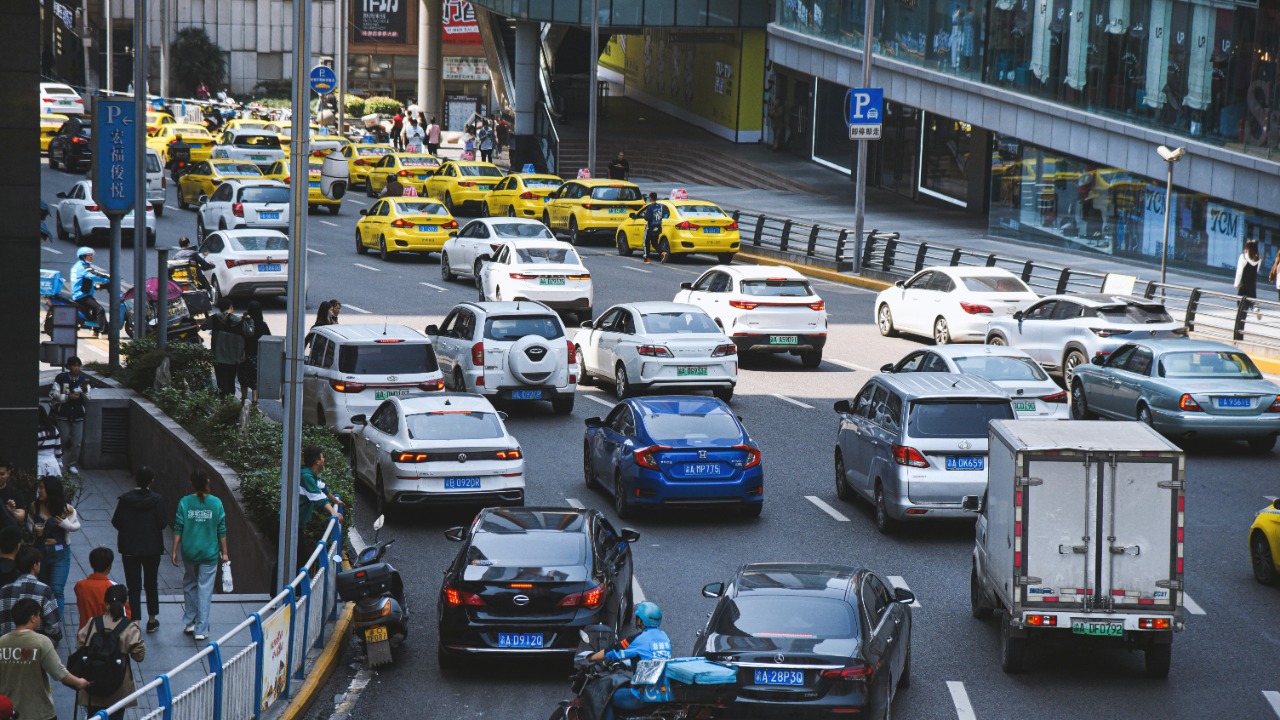
Smart roads are an innovative integration of technology and infrastructure, designed to optimize traffic flow and enhance safety. They employ a network of IoT devices and sensors embedded within the road surfaces, which gather real-time data about traffic volumes, speed, and road conditions. This data is then processed through advanced AI and ML algorithms to make real-time decisions, such as adjusting traffic signals, providing drivers with route suggestions, or predicting traffic congestion.
The role of AI, ML, and IoT in this context is crucial. AI and ML are used to analyze the massive amounts of data collected by IoT devices, enabling the system to ‘learn’ and ‘predict’ traffic patterns and potential bottlenecks. The potential impacts of these technologies on urban transportation are significant. They promise to reduce traffic congestion, improve road safety, optimize public transportation, and even contribute to environmental sustainability by reducing CO2 emissions from idling vehicles. Netguru’s blog provides a deeper insight into the role of AI in transportation.
Mechanisms of Traffic Prediction in Smart Roads

The core of traffic prediction in smart roads lies in the use of advanced algorithms and data science. These systems harness the power of machine learning to analyze historical traffic data and real-time information, predicting traffic patterns and potential congestion points. The system can then issue alerts or suggest alternative routes to drivers before congestion occurs, significantly improving traffic flow and reducing travel times.
IoT devices and sensors play a crucial role in this process, collecting a wide array of data for traffic management. These include information about traffic volumes, vehicle speeds, weather conditions, and even road surface conditions. This data is crucial for the accuracy of traffic prediction models. A comprehensive discussion on the design and implementation of such systems can be found in this ResearchGate publication.
Case Study: Google Maps Traffic Prediction

One practical application of traffic prediction technology can be seen in Google Maps. This popular navigation app uses a combination of historical data, real-time information from users, and sophisticated algorithms to predict traffic and suggest the fastest routes to users. This technology has proven to be incredibly accurate and efficient, significantly enhancing the user experience and reducing travel times.
Google Maps leverages a wide range of data sources for its predictions, including anonymized location data from smartphones, data from transportation departments, and real-time feedback from users. The accuracy and efficiency of Google Maps traffic prediction is a testament to the potential of smart road technologies. For a detailed explanation of how Google Maps predicts traffic, visit this blog post.
Implementation Challenges and Potential Solutions

Despite their potential, the implementation of smart road technologies is not without challenges. These include the substantial costs associated with infrastructure upgrades, data privacy concerns, and the technical complexities of integrating IoT devices with existing road infrastructure. Additionally, cities must ensure the robustness and reliability of the data collected by IoT devices, as inaccurate data can lead to incorrect traffic predictions and potential safety risks.
However, potential solutions and strategies to overcome these challenges exist. Governments and private entities can collaborate to share the cost and risk associated with infrastructure upgrades. Furthermore, strict data privacy regulations and advanced cybersecurity measures can address privacy concerns. Finally, ongoing research and technological advancements are continually improving the reliability and accuracy of IoT devices. A detailed discussion on these challenges and potential solutions can be found in this IEEE publication.
Future of Traffic Management in Smart Cities
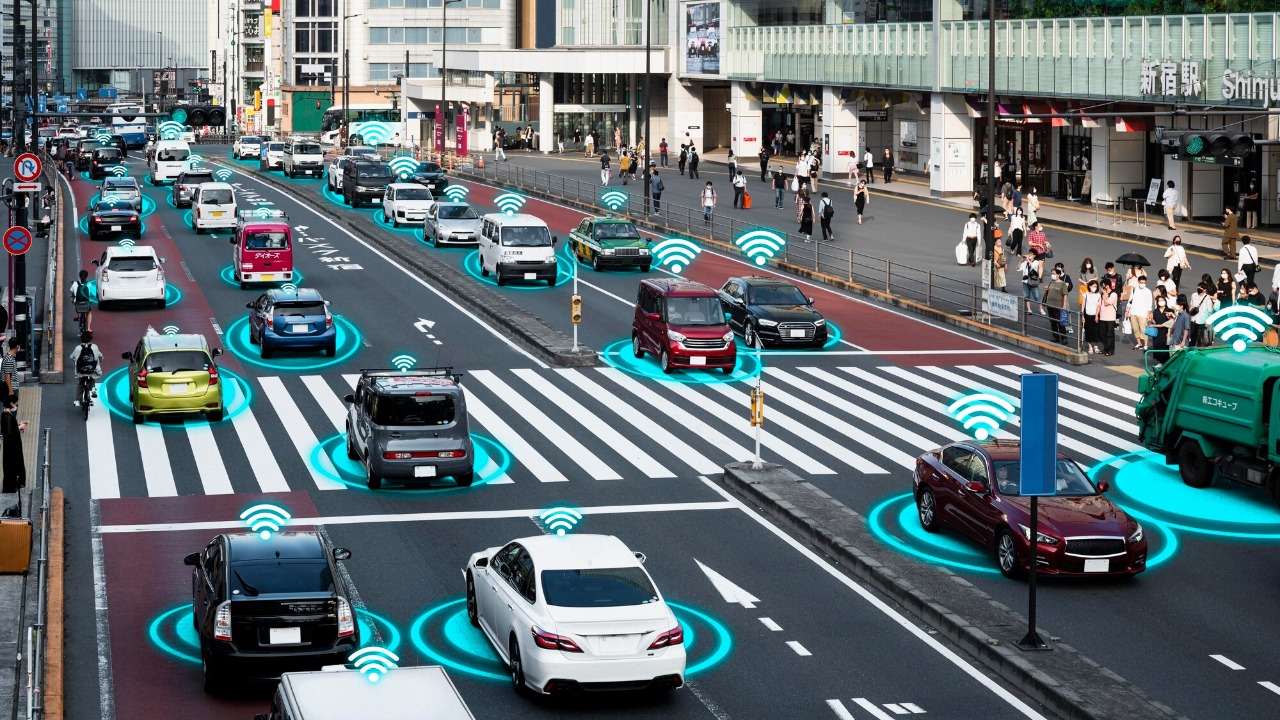
Smart roads are set to transform urban mobility, making traffic management more efficient and responsive. In smart cities of the future, AI and IoT will play a pivotal role in managing traffic, with smart roads acting as the nerve center of urban transportation systems. They will not only optimize traffic flow but also contribute to environmental sustainability by reducing idling and promoting efficient use of transportation resources.
Furthermore, the impact of smart roads extends beyond traffic management. They have the potential to improve the quality of urban life, reducing commute times, enhancing road safety, and contributing to a cleaner, quieter urban environment. If you’re interested in deep learning techniques for traffic jam management in smart cities, check out this Taylor and Francis publication.
