Imagine a world where an electric vehicle (EV) charges while on the move, maintaining its battery level at optimum levels even at top speeds. This is the promise of “smart roads,” an innovation that could revolutionize the EV market and how we view electric mobility. Let’s delve into this technology, its development, and its potential impact.
Understanding the Concept of Smart Roads

A “smart road” is an advanced infrastructure system designed to wirelessly transfer energy to electric vehicles while in motion. This is accomplished through a technology known as dynamic wireless power transfer (DWPT), which utilizes inductive coupling between coils embedded in the road and those within the vehicle to facilitate power transfer. According to research, this is a viable solution to the challenge of stationary EV charging, allowing vehicles to recharge while in transit and reducing the need for frequent stops to plug in.
The concept of smart roads may seem futuristic, but its roots are in technology that has been around for a while. Think about how a wireless phone charger works, and you’ll have a basic understanding of how smart roads function, albeit on a much larger and more complex scale. The key difference is that smart roads can charge vehicles even at high speeds, with some designs capable of supporting speeds up to 70 MPH.
Early Experimentations and Results
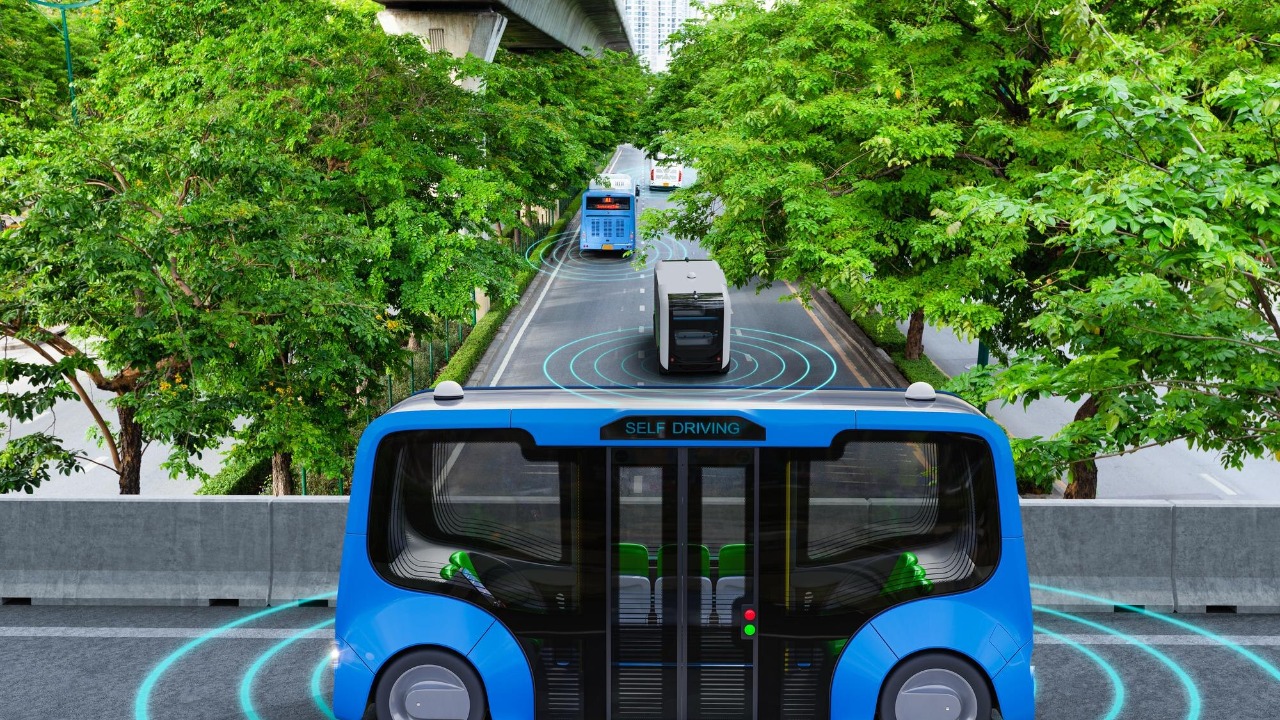
Smart roads are not just theoretical constructs, but are already being tested in various parts of the world. One noteworthy project in South Korea, for example, has seen a 7.5-mile stretch of road outfitted with wireless charging technology for buses. Results from these early trials have been promising, demonstrating the potential of the technology.
Despite the promising results, the journey towards the realization of smart roads has not been without challenges. One of the major hurdles is the high cost associated with infrastructure modification, particularly for existing roads. There are also technical challenges relating to the efficiency of power transfer and the ability to maintain it at high vehicle speeds.
The Impact on EV Charging Times
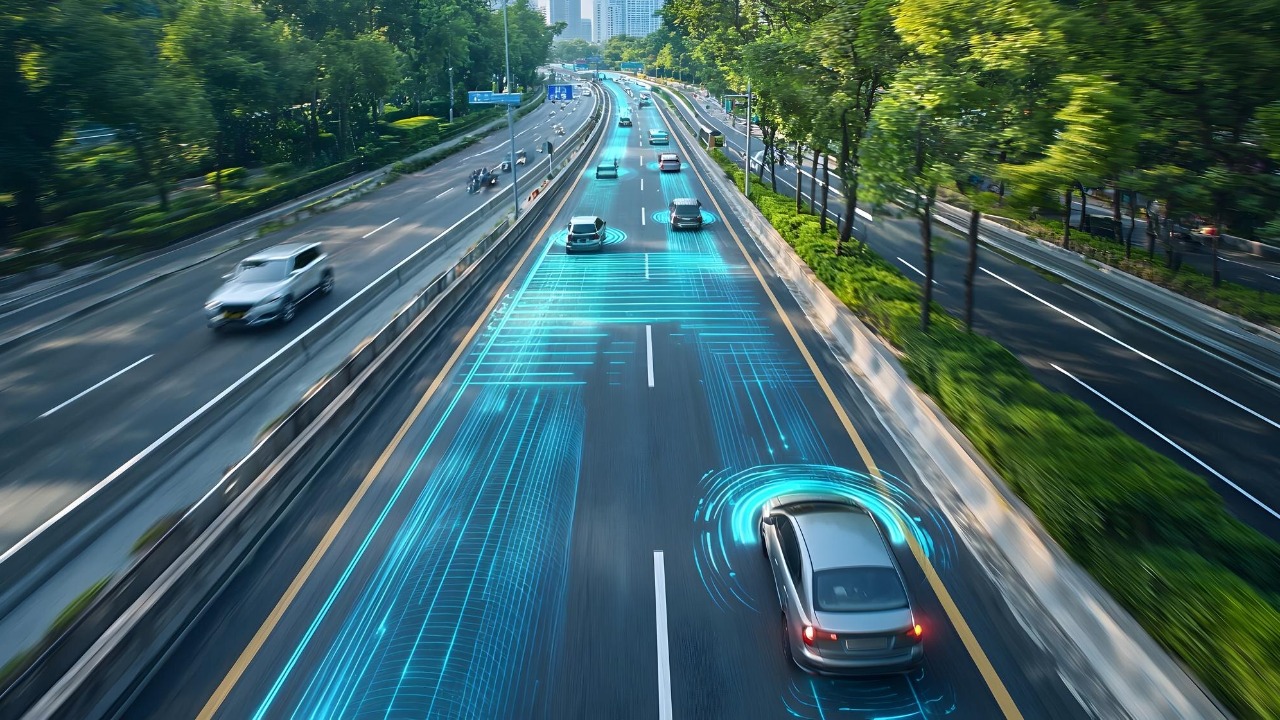
The most significant advantage of smart roads lies in their potential to drastically reduce, if not eliminate, EV charging times. Traditional charging methods require the vehicle to be stationary and connected to a power source, consuming valuable time. However, with smart roads, EVs can recharge while in motion, effectively eliminating downtime due to charging. This could significantly reduce overall travel times for long journeys.
Moreover, the advent of smart roads could potentially eliminate “range anxiety,” a major concern for many EV owners. For instance, if the Cadillac Escalade IQS, with its estimated 350 miles range as reported here, could be constantly topped up while on a smart road, the issue of range would become irrelevant, making long trips more stress-free.
The Potential Impact on the EV Market

Smart roads could significantly increase the attractiveness of EVs. By solving the problem of charging times and range anxiety, they could make electric vehicles a more viable option for long-distance travel. This could, in turn, stimulate greater demand for EVs, driving further growth in the already burgeoning EV market.
If smart roads become a standard infrastructure, the costs associated with owning and operating an EV could also be reduced. For example, the need for home charging equipment or frequent visits to charging stations could be minimized or even eliminated. This would make EV ownership more affordable and accessible to a larger population, further fueling the growth of the EV market.
Challenges and Future Prospects
Despite the promise of smart roads, there are formidable challenges to their implementation. Technological hurdles, such as ensuring efficient power transfer at high speeds, still need to be overcome. The cost of infrastructure modification is another significant challenge. Retrofitting existing roads with the necessary technology would be a massive and expensive undertaking, while incorporating the technology into new road construction would require substantial investment.
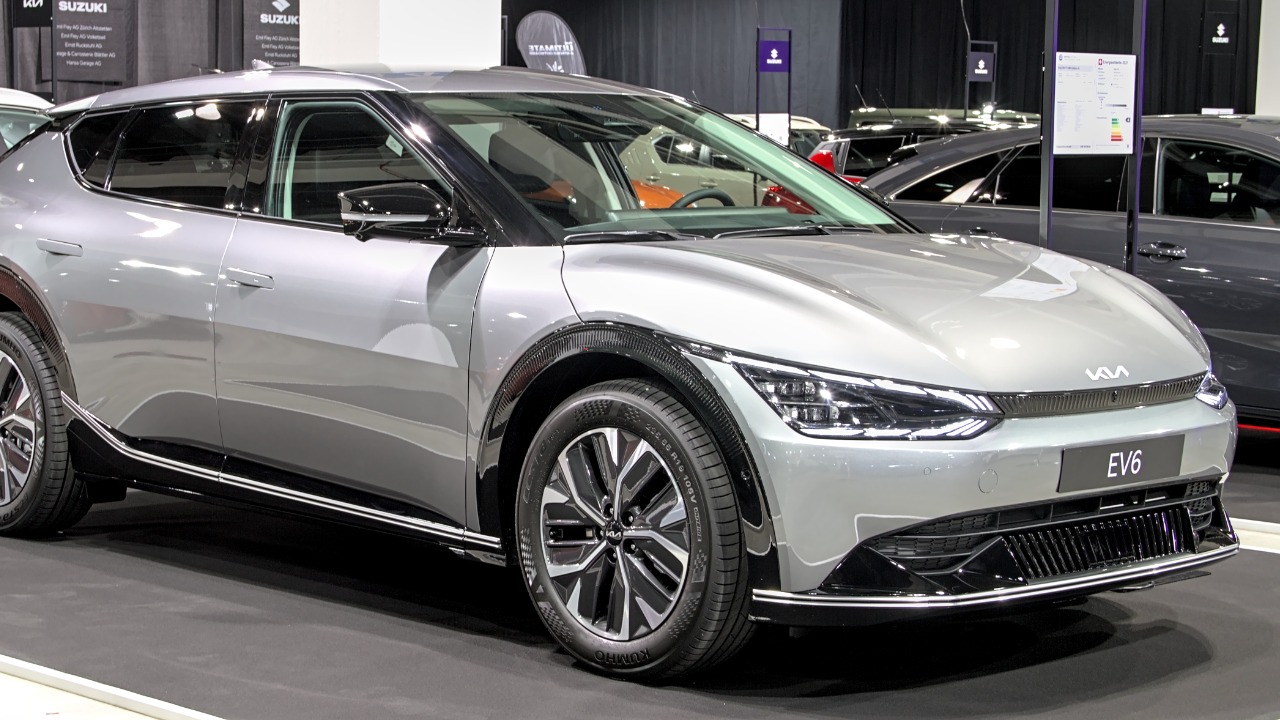
However, the environmental implications of smart roads are promising. By encouraging the use of EVs and reducing the need for stationary charging infrastructure, smart roads could reduce the overall carbon footprint of transportation. The future prospects of this technology are indeed exciting, and it will be fascinating to watch how the EV industry and transportation in general evolve in response to this innovation. A recent experiment driving a Kia EV6 demonstrates how advancements in EV technology are constantly pushing boundaries, and smart roads seem to be the next frontier.
